Hold on before you toss those orange peels! What if I told you that the very thing you toss in the bin after enjoying a juicy orange holds a brilliant natural secret for a radiant glow, right from your kitchen? It’s time to unlock a hidden gem of herbal wisdom that transforms everyday discards into an amazing, sustainable solution for your skin.
Have you ever paused to wonder about the potent goodness packed into the vibrant rind of an orange? Most of us are quick to peel and discard, focusing solely on the juicy fruit within. But for centuries, various cultures have recognized the profound potential of orange peels, not just for their aromatic charm but for their wellness benefits.
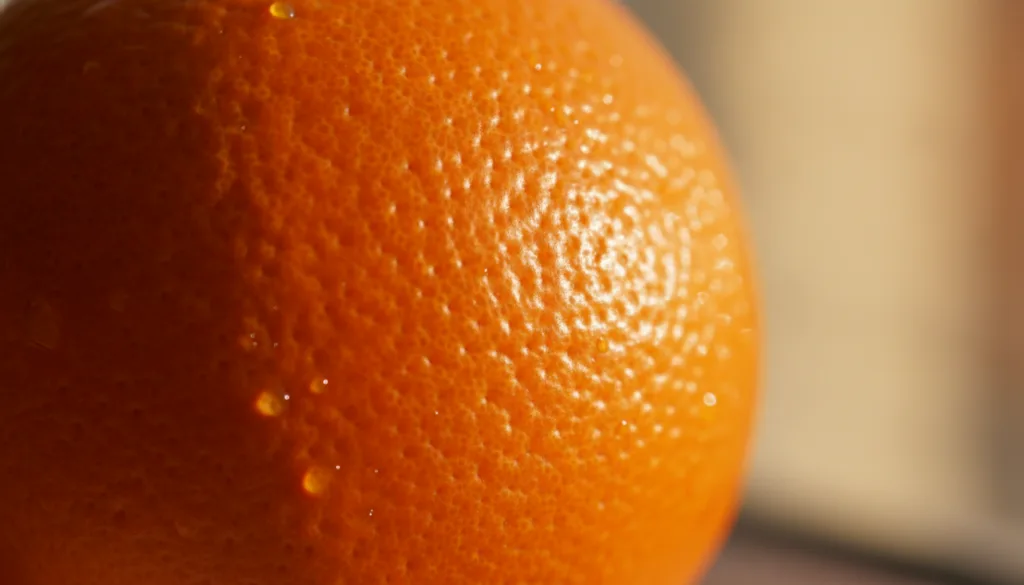
Why Your Skin Will Thank You for Saving Orange Peels
In a world brimming with complex beauty products, the idea of turning to something as simple as an orange peel might seem too good to be true. However, the surge in interest for natural, DIY beauty solutions is no coincidence. People are seeking ways to nourish their skin without harsh chemicals, embracing practices that are both effective and kind to the planet.
Orange peels are gaining popularity because they align perfectly with this desire for natural, effective, and sustainable self-care. Many believe that the zest of an orange is merely for fragrance, but it’s so much more! This overlooked part of the fruit is a powerhouse of beneficial compounds that can revitalize your complexion. For those who prioritize natural wellness and love a good kitchen hack, understanding the magic of orange peels is a delightful discovery.
The Science & Wisdom Behind Orange Peel’s Radiance Boost
So, what makes orange peels such a treasure trove for your skin? It boils down to their rich composition of active compounds.
Potent Antioxidants
- Vitamin C: While the fruit itself is famous for Vitamin C, the peel also contains a significant amount. Vitamin C is a powerful antioxidant essential for collagen production, helping to maintain skin elasticity and firmness. It also plays a key role in brightening the skin and reducing the appearance of dark spots.
- Flavonoids: These plant compounds are abundant in orange peels and offer strong antioxidant and anti-inflammatory properties. They help protect your skin from environmental damage and can calm irritation.
Natural Exfoliants
Orange peels contain natural alpha-hydroxy acids (AHAs) and citric acid. These compounds act as gentle exfoliants, helping to slough off dead skin cells, unclog pores, and reveal fresher, brighter skin underneath. This natural exfoliation can contribute to a smoother texture and a more even skin tone.
Traditional Uses
Historically, orange peels have been used in various traditional medicine systems, particularly in Ayurveda and Traditional Chinese Medicine (TCM). In these practices, they were often utilized for their aromatic, digestive, and skin-supporting properties. Dried and powdered orange peel was a common ingredient in beauty rituals to enhance complexion, reduce blemishes, and impart a healthy glow.
Traditional Use vs. Scientific Evidence: While traditional practices have long celebrated orange peels for skin health, modern science continues to explore and validate the specific mechanisms and compounds responsible for these benefits, particularly Vitamin C and flavonoids. Always remember that “may support” and “is traditionally used for” are distinct concepts.
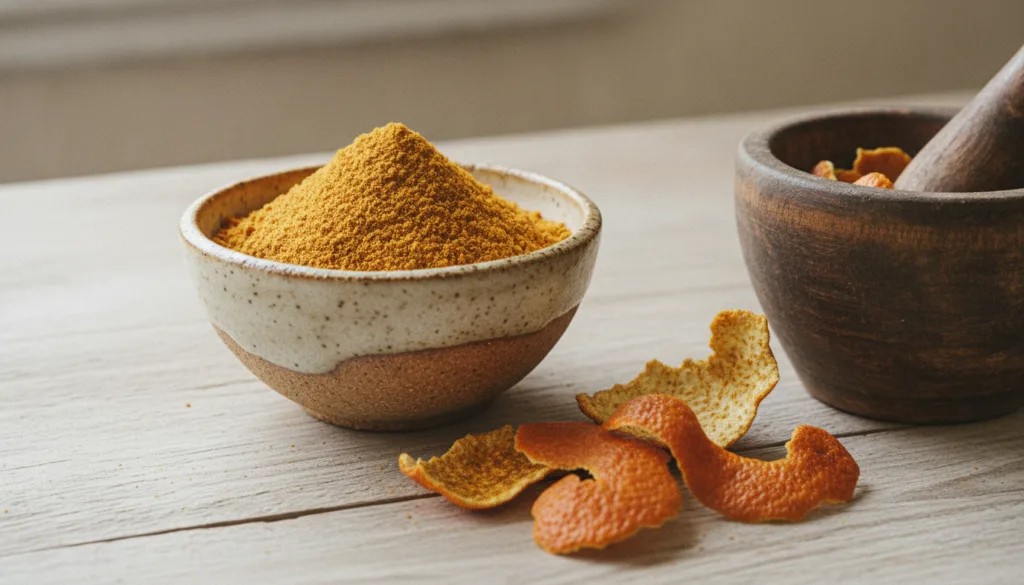
Your Practical Guide to DIY Orange Peel Beauty
Ready to harness the power of orange peels? Here’s how you can prepare and use them for a radiant complexion:
Step 1: Preparing Your Orange Peels
- Clean Thoroughly: Wash your oranges thoroughly before peeling to remove any dirt or residues.
- Peel Carefully: Try to peel oranges in larger pieces, avoiding as much of the white pith as possible (the pith can be bitter and less potent for skin applications).
- Dry Properly: Lay the peels flat on a tray or rack. You can sun-dry them for 3-5 days until they are completely brittle, or use a food dehydrator on a low setting. Ensure they are fully dry to prevent mold.
- Grind into Powder: Once completely dry, break the peels into smaller pieces and grind them into a fine powder using a coffee grinder or a powerful blender. Sieve the powder to get a consistent, fine texture.
- Storage: Store the orange peel powder in an airtight container in a cool, dark place. It can last for several months.
Step 2: Usage Ideas
1. Brightening Face Mask
- Ingredients: 1 tablespoon orange peel powder, 1 tablespoon plain yogurt (for oily/combination skin) or milk (for dry skin), a pinch of turmeric (optional, for extra glow).
- Preparation: Mix all ingredients to form a smooth paste.
- Application: Apply evenly to a clean face, avoiding the eye area. Leave on for 10-15 minutes, then gently rinse with lukewarm water, massaging in circular motions for mild exfoliation.
- Frequency: 1-2 times a week.
2. Gentle Exfoliating Scrub
- Ingredients: 1 tablespoon orange peel powder, 1 tablespoon raw honey, a few drops of rosewater (optional).
- Preparation: Combine ingredients to form a thick scrub.
- Application: Gently massage onto damp skin in circular motions for 2-3 minutes. Rinse thoroughly.
- Frequency: Once a week.
3. Refreshing Toner
- Ingredients: A handful of fresh orange peels, 1 cup distilled water.
- Preparation: Boil the orange peels in distilled water for 10-15 minutes. Let it cool completely. Strain the liquid and discard the peels.
- Application: Transfer the liquid to a spray bottle and use it as a refreshing toner after cleansing.
- Storage: Keep in the refrigerator for up to a week.
Beginner Tips
- Always do a patch test on a small area of your skin before applying any new mask or scrub to your entire face, especially if you have sensitive skin.
- Consistency is key. Regular, gentle use is more effective than infrequent, intense treatments.
- Listen to your skin. If you experience any irritation, reduce frequency or discontinue use.
Safety & Precautions: Important Notes for Your Skin
While orange peels offer wonderful natural benefits, it’s crucial to approach any DIY beauty treatment with care:
- Patch Test is a Must: Always perform a patch test on a small, inconspicuous area of your skin (like behind the ear or inner forearm) at least 24 hours before applying any orange peel product to your face. This helps check for allergic reactions or sensitivities.
- Sun Sensitivity: Citrus ingredients can increase your skin’s sensitivity to the sun (photosensitivity). Always apply sunscreen after using orange peel treatments, especially if you’re going outside, and avoid direct sun exposure immediately after application.
- Avoid Eye Area: Keep orange peel preparations away from your eyes, as they can cause irritation.
- Existing Skin Conditions: If you have sensitive skin, eczema, rosacea, or any other existing skin conditions, consult with a dermatologist before trying orange peel remedies.
- Allergies: If you have a known allergy to citrus fruits, avoid using orange peels topically.
- Not for Open Wounds or Irritated Skin: Do not apply orange peel preparations to broken, irritated, or freshly shaved skin.
- Purity Matters: Ensure your oranges are organic or thoroughly washed to minimize pesticide exposure if using peels on your skin.
Key Takeaways for Radiant Skin
- Orange peels are a sustainable, natural source of skin-benefiting compounds like Vitamin C and flavonoids.
- They offer antioxidant protection, support collagen production, and provide gentle exfoliation.
- You can easily prepare orange peel powder at home for DIY face masks and scrubs.
- Always perform a patch test before full application to avoid irritation.
- Be mindful of sun sensitivity and use sunscreen after applying citrus-based treatments.
- Consult a healthcare professional if you have existing skin conditions or concerns.
Frequently Asked Questions About Orange Peels for Skin
Q1: Can I use fresh orange peels directly on my face?
It’s generally not recommended to use fresh orange peels directly on your face, especially the wet interior part. The oils can be highly concentrated and potentially irritating for some skin types. Drying and powdering the peels first dilutes the potency and makes them safer and more manageable for topical application, especially in masks or scrubs.
Q2: How often should I use an orange peel mask?
For most skin types, using an orange peel mask 1-2 times a week is sufficient. Over-exfoliation can lead to irritation or dryness. Listen to your skin and adjust the frequency based on its reaction.
Q3: Do orange peels help with acne?
Orange peels contain natural acids and antioxidants that can help exfoliate the skin, remove dead skin cells, and unclog pores, which may indirectly support clearer skin and reduce breakouts. The anti-inflammatory properties of flavonoids might also help calm irritated skin. However, it’s not a direct cure for severe acne and should be used as a complementary treatment.
Q4: Can I eat orange peels for skin benefits?
Yes, orange peels are edible and contain dietary fiber, Vitamin C, and other beneficial compounds. However, they are quite bitter and often treated with pesticides, so thorough washing or using organic oranges is crucial. While consuming them can provide systemic benefits, topical application focuses benefits directly on the skin.
Q5: How long does it take to see results?
Results can vary depending on individual skin type and consistency of use. With regular application (1-2 times a week), you might start noticing improvements in skin brightness, texture, and tone within a few weeks to a month. Patience and consistency are key.
Related Reading You Might Enjoy
- The Power of Turmeric: An Ancient Spice for Modern Wellness
- DIY Herbal Face Masks for Every Skin Type
- Understanding Natural Antioxidants and Your Skin
- Embrace Sustainable Living: Kitchen Scraps with a Purpose
- Top 5 Anti-Inflammatory Ingredients for Radiant Skin