A thriving garden doesn’t always require expensive fertilizers, complicated equipment, or a huge backyard. In fact, some of the most useful gardening resources may already be sitting in your kitchen, recycling bin, or storage room.
At Home Harvest, we believe gardening should feel practical, affordable, and approachable. From reusing household materials to saving seeds and making better use of small spaces, a few smart habits can help you build a more productive garden while reducing waste.
Here are some useful ideas to try in your own garden, embracing the “Grow Smarter, Waste Less, Learn from Every Season” philosophy.
1. Turn Kitchen Scraps Into Garden Resources
Before throwing kitchen scraps away, consider whether they belong in your compost pile. Rather than treating every kitchen scrap as a direct fertilizer, composting is often the simplest way to turn a mixture of organic waste into a useful soil amendment.
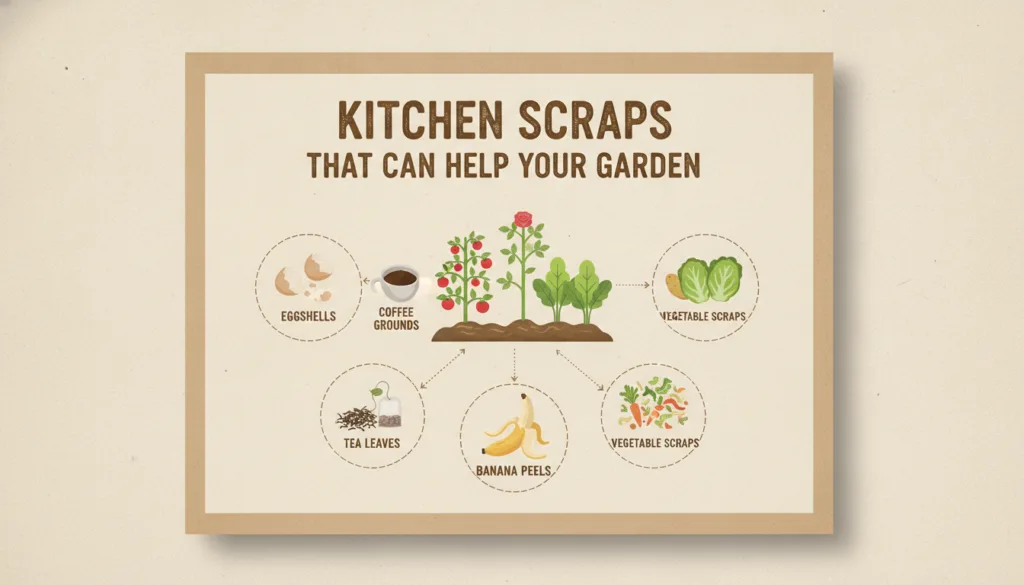 Transform your kitchen waste into garden gold!
Common compostable materials include:
- Vegetable and fruit scraps
- Coffee grounds
- Used tea leaves
- Crushed eggshells
- Banana peels
- Citrus peels in moderate amounts
Coffee Grounds
Used coffee grounds can be added to compost or used sparingly around plants as organic material. Despite a common gardening myth, used coffee grounds are not reliably acidic enough to dramatically lower garden soil pH.
Eggshells
Crushed eggshells contain calcium, but they break down slowly. Adding finely crushed shells to compost is generally more useful than expecting them to provide plants with an immediate calcium boost.
Banana Peels
Banana peels contain nutrients, including potassium, but soaking them in water isn’t a complete replacement for a balanced fertilizer. A better low-waste option is usually to chop or compost the peels and allow microorganisms to break them down gradually.
2. Think Before Pouring Cooking Water Down the Drain
Some unsalted cooking water can be reused after it has completely cooled. For example, water left from cooking vegetables or pasta can sometimes be used to water outdoor plants.
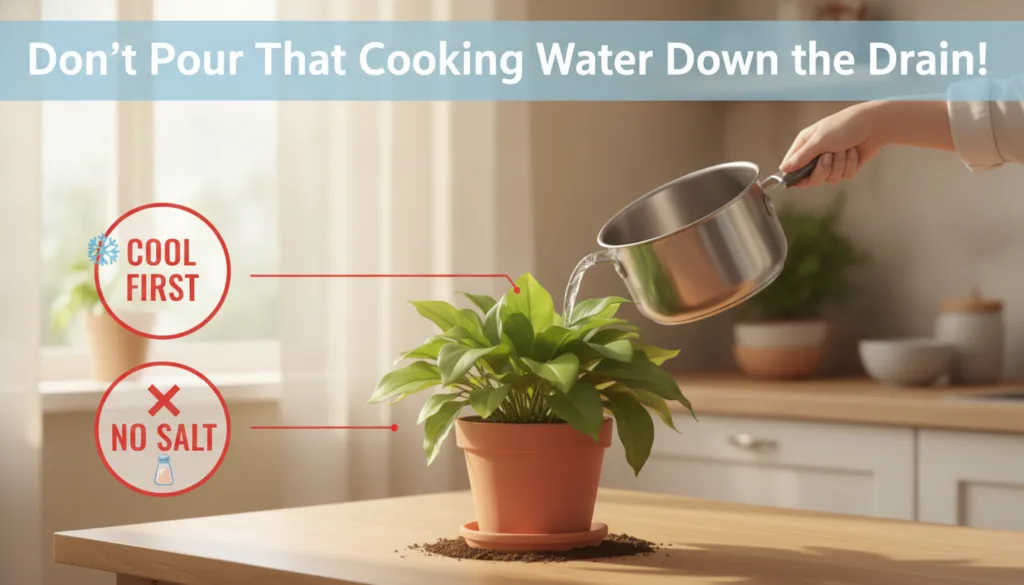 Give your plants a drink with cooled cooking water!
The most important rules are simple:
- Let it cool completely. Never pour hot water onto roots or leaves.
- Avoid salty water. Repeatedly adding salt to soil can damage plants and affect soil quality.
- Avoid oily or heavily seasoned water. Cooking liquids containing sauces, fats, large amounts of seasoning, or other additives are better kept away from garden soil.
And remember: cooking water is primarily a way to reuse water—not a substitute for proper plant nutrition.
3. Grow Vegetables in Unexpected Containers
No raised beds? No problem. Many vegetables can grow successfully in containers when they have sufficient volume, drainage, sunlight, water, and nutrients.
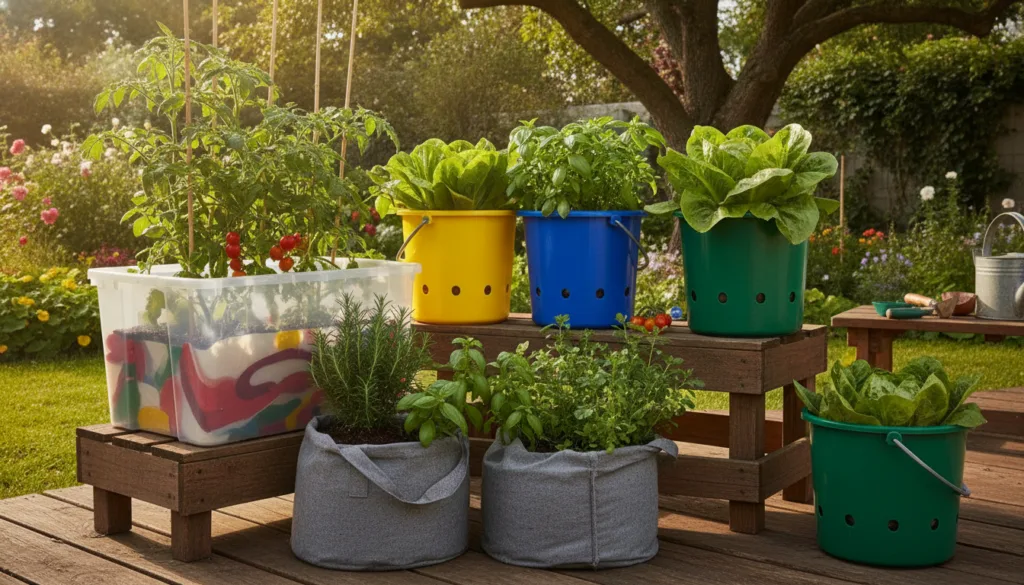 No backyard? No problem! Grow fresh veggies in any container.
Possible recycled or inexpensive containers include:
- Food-safe buckets
- Large pots
- Grow bags
- Storage containers modified for gardening
- Suitable baskets lined to hold potting mix
Plants that can work particularly well in container gardens include:
- Lettuce
- Herbs
- Peppers
- Compact tomatoes
- Cucumbers with support
- Short-rooted carrot varieties
- Green onions
- Dwarf beans
The key isn’t the appearance of the container. It’s whether the roots have enough room and excess water can escape. If repurposing a container, make sure it previously held safe materials and add adequate drainage holes where appropriate.
4. Save Seeds From Your Garden
Seed saving can turn one successful growing season into the beginning of the next. It’s a rewarding way to ensure you always have your favorite varieties and reduce costs.
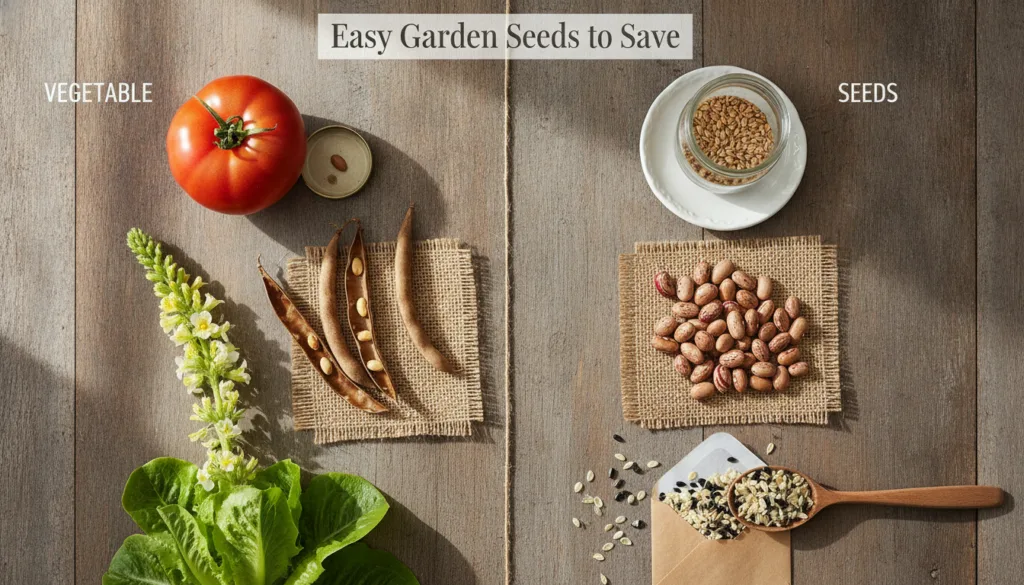 Keep your garden growing season after season by saving seeds.
Some of the easiest crops for beginners to experiment with include:
- Beans
- Peas
- Lettuce
- Tomatoes
- Peppers
- Basil
- Okra
Successful seed saving depends on the plant. For instance, beans and peas can often be left on the plant until the pods become dry and mature. Tomato seeds are commonly collected from fully ripe fruits, while lettuce seeds are harvested after the plant flowers and produces mature seed heads.
If you want plants that closely resemble the parent, open-pollinated varieties are usually more predictable than hybrids. Cross-pollination can also affect the next generation. After harvesting, dry seeds properly and store them somewhere cool, dry, and dark.
5. Grow Up Instead of Out
Have a small garden? Use vertical space! Vertical gardening can increase usable growing area while keeping climbing plants organized and healthy.
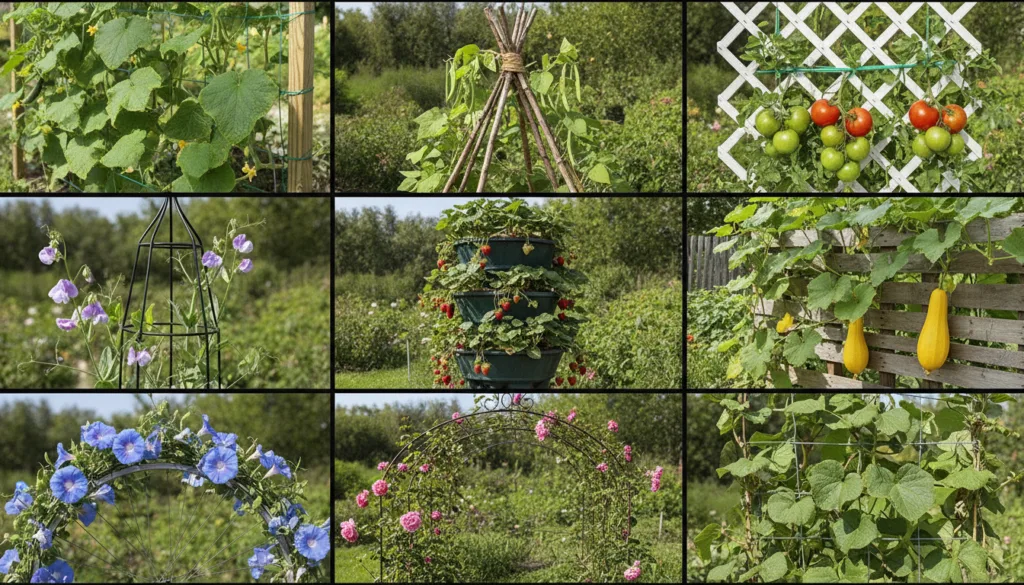 Maximize your garden space by growing vertically!
Popular support systems include:
- Trellises
- Garden arches
- Netting
- Bamboo teepees
- A-frame supports
- Pergolas
- Wire panels
Good candidates for vertical training include:
- Cucumbers: Guide vines onto sturdy netting or trellises.
- Pole beans: Train them around a teepee or tall support.
- Peas: Give their tendrils mesh, netting, or another narrow structure to grab.
- Indeterminate tomatoes: Provide tall stakes, cages, or trellises and secure stems as they grow.
Some melons and squash can also be trained vertically, but heavy fruit may require extra support.
6. Match Garden Protection to the Problem
Garden covers aren’t interchangeable. Choosing the correct protection depends on what you’re trying to protect your plants from.
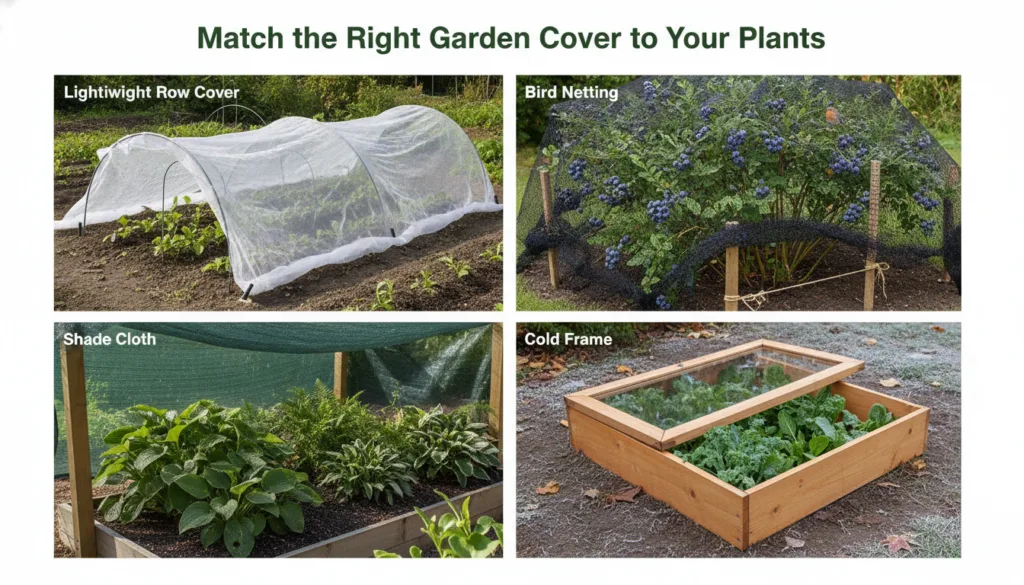 Protect your plants effectively by choosing the right cover.
Insect or Row Cover
Lightweight row covers create a physical barrier between young plants and certain insect pests, helping to keep your crops safe without chemicals.
Bird Netting
Netting can help protect ripening berries and fruits from birds. Install it carefully so wildlife cannot become trapped.
Shade Cloth
During intense summer heat, appropriate shade cloth can reduce heat and sun stress on vulnerable crops, preventing scorching and wilting.
Cold Frames
A cold frame creates a protected microclimate that can help extend the growing season during cooler weather, allowing you to plant earlier or harvest later.
Instead of asking, “Which garden cover is best?”, ask: “What problem am I trying to solve?” That question usually leads to a better choice.
7. Use Companion Plants With Realistic Expectations
Aromatic plants and flowers can add diversity to the garden and may attract pollinators or beneficial insects. This can create a more resilient and vibrant ecosystem.
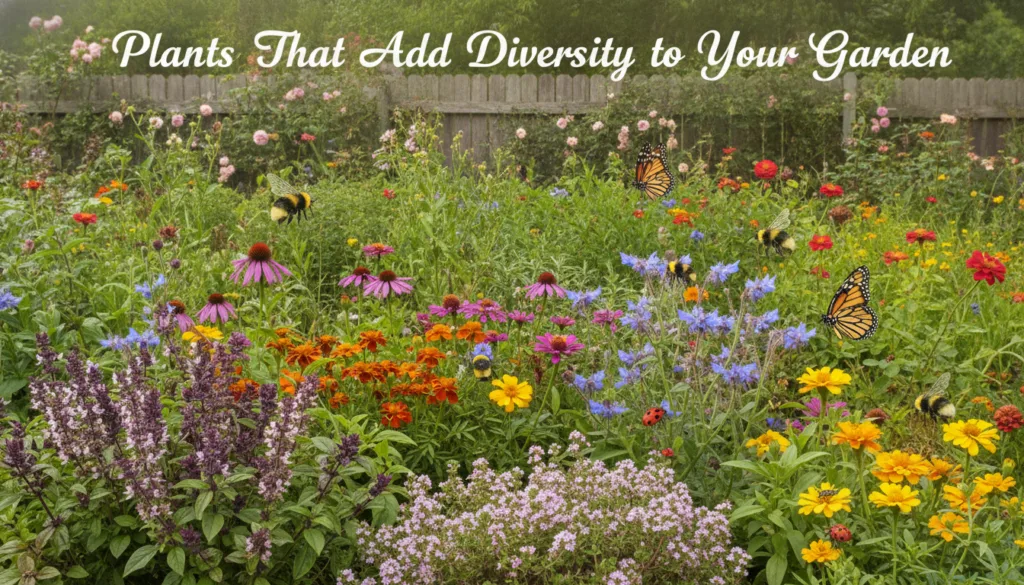 Boost your garden’s biodiversity with companion planting!
Popular choices include:
- Marigolds
- Thyme
- Garlic
- Catnip
- Other flowering herbs
But avoid treating any plant as a guaranteed pest repellent. Simply planting garlic, eucalyptus, or marigolds nearby does not guarantee that rats, ticks, cockroaches, whiteflies, or other pests will disappear. Instead, use companion planting as one part of a broader garden strategy involving:
- Healthy soil
- Plant diversity
- Regular inspection
- Physical barriers
- Good sanitation
- Appropriate pest management
8. Be Careful With Viral DIY Fertilizer Recipes
The internet is full of homemade “miracle grow” recipes involving combinations of Epsom salt, baking soda, ammonia, vinegar, or other household products. More ingredients do not automatically mean healthier plants.
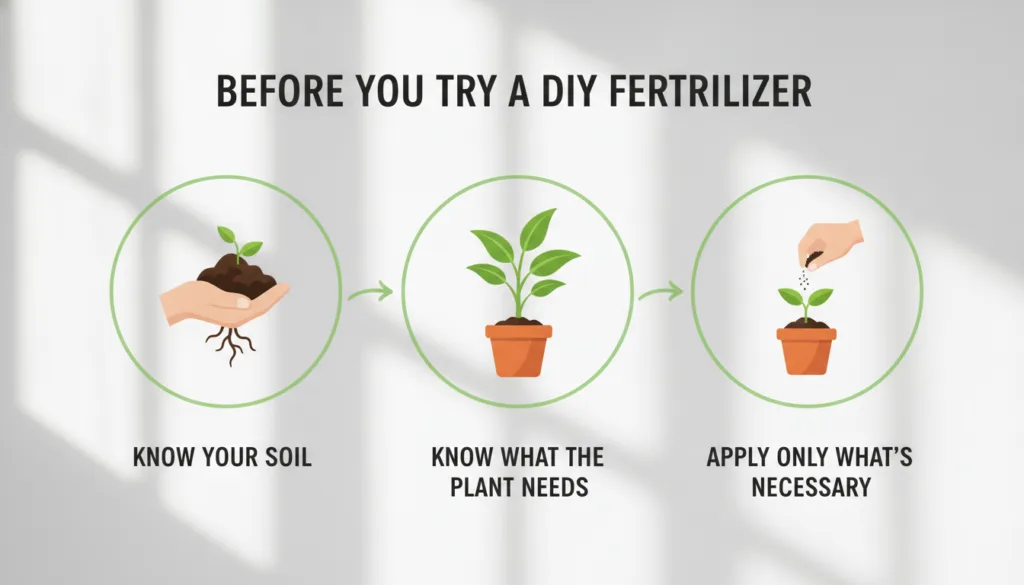 Before you mix up a DIY fertilizer, know what your plants truly need.
Plants primarily need the correct balance of nutrients, water, oxygen, light, and suitable soil conditions. For example, Epsom salt supplies magnesium and sulfur, but plants don’t benefit from extra magnesium unless they actually need it. Baking soda can alter soil chemistry, and excessive ammonia can damage plants.
Before adding concentrated DIY mixtures, consider testing your soil or identifying a specific nutrient deficiency. For most home gardens, compost plus an appropriate fertilizer is easier to manage than an improvised chemical mixture.
9. Choose Natural Soil Amendments Carefully
“Natural” doesn’t automatically mean “safe for every plant.” Materials such as compost, wood ash, seaweed products, and other organic amendments can affect soil differently.
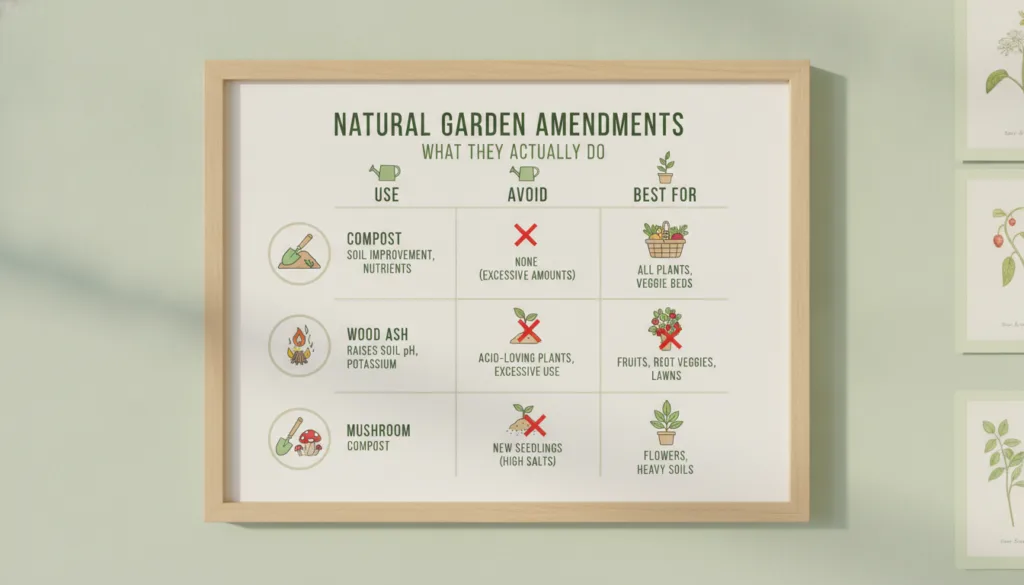 Understand how natural amendments truly benefit your garden.
Compost
Well-finished compost is one of the most versatile garden amendments. It contributes organic matter, improves soil structure, and provides a slow release of nutrients, supporting healthy soil structure and microbial life.
Wood Ash
Clean wood ash contains potassium and calcium and can raise soil pH. Because of that, it should be used cautiously and generally avoided where the soil is already alkaline or around acid-loving plants. Never use ash from painted, treated, or chemically contaminated wood.
Mushroom Compost
Mushroom compost can add organic matter, but its nutrient levels, salts, and pH can vary. Mix it with other soil components rather than assuming it is ideal for every crop.
The best amendment is the one that matches your actual soil and plant requirements.
10. Build a Garden From Everyday Materials
Some of the best garden hacks aren’t fertilizers at all. They simply reuse materials intelligently, turning potential waste into valuable garden tools and resources.
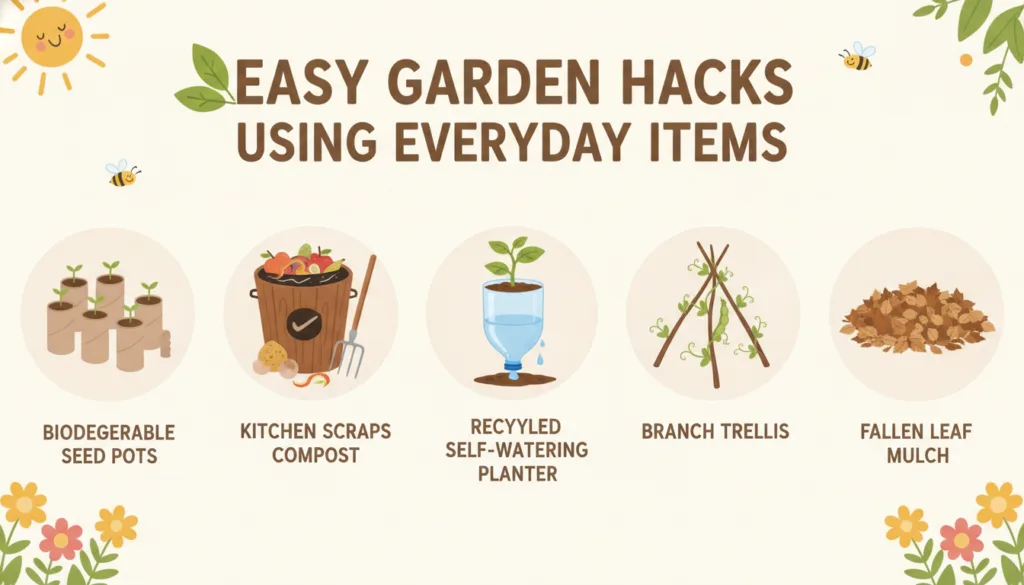 Transform household items into invaluable garden assets!
Cardboard tubes can become temporary biodegradable seed-starting pots. Old containers can become planters after suitable drainage holes are added. Branches can become simple supports for climbing plants. Leaves and suitable untreated organic material can become compost or mulch.
The goal isn’t to find a magical household product. It’s to look at everyday materials differently. Before throwing something away, ask: Can this become compost, mulch, a container, a support, or a seed-starting tool? That mindset can make gardening both cheaper and less wasteful.
A Simple Home Harvest Routine
You don’t need to try every gardening trick at once. Start with a simple weekly routine, and you’ll be amazed at the progress:
- Check your plants. Look underneath leaves and inspect new growth for early signs of pests or disease. Early detection is key!
- Check the soil. Water based on soil moisture and plant needs rather than automatically watering on a fixed schedule.
- Remove unhealthy material. Clear badly diseased or rotting plant material where appropriate to prevent spread.
- Feed thoughtfully. Use compost or suitable fertilizers according to the needs of your plants, not just for the sake of it.
- Train climbing plants. Tie or guide vines before they become tangled for better growth and airflow.
- Harvest regularly. Many productive vegetables continue producing when ripe crops are picked consistently.
- Save useful materials. Compost suitable kitchen scraps and keep seeds from plants you want to grow again.
Small actions performed consistently usually matter more than dramatic garden “hacks.”
The Home Harvest Philosophy
A productive garden doesn’t have to be expensive. It doesn’t have to be perfect either.
A bucket can become a planter. A simple trellis can turn unused vertical space into a productive growing area. Kitchen scraps can become compost. One healthy plant can provide seeds for another season. And a small patio, balcony, backyard, or raised bed can become a place where food grows.
The goal of Home Harvest is simple:
Grow smarter. Waste less. Learn from every season.
Grow More With Home Harvest
Looking for more garden tips, vegetable-growing ideas, container gardening tricks, composting advice, seed-saving guides, natural garden solutions, and small-space gardening inspiration?
Follow Garden – L. Quyên and discover practical ideas you can actually use in your own garden.
🌱 Start small. Grow naturally. Harvest proudly.