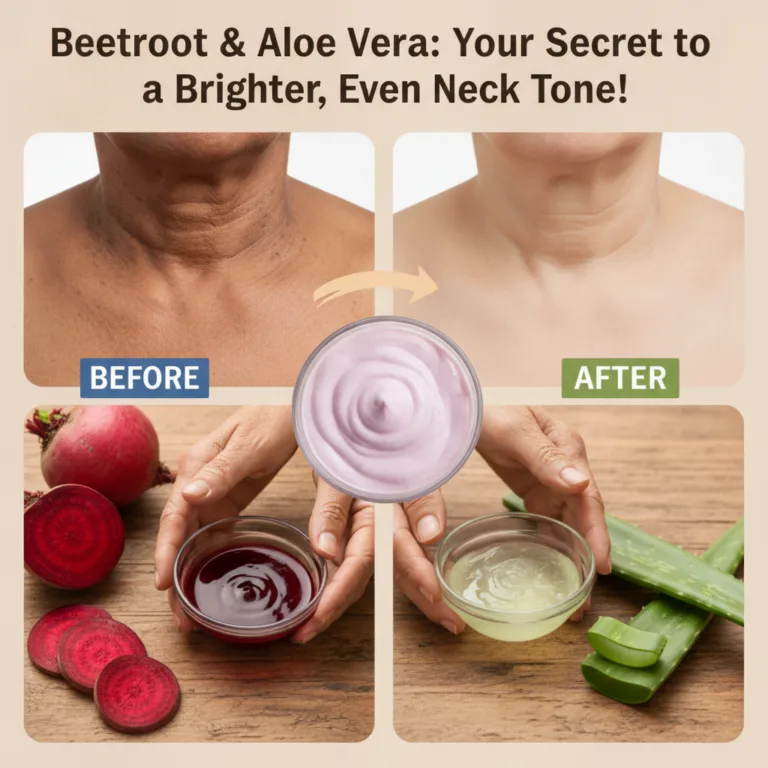
Beetroot & Aloe Vera: Your Natural Secret to a Brighter, Even Neck Tone
Have you ever looked in the mirror and noticed that your neck doesn’t quite match the radiant glow of your face? Perhaps the skin there seems a little duller, or maybe you’ve spotted some unevenness that makes you feel a bit self-conscious. It’s a common experience, and often, our neck can be one of the first areas to show signs of aging or environmental exposure.
But what if nature held a simple, vibrant secret to help restore a brighter, more even-toned look to your neck? Today, we’re diving into a beautiful blend of two natural powerhouses: beetroot and aloe vera.
Why Achieving an Even Neck Tone Matters
Our neck skin is often overlooked in our daily skincare routines, yet it’s constantly exposed to the sun, environmental pollutants, and the natural process of aging. Over time, this can lead to concerns like:
- Uneven pigmentation: Darker patches or a general dullness.
- Loss of elasticity: Skin that feels less firm.
- Rough texture: Skin that isn’t as smooth as it once was.
Many of us are searching for gentle, effective ways to address these concerns without resorting to harsh chemicals. This is where natural remedies, steeped in tradition and supported by modern understanding, come into play. The popularity of ingredients like beetroot and aloe vera for skin health is growing, offering a holistic approach to nourishing our skin from the outside in.
The Natural Duo: Beetroot and Aloe Vera for Skin Wellness
Let’s explore how these two humble ingredients could become a cherished part of your natural beauty regimen.
Beetroot: Nature’s Radiant Root
Beetroot isn’t just a delicious vegetable; it’s a treasure trove of skin-loving nutrients. Its vibrant color comes from compounds called betalains, which are powerful antioxidants.
- Rich in Antioxidants: Betalains help fight free radicals, which can contribute to premature aging and skin damage.
- Vitamin C Boost: Beetroot contains vitamin C, known for its role in collagen production and its potential to brighten skin and reduce the appearance of dark spots.
- Traditional Use: In traditional practices, beetroot juice has been used topically to enhance complexion and promote a healthy glow.
While research specifically on beetroot’s topical effect on neck tone is ongoing, its known antioxidant and vitamin C content align with the principles of promoting healthier, more radiant skin.
Aloe Vera: The Soothing Healer
Aloe vera is a succulent plant renowned for its healing and soothing properties, especially for the skin. It’s often called the “plant of immortality” in some cultures, and for good reason!
- Hydrating and Moisturizing: Aloe vera gel is packed with water, helping to keep skin plump and hydrated, which can improve its overall appearance and texture.
- Anti-inflammatory Properties: It contains compounds like polysaccharides that may help reduce skin inflammation and soothe irritation.
- Wound Healing: Traditionally used to calm sunburns and minor cuts, aloe vera may support the skin’s natural healing processes.
- Enzyme Content: Enzymes like bradykinase in aloe vera are thought to help reduce inflammation when applied topically.
The combination of beetroot’s brightening potential and aloe vera’s soothing, hydrating effects creates a synergistic blend that may help improve the overall tone and texture of your neck skin.
Your Practical Guide to a Beetroot & Aloe Vera Neck Mask
Ready to try this natural remedy for yourself? Here’s a simple guide to prepare and use a nourishing beetroot and aloe vera mask for your neck.
What You’ll Need:
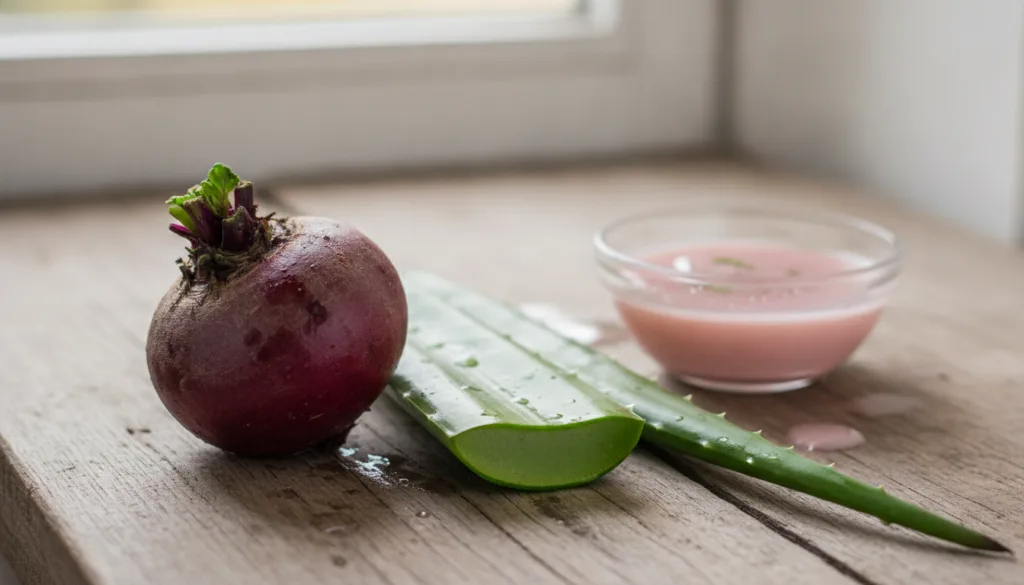
- 1 small fresh beetroot
- 2-3 tablespoons of fresh aloe vera gel (from a leaf or pure store-bought gel)
- Grater or juicer
- Small bowl
- Cotton pad or soft brush for application
Preparation Steps:
- Prepare the Beetroot: Wash the beetroot thoroughly. Peel it, then grate it finely or put it through a juicer to extract the juice. You’ll need about 1-2 tablespoons of juice.
- Extract Aloe Vera Gel (if using fresh leaf): Cut an aloe vera leaf and scoop out the clear gel inside. Ensure no yellow latex (aloin) is present, as it can be irritating.
- Mix the Mask: In a small bowl, combine 1-2 tablespoons of beetroot juice with 2-3 tablespoons of fresh aloe vera gel. Mix well until you have a smooth, spreadable paste. Adjust the consistency by adding more aloe vera gel if needed.
Application & Usage:
- Cleanse Your Neck: Gently cleanse your neck area to remove any dirt, oil, or makeup.
- Apply the Mask: Using a cotton pad or a soft brush, apply an even layer of the beetroot and aloe vera mask to your neck, extending up to your jawline and down to your collarbones.
- Relax: Leave the mask on for 15-20 minutes. This is a perfect time to relax, read, or listen to soothing music.
- Rinse Off: Rinse thoroughly with lukewarm water. Pat your skin dry with a soft towel.
- Moisturize: Follow up with your favorite natural moisturizer.
Frequency & Storage:
- Frequency: For best results, consider applying this mask 2-3 times per week.
- Storage: Store any leftover mixture in an airtight container in the refrigerator for up to 2-3 days. Discard if you notice any change in color or smell.
Safety & Precautions
While natural ingredients are wonderful, it’s always wise to proceed with caution:
- Patch Test: Before applying the mask to your entire neck, perform a patch test on a small, inconspicuous area of your skin (like behind your ear or on your inner arm) to check for any allergic reactions or irritation.
- Skin Sensitivity: If you have very sensitive skin, you might want to dilute the beetroot juice a bit more with aloe vera gel.
- Existing Conditions: If you have any existing skin conditions, open wounds, or are pregnant or breastfeeding, please consult with a healthcare professional or dermatologist before trying new remedies.
- Discoloration: Beetroot juice can temporarily stain the skin. Ensure you rinse thoroughly to avoid any lingering pink hue.
Key Takeaways
- Our neck often shows signs of aging and environmental exposure, leading to uneven tone and texture.
- Beetroot offers antioxidants (betalains) and Vitamin C, which may help brighten and protect the skin.
- Aloe vera provides hydration, soothing relief, and anti-inflammatory benefits, supporting skin health.
- Combining these natural ingredients may offer a gentle way to promote a brighter, more even neck tone.
- Always perform a patch test and consult a professional if you have concerns or existing skin conditions.
FAQ
Q1: How long does it take to see results?
A: Consistency is key with natural remedies. You may start to notice subtle improvements in skin brightness and texture within a few weeks of regular use, but individual results can vary.
Q2: Can I use store-bought beetroot juice?
A: While fresh is always best, you can use pure, unsweetened, organic beetroot juice if it contains no additives or preservatives. Ensure it’s 100% beetroot juice.
Q3: Will this mask stain my clothes?
A: Beetroot juice can stain fabrics. Be careful during application and wear old clothes or a towel around your shoulders to protect your garments.
Q4: Can I use this mask on my face?
A: While generally safe for most skin types, beetroot can be quite potent. If you wish to use it on your face, always do a patch test first and observe how your skin reacts. It’s best to start with your neck, as it’s the primary focus of this remedy.
Q5: Are there any alternatives to fresh aloe vera gel?
A: Yes, if you don’t have an aloe vera plant, look for a pure, organic aloe vera gel from a reputable brand. Ensure it has minimal additives and a high percentage of aloe vera.
Q6: Can I add other ingredients to this mask?
A: For beginners, it’s best to stick to these two ingredients to see how your skin reacts. Once comfortable, you could explore adding a drop of a carrier oil like almond oil or a tiny pinch of turmeric (use very sparingly, as it can stain) for additional benefits, but always patch test new additions.
Related Reading You Might Enjoy
- The Benefits of Turmeric for Radiant Skin
- Nourishing Your Skin from Within: Foods for a Healthy Glow
- Simple Home Remedies for Soothing Dry Skin
- Understanding Antioxidants and Their Role in Healthy Aging