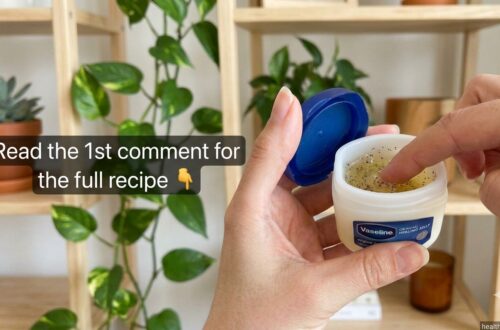
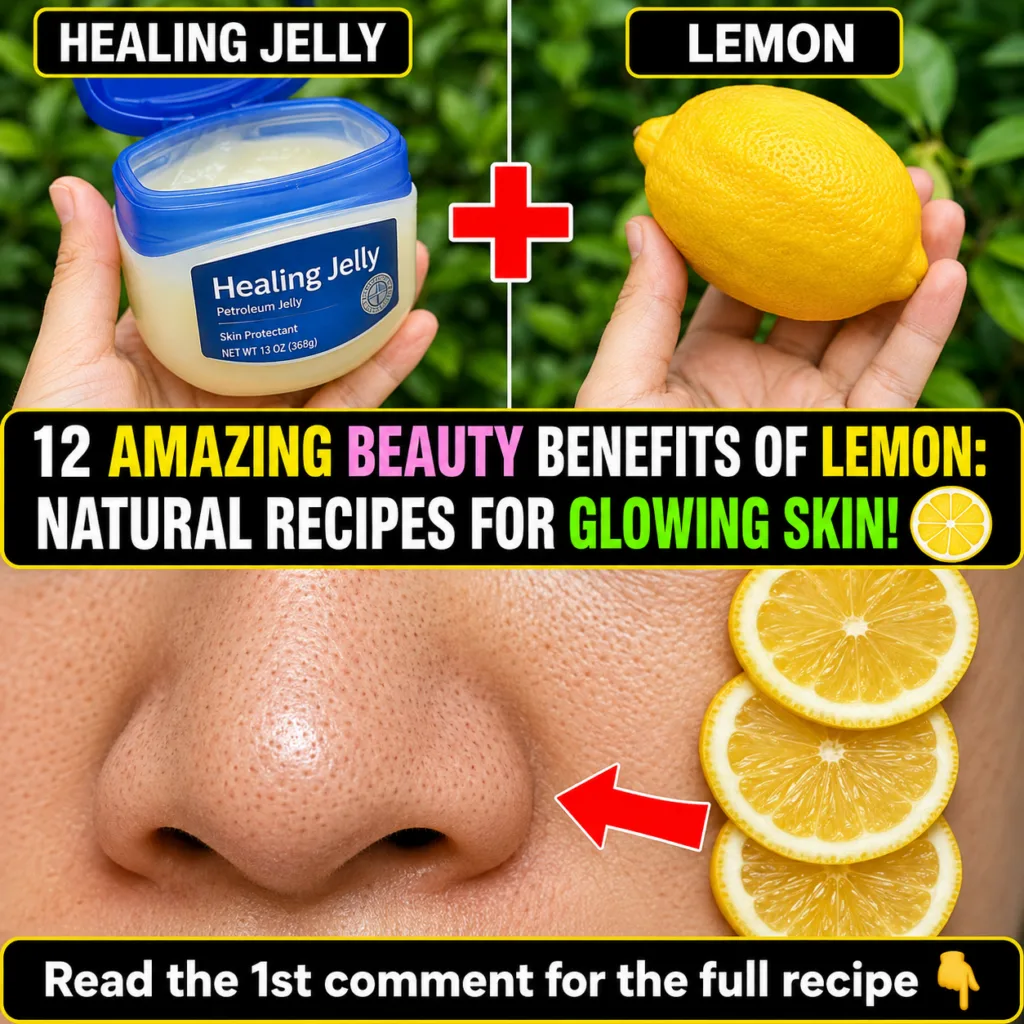
Have you heard the buzz about combining everyday lemon with petroleum jelly (often known by its brand name, Vaseline) for your skin? This simple, natural pairing is generating a lot of excitement in the DIY beauty community! Many people are exploring this combination, believing it can unlock a variety of beauty benefits, helping them achieve skin that feels softer, smoother, and appears more radiant.
At BEAUTY 2, we love exploring popular beauty routines and natural solutions. Let’s dive into what makes this duo so intriguing and how you might incorporate it safely into your routine.
The Buzz Behind Lemon and Vaseline
The idea of using lemon and Vaseline together has gained traction because each ingredient offers unique properties that, when combined thoughtfully, can complement each other. Lemon is often celebrated for its natural brightening and exfoliating potential, while petroleum jelly is a beloved staple for its ability to create a protective barrier and lock in moisture. People are trying this combination for everything from achieving a more even-looking skin tone to soothing dry patches.
Unpacking the Power of Lemon for Your Skin
Lemon, a common kitchen ingredient, is packed with beneficial compounds that can contribute to a glowing complexion. When used correctly and carefully, it can be a valuable addition to your DIY beauty arsenal.
Natural Exfoliation and Brightening
- Vitamin C: Lemon is rich in Vitamin C, a powerful antioxidant that may help brighten the appearance of skin and contribute to a more even-looking skin tone. It’s often associated with reducing the visibility of dark spots and hyperpigmentation over time.
- Alpha-Hydroxy Acids (AHAs): Lemon contains natural AHAs, which are known for their gentle exfoliating properties. These can help slough away dead skin cells, revealing fresher, smoother-looking skin beneath.
Astringent Qualities
For those with oily or combination skin, lemon’s natural astringent properties might be appealing. It can help to reduce excess oil on the skin’s surface, potentially leading to a less shiny appearance and contributing to the look of refined pores.
The Role of Vaseline (Petroleum Jelly) in Skincare
Petroleum jelly, often recognized by the brand name Vaseline, is a time-tested occlusive agent. This means it forms a protective barrier on the skin’s surface, preventing moisture loss and supporting the skin’s natural healing process.
- Moisture Retention: By creating a seal, petroleum jelly effectively locks in hydration, making it excellent for very dry or chapped skin.
- Skin Barrier Protection: It helps protect the skin from environmental stressors and can aid in the recovery of a compromised skin barrier.
- Enhancing Absorption: While it doesn’t add moisture itself, it can help seal in other moisturizing ingredients you apply beforehand.
How People Are Using Lemon & Vaseline (A Popular DIY Method)
Here’s a common way people are trying this popular beauty routine. Remember, this is a DIY approach, and patch testing is always recommended!
- Cleanse Your Skin: Start with a clean, dry face.
- Mix a Small Amount: In a clean, non-metallic bowl, combine a very small amount (a pea-sized drop) of petroleum jelly with just a few drops of fresh lemon juice. Mix well until it forms a smooth, consistent paste.
- Targeted Application: Gently apply a thin layer of the mixture to specific areas you wish to treat, such as dull patches, rough elbows, or areas with visible pores. Avoid sensitive areas like around the eyes or any broken skin.
- Short Contact Time: Leave the mixture on for a very short duration, typically no more than 5-10 minutes.
- Rinse Thoroughly: Rinse your skin completely with lukewarm water, ensuring all traces of the mixture are removed.
- Moisturize: Follow up with your regular, gentle moisturizer.
Important Safety Notes & Considerations
While natural ingredients offer wonderful benefits, they also require careful use. Here are crucial points to remember before trying any DIY lemon-based treatment:
Always Patch Test!
Before applying the mixture to your face or a large area of your body, always perform a patch test. Apply a tiny amount to an inconspicuous area of your skin (like behind your ear or on your inner arm) and wait 24-48 hours to check for any redness, irritation, itching, or discomfort.
Sun Sensitivity is Real
Lemon juice can make your skin highly photosensitive, meaning it becomes much more vulnerable to sun damage. This can lead to severe sunburn, irritation, and even dark spots if exposed to sunlight. If you use lemon on your skin, it is absolutely essential to:
- Apply this treatment ONLY at night.
- Use a broad-spectrum sunscreen with at least SPF 30 every single day, especially the morning after application, and reapply frequently.
- Limit sun exposure as much as possible.
Avoid Irritation
- Never apply lemon to broken skin, cuts, or active acne lesions.
- If you have very sensitive skin, rosacea, eczema, or any other skin condition, it’s best to avoid lemon-based treatments altogether.
- Discontinue use immediately if you experience any stinging, burning, redness, or excessive dryness.
Moderation is Key
Less is often more with potent natural ingredients like lemon. Use a minimal amount and for very short contact times.
Consult a Professional
If you have any doubts about using lemon and petroleum jelly on your skin, or if you have specific skin concerns, always consult with a dermatologist or a healthcare professional.
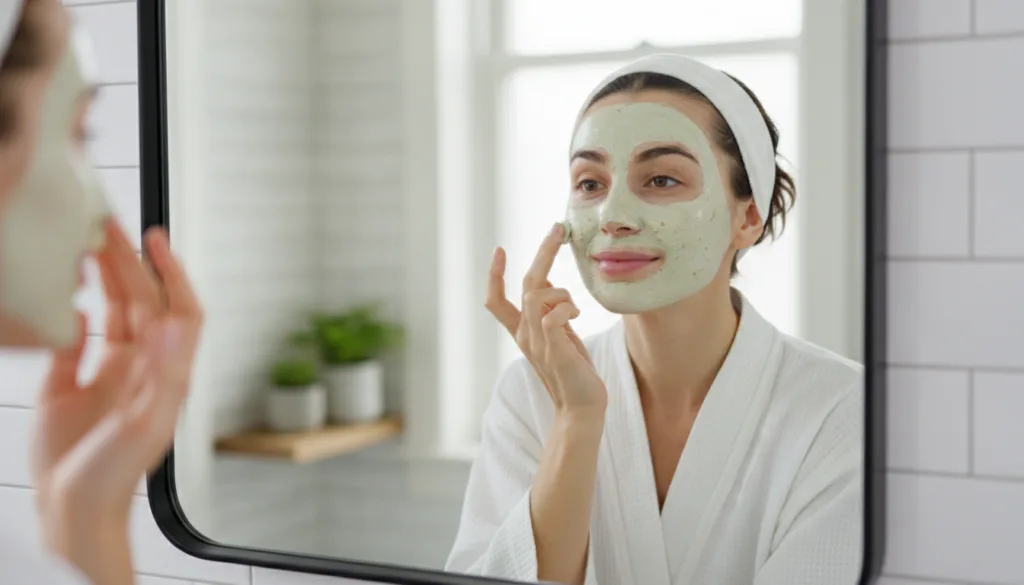
Embrace Natural Beauty Safely
The combination of lemon and petroleum jelly is a fascinating example of how everyday ingredients can be explored for beauty benefits. While the potential for brighter, smoother-looking skin is appealing, remember that safety and caution are paramount. Always listen to your skin, prioritize patch testing, and protect yourself from the sun.
Have you tried this combination or other DIY lemon remedies? Share your experiences and tips in the comments below!