Most people cherish the sweet, succulent fruit of the fig tree, but often overlook another fascinating part of this plant: its milky sap. This thick, white liquid, exuded when the fig fruit or stem is cut, has a long history in traditional folk remedies. It’s not about the fruit’s nutritional benefits; instead, we’re diving into the unique properties of the sap itself. But before you start squeezing, understanding how to safely collect and use this intriguing substance is paramount.
Ignoring crucial steps in harvesting or applying fig sap can lead to unexpected reactions. This guide will walk you through everything you need to know, from safe collection to cautious application, ensuring you harness its potential responsibly.
What Exactly is Fig Sap?
Fig sap, also known as fig latex, is the white, milky fluid found within the stems, leaves, and unripe fruits of the fig tree (Ficus carica). It’s a natural defense mechanism for the plant, containing enzymes like ficin, coumarins, and furocoumarins. These compounds give the sap its distinct properties, which are often the focus of its traditional use.
Unlike the sweet fruit, fig sap is not for internal consumption due to its potent compounds. Its historical applications have almost exclusively been topical, focusing on various skin concerns.
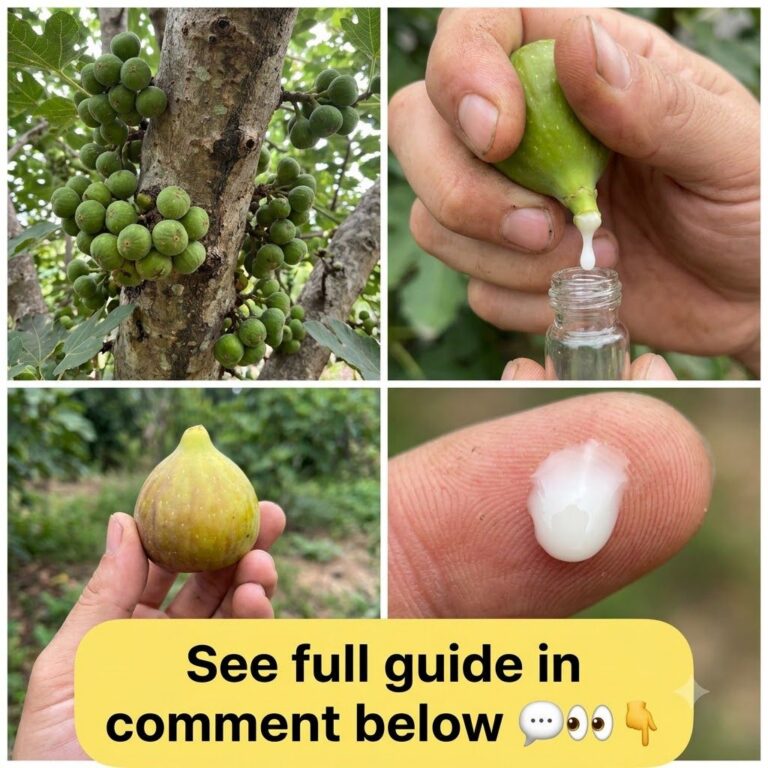
What You’ll Need for Fig Sap Collection
Collecting fig sap is a straightforward process, but requires a few key items to ensure safety and proper handling:
- Unripe Figs or Fig Stems: Choose healthy, green figs that are still firm, or young, green stems.
- Protective Gloves: Essential to prevent skin irritation from direct contact with the sap.
- Small, Clean Container: A glass vial, small jar, or ceramic bowl to collect the sap.
- Cotton Swabs or Small Brush: For precise application.
- Rubbing Alcohol or Soap and Water: For cleaning tools and any accidental skin contact.
Approximate Measurements for Collection
Fig sap is potent, and only small quantities are usually needed for topical applications. You won’t be collecting cups of it. Typically, squeezing a few unripe figs or snipping a few small stems will yield enough sap for immediate use or a small batch for storage. Expect to collect just a few drops to a teaspoon from several fruits or stems. Focus on quality and freshness over large volume.
Collecting Your Own Fig Sap: The Method
The goal is to extract the milky latex while minimizing contact with your skin. Always work in a well-ventilated area, preferably outdoors.
Step-by-Step Sap Collection
- Prepare Your Workspace: Lay down newspaper or a cloth to catch any drips. Have your container and gloves ready.
- Wear Gloves: Put on protective gloves before handling the figs or stems. This is crucial as fig sap can cause skin irritation or phototoxic reactions.
- Select Your Source: Choose several unripe, firm green figs directly from the tree, or select young, green stems. Avoid figs that are already softening or showing signs of ripening, as they produce less sap.
- Extract the Sap: If using figs, gently twist or snip the fig from the branch. A drop of milky sap will immediately appear at the point of detachment. Carefully hold the fig over your collection container and allow the sap to drip. For more sap, you can gently squeeze the fig or make a small incision with a clean knife (also protected by gloves). If using stems, snip a green stem with clean shears; sap will emerge from the cut end.
- Collect the Sap: Allow the sap to drip directly into your clean container. Collect only what you anticipate using.
- Clean Up: Immediately wash any tools used with soap and water or rubbing alcohol. If sap gets on your skin, wash it off thoroughly with soap and water.
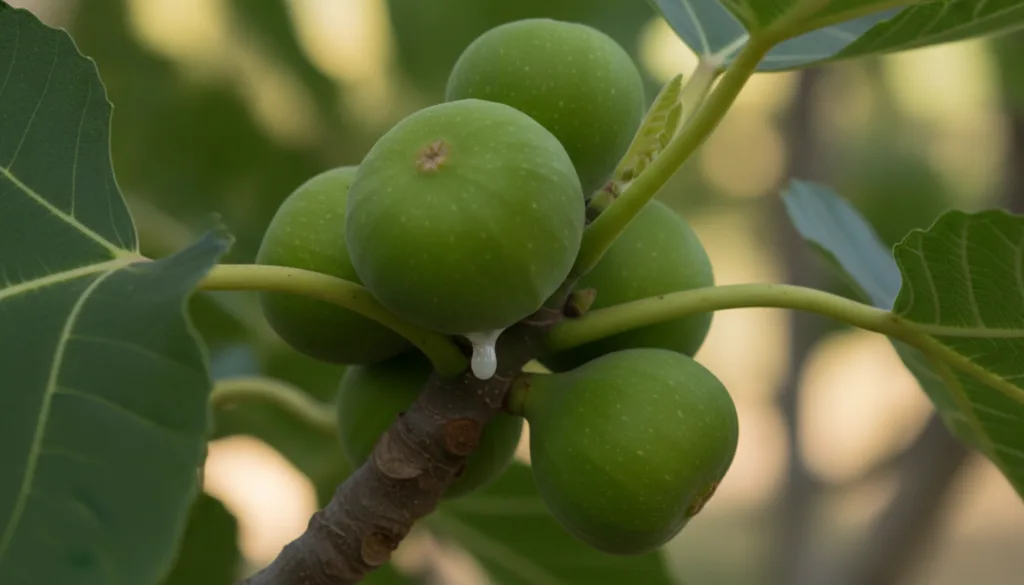
Here’s the Part Most People Skip: Safety First
Never collect fig sap without gloves. The compounds within can cause skin sensitivity, redness, and itching, especially when exposed to sunlight (phototoxicity). A little caution goes a long way in preventing uncomfortable reactions.
How to Use Fig Sap (Topically)
Once collected, fig sap is traditionally applied topically. Its most commonly cited traditional uses involve skin concerns. However, always remember that individual reactions vary significantly.
- Patch Test: Before any widespread application, apply a tiny drop of sap to a small, inconspicuous area of your skin (e.g., inner forearm). Cover it and wait 24 hours to observe any reaction. Discontinue use if redness, itching, or irritation occurs.
- Targeted Application: Using a cotton swab or a small brush, carefully apply a very small amount of sap directly to the specific area of concern. Avoid getting it on surrounding healthy skin.
- Frequency: Depending on the traditional use, application may range from once daily to every few days. Always start with less frequent application to gauge your skin’s response.
Quick Tip: Patch Testing is Key!
This step is non-negotiable for fig sap. Its potent nature means a patch test isn’t just a suggestion; it’s a necessity to prevent potential skin irritation or allergic reactions. Don’t skip it!
How Often to Use It
Due to its potent nature, fig sap is typically used sparingly and for short periods. For specific topical applications, traditional methods often suggest:
- Once Daily: For a few days, observing the skin’s reaction closely.
- Every Other Day: If daily application proves too intense or causes mild irritation.
- Discontinue: Immediately if any significant redness, burning, blistering, or discomfort occurs.
It’s generally not recommended for long-term or continuous use without professional guidance, due to the risk of irritation and sensitization.
Choosing Your Figs: Quality Matters
The quality of your fig source impacts the sap’s potency and safety. Here’s what to look for:
- Unripe, Green Figs: These contain the highest concentration of the active compounds in the sap.
- Healthy Plants: Ensure the fig tree is free from pests, diseases, and chemical sprays. Organic or wild-grown figs are ideal.
- Freshness: Use sap as fresh as possible. Its active compounds may degrade over time.
Storage Savvy
Fig sap is best used fresh. If you must store it, here’s how to do it properly:
- Small, Airtight Container: Use a very small, dark glass container with a tight-fitting lid to minimize air and light exposure.
- Refrigeration: Store the container in the refrigerator.
- Short Duration: Even with proper storage, aim to use the sap within 1-2 days. Its potency diminishes quickly. Freezing is generally not recommended as it can affect the sap’s consistency and efficacy.
Common Mistakes to Avoid
- Skipping Gloves: Direct skin contact with fig sap can cause irritation, especially for sensitive individuals.
- Applying to Broken Skin: Never apply fig sap to open wounds, cuts, or highly irritated skin.
- Over-Application: More is not better with fig sap. Use a very small, targeted amount.
- Ignoring Patch Test Results: If your skin reacts poorly to a patch test, do not proceed with wider application.
- Using Ripe Figs: Ripe figs contain significantly less active sap, making collection less effective.
- Internal Consumption: Fig sap is for external use only. Ingestion can be harmful.
- Sun Exposure After Application: Furocoumarins in fig sap can cause phototoxic reactions, meaning skin becomes highly sensitive to sunlight after application. Avoid sun exposure on treated areas.
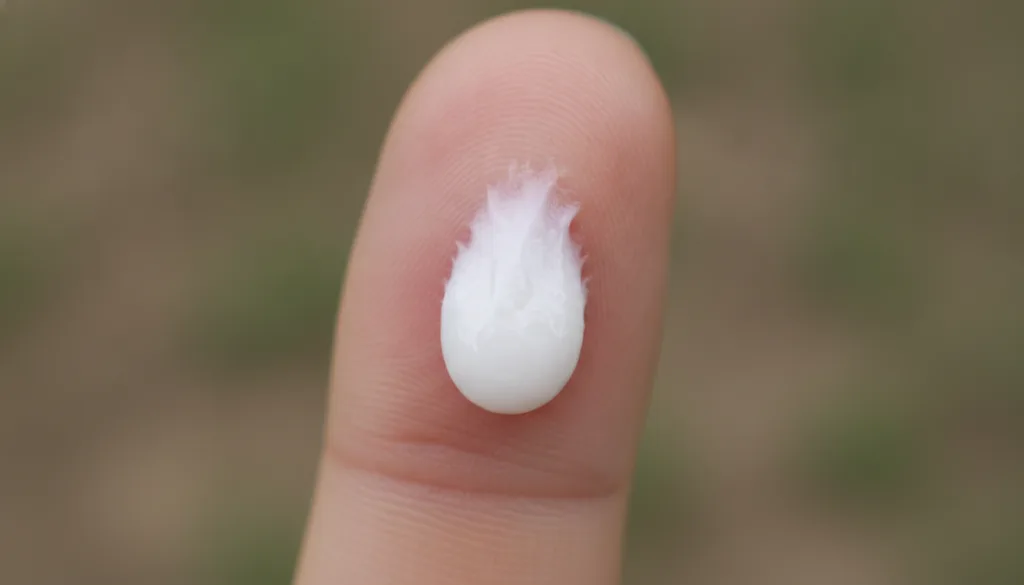
Fig Sap vs. Fig Leaf Tea: A Quick Guide
| Feature | Fig Sap | Fig Leaf Tea |
|---|---|---|
| Preparation | Collected directly from unripe fruit/stems | Brewed from dried or fresh fig leaves |
| Primary Use | External/topical application only | Internal (tea) or external (rinse/compress) |
| Key Compounds | Ficin, furocoumarins | Flavonoids, phenolics, some coumarins |
| Potency/Caution | Very potent; high risk of skin irritation/phototoxicity | Generally milder; less risk of direct irritation, but internal use needs caution |
| Storage | Best used fresh, very short shelf life in fridge | Dried leaves store well; tea is fresh for 1-2 days |
Cautions and Who Should Avoid Fig Sap
While traditional, fig sap is not for everyone. Exercise extreme caution:
- Sensitive Skin: Individuals with sensitive skin are more prone to irritation.
- Allergies: If you are allergic to figs, latex, or other plants in the Moraceae family (e.g., mulberry, jackfruit), avoid fig sap.
- Pregnant or Breastfeeding Individuals: Lack of safety data means it’s best to avoid use.
- Children: Not recommended for use on children due to skin sensitivity.
- Sun Exposure: Avoid direct sunlight on areas treated with fig sap for at least 24-48 hours due to phototoxicity.
- Internal Use: Never ingest fig sap. It is a skin irritant and not suitable for consumption.
Quick Summary
- Best Preparation: Freshly collected from unripe figs or green stems.
- Best Use-Case: Highly targeted, topical application for specific skin concerns (after patch testing).
- Storage: Best used immediately. Store small amounts in the fridge for no more than 1-2 days.
- When to Use: Sparingly, for short periods, and always with caution.
- What to Avoid: Direct skin contact without gloves, application to broken skin, internal use, sun exposure after application, and ignoring patch test results.
Frequently Asked Questions
- Can I use fresh or dried figs for sap?
Use fresh, unripe green figs or green stems for sap. Ripe or dried figs yield very little to no active sap. - How long does fig sap last once collected?
Fig sap is best used immediately. If stored in a cool, dark, airtight container in the refrigerator, use within 1-2 days for optimal potency. - Can I refrigerate fig sap?
Yes, refrigerate it in an airtight container for very short-term storage (1-2 days). - How often should I apply fig sap?
Start with once every other day, and never exceed once daily, always observing your skin’s reaction. Discontinue if irritation occurs. - What part of the fig tree is best for sap?
The unripe green fruits and young green stems contain the most potent sap. - Can I dilute fig sap to make it less irritating?
While dilution might reduce irritation, it can also reduce efficacy. It’s better to use a tiny, undiluted amount very precisely and conduct a thorough patch test. - Is fig sap safe for all skin types?
No, fig sap can be irritating, especially for sensitive skin types. Always perform a patch test first. - What should I do if I get fig sap on my eyes or mouth?
Immediately rinse thoroughly with plenty of water and seek medical attention if irritation persists.
Conclusion
Fig sap stands as a testament to the diverse potential found within nature, extending beyond the familiar fruit. While its traditional uses are compelling, respect its potent nature. Approaching fig sap with knowledge, caution, and proper technique ensures that you can explore this unique remedy safely and effectively. Remember, a careful, precise application after a thorough patch test is the key to harnessing its power without unwelcome surprises.
You may also like: DIY Herbal Skin Salves for Common Ailments
Read more: Natural Remedies for Minor Skin Irritations