Beyond the Mud: Crafting a Beautiful Backyard Waterfall Garden
Does a perpetually muddy patch under your downspout plague your home? Many gardeners see these areas as persistent problems, leading to unsightly erosion, soil compaction, and even potential foundation issues. But what if that troublesome runoff could become the centerpiece of a serene and vibrant garden feature? Imagine transforming that soggy spot into a dynamic backyard waterfall garden that springs to life with every rain shower, channeling water gracefully while adding significant beauty to your landscape. This guide will walk you through turning a drainage challenge into a stunning, sustainable garden asset, inspiring you to create a space that’s both functional and profoundly beautiful.
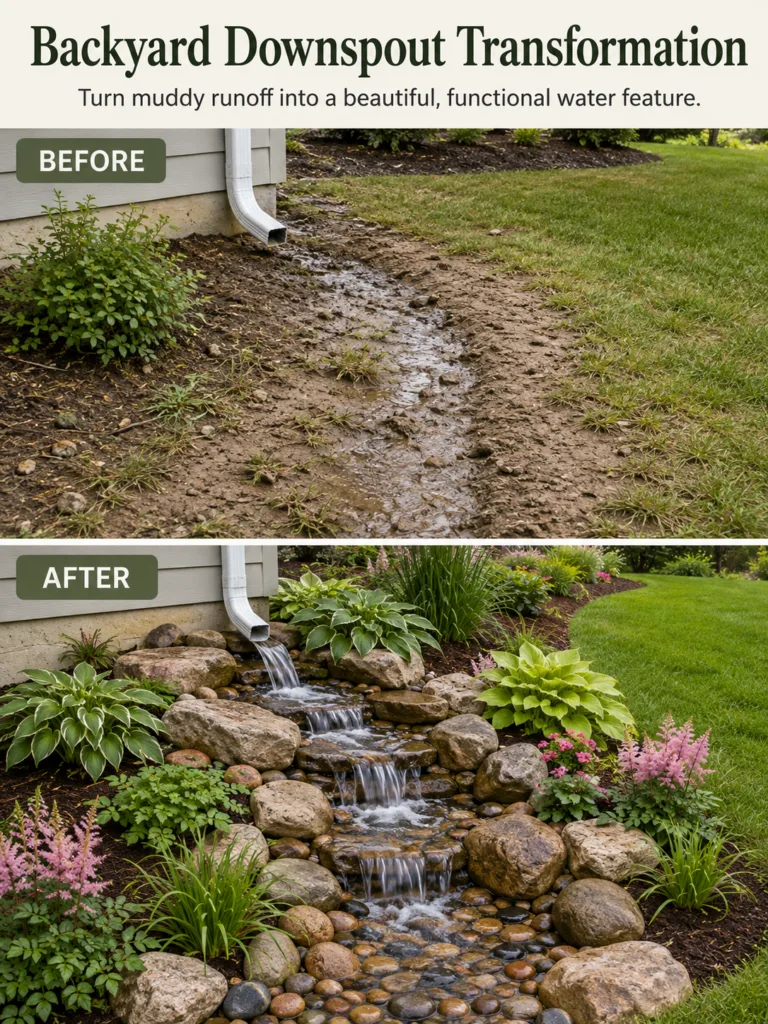
The Principle: Turning Stormwater into a Garden Feature
The core idea behind a downspout waterfall garden is simple yet brilliant: instead of letting rainwater become a destructive force, you harness it. This approach, often part of a broader stormwater management strategy, creates a natural channel that guides water away from your foundation while slowing its flow. This allows the water to percolate into the soil, nourishing plants and reducing runoff into storm drains. It’s an ecological win that also adds significant aesthetic appeal and value to your property. By designing with nature, you create a dynamic landscape that changes with the seasons and thrives on what was once considered a nuisance.
Planning Your Waterfall Garden Transformation
Careful planning is crucial for a successful and lasting water feature. Before digging, observe how water flows in your yard during a heavy rain. This will inform the best path for your waterfall. Consider the slope, the desired length, and the ultimate destination of the water (e.g., a rain garden, a larger landscape bed, or simply allowing it to diffuse into the lawn further away).
Design and Materials
- Site Assessment: Determine the amount of sunlight the area receives. Most downspout areas are near structures, often resulting in partial to full shade, which will dictate your plant choices.
- Grading: The ground should gently slope away from your house. You might need to add or remove some soil to create a natural-looking cascade.
- Liner: A durable pond liner (EPDM is excellent) is essential to direct the water flow and prevent erosion under your rocks. Overlap the edges generously and ensure it extends beyond the planned rockwork.
- Rocks and Boulders: Use a variety of sizes, from large boulders for structure and tiers to smaller river stones and gravel for the stream bed. Choose natural, local stones that complement your home and existing landscape.
- Drainage Layer: Beneath the stream bed, you’ll need a layer of gravel to help water filter through and create a stable base for your rocks.
- Connecting the Downspout: You can extend your downspout with PVC piping hidden under rocks or use a flexible drain pipe that feeds directly into the top of your waterfall feature. Ensure a smooth, splash-free transition.
Construction Steps
- Excavate: Dig a shallow trench for your stream bed, creating subtle changes in elevation for small cascades. Ensure it slopes away from the house.
- Install Liner: Lay your pond liner over the excavated area, smoothing out wrinkles and securing the edges temporarily with rocks.
- Place Boulders: Strategically position larger boulders to create defined tiers and small pools where water can collect briefly before spilling over.
- Arrange River Stones: Fill in the stream bed with various sizes of river stones and gravel, ensuring they cover the liner completely. Build up edges to contain the water flow.
- Test the Flow: Before planting, run water through your newly constructed channel to ensure it flows as intended, without leaks or unwanted pooling. Adjust rocks and liner as needed.
Selecting the Right Plants for Your Downspout Garden
The success of your waterfall garden hinges on choosing plants that thrive in the specific conditions – primarily shade and varying moisture levels. While the stream bed itself will be rocky, the surrounding soil will benefit from increased moisture, making it ideal for many shade-loving plants.
Hosta (Hosta spp.)
Hostas are the quintessential shade garden plant, beloved for their diverse foliage. They come in an incredible array of sizes, shapes, and colors, from deep greens to vibrant chartreuse, and many stunning variegated forms.
- Hardiness: USDA Zones 3–9, depending on the cultivar.
- Plant type: Perennial.
- Exposure: Partial to full shade. Too much direct sun can scorch leaves, especially for lighter-colored or variegated varieties.
- Height: 6 inches to 3 feet; Spread: 1 to 4 feet, varying widely by cultivar.
- Soil: Prefers rich, well-drained soil with consistent moisture. Tolerates heavier soils but good drainage is key to prevent root rot.
- Watering: Keep soil consistently moist, especially during dry spells. Established plants in a waterfall garden will benefit from the runoff.
- Practical Tip: Protect from slugs and snails, which can decimate leaves. Use organic slug bait or create barriers.
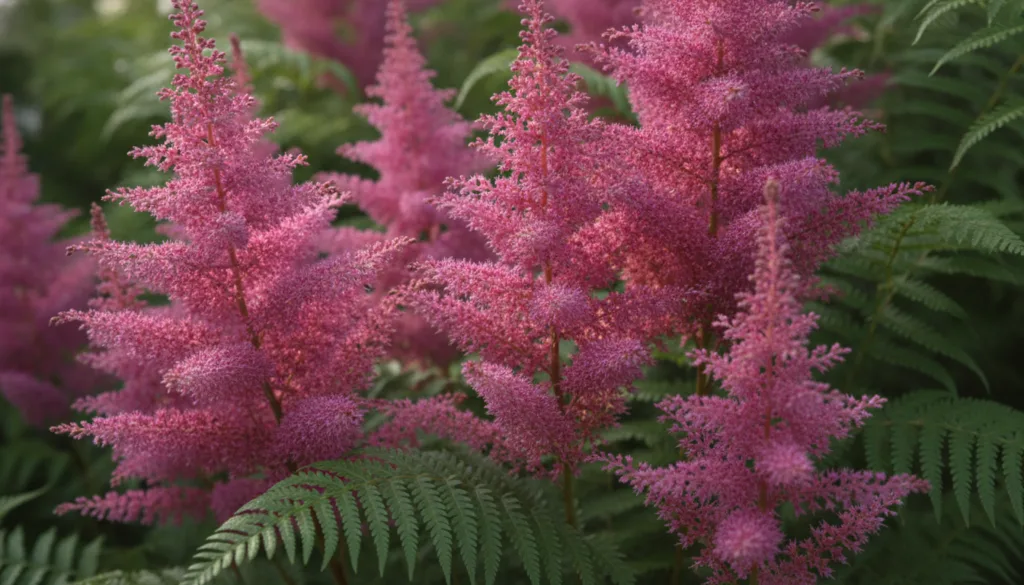
Astilbe (Astilbe spp.)
With their feathery, colorful plumes, Astilbes bring elegance and a pop of color to the shade garden. They thrive in consistently moist conditions, making them a perfect companion for a waterfall feature.
- Hardiness: USDA Zones 3–8.
- Plant type: Perennial.
- Exposure: Partial to full shade. Afternoon sun can scorch leaves and reduce bloom time, especially in warmer climates.
- Height: 1 to 4 feet; Spread: 1 to 2 feet, depending on the species and cultivar.
- Soil: Rich, organic, consistently moist, and well-drained soil. They do not tolerate dry conditions.
- Watering: Requires regular watering to keep the soil moist. Never allow the soil to dry out completely.
- Practical Tip: Deadhead spent flowers to encourage further blooming and maintain a tidy appearance, though some leave them for winter interest.
Ornamental Grasses (Shade-Tolerant Varieties)
Clumping ornamental grasses add texture, movement, and year-round interest. Look for varieties adapted to shade and moist conditions, such as Japanese forest grass (Hakonechloa macra), various sedges (Carex spp.), or some dwarf mondo grasses (Ophiopogon japonicus).
- Hardiness: Varies greatly by species (e.g., Hakonechloa is Zones 5–9, Carex often Zones 4–9).
- Plant type: Perennial.
- Exposure: Partial to full shade. Many shade grasses will burn in direct sun.
- Height: 6 inches to 2 feet; Spread: 1 to 2 feet.
- Soil: Prefers consistently moist, well-drained soil rich in organic matter.
- Watering: Keep soil moist, especially during establishment. Established plants benefit from regular rainfall and runoff.
- Practical Tip: Divide clumps every few years in spring to maintain vigor and expand your plantings.
Essential Plant Care for Your Waterfall Garden
Once your waterfall garden is established, ongoing care will ensure its beauty and health. The unique environment of a water feature requires specific attention:
- Initial Watering: Even with a downspout, new plantings need consistent manual watering until their root systems are established, especially during dry periods.
- Soil Health: Amend the soil around your plants with compost at planting time to improve drainage and moisture retention. Mulch with a layer of dark, shredded bark to conserve moisture, suppress weeds, and provide a clean backdrop.
- Fertilization: Most of these shade-loving perennials are not heavy feeders. A balanced, slow-release granular fertilizer in early spring is usually sufficient.
- Pruning: Remove any yellowing or damaged leaves from hostas throughout the season. Cut back astilbes and ornamental grasses in late winter or early spring before new growth emerges.
- Pest Management: Monitor plants for common shade garden pests like slugs and snails (especially on hostas). Use appropriate organic controls if needed, promoting a healthy ecosystem to deter major infestations.
Common Mistakes and How to Avoid Them
Even seasoned gardeners can stumble, especially with a project like a water feature. Here’s how to sidestep common pitfalls:
- Incorrect Grading: Failing to create a proper slope away from the house can lead to water pooling where it shouldn’t, defeating the purpose of the design. Ensure a gentle, continuous downward path for the water.
- Inadequate Liner Installation: Tears or insufficient overlap in the pond liner will result in leaks and continued erosion under your beautiful rocks. Double-check all seams and ensure the liner extends well beyond the water’s edge.
- Choosing the Wrong Plants: Selecting sun-loving plants or those that prefer truly boggy conditions will lead to disappointment. Stick to shade-loving, moisture-tolerant varieties that appreciate good drainage, like the ones discussed.
- Overcrowding: Plants need space to grow to their mature size. Research the mature spread of each plant and give them ample room for airflow and development to prevent disease.
- Neglecting Maintenance: While designed to be low-maintenance, periodically check for debris in the stream bed, remove fallen leaves, and ensure your downspout connection remains clear and effective.
Regional Considerations Across the U.S.
While the principles of a waterfall garden remain consistent, regional climates influence plant selection and seasonal timing:
- Northern Climates (USDA Zones 3-5): Choose the most cold-hardy varieties of hostas, astilbes, and ornamental grasses. Early spring is the ideal planting time after the last frost, allowing plants maximum time to establish before winter.
- Mid-Atlantic and Midwest (USDA Zones 6-8): A wide range of cultivars will thrive here. Be mindful of summer heat and ensure consistent moisture, especially during dry spells. Planting in spring or early fall is suitable.
- Southern and Western Regions (USDA Zones 9-11): While hostas and astilbes generally prefer cooler climates, some heat-tolerant varieties exist. Focus on providing maximum shade, especially from harsh afternoon sun, and ensure excellent drainage. Evergreen sedges and mondo grasses are often excellent choices. Winter planting is possible in frost-free areas.
Cultivating Beauty and Purpose
Transforming a muddy downspout area into a backyard waterfall garden is more than just a landscaping project; it’s an act of thoughtful gardening that enhances both the beauty and sustainability of your home. You’re not just moving water; you’re creating a vibrant ecosystem, supporting healthy soil, and adding a peaceful, dynamic element to your outdoor space. With a bit of planning and the right plant choices, you can turn a former problem spot into a cherished garden sanctuary. Step outside, observe your landscape, and let that muddy patch inspire your next green endeavor. Your garden—and your home—will thank you for it!