Are you looking for a simple, sustainable, and incredibly effective way to boost your garden’s health? Look no further than your kitchen waste! Eggshells, often discarded without a second thought, are a powerhouse of nutrients that can transform your plants, leading to a bountiful ‘Home Harvest’.
Many gardeners face challenges like struggling plants, poor soil, or pest problems. The good news is that sometimes, the best solutions are found right under our noses – or in our recycling bins! In this guide, we’ll dive into the amazing benefits of eggshells and show you how to turn this everyday waste into a valuable natural fertilizer for your thriving garden.
Why Eggshells Are a Garden Game-Changer
Eggshells are primarily composed of calcium carbonate, which is essential for plant health. Calcium plays a vital role in strengthening plant cell walls, leading to stronger stems, leaves, and roots. It also helps plants absorb other nutrients more efficiently and can prevent common issues like blossom end rot in tomatoes and peppers.
Beyond calcium, eggshells contain trace amounts of other beneficial minerals like magnesium, potassium, and phosphorus. When incorporated into your soil, they slowly release these nutrients, providing a long-lasting, gentle feeding for your plants. They also help to aerate compacted soil and can slightly raise the pH of acidic soil, creating a more balanced environment for many vegetables.
DIY Eggshell Fertilizer for Healthy Garden Vegetables
Making your own eggshell fertilizer is incredibly easy and requires minimal effort. Here’s your step-by-step guide:
Step 1: Collect and Clean Your Eggshells
Start saving your eggshells! Rinse them thoroughly under running water to remove any egg residue. This prevents odors and attracts unwanted pests.
Step 2: Dry the Eggshells
Drying is crucial to prevent mold and make them easier to crush. You can air-dry them on a tray for a few days, or if you’re in a hurry, bake them on a baking sheet at 200°F (93°C) for 10-15 minutes until they are completely dry and brittle. They should snap easily.
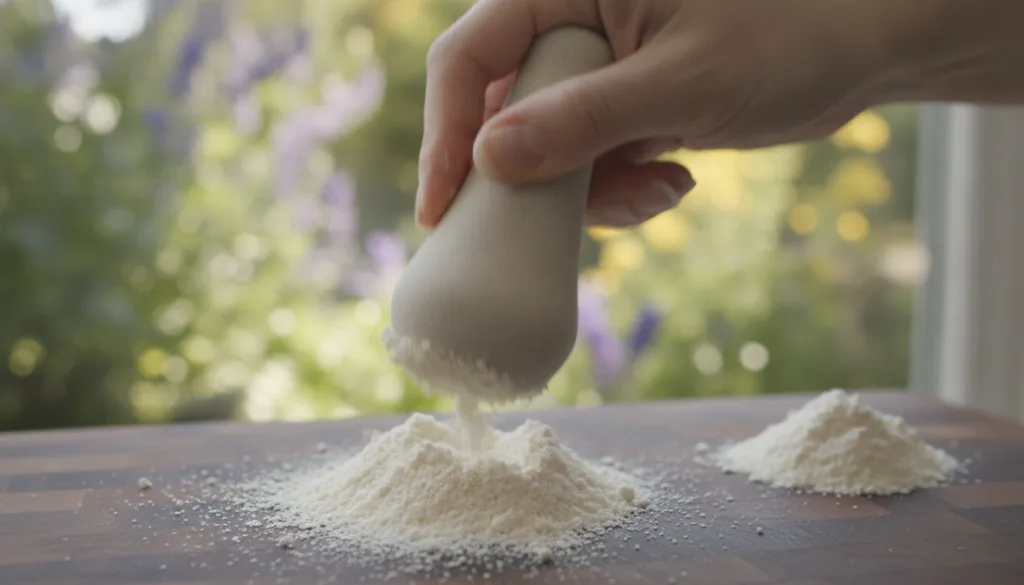
Step 3: Crush into a Fine Powder
The finer the powder, the quicker the nutrients will be released into the soil. You have a few options:
- Mortar and Pestle: Good for small batches and a satisfying process!
- Coffee Grinder: Excellent for achieving a very fine powder quickly.
- Blender or Food Processor: Effective for larger quantities, but ensure they are very dry to avoid gumming up the blades.
Aim for a consistency similar to sand or fine dust.
How to Use Your Eggshell Fertilizer
Once you have your eggshell powder, you can use it in several ways to benefit your garden:
1. Direct Soil Application
- For Planting: When planting new seedlings or transplants, sprinkle about 1 tablespoon of eggshell powder into the bottom of the planting hole before placing the plant.
- Around Established Plants: Sprinkle a generous amount (1/4 to 1/2 cup) around the base of calcium-loving plants like tomatoes, peppers, squash, and broccoli. Gently scratch it into the topsoil. Repeat every 2-4 weeks during the growing season.
2. Eggshell Water Infusion (Compost Tea)
This method provides a quicker calcium boost. Crush about a dozen eggshells and place them in a gallon of water. Let it steep for a week or two, stirring occasionally. Use this calcium-rich water to irrigate your plants, especially those showing signs of calcium deficiency.
3. Add to Compost Piles
Eggshells are a fantastic addition to your compost bin! They break down over time, enriching your compost with valuable minerals. Just be sure to crush them first to speed up the decomposition process.
Benefits for Your Home Harvest
Using eggshells can significantly improve the health and yield of your garden vegetables:
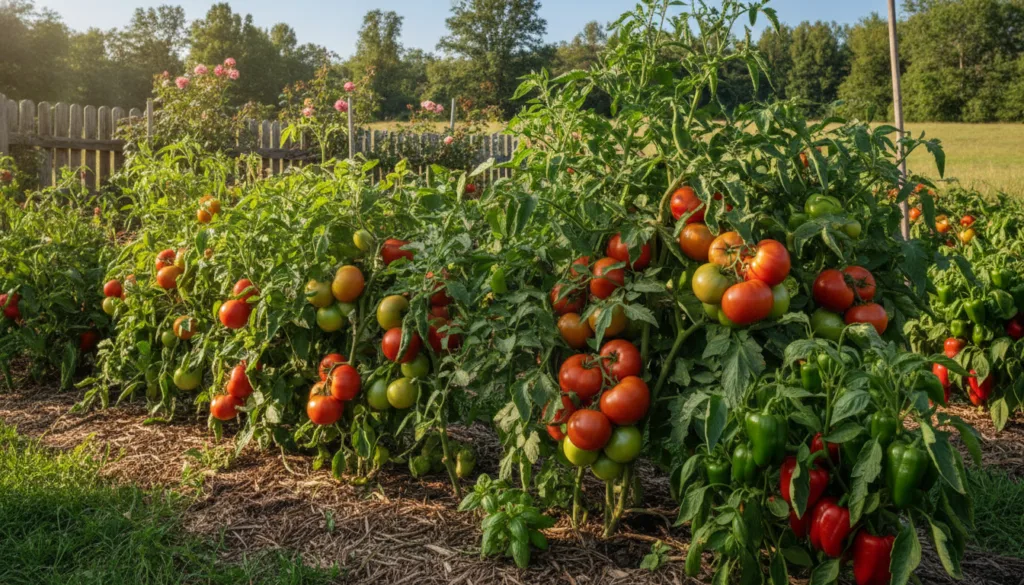
- Prevent Blossom End Rot: A common issue for tomatoes, peppers, and squash, caused by calcium deficiency. Eggshells provide the necessary calcium to prevent this unsightly problem.
- Stronger Plants: The calcium strengthens cell walls, making plants more resilient to diseases and pests.
- Healthier Soil: Improves soil structure and adds vital minerals, contributing to overall soil fertility.
- Eco-Friendly: Reduces kitchen waste and provides a completely natural, organic fertilizer, aligning perfectly with sustainable gardening practices.
Important Tips for Success
- Patience is Key: Eggshells break down slowly, so their effects are gradual and long-lasting. Don’t expect instant results, but enjoy the steady improvement.
- Not for All Plants: While most garden vegetables benefit from calcium, some acid-loving plants (like blueberries, rhododendrons, and azaleas) prefer lower pH soil and may not appreciate the addition of eggshells.
- Combine with Other Organic Matter: Eggshells are a great supplement, but they work best as part of a holistic soil management plan that includes compost and other organic fertilizers.
By incorporating eggshells into your gardening routine, you’re not only recycling a common household waste but also giving your plants a natural, powerful boost. Embrace this simple secret from nature and watch your garden flourish with healthy, vibrant growth, yielding a truly satisfying home harvest!