Ready to elevate your plant-based meals from good to unforgettable? The secret often lies in the art of spice pairing! For many, diving into the vast world of spices can feel overwhelming, but it’s one of the most rewarding journeys in cooking. This essential guide is here to transform your vegan culinary adventures, helping you unlock incredible flavors in every dish.
No more guessing which flavors go best with your favorite plant-based ingredients. Discover perfect pairings for lentils, beans, vegetables, grains, and more, making every meal burst with delicious, complex tastes. Elevate your home cooking effortlessly, enhancing both the flavor and nutritional value of your food!
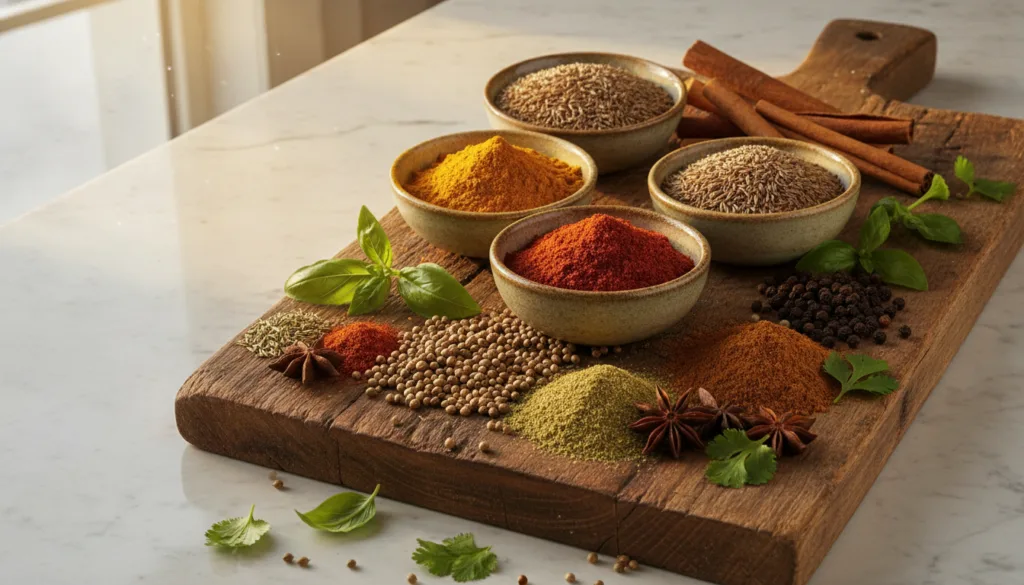
The Power of Spices in Vegan Cooking
Spices are much more than just flavor enhancers; they are nutritional powerhouses. Many contain potent antioxidants, anti-inflammatory compounds, and contribute to overall wellness. In plant-based cooking, spices are particularly vital for building depth, warmth, and excitement, transforming simple ingredients into gourmet experiences.
Beyond Flavor: Health Benefits of Spices
- Antioxidant Rich: Many spices like turmeric, cinnamon, and cloves are packed with antioxidants that protect your cells from damage.
- Anti-inflammatory Properties: Spices such as ginger and turmeric are renowned for their anti-inflammatory effects.
- Digestive Aid: Cumin, fennel, and caraway can aid digestion and alleviate discomfort.
- Natural Preservatives: Historically, spices were used for food preservation due to their antimicrobial properties.
Your Go-To Plant-Based Spice Pairing Chart
Let’s explore some common spice profiles and their ideal companions in the plant-based kitchen:
1. Earthy & Warm Spices
These spices bring a comforting, grounding warmth and often a rich, savory depth to dishes.
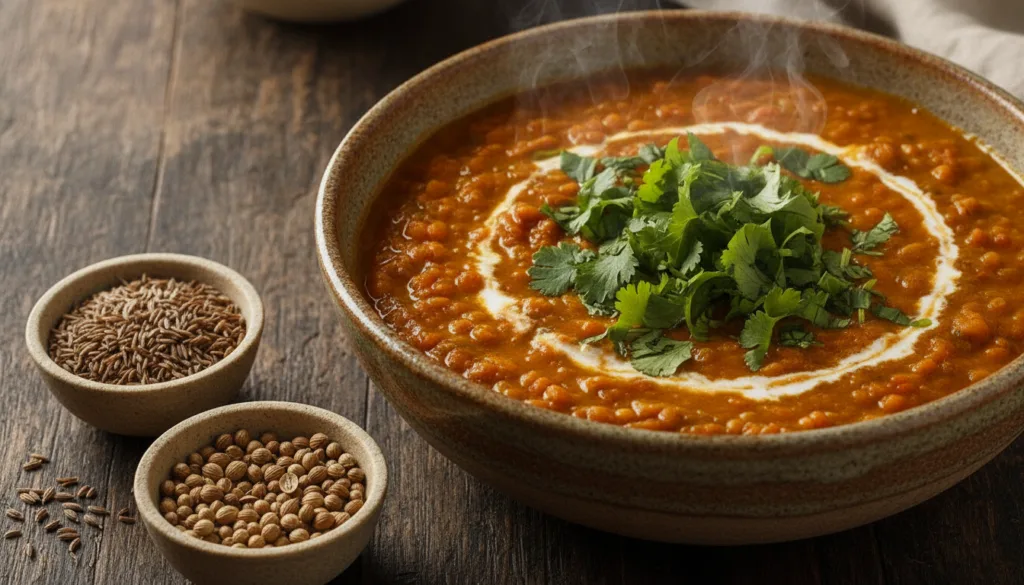
- Cumin: Earthy, pungent. Pairs beautifully with lentils, chickpeas, black beans, root vegetables (carrots, sweet potatoes), and rice dishes. Essential for curries, chili, and tacos.
- Coriander: Citrusy, nutty, warm. Great with lentils, quinoa, roasted cauliflower, kale, and mixed vegetable stir-fries.
- Smoked Paprika: Smoky, sweet, mildly spicy. Elevates tofu, tempeh, roasted potatoes, bell peppers, and bean stews. A must for vegan ‘chorizo’ or ‘bacon’ flavors.
- Turmeric: Earthy, slightly bitter, peppery. A staple for curries, golden milk, rice, and lentil dishes. Pairs well with leafy greens and ginger.
2. Herbaceous & Fresh Spices (Herbs)
These bring a vibrant, aromatic, and sometimes slightly bitter or peppery note, brightening up any meal.
- Basil: Sweet, peppery, aromatic. Ideal for tomato sauces, pesto (vegan version with nutritional yeast), fresh salads, and roasted vegetables like zucchini and eggplant.
- Oregano: Pungent, slightly bitter. A Mediterranean favorite for pasta sauces, pizza, roasted vegetables, and marinades for tofu or tempeh.
- Thyme: Earthy, minty, lemony. Excellent with roasted root vegetables, mushrooms, bean stews, and savory pies.
- Rosemary: Piney, woody, peppery. Best with roasted potatoes, sweet potatoes, mushrooms, and savory breads. Use sparingly as it can be potent.
3. Pungent & Zesty Spices
These spices offer a stimulating kick, adding brightness, heat, or a sharp aromatic edge.
- Garlic: Pungent, savory. Universal! Pairs with almost all savory vegan dishes, from stir-fries and pasta to roasted vegetables and dips.
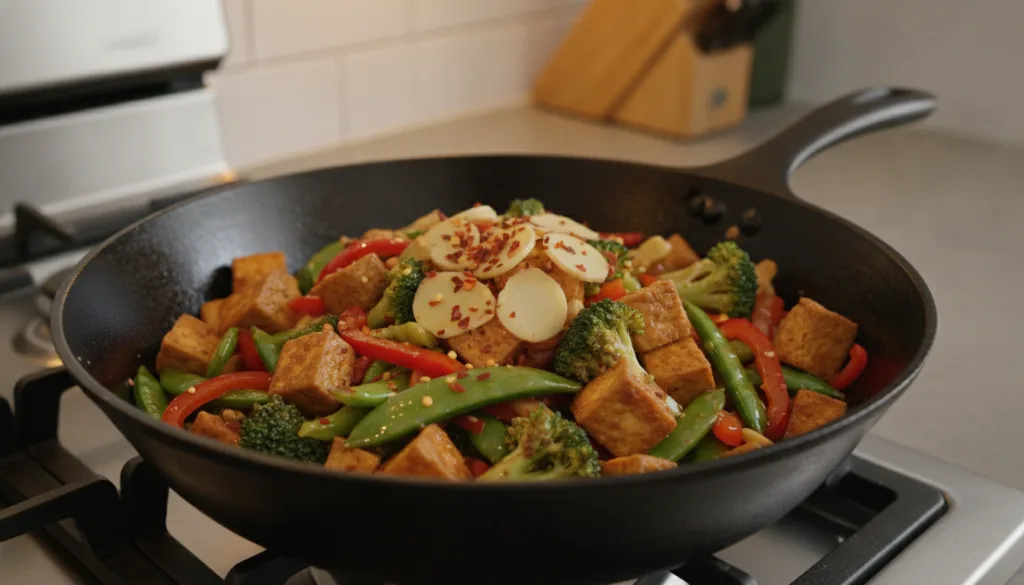
- Ginger: Spicy, sweet, aromatic. Fantastic in stir-fries, curries, marinades for tofu, salad dressings, and even some sweet applications like baked goods.
- Chili Powder/Flakes: Spicy, smoky (depending on type). Adds heat to beans, chili, tacos, stir-fries, and any dish needing a fiery kick.
- Lemon Zest: Bright, citrusy. While not a spice, it’s a powerful flavor enhancer. Use with green vegetables, pasta, dressings, and baked goods.
4. Sweet & Aromatic Spices
These spices often cross over into baking and desserts but can also add unexpected depth to savory dishes.
- Cinnamon: Sweet, warm, woody. Pairs with apples, squash, sweet potatoes, oatmeal, curries (especially Indian and North African), and baked goods.
- Nutmeg: Sweet, pungent, slightly musky. Excellent in creamy sauces (vegan béchamel), spinach dishes, baked goods, and warming beverages.
- Cardamom: Aromatic, floral, citrusy. Popular in Indian and Middle Eastern cooking, perfect for rice puddings, coffee, and sometimes even savory stews with sweet undertones.
Tips for Mastering Spice Pairing
- Taste as You Go: Start with a small amount and add more. It’s easier to add than to remove!
- Toast Whole Spices: Briefly toasting whole spices in a dry pan enhances their aroma and flavor before grinding or adding to a dish.
- Layer Flavors: Add different spices at various stages of cooking. Some benefit from being added early (e.g., cumin in oil), while others are best added towards the end (e.g., fresh herbs).
- Consider Cuisine: Familiarize yourself with common spice combinations in different world cuisines to guide your pairings.
- Experiment! The best way to learn is by trying new combinations. Keep notes on what you love.
Embracing the world of spices will truly revolutionize your plant-based cooking. Not only will your meals become more flavorful and exciting, but you’ll also be boosting their nutritional profile. So, open your spice cabinet, get creative, and make every dish burst with incredible taste!