Do you dream of a lush, vibrant garden but feel limited by a tiny backyard, a small patio, or even just a balcony? You’re not alone! Many aspiring gardeners face the challenge of space constraints, but here’s a secret: you don’t need acres of land to grow beautiful flowers, fresh herbs, or delicious vegetables. Welcome to the wonderful world of vertical gardening!
Vertical gardening is a revolutionary way to cultivate plants upwards, making the most of every square inch. It’s perfect for urban dwellers, apartment residents, or anyone looking to maximize their green space. Get ready to transform your walls, fences, and railings into thriving edible or ornamental displays!
What is Vertical Gardening?
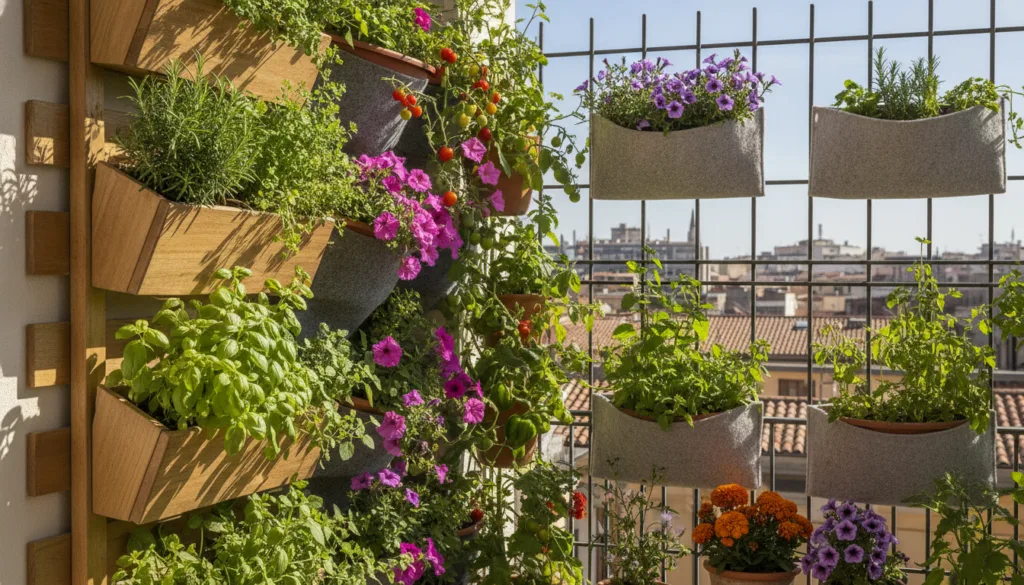
Simply put, vertical gardening involves growing plants on a vertically suspended panel or structure, rather than in traditional horizontal beds. Instead of spreading out, your garden goes up! This innovative method utilizes vertical space, allowing you to grow more in a smaller footprint. Think of it as painting a living mural with plants!
Why Go Vertical? The Benefits You’ll Love
Beyond saving space, vertical gardening offers a host of fantastic advantages:
- Space Efficiency: This is the big one! Vertical gardens are a game-changer for small patios, balconies, rooftops, and even indoor walls.
- Increased Yields: By utilizing vertical planes, you can grow a larger quantity of plants than you would in a conventional garden of the same footprint.
- Accessibility: Growing plants at eye level or waist height reduces bending and kneeling, making gardening easier for everyone, including those with mobility challenges.
- Pest and Disease Reduction: Keeping plants off the ground can help reduce soil-borne pests and diseases, and improve air circulation.
- Aesthetics: Vertical gardens are incredibly beautiful! They can hide unsightly walls, add privacy, and create stunning living art pieces.
- Water Conservation: Many vertical systems are designed to be water-efficient, with water flowing downwards, nourishing plants on successive levels.
Types of Vertical Garden Systems
There are many creative ways to set up a vertical garden. Here are a few popular options:
Stacking Planters
These systems feature multiple planters that stack one on top of the other, often in a tiered or tower-like fashion. They are great for strawberries, herbs, and leafy greens.
Wall-Mounted Planters/Pockets
Fabric pockets, modular panels, or individual containers can be mounted directly onto walls or fences. This method is highly versatile and allows for intricate designs.
Trellises and Arbors
While often used for climbing plants in traditional gardens, trellises are inherently vertical. They support vining vegetables like cucumbers, beans, and peas, and flowering vines.
Pallet Gardens
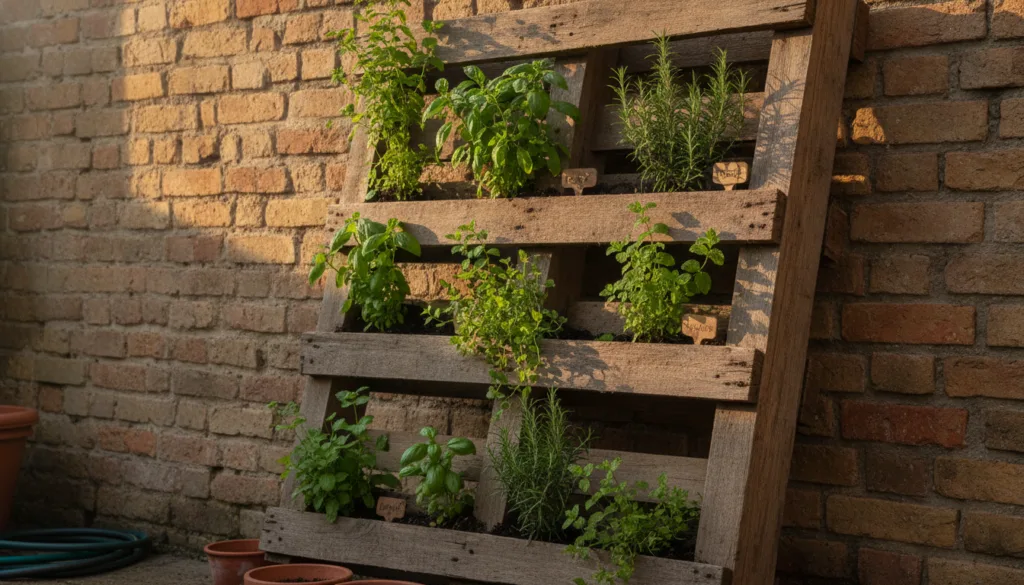
Repurposed wooden pallets can be transformed into rustic, budget-friendly vertical planters. They’re perfect for herbs and shallow-rooted plants.
Choosing the Right Plants for Your Vertical Oasis
Not all plants are suited for vertical life, but many thrive! Look for plants that are compact, have shallow root systems, or are natural climbers.
- Herbs: Basil, mint, chives, parsley, oregano, thyme, rosemary.
- Leafy Greens: Lettuce varieties, spinach, kale, Swiss chard.
- Strawberries: Perfect for hanging or cascading down tiers.
- Small Vegetables: Bush beans, peas, cherry tomatoes (determinate varieties), radishes, small peppers.
- Flowers: Petunias, nasturtiums, impatiens, pansies, violas, small ferns.
Setting Up Your Vertical Garden: A Step-by-Step Guide
1. Choose Your Location
Consider sunlight exposure – most plants need at least 6 hours of direct sun daily. Also, think about accessibility for watering and harvesting.
2. Select Your System and Materials
Decide whether you’ll buy a ready-made system or DIY one. Gather your containers (pots, fabric pockets, repurposed items), a sturdy frame or mounting hardware, and good quality potting mix.
3. Prepare Your Soil
Use a lightweight, well-draining potting mix. For vertical gardens, retaining moisture without becoming waterlogged is key. You might want to add some perlite or vermiculite.
4. Plant Your Seedlings or Seeds
Gently place your plants into their designated spots. For wall-mounted systems, consider planting slightly smaller starts to make handling easier. Ensure adequate spacing for growth.
5. Water Thoroughly
After planting, give your vertical garden a good, thorough watering. Ensure water reaches all the root systems.
Care and Maintenance Tips for a Thriving Vertical Garden
- Watering: Vertical gardens tend to dry out faster than in-ground gardens. Check moisture levels daily, especially in hot or windy weather. Drip irrigation or self-watering systems can be a lifesaver.
- Feeding: As nutrients leach out with frequent watering, regular feeding with a balanced liquid fertilizer is important, especially for fruiting and flowering plants.
- Pruning and Harvesting: Trim back leggy growth and harvest regularly to encourage new production and keep plants healthy.
- Pest Watch: Keep an eye out for pests and address them promptly with organic pest control methods. Good air circulation in vertical gardens can naturally deter some issues.
- Rotation: If possible, rotate your crops each season to prevent nutrient depletion and pest buildup.
Ready to Grow Up?
Vertical gardening is an incredibly rewarding way to expand your gardening horizons, no matter how much space you have. It’s an art form, a practical solution, and a sustainable practice all rolled into one. So, grab your gardening gloves and start planning your vertical masterpiece today. Your green thumb is waiting to reach new heights!
What will you grow first in your vertical garden? Share your ideas in the comments below!