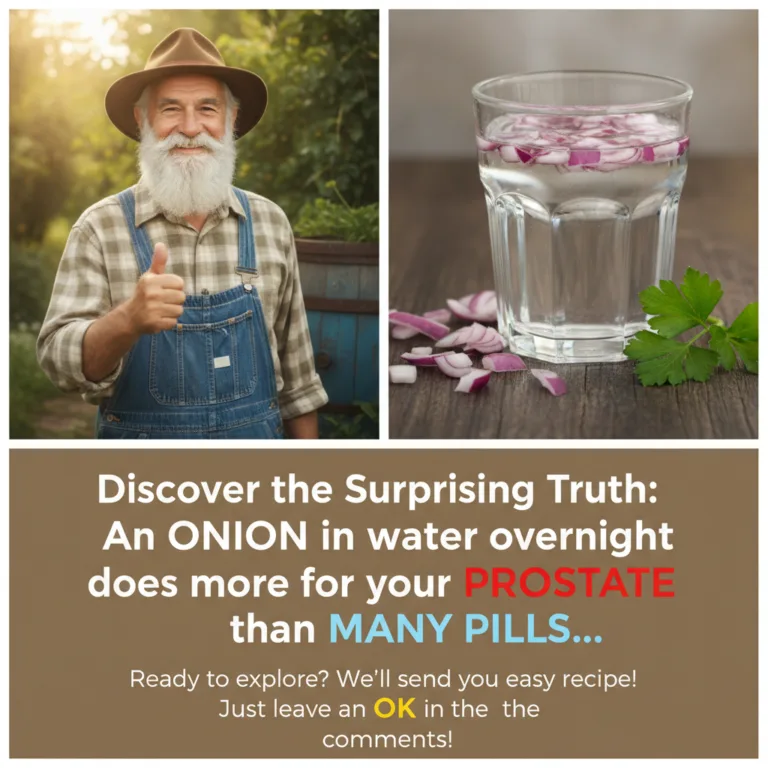
Discover the Surprising Truth: Overnight Onion Water for Prostate Health?
Have you ever wondered if the simplest ingredients in your kitchen hold secrets to better health? In a world full of complex remedies, sometimes the most humble of foods capture our attention for their unexpected potential. Today, we’re diving into a topic that’s been sparking curiosity: the idea of “onion water” and its potential connection to prostate health. Could a simple onion, steeped in water overnight, offer a natural path to supporting your well-being?
Why This Matters: The Quest for Natural Prostate Support
As we navigate the journey of aging, maintaining vitality and health becomes a priority, and prostate health is a significant concern for many men, especially those over 35. It’s a topic that often leads people to research extensively, seeking proactive ways to support their bodies naturally.
In this quest, common kitchen staples frequently emerge as subjects of interest. Onions, known for their pungent flavor and culinary versatility, have also been a part of traditional remedies for centuries. The idea that something so accessible could offer meaningful support for an important health area like the prostate is, understandably, quite appealing. People are drawn to natural, non-invasive approaches that feel aligned with a holistic wellness philosophy.
The Power of the Onion: Understanding Its Potential
So, what exactly makes the humble onion such a fascinating subject in the world of natural wellness? Beyond its distinctive taste, onions are packed with beneficial compounds that have been studied for their wider health implications.
Nutritional Compounds: More Than Just Flavor
Onions are rich in:
- Quercetin: A potent flavonoid antioxidant, quercetin is well-known for its anti-inflammatory properties. It’s found in high concentrations in red and yellow onions, particularly in the outer layers.
- Sulfur Compounds: These are responsible for the onion’s characteristic aroma and sharp taste. They also possess antioxidant and anti-inflammatory effects.
- Vitamin C: An essential vitamin that supports immune function and acts as an antioxidant.
- Folate and Vitamin B6: Important for various metabolic processes.
Traditional Uses
Historically, onions have been used in various traditional medicine systems for a wide array of ailments. They were often consumed for their believed antiseptic, anti-inflammatory, and immune-boosting properties. From soothing coughs to supporting digestion, onions have held a place in folk remedies across cultures.
Modern Understanding & Prostate Health
When it comes to prostate health, it’s important to distinguish between traditional beliefs and scientific evidence. While direct, specific studies on “onion water” for prostate health are limited, research into the compounds found in onions offers some intriguing insights:
- Anti-inflammatory Action: Chronic inflammation is thought to play a role in various health issues, including some prostate conditions. The quercetin and sulfur compounds in onions may help to reduce inflammation in the body, potentially contributing to overall cellular health.
- Antioxidant Benefits: Antioxidants protect cells from damage caused by free radicals. The antioxidants in onions may help maintain healthy cells throughout the body, including the prostate.
- General Wellness: Including nutrient-dense foods like onions in your diet supports overall health, which in turn can contribute to the healthy functioning of all bodily systems.
It’s crucial to remember that while these properties are beneficial for general health, onion water is not a medical treatment for prostate conditions, nor should it replace professional medical advice or prescribed medications. However, incorporating onions into a balanced diet can be a wonderful way to support your body’s natural defenses.
Your Practical Guide to Making Overnight Onion Water
If you’re curious to explore this simple remedy, here’s how to prepare “overnight onion water.” It’s incredibly easy to make a small batch to see if it’s something you’d like to include in your wellness routine.
Ingredients:
- 1 medium-sized onion (red or yellow, organic if possible)
- 2-3 cups of filtered water
Preparation:
- Wash the Onion: Thoroughly wash the onion under running water.
- Chop or Slice: Peel the onion and chop it into small pieces or thin slices. The goal is to maximize the surface area for the beneficial compounds to seep into the water.
- Combine: Place the chopped onion in a clean glass jar or pitcher. Pour the filtered water over the onion pieces.
- Steep Overnight: Cover the container and let it sit at room temperature or in the refrigerator overnight (for at least 8-12 hours). This allows the water to absorb the onion’s beneficial compounds.
- Strain: The next morning, strain the onion pieces out of the water using a fine-mesh sieve. You’ll be left with onion-infused water.
Usage Ideas & Serving Suggestions:
- Drink It Plain: You can drink a small glass (4-6 ounces) of the strained onion water on an empty stomach in the morning, or spread it throughout the day.
- Add Flavor: If the taste is too strong for you, try adding a squeeze of fresh lemon juice, a dash of raw honey, or a few mint leaves to make it more palatable.
- Frequency: Start with a small amount (e.g., 4 oz) once a day for a few days to see how your body reacts. Some people may enjoy it daily, while others prefer it a few times a week.
Storage:
Store any leftover onion water in an airtight container in the refrigerator for up to 2-3 days.
Safety & Precautions: Important Considerations
While onions are generally safe for most people when consumed as food, it’s always wise to be mindful of potential precautions, especially when consuming them in concentrated forms like onion water.
- Digestive Sensitivity: Some individuals may experience digestive discomfort such as gas, bloating, or heartburn, particularly if they have a sensitive stomach or IBS. Start with a small amount to assess your tolerance.
- Blood Thinners: Onions contain compounds that may have mild anti-platelet effects, which could theoretically interact with blood-thinning medications (anticoagulants). If you are on such medication, consult your healthcare provider before regularly consuming onion water.
- Allergies: If you have an allergy to onions or other alliums (like garlic or leeks), you should avoid onion water.
- Pregnancy & Breastfeeding: While culinary use of onions is safe, consuming large or concentrated amounts during pregnancy or breastfeeding is best discussed with a healthcare professional.
- Existing Medical Conditions: If you have any underlying health conditions, especially those related to the prostate, or are taking any medications, it is always best to consult your doctor before making significant changes to your diet or trying new remedies. Onion water is not a substitute for medical diagnosis or treatment.
Key Takeaways
- Onion water is a simple, traditional remedy gaining attention for its potential wellness benefits.
- Onions are rich in beneficial compounds like quercetin and sulfur, known for their antioxidant and anti-inflammatory properties.
- These compounds may contribute to general cellular health and support the body’s natural functions.
- While not a cure or treatment, onion water can be explored as part of a holistic, healthy lifestyle.
- Always practice caution, start with small amounts, and consult a healthcare professional, especially if you have existing health conditions or are on medication.
FAQ
Does onion water really help the prostate?
While there’s no direct scientific evidence proving onion water cures or specifically treats prostate conditions, onions contain compounds like quercetin and sulfur which have antioxidant and anti-inflammatory properties that may support overall cellular health. Many natural wellness enthusiasts believe this general support could benefit prostate health.
How often should I drink onion water?
If you choose to incorporate onion water into your routine, start with a small amount (e.g., 4-6 ounces) once a day. You can adjust the frequency based on how your body feels and your personal preference, but generally, moderation is key.
Are there any side effects of drinking onion water?
Some people may experience digestive discomfort such as gas, bloating, or heartburn. Individuals on blood-thinning medications should consult a doctor due to the onion’s mild anti-platelet effects. Always listen to your body.
What type of onion is best for making onion water?
Both red and yellow onions are excellent choices. Red onions tend to have higher concentrations of certain antioxidants, particularly quercetin, which may make them a popular choice for this remedy.
Related Reading
- The Anti-Inflammatory Power of Quercetin: Foods & Benefits
- Herbal Remedies for Digestive Wellness: A Gentle Guide
- Eating for Healthy Aging: Top Foods to Include in Your Diet
- Boost Your Immunity Naturally: Simple Kitchen Staples