Most People Miss This Herb’s Potential. Do You?
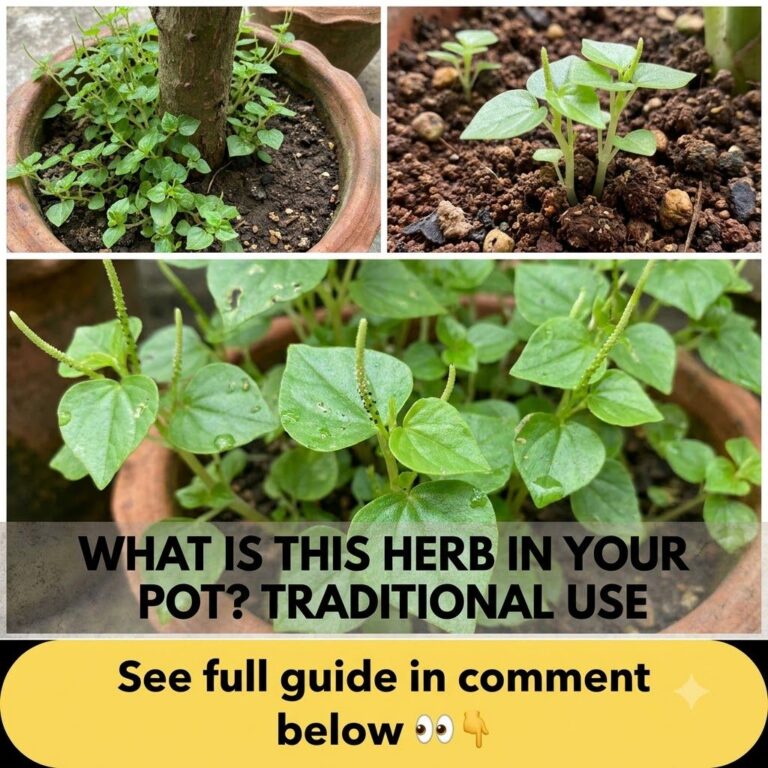
You might have seen it. A small, unassuming plant with glossy, heart-shaped leaves and thin, upright flower spikes, often sprouting unexpectedly in your garden beds or even in potted plants. Most people would mistake it for a common weed and quickly discard it. But what if this ‘weed’ is actually a powerhouse of traditional remedies, a hidden gem waiting to be rediscovered right in your own backyard or pot?
This article unveils the secrets of Peperomia pellucida, commonly known as Pansit-pansitan, Shiny Bush, or Clearweed. Often overlooked, this herb has a rich history in folk medicine across various cultures. Forget complicated preparations; many of its traditional uses are surprisingly simple to recreate at home. Let’s dig into how you can identify, prepare, and use this common plant for practical, everyday remedies.
What is Pansit-pansitan?
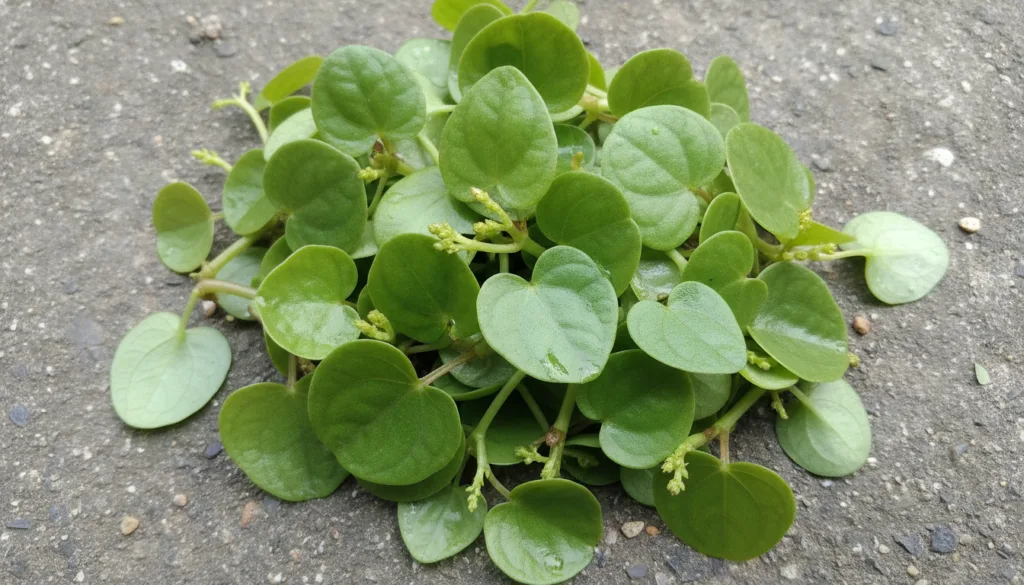
Peperomia pellucida is an annual herbaceous plant belonging to the Piperaceae family, making it a relative of black pepper. It typically grows to about 15-45 cm in height, characterized by its succulent stems and vibrant, heart-shaped leaves. Its distinctive feature is its slender, almost translucent flower spikes that bear tiny, seed-like fruits. It thrives in shaded, moist environments, often found growing wild in tropical and subtropical regions. Many people consider it an invasive weed, yet its widespread availability makes it an accessible ingredient for traditional preparations.
Why is it called ‘Shiny Bush’?
The name ‘Shiny Bush’ comes from its glossy, somewhat succulent leaves that reflect light. ‘Pansit-pansitan’ is its common name in the Philippines, where it is extensively used in traditional medicine.
Ingredients for Pansit-pansitan Remedies
The primary ingredient, of course, is the plant itself. For most remedies, you’ll need fresh leaves and stems. Depending on the preparation, you might also need:
- Clean water (filtered or distilled is best)
- A clean pot or saucepan
- A blender or mortar and pestle
- Clean cloth or gauze for poultices
Approximate Measurements for Common Preparations
Accurate measurements are key for effective home remedies. Here are guidelines for two popular methods:
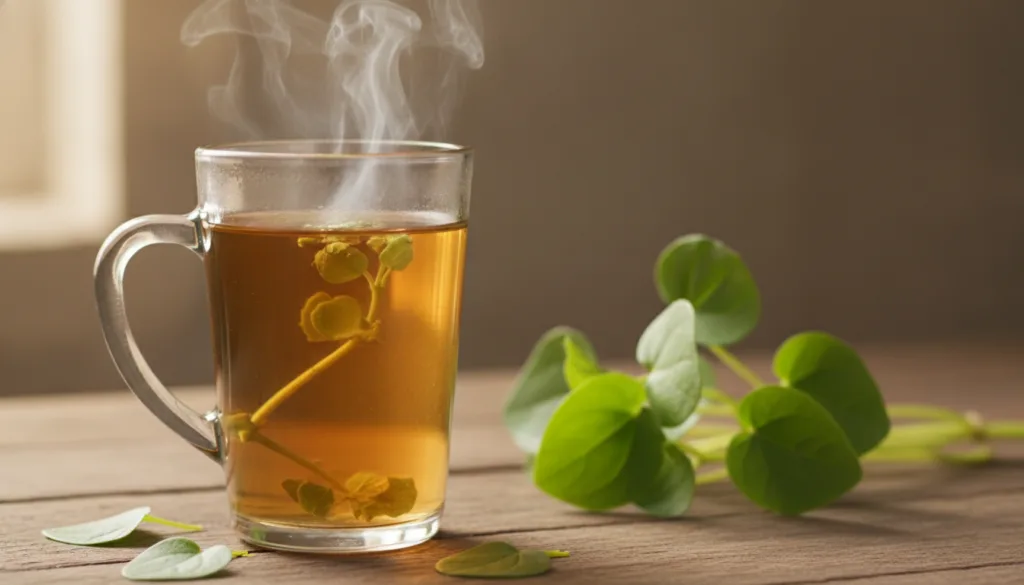
Pansit-pansitan Tea (Infusion)
- Fresh Leaves & Stems: Approximately 1 cup (packed) or 30-50 grams
- Water: 2 cups (500 ml)
Pansit-pansitan Fresh Juice (Extract)
- Fresh Leaves & Stems: Approximately 1.5-2 cups (packed) or 50-80 grams
- Water: 1/4 cup (60 ml) (optional, for blending)
Pansit-pansitan Poultice / Compress
- Fresh Leaves & Stems: Enough to cover the affected area (e.g., 1/2 cup for a small compress)
Formulas and Step-by-Step Methods
1. Pansit-pansitan Tea (Infusion)
This is a gentle way to extract the plant’s compounds, ideal for internal use.
Method:
- Harvest: Gather about 1 cup (packed) of fresh Peperomia pellucida leaves and stems. Rinse them thoroughly under cold running water to remove any dirt or insects.
- Chop (Optional): Roughly chop the leaves and stems to increase surface area for extraction.
- Boil Water: Bring 2 cups of clean water to a rolling boil in a saucepan.
- Infuse: Remove the water from heat. Add the chopped Pansit-pansitan to the hot water.
- Steep: Cover the saucepan and let it steep for 10-15 minutes. This prevents the volatile compounds from escaping.
- Strain: Strain the liquid into a cup, discarding the plant material.
- Serve: Allow it to cool slightly before drinking. You may add a touch of honey if desired, but avoid sugar for best results.
2. Fresh Pansit-pansitan Juice
This method provides a more concentrated extract, often used for stronger traditional applications.
Method:
- Harvest & Clean: Collect 1.5-2 cups (packed) of fresh Pansit-pansitan. Wash thoroughly.
- Blend: Place the cleaned leaves and stems into a blender. Add 1/4 cup of water (or less, if your blender can handle it) to help facilitate blending.
- Blend until Smooth: Process until a smooth pulp is formed.
- Strain: Pour the pulp into a fine-mesh sieve or cheesecloth placed over a bowl. Squeeze firmly to extract all the liquid.
- Collect: Collect the fresh juice.
- Use Immediately: This juice is best used fresh for maximum potency.
3. Pansit-pansitan Poultice / Compress
Ideal for external application directly onto the skin.
Method:
- Harvest & Clean: Gather enough fresh Pansit-pansitan leaves and stems to cover the affected area. Wash thoroughly.
- Crush: Using a mortar and pestle, or by finely chopping and mashing, crush the plant material until a moist pulp is formed. You can add a tiny amount of water if it’s too dry.
- Apply: Directly apply the crushed plant material onto the skin of the affected area.
- Cover (Optional): Cover with a clean cloth or gauze to keep the poultice in place.
- Secure: Secure the compress with a bandage or tape.
How to Use Pansit-pansitan Remedies
Internal Use (Tea, Juice):
- For General Wellness: Drink the tea once or twice a day.
- For Concentrated Effect: Take the fresh juice in small doses (e.g., 1-2 tablespoons) once a day.
External Use (Poultice, Compress):
- For Skin Irritations or Minor Swelling: Apply the poultice directly to the affected area. Change the compress every 2-4 hours, or as needed.
How Often to Use
For most traditional uses, internal remedies like tea or juice are taken once or twice daily for a period of up to a week. For external applications, poultices can be changed several times a day until symptoms subside. It’s generally recommended to use these remedies for short durations and observe your body’s response.
How to Choose & Buy Ingredients (or Harvest)
The best way to get Pansit-pansitan is to harvest it fresh yourself. It’s often found growing wild as a common ‘weed’ in gardens, moist shaded areas, and even cracks in pavement. Look for vibrant green, healthy plants free from discoloration or pests.
- Harvesting: Gently pull the entire plant, including the roots if possible, or snip the stems near the base.
- Identification: Ensure you correctly identify Peperomia pellucida. Look for the heart-shaped, glossy leaves, succulent stems, and characteristic thin flower spikes. When in doubt, consult a local herbalist.
- Buying: While not commonly sold in mainstream markets, some specialty Asian or herbal stores might carry dried Pansit-pansitan. Always check the source and quality.
Quick Tip: Fresh vs. Dried
Fresh Pansit-pansitan is generally preferred for its higher moisture content and intact volatile compounds, especially for juice or poultices. Dried versions can be used for tea, but potency might be reduced.
Storage
- Fresh Leaves & Stems: Store fresh Pansit-pansitan in a plastic bag in the refrigerator for up to 3-5 days. Wash just before use.
- Prepared Tea: Consume within 24 hours. Reheating is not recommended as it can degrade compounds.
- Fresh Juice: Use immediately. It can be stored in an airtight container in the refrigerator for a few hours, but potency decreases rapidly.
- Dried Pansit-pansitan: If you dry the plant (hang in a well-ventilated, shaded area until crisp), store it in an airtight container away from direct sunlight and moisture for up to 6 months.
Practical Tips
- Harvest Responsibly: If harvesting wild, ensure the area is free from pesticides, herbicides, or heavy pollution (e.g., roadsides).
- Cleanliness: Always thoroughly wash your harvested plants before preparation.
- Start Small: When trying any new herbal remedy, begin with smaller doses to observe your body’s reaction.
- Consistency: For best results, use preparations consistently as recommended for the desired duration.
Common Mistakes
- Misidentification: Mistaking Peperomia pellucida for another plant, which can lead to ineffective or even harmful results.
- Using Contaminated Plants: Harvesting from areas sprayed with chemicals or near heavy traffic.
- Boiling Instead of Steeping: For tea, boiling the leaves can destroy delicate compounds. Steeping off the heat is better.
- Improper Storage: Allowing fresh leaves to wilt or spoil, or dried leaves to get damp, reduces potency and can introduce mold.
- Overuse: Assuming more is better. Stick to recommended dosages and durations.
Cautions / Who Should Avoid It
While generally considered safe for traditional use, some precautions are advised:
- Pregnancy and Breastfeeding: There is limited scientific data on its safety during pregnancy and lactation. It’s best to avoid use.
- Allergies: Individuals with known allergies to plants in the Piperaceae family should exercise caution.
- Medication Interactions: Pansit-pansitan may have diuretic properties or affect blood clotting. Consult a healthcare professional if you are on diuretics, blood thinners, or have underlying health conditions.
- Children: Use with caution and preferably under professional guidance.
Always consult a healthcare provider before starting any new herbal remedy, especially if you have pre-existing health conditions or are taking medication.
Quick Summary
Pansit-pansitan (Peperomia pellucida) is a common herb with traditional uses for general wellness. It’s best used fresh for teas, juices, or poultices. Harvest from clean areas, wash thoroughly, and follow preparation guidelines. Store fresh leaves for a few days in the fridge and use preparations immediately. Always be mindful of proper identification and potential cautions.
- Best Preparation: Freshly prepared tea, juice, or poultice.
- Best Use-Case: General wellness, topical applications.
- Storage: Fresh leaves refrigerated for 3-5 days; preparations best used immediately.
- When to Use: Short-term, as needed, with observation.
- What to Avoid: Contaminated plants, misidentification, excessive use, prolonged boiling.
FAQ
Q1: Can I use dried Pansit-pansitan for tea?
A: Yes, you can. However, fresh leaves are generally preferred for maximum potency, especially for juice or poultices. Dried leaves can be used for tea, but you might need a slightly larger quantity.
Q2: How long does fresh Pansit-pansitan tea last?
A: It’s best to consume Pansit-pansitan tea within 24 hours of preparation. For optimal potency and freshness, drink it while warm or at room temperature shortly after making it.
Q3: Can I refrigerate the fresh juice?
A: Fresh juice is most potent when consumed immediately. You can refrigerate it in an airtight container for a few hours, but its beneficial compounds degrade rapidly, so immediate consumption is recommended.
Q4: How often should I use Pansit-pansitan remedies?
A: For general wellness, traditional use often involves once or twice daily for up to a week. For external applications, change the compress every 2-4 hours. Always listen to your body and consult a professional for prolonged use.
Q5: What part of the plant is best to use?
A: The entire aerial part of the plant, including leaves and stems, is typically used for remedies. Ensure they are healthy and vibrant green.
Q6: Can I grow Pansit-pansitan at home?
A: Yes, it’s quite easy to grow. It often self-seeds and thrives in moist, shaded conditions. You can collect seeds or transplant a small plant from a wild source into a pot with well-draining soil.
Q7: Is it safe for pets?
A: There is limited information on the safety of Pansit-pansitan for pets. It’s always best to keep herbal remedies out of reach of animals and consult a veterinarian before giving them any herbal preparations.
Embrace the Green in Your Pot
The next time you spot that unassuming green plant with heart-shaped leaves in your garden or a forgotten pot, take a closer look. What many dismiss as a common weed, Peperomia pellucida, or Pansit-pansitan, holds a place in traditional remedies worth exploring. With simple preparation methods for teas, juices, and poultices, you can responsibly harness its potential for practical home use.
By understanding how to identify, prepare, and apply this ‘hidden gem,’ you’re not just weeding; you’re cultivating a connection to age-old wisdom right from your own green spaces. Always remember to prioritize safety, proper identification, and consulting healthcare professionals when needed.
You may also like: DIY Herbal Poultices: A Beginner’s Guide
Read more: Exploring Natural Diuretic Herbs