Power Up Your Health: Top Potassium Foods for Active Balance
In the quest for optimal health, certain minerals play a starring role in keeping our bodies functioning at their best. Among these vital nutrients is potassium, an essential mineral often overlooked but crucial for maintaining overall well-being. From regulating blood pressure to supporting muscle and nerve function, potassium is a true powerhouse.
But where do you find this incredible mineral? The good news is that many delicious and accessible foods are loaded with potassium. Join us as we explore the essential role of potassium in your body and discover some of the top potassium-rich foods you can easily incorporate into your daily diet.
The Essential Role of Potassium in Your Body
Potassium is one of the seven essential macrominerals. Your body needs at least 100 milligrams of macrominerals daily. These minerals perform various functions, including maintaining fluid balance, nerve signals, and muscle contractions. Here’s a closer look at its key roles:
- Blood Pressure Regulation: Potassium may help to balance the effects of sodium in the body, which can be crucial for maintaining healthy blood pressure levels. It supports the relaxation of blood vessel walls, potentially helping to lower blood pressure.
- Muscle Function: This mineral is vital for healthy muscle contraction, including the most important muscle of all – your heart. Adequate potassium intake is essential for proper heart rhythm and overall muscle performance.
- Nerve Signals: Potassium plays a critical role in nerve impulse transmission, allowing cells to communicate effectively. This is fundamental for everything from thought processes to body movements.
- Fluid Balance: Working with sodium, potassium helps maintain the proper balance of fluids inside and outside your cells, which is essential for hydration and cellular function.
When potassium levels are too low (a condition known as hypokalemia), it can lead to symptoms like muscle weakness, fatigue, and even heart rhythm disturbances. Ensuring you get enough potassium through your diet is a simple yet powerful way to support your body’s complex systems.
Top Potassium-Rich Foods to Boost Your Wellness
Eating a varied diet rich in fruits, vegetables, legumes, and lean proteins is the best way to ensure you’re getting enough potassium. Here are some of the top foods that pack a potassium punch:
White Beans: A Legume Powerhouse
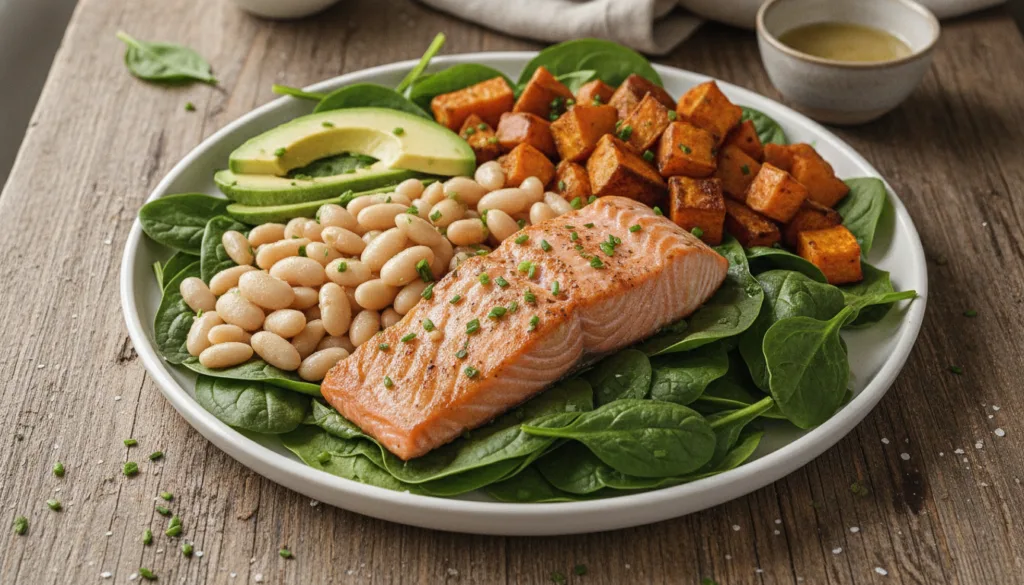
Don’t underestimate the humble white bean! These legumes are incredibly versatile and are among the top sources of potassium. Just one cup of cooked white beans can provide a significant portion of your daily recommended intake. They’re also an excellent source of fiber and plant-based protein, making them a fantastic addition to soups, stews, and salads.
Spinach: The Green Leafy Giant
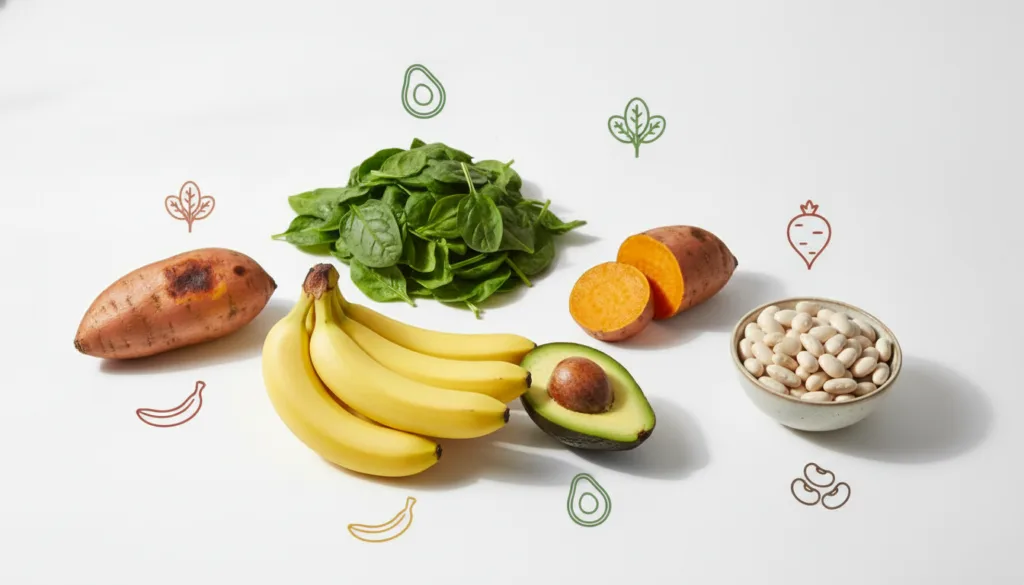
Known for its nutrient density, spinach is a leafy green vegetable that offers a generous amount of potassium along with vitamins A and K, and iron. Whether enjoyed raw in a salad, sautéed as a side dish, or blended into a smoothie, spinach is an easy and delicious way to boost your potassium intake.
Salmon: Omega-3s and Potassium Combined
Beyond its well-known omega-3 fatty acids, salmon is also a great source of potassium. This fatty fish provides a healthy dose of this mineral, along with high-quality protein and vitamin D. Including salmon in your diet a few times a week can support heart health, brain function, and overall well-being.
Avocados: Creamy and Nutrient-Dense
The creamy, delicious avocado is not only rich in healthy monounsaturated fats but also boasts an impressive potassium content. One medium avocado contains more potassium than a banana! They are also packed with fiber and various vitamins, making them an excellent addition to toasts, salads, and smoothies.
Sweet Potatoes: A Versatile Root Vegetable
Sweet potatoes are a fantastic source of complex carbohydrates, fiber, and, you guessed it, potassium! A medium sweet potato can provide a substantial amount of this mineral. They are incredibly versatile, perfect roasted, baked, mashed, or even in fries, offering a naturally sweet and nutritious option.
Bananas: The Classic Potassium Source
Perhaps the most famous potassium-rich food, bananas are a convenient and popular choice. One medium banana provides a good amount of potassium, making it an ideal snack for an energy boost or after a workout to replenish electrolytes.
Lentils: Hearty and Healthy
Like other legumes, lentils are a nutritional powerhouse, offering ample protein, fiber, and potassium. These small but mighty legumes are perfect for vegetarian and vegan diets, contributing to hearty soups, curries, and salads.
Plain Yogurt: Dairy Goodness
Plain yogurt, especially Greek yogurt, is a good source of potassium, in addition to being rich in probiotics and calcium. It’s a versatile food that can be enjoyed for breakfast, as a snack, or incorporated into savory dishes and dressings.
Tomatoes: Juicy and Beneficial
Whether fresh, cooked, or in sauce form, tomatoes are a flavorful source of potassium. They also contain lycopene, an antioxidant associated with various health benefits. Incorporating tomatoes into your meals is a tasty way to boost your mineral intake.
Oranges: Citrus Zest for Health
Known for their vitamin C content, oranges also provide a decent amount of potassium. Enjoying a fresh orange or a glass of 100% orange juice can contribute to your daily potassium needs while offering a refreshing burst of flavor.
Incorporating More Potassium into Your Diet
Making potassium a regular part of your diet is easier than you think. Here are some practical tips:
- Start Your Day Right: Add sliced bananas or spinach to your morning smoothie or oatmeal.
- Snack Smart: Grab an apple with a tablespoon of peanut butter, a handful of almonds, or a small container of yogurt.
- Vary Your Vegetables: Include a variety of colorful vegetables in your meals. Think sweet potatoes, spinach, and tomatoes.
- Legumes for Lunch/Dinner: Incorporate white beans into your chili or lentils into a hearty soup.
- Fish for Dinner: Enjoy salmon or other fatty fish a few times a week.
Important Considerations and When to Consult a Professional
While increasing potassium through whole foods is generally safe and beneficial for most healthy individuals, it’s important to be mindful of your overall health. Individuals with kidney disease or those taking certain medications (like ACE inhibitors or potassium-sparing diuretics) should consult their healthcare provider before significantly increasing their potassium intake, as too much potassium can be harmful in these cases. Always remember that dietary changes should complement, not replace, professional medical advice.
Conclusion
Potassium is an undeniable hero in the world of essential minerals, working tirelessly behind the scenes to keep our bodies in active balance. By consciously incorporating a variety of potassium-rich foods into your daily meals, you’re taking a significant step towards supporting healthy blood pressure, robust muscle function, and overall vitality. Empower your health by making these delicious foods a regular part of your wellness journey!
Disclaimer: This article is for informational purposes only and does not constitute medical advice. Always consult with a qualified healthcare professional for any health concerns or before making any changes to your diet or treatment plan.