Most people focus on popular herbs, missing out on potent, lesser-known botanicals that have supported wellness for centuries. One such powerhouse is Saussurea costus, an intriguing root cherished in traditional practices, particularly for its impact on liver and digestive health. While the plant’s distinctive flower might catch your eye, it’s the hidden root that holds the true key to its historical uses.
Understanding how to properly prepare and use this unique root can make a significant difference in harnessing its full potential. One small preparation mistake, however, can diminish its effectiveness, turning a beneficial remedy into a wasted effort. This guide cuts through the common confusion, providing you with a clear, practical approach to integrating Saussurea costus into your wellness routine for liver and digestive support.
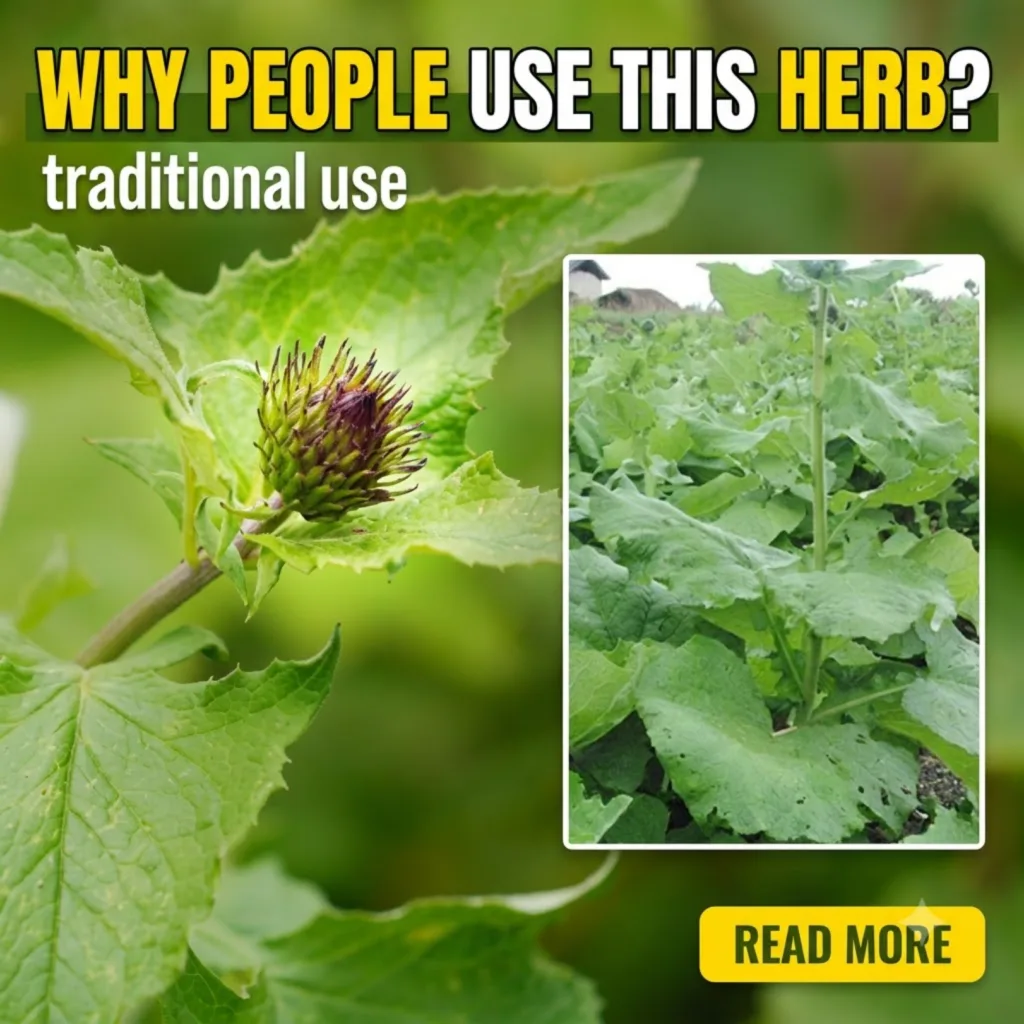 The distinctive flower of Saussurea costus, a plant traditionally valued for its root.
What is Saussurea Costus?
Saussurea costus, commonly known as Costus Root or Kuth, is a tall, perennial herb native to the Himalayan region. It belongs to the Asteraceae family, the same family as sunflowers and daisies. While the entire plant has its uses, it’s the aromatic, fibrous root that is most prized in traditional systems like Ayurveda and Traditional Chinese Medicine. The root is known for its strong, distinctive aroma and a slightly bitter, pungent taste.
Historically, it has been revered for its warming properties and its ability to support the body’s natural processes, particularly those related to detoxification and digestion. Modern interest in Saussurea costus often centers on its potential to aid liver function and promote digestive comfort, making it a valuable addition to natural wellness practices.
How to Choose and Prepare Saussurea Costus Root Powder
The most common and convenient way to use Saussurea costus is in powdered form, derived from the dried root. Quality is paramount to ensure efficacy and safety.
Ingredients
- Dried Saussurea Costus Root (whole or sliced)
- Optional: Mortar and pestle or a high-quality spice grinder
Approximate Measurements
For a basic preparation, you’ll want a sufficient quantity of dried root to create a usable powder. A good starting point is:
- 50-100 grams of dried Saussurea Costus root
Formula / Recipe: Preparing Saussurea Costus Root Powder
Making your own powder ensures freshness and purity, though you can also purchase pre-powdered root from reputable suppliers.
- Inspect the Root: Before grinding, carefully examine the dried roots. They should be clean, firm, and free from mold, insect damage, or discoloration. High-quality roots will have a strong, earthy, slightly spicy aroma.
- Break into Smaller Pieces: If you have whole roots, break or chop them into smaller, more manageable pieces. This makes grinding easier and prevents damage to your equipment. You can use a clean hammer or a strong knife for this.
- Grind Thoroughly: Place the smaller root pieces into a sturdy spice grinder, coffee grinder (dedicated solely for herbs), or a powerful blender. Grind in short bursts to prevent overheating, which can degrade the root’s beneficial compounds. Continue grinding until you achieve a fine, consistent powder.
- Sieve (Optional but Recommended): For a very fine powder, pass the ground material through a fine-mesh sieve. Any larger pieces can be re-ground.
Quick Tip
Always dedicate a grinder solely for herbs and spices. Using a coffee grinder for Saussurea costus and then for your morning coffee can lead to unwanted flavor transfer and potential cross-contamination.
How to Use Saussurea Costus Powder
Once you have the fine powder, there are several ways to incorporate it into your routine, primarily focused on internal use for liver and digestive support.
For Digestive Support
- As a Tea: Mix ½ to 1 teaspoon of Saussurea costus powder into 1 cup of hot water. Let it steep for 5-10 minutes, stir well, and drink. You can add a touch of honey or maple syrup to mask the bitter taste if desired. This is best consumed before or after meals to aid digestion.
- In Capsules: If the taste is too strong, you can fill empty vegetarian capsules with the powder. This provides a convenient and tasteless way to consume the herb.
- Mixed with Food: A small amount (e.g., ¼ teaspoon) can be mixed into a smoothie, yogurt, or applesauce, though the strong flavor can still be noticeable.
For Liver Support
While often used in conjunction with other liver-supporting herbs, Saussurea costus can be taken individually. The tea or capsule method is suitable. Consistent, low-dose use is often preferred for long-term liver health support, but always consult with a healthcare professional, especially if you have pre-existing liver conditions.
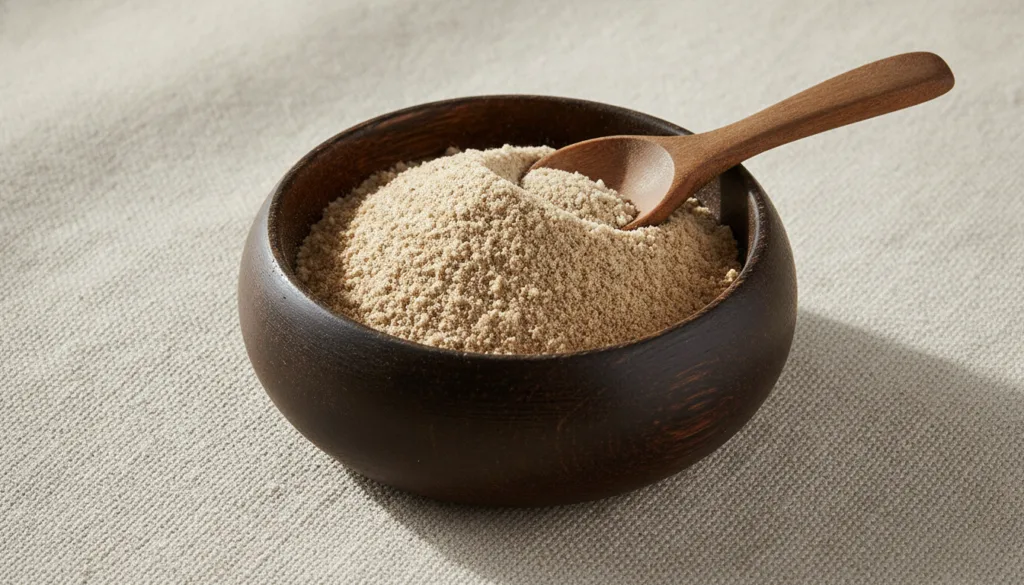 Freshly ground Saussurea costus root powder, ready for use.
How Often to Use
For general wellness and digestive support, ½ to 1 teaspoon of powder, taken 1-2 times daily, is a common starting point. For specific conditions, it’s crucial to consult with a qualified herbalist or healthcare provider for personalized dosage and frequency recommendations. Consistency is key, but avoid exceeding recommended dosages without professional guidance.
How to Buy / How to Choose Ingredients
Sourcing high-quality Saussurea costus is essential for both effectiveness and safety.
- Reputable Suppliers: Always purchase from organic and trusted herbal suppliers who can provide certificates of analysis for purity and potency. Look for companies that test for heavy metals, pesticides, and microbial contaminants.
- Form: You can buy it as whole dried root, cut and sifted pieces, or fine powder. Whole roots offer the highest assurance of authenticity, but powder is more convenient.
- Sustainability: Due to overharvesting, Saussurea costus is an endangered species in some regions. Inquire about sustainable sourcing practices to ensure you’re not contributing to environmental harm. Ethically wild-harvested or cultivated varieties are preferable.
Storage
Proper storage maintains the potency and extends the shelf life of your Saussurea costus powder.
- Airtight Container: Store the powder in a dark, airtight glass jar.
- Cool, Dark Place: Keep it away from direct sunlight, heat, and moisture, which can degrade its active compounds. A cupboard or pantry is ideal.
- Shelf Life: Properly stored, dried root powder can last for 1-2 years, though it’s best to use it within one year for optimal potency.
Common Mistake
Storing herbal powders in clear plastic bags or containers exposed to light and air is a common error. This quickly leads to degradation of the active compounds and can introduce moisture, encouraging mold growth.
Practical Tips
- Combine with Ginger: For enhanced digestive warmth, Saussurea costus can be combined with a pinch of ginger powder.
- Taste Management: If the bitter taste is challenging, encapsulating the powder is an excellent option. Alternatively, a small amount of licorice root powder can be added to the tea to naturally sweeten it and potentially enhance digestive benefits.
- Start Low, Go Slow: Begin with a smaller dose and gradually increase it as your body adjusts, monitoring for any reactions.
FormRecommended UseTasteStorage Life (optimal)Dried Root (whole/cut)Grinding for powder, decoctionsStrong, bitter, pungent2-3 yearsPowderTeas, capsules, mixed with foodStrong, bitter, pungent1-2 yearsTincture/ExtractConcentrated doses (pre-made)Varies by solvent3-5 years
Common Mistakes
- Using the Wrong Species: There are other plants that share similar common names. Always ensure you are purchasing and using authentic Saussurea costus.
- Overdosing: While beneficial, excessive amounts can cause digestive upset or other adverse effects. Stick to recommended dosages.
- Not Sourcing Ethically: As mentioned, Saussurea costus can be overharvested. Choosing suppliers committed to sustainability is vital.
- Ignoring Contraindications: Certain health conditions or medications can interact with Saussurea costus. Always check the cautions.
Cautions / Who Should Avoid It
While generally considered safe for most adults when used appropriately, Saussurea costus does come with specific cautions:
- Pregnancy and Breastfeeding: There is insufficient research on its safety during pregnancy and lactation. It’s best to avoid use.
- Blood Thinners: Saussurea costus may have blood-thinning properties. Individuals taking anticoagulant medications (e.g., Warfarin) should avoid it or use it only under strict medical supervision.
- Bleeding Disorders: Due to potential blood-thinning effects, individuals with bleeding disorders should exercise caution.
- Allergies: People allergic to plants in the Asteraceae family (like ragweed, chrysanthemums, marigolds, daisies) may be sensitive to Saussurea costus.
- Children: Its safety in children has not been established.
- Pre-existing Conditions: If you have any chronic health conditions, especially liver or kidney issues, or are on long-term medication, consult your doctor or a qualified herbalist before using Saussurea costus.
Quick Summary
Saussurea costus, or Kuth, is a potent root used traditionally for liver and digestive support. Best prepared as a fine powder for teas or capsules, it offers a distinctive bitter taste and warming properties. Store it in airtight containers in a cool, dark place for optimal potency. Always source from reputable, sustainable suppliers. Start with low doses, avoid if pregnant/breastfeeding, or if on blood thinners, and consult a professional for chronic conditions.
FAQ
- Can I use fresh Saussurea costus root?
- Fresh root is not commonly used for internal remedies. The dried root is processed to create the powder or extracts used in traditional medicine, as this concentrates its beneficial compounds and allows for stable storage.
- How long does Saussurea costus powder last?
- Stored properly in an airtight container in a cool, dark place, it can last 1-2 years, but for best potency, aim to use it within a year of grinding.
- Can I refrigerate Saussurea costus powder?
- Refrigeration isn’t typically necessary and can introduce moisture if not sealed perfectly, potentially promoting mold. A cool, dark pantry is usually sufficient.
- How often should I use it for digestion?
- Typically, ½ to 1 teaspoon, 1-2 times daily, is a common starting point. Adjust as needed or as advised by a professional.
- What part of the plant is best for remedies?
- The root is the most valued part of the Saussurea costus plant for its medicinal properties.
- Can I take Saussurea costus with other digestive herbs?
- Yes, it’s often used in formulas with other herbs. However, if you are new to it or other herbs, introduce them one at a time to monitor your body’s response.
- When should I avoid Saussurea costus?
- Avoid if pregnant, breastfeeding, on blood-thinning medication, or if you have a known allergy to the Asteraceae family. Always consult a healthcare provider for any pre-existing conditions.
Conclusion
Saussurea costus is a truly remarkable root with a rich history of supporting liver and digestive health. By understanding its proper preparation, usage, and important cautions, you can confidently integrate this unique botanical into your natural wellness regimen. Remember that patience and consistency are key when working with herbal remedies. As with any potent herb, respecting its power and seeking professional advice when needed will ensure you reap its benefits safely and effectively.