Unlock Your Brain’s Potential with Purple Foods!
Have you ever noticed the striking beauty of purple foods? From the deep indigo of blueberries to the vibrant violet of purple cabbage, these colorful delights are not just a feast for the eyes; they’re also packed with powerful nutrients that may help support your brain health. At Wellness Daily, we’re excited to explore how adding more purple to your plate can contribute to better cognitive function and overall well-being.
The Power of Purple: What Are Anthocyanins?
The secret behind the captivating hue of purple foods lies in compounds called anthocyanins. These are a type of flavonoid, which is a class of antioxidants found naturally in many plants. Anthocyanins are responsible for the red, purple, and blue pigments in fruits, vegetables, and flowers. Beyond their visual appeal, these plant pigments are highly regarded for their potential health-promoting properties.
Research suggests that anthocyanins act as powerful antioxidants, helping to protect your cells from damage caused by free radicals. They are also known for their anti-inflammatory effects, which can be beneficial for various aspects of health, including cognitive function.
How Purple Foods May Support Brain Health
The connection between anthocyanins and brain health is a fascinating area of study. Here’s how these compounds are commonly associated with supporting your cognitive abilities:
- Antioxidant Protection: The brain is particularly vulnerable to oxidative stress, which can contribute to cognitive decline. Anthocyanins, as potent antioxidants, may help neutralize free radicals and reduce oxidative damage in brain cells.
- Anti-Inflammatory Effects: Chronic inflammation in the brain is often linked to various neurological conditions. Anthocyanins may help reduce inflammation, creating a healthier environment for brain function.
- Improved Blood Flow: Some studies suggest that anthocyanins may help improve blood flow to the brain. Better circulation ensures that brain cells receive adequate oxygen and nutrients, which is crucial for optimal performance.
- Enhanced Neuroplasticity: There is emerging research indicating that anthocyanins might play a role in supporting neuroplasticity – the brain’s ability to form and reorganize synaptic connections, essential for learning and memory.
Top Purple Foods to Incorporate into Your Diet
Ready to add more brain-boosting color to your plate? Here are some fantastic purple superfoods:
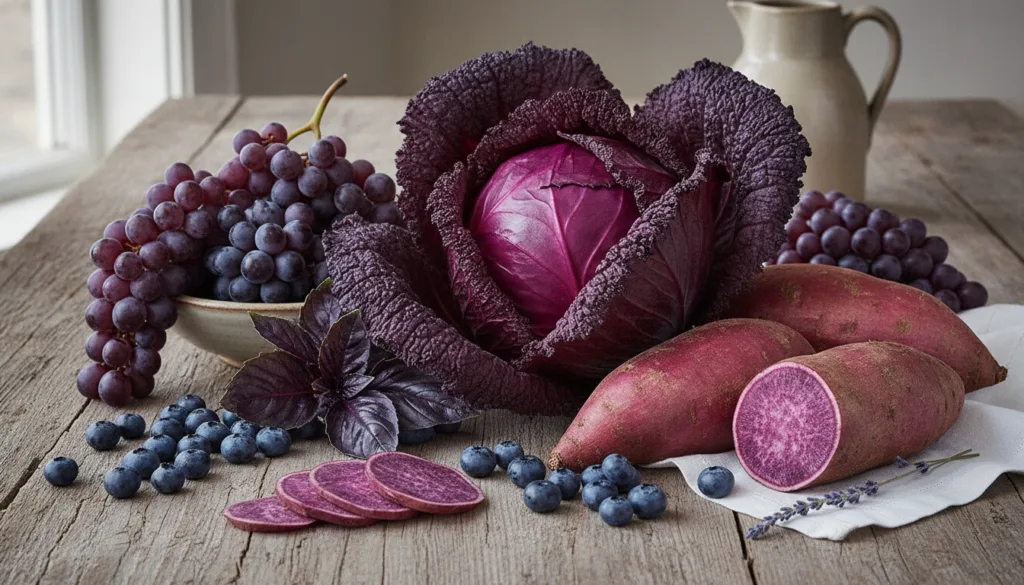
Blueberries
Often hailed as a ‘brain berry,’ blueberries are perhaps the most well-known source of anthocyanins. They are easy to incorporate into breakfasts, snacks, and desserts.
Purple Cabbage
This cruciferous vegetable is not only rich in anthocyanins but also provides fiber and vitamin C. It’s excellent in salads, slaws, or stir-fries.
Purple Sweet Potatoes
A delicious and nutritious alternative to regular sweet potatoes, purple sweet potatoes offer a unique flavor profile along with their vibrant color and anthocyanin content.
Eggplant
While often dark purple, eggplant also contains anthocyanins, particularly in its skin. It’s a versatile vegetable for grilling, roasting, or incorporating into stews.
Purple Grapes
Grapes, especially the darker varieties, are a good source of anthocyanins. Enjoy them as a snack or add them to fruit salads.
Easy Ways to Add More Purple to Your Plate
Incorporating these vibrant foods into your daily routine is simpler than you might think:
- Smoothies: Blend blueberries, blackberries, or acai into your morning smoothie.
- Salads: Add chopped purple cabbage or red onions for a crisp, colorful crunch.
- Roasted Vegetables: Roast purple sweet potatoes, eggplant, or purple carrots with your favorite seasonings.
- Snacks: Grab a handful of grapes or blueberries for a quick and healthy pick-me-up.
- Main Dishes: Experiment with purple rice or use purple vegetables in stir-fries and curries.
A Note on Wellness
While purple foods offer incredible nutritional benefits, it’s important to remember that a balanced diet, regular exercise, and a healthy lifestyle are key to overall well-being. The information provided here is for educational purposes only and is not intended to be a substitute for professional medical advice, diagnosis, or treatment. Always consult with a qualified healthcare provider for any health concerns or before making any changes to your diet or health regimen.
Embrace the Power of Purple!
By consciously adding more purple foods to your diet, you’re not just enhancing the aesthetic appeal of your meals; you’re also providing your body and brain with a rich supply of beneficial anthocyanins. So, which purple superfood will you try first to unlock your brain’s potential?