When it comes to fueling your body, protein is a non-negotiable powerhouse. It’s essential for building and repairing tissues, making enzymes and hormones, and providing a sustainable source of energy. But with so many options available, how do you choose the best protein to power your plate?
Today, we’re diving into a delicious debate featuring three of the most popular protein sources: chicken, beef, and salmon. Each offers a unique profile of nutritional benefits that can significantly support your body’s natural defenses and overall wellness journey.
Understanding the distinct advantages of lean chicken, iron-rich beef, and omega-3 packed salmon can help you make informed decisions that align with your dietary needs and health goals. Let’s explore how each choice impacts your diet and discover which powerhouse foods are already part of your daily routine—or should be!
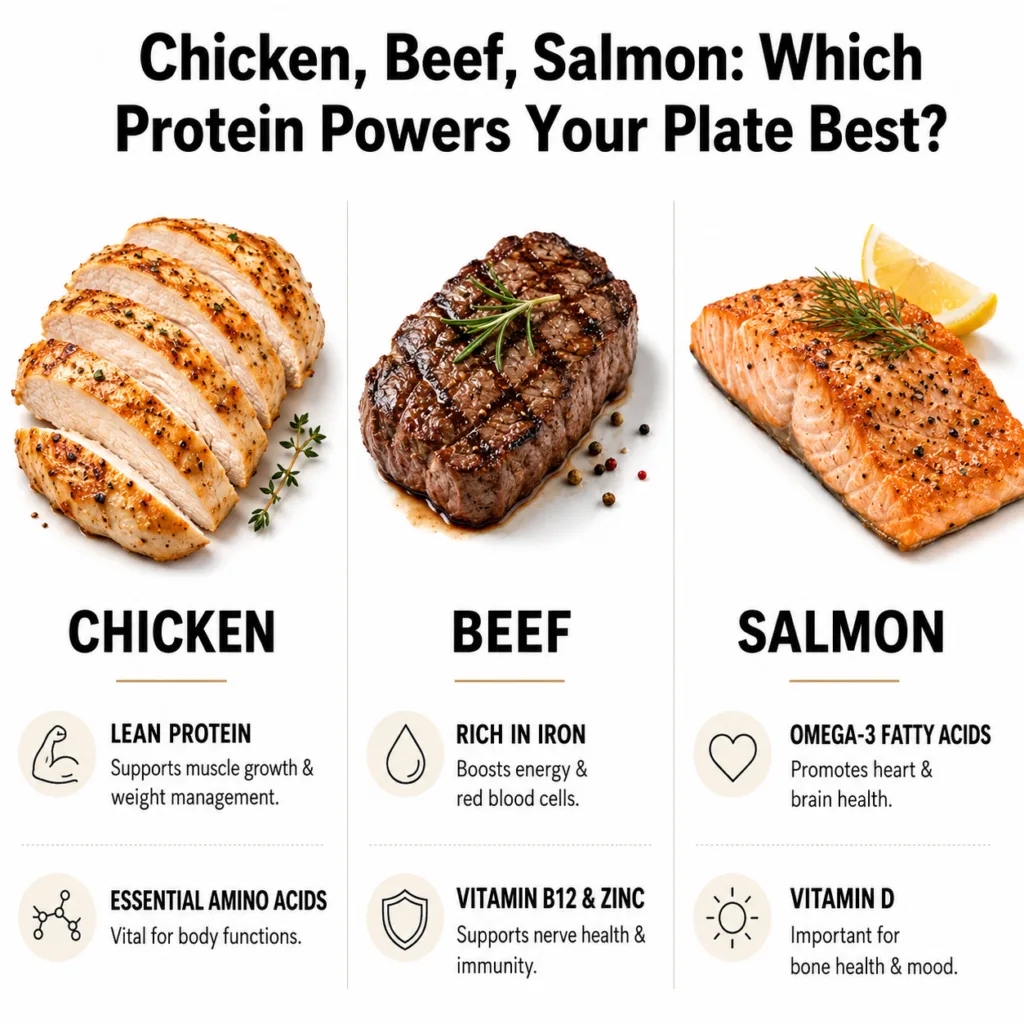
Chicken: Your Go-To for Lean Muscle Support
Often lauded as a staple in healthy eating, chicken, particularly lean cuts like breast, is an excellent source of high-quality protein. It’s a versatile and widely available option for those looking to build muscle, manage weight, and support overall bodily functions without excessive fat intake.
High-Quality Lean Protein
Chicken provides a complete protein profile, meaning it contains all nine essential amino acids that your body cannot produce on its own. This makes it ideal for muscle synthesis and repair, a crucial aspect for athletes, active individuals, and anyone aiming to maintain muscle mass as they age. Including chicken in your high protein low calorie meals can be a smart strategy for fitness and weight management.
Essential Amino Acids
Beyond muscle building, the amino acids in chicken play vital roles in hormone production, enzyme function, and immune system support. It’s a fantastic foundation for various healthy breakfast ideas, lunches, and dinners, offering satiety and sustained energy throughout the day.

Beef: Iron-Rich for Sustained Energy and Vitality
Beef often gets a bad rap, but when enjoyed in moderation and as part of a balanced diet, it’s an incredibly nutrient-dense food, especially for its iron content. Red meat like beef can be a cornerstone for energy levels and overall vitality.
Abundant in Iron
Beef is one of the best dietary sources of heme iron, which is highly bioavailable and easily absorbed by the body. Iron is critical for producing hemoglobin, a protein in red blood cells that carries oxygen from your lungs to all parts of your body. Adequate iron intake helps prevent fatigue, improves cognitive function, and supports a robust immune system. For those seeking energy-boosting foods, beef is an excellent choice.
Essential Vitamins and Minerals
Beyond iron, beef is packed with essential nutrients like B vitamins (B12, niacin, B6), which are vital for energy metabolism and nervous system health. It also provides zinc, crucial for immune function and wound healing, and selenium, an antioxidant mineral. These make beef a powerhouse for overall health and an important component of a balanced diet.

Salmon: The Omega-3 Powerhouse for Heart Health
Salmon stands out as a nutritional superstar, particularly for its healthy fats. This fatty fish is not only delicious but also delivers a remarkable array of benefits, especially for cardiovascular and brain health.
Rich in Omega-3 Fatty Acids
Salmon is renowned for its high content of omega-3 fatty acids, specifically EPA and DHA. These essential fats are celebrated for their anti-inflammatory properties and their role in supporting heart health by helping to lower blood pressure, reduce triglycerides, and decrease the risk of heart disease. Incorporating salmon into your diet regularly is a key strategy for foods for digestion and overall cardiovascular wellness.
Vitamin D Content
Beyond omega-3s, salmon is one of the few natural dietary sources of Vitamin D. This vitamin is crucial for bone health, immune function, and regulating mood. Many people are deficient in Vitamin D, making salmon an invaluable addition to the diet for supporting a wide range of bodily processes.

Making the Best Choice for Your Plate
Ultimately, the