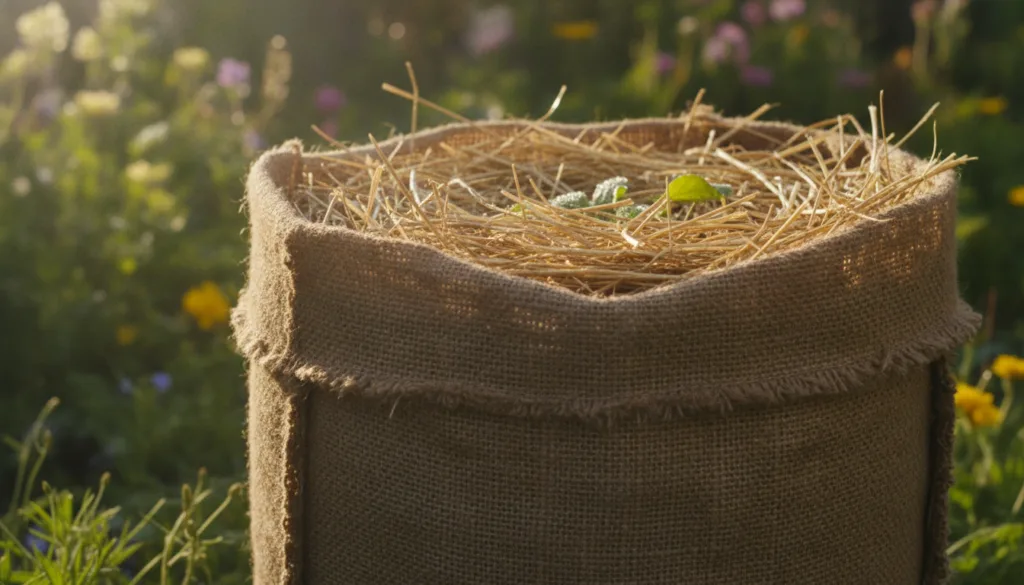
There’s a unique kind of magic in witnessing the very first signs of life. It’s not always about elaborate garden beds or fancy tools; sometimes, the most profound growth stories begin with the simplest of settings. Take, for instance, a humble grow bag, filled with fresh, natural materials like straw, bathed in the gentle warmth of the sun. It’s a blank canvas, full of promise, ready to nurture new life. This simple scene is a beautiful reminder that even the most basic materials hold incredible potential for creating something truly wonderful in our gardens.
The Magic of a Simple Grow Bag
Grow bags have revolutionized gardening for many, offering flexibility and accessibility that traditional methods sometimes lack. They are especially wonderful for urban gardeners, those with limited space, or anyone looking to experiment without a major commitment. Their design promotes excellent drainage and aeration, leading to healthier root systems and thriving plants.
Why Choose Grow Bags?
- Space-Saving: Perfect for patios, balconies, rooftops, or small yards. You can easily arrange them to maximize your growing area.
- Portability: Want to move your sun-loving tomato plant to catch more rays? Need to protect a delicate herb from an unexpected cold snap? Grow bags make it easy to relocate your plants.
- Excellent Drainage: Many grow bags are made from breathable fabrics that prevent waterlogging, a common killer of container plants.
- Affordability: They are often a more budget-friendly option compared to traditional raised beds or ceramic pots, making gardening accessible to everyone.
- Pest Control: By elevating plants off the ground, grow bags can sometimes help deter ground-dwelling pests.
What Can You Grow in Grow Bags?
The possibilities are surprisingly vast! While the source image highlights straw, which can be great for specific uses like mushroom cultivation or as a starting medium for certain seeds, most gardeners will fill their grow bags with a high-quality potting mix. With the right soil, you can cultivate a wide array of plants:
- Vegetables: Tomatoes, peppers, potatoes, carrots (with deeper bags), lettuce, spinach, radishes, cucumbers, and beans.
- Herbs: Basil, mint, cilantro, parsley, rosemary, thyme – perfect for a kitchen garden just outside your door!
- Flowers: Petunias, marigolds, nasturtiums, impatiens, and many other annuals and perennials that add beauty and attract pollinators.
Preparing Your Grow Bag for Success
Getting started with a grow bag is straightforward, but a few key steps will ensure your plants have the best possible start.
Choosing the Right Grow Bag
Grow bags come in various sizes and materials. Consider the mature size of the plant you intend to grow. Larger plants like tomatoes will need a bigger bag (10-15 gallons), while herbs might thrive in 3-5 gallon bags. Fabric bags are popular for their breathability and drainage.
The Perfect Potting Mix
While the image shows straw, for most plants, a good quality, well-draining potting mix is essential. Look for mixes that are specifically formulated for containers, as they provide the right balance of nutrients, aeration, and moisture retention. You can also create your own by mixing compost, peat moss (or coco coir), and perlite for excellent results.
Planting Your Seeds or Seedlings
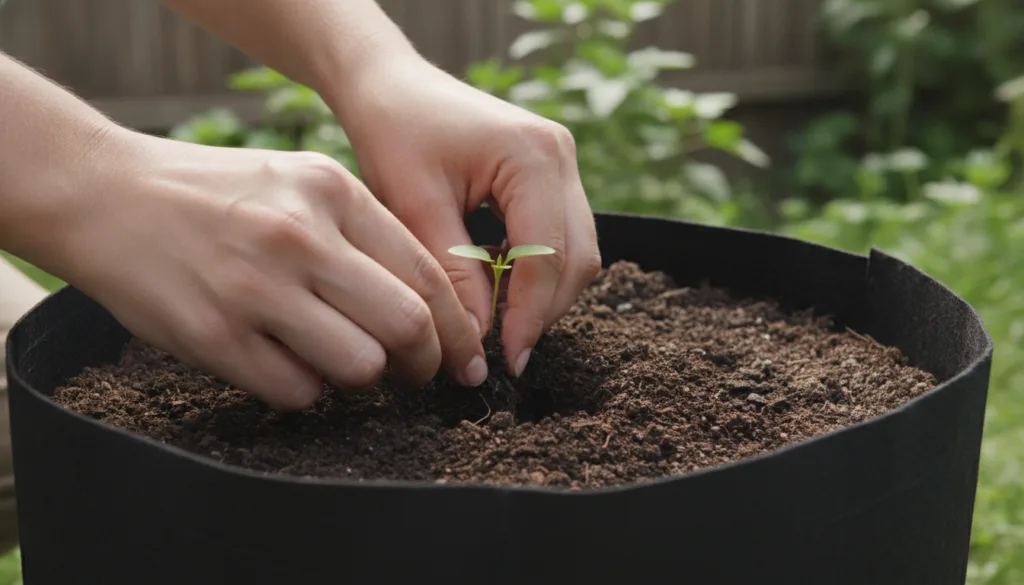
Fill your grow bag loosely with your chosen potting mix, leaving an inch or two from the top. If planting seeds, follow the package instructions for depth and spacing. For seedlings, gently remove them from their nursery pots and plant them at the same depth they were previously growing, firming the soil gently around the base. Water immediately after planting.
Nurturing Your New Life
Once your plants are in their grow bags, consistent care will help them flourish.
Watering Wisdom
Grow bags can dry out faster than in-ground gardens due to their excellent drainage and exposure to air. Check the soil moisture daily by sticking your finger an inch or two into the soil. Water thoroughly until you see water draining from the bottom. In hot weather, you might need to water twice a day.
Sunlight Secrets
Most vegetables and flowering plants need at least 6-8 hours of direct sunlight per day. Position your grow bags in the sunniest spot available, keeping in mind their portability allows you to adjust as the sun’s path changes throughout the season.
Feeding for Future Growth
Potting mixes often have limited nutrients, so your plants will benefit from regular feeding. Use a balanced liquid fertilizer every 2-4 weeks, following the product’s instructions. Organic options like compost tea or fish emulsion are excellent choices for a healthier garden.
Embracing the Journey
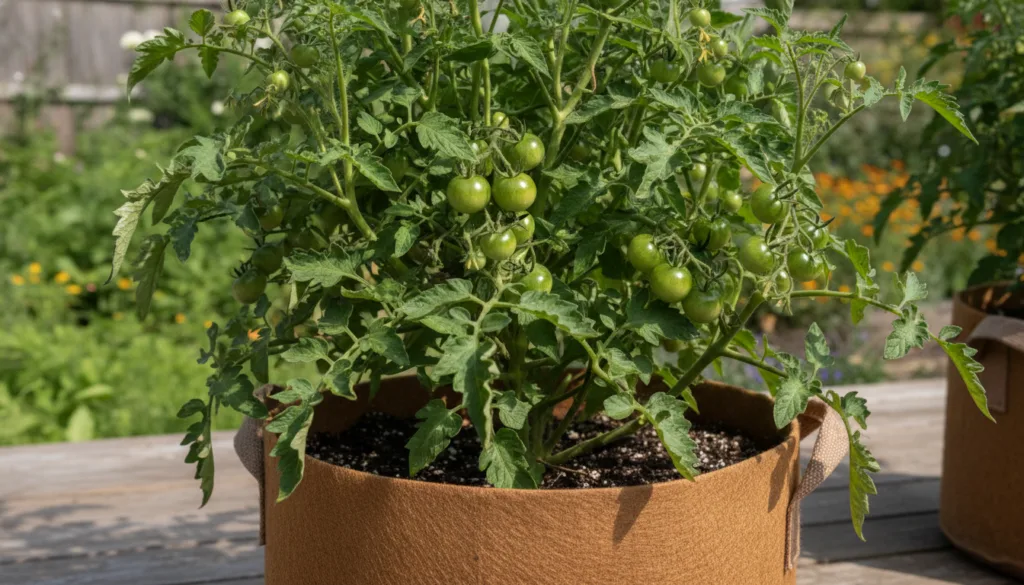
The journey of growth, from a simple seed or seedling in a basic grow bag to a thriving plant, is incredibly rewarding. It teaches us patience, connects us to nature, and provides fresh produce or beautiful blooms right outside our doors. It’s a testament to the incredible potential hidden in humble beginnings.
What new plant dreams are you preparing to grow this season? Whether it’s a tiny herb garden, a bounty of fresh vegetables, or a cascade of colorful flowers, we’d love to hear about your plans!
Share your planting ideas and grow bag adventures in the comments below!