Most people rush to enjoy the sweet, vibrant fruit of the papaya tree, often ignoring other parts of the plant entirely. What if we told you that the delicate, often overlooked flowers hold a surprising potential for supporting one of your body’s most vital organs: the liver?
It’s easy to dismiss these small blossoms as mere precursors to fruit, but for those seeking natural ways to maintain wellness, papaya flowers offer a hidden reservoir of beneficial compounds. Most people never realize this works because their focus is solely on the fruit, missing out on the unique properties present in the flowers.
What are Papaya Flowers?
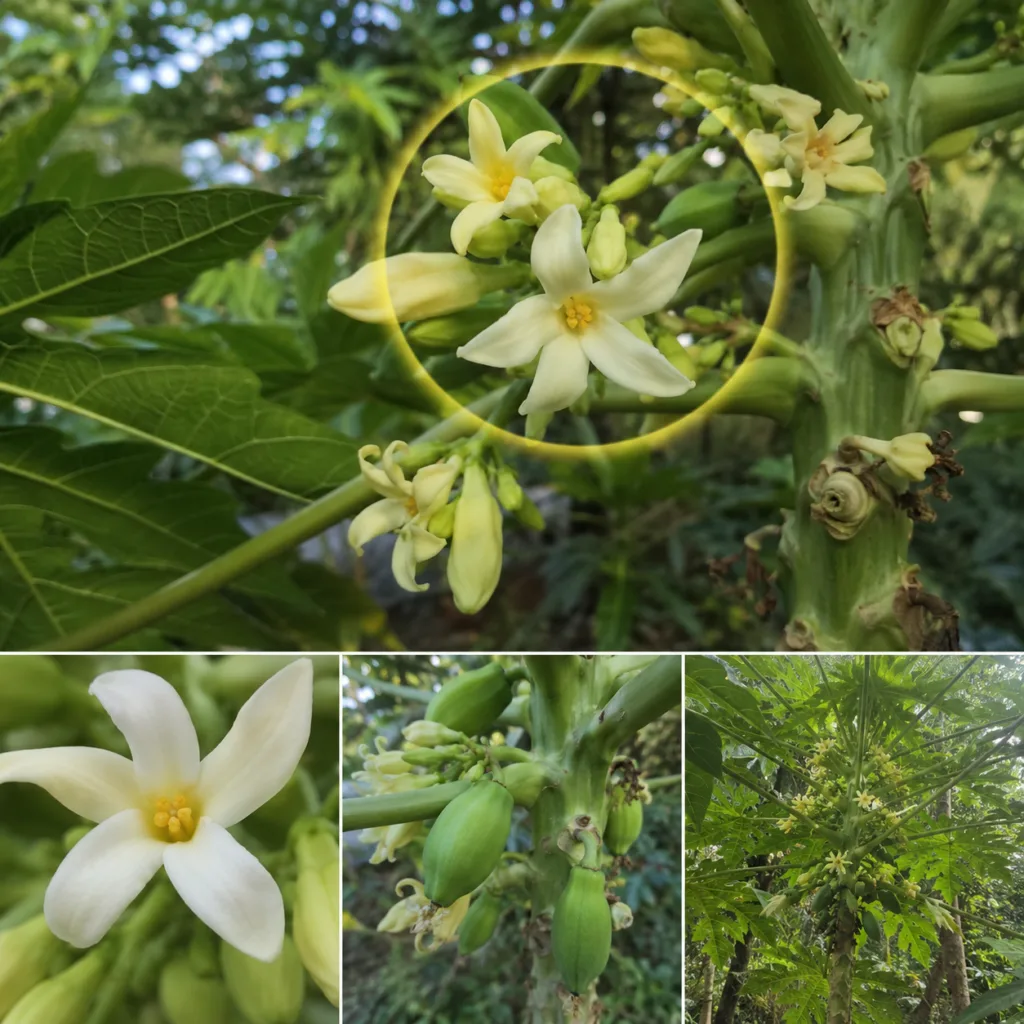
Papaya flowers, also known as Carica papaya flowers, are the small, usually pale yellow or white blossoms that grow in clusters on the papaya tree. While the tree is famed for its large, tropical fruit, the flowers have a subtle, slightly bitter taste and a delicate aroma. They are not as widely consumed as the fruit or leaves, but traditional practices in various cultures have long recognized their potential uses beyond just fruit production.
Ingredients
- Fresh Papaya Flowers: 15-20 small flowers (about 1/4 cup loosely packed)
- OR Dried Papaya Flowers: 1 tablespoon
- Filtered Water: 1 cup (240ml)
Approximate Measurements
For a single serving of papaya flower tea, these measurements provide a balanced infusion. Adjust the quantity of flowers to your taste or desired strength, but always start with less and increase gradually.
Formula / Recipe: Papaya Flower Infusion
This simple infusion is the most common and effective way to harness the properties of papaya flowers for general wellness. It’s a gentle, soothing tea that can be easily incorporated into your daily routine.
Step-by-Step Method
- Harvest or Measure: If using fresh flowers, gently pick 15-20 small, healthy blossoms, ensuring they are free from pests or damage. If using dried, measure out one tablespoon.
- Rinse: Lightly rinse fresh papaya flowers under cool running water to remove any dust or small insects. Pat them dry gently.
- Prepare the Pot: Bring 1 cup of filtered water to a boil in a small saucepan.
- Add Flowers: Once the water reaches a rolling boil, remove the pot from the heat. Add the fresh or dried papaya flowers to the hot water.
- Steep: Cover the pot with a lid and let the flowers steep for 5-7 minutes. Steeping allows the beneficial compounds to infuse into the water without over-extracting bitter notes.
- Strain: Strain the liquid into a cup, discarding the spent flowers.
- Serve: Your papaya flower infusion is ready. You can drink it warm.
Quick Tip: Avoid Over-Boiling
Over-boiling papaya flowers can extract too much bitterness and degrade some heat-sensitive compounds. A gentle steep is always best for delicate blossoms.
How to Use
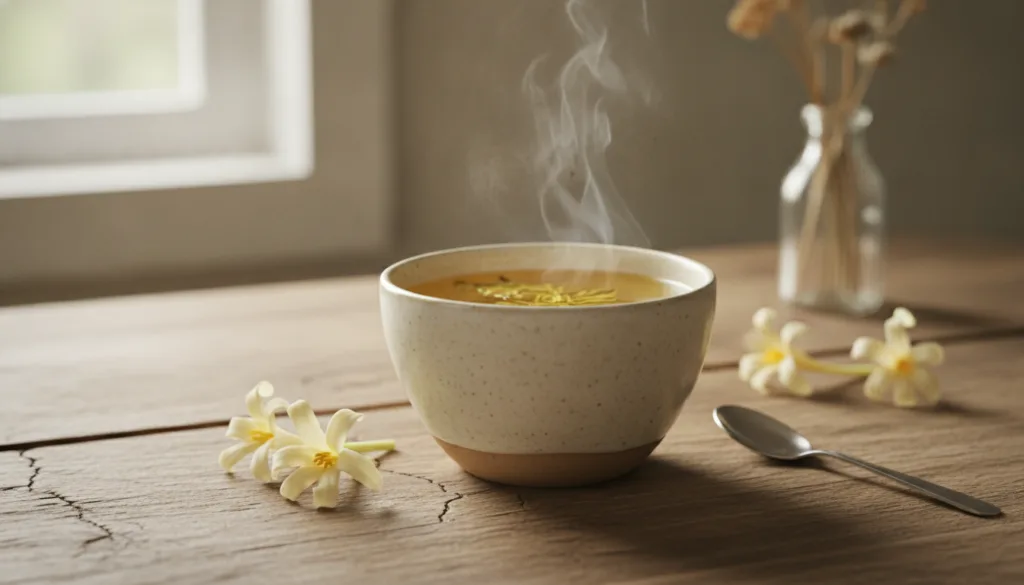
Consume the papaya flower infusion warm. You can add a squeeze of lemon or a tiny bit of honey if desired, but many prefer its natural, slightly earthy and mildly bitter taste.
How Often to Use
For general wellness support, drinking one cup of papaya flower tea daily is a common practice. You may choose to consume it once in the morning or in the evening. If you are just starting, begin with 3-4 times a week to see how your body responds.
How to Buy / How to Choose Ingredients
Choosing the right papaya flowers is crucial for an effective remedy:
- Fresh Flowers: If harvesting from your garden, ensure the papaya tree has not been sprayed with pesticides or herbicides. Look for healthy, undamaged flowers that are vibrant in color. Collect them in the morning after the dew has dried.
- Dried Flowers: Purchase from reputable herbal suppliers who can verify the source and organic status of their products. Ensure they are free from additives, preservatives, or artificial colors.
Always prioritize organic and unsprayed options to avoid introducing unwanted chemicals into your system.
Storage
- Fresh Flowers: Use immediately for the best potency. If you must store them, place them gently in a paper towel-lined container in the refrigerator for no more than 1-2 days.
- Dried Flowers: Store in an airtight container in a cool, dark, dry place. They can last for up to 6-12 months while retaining their potency.
- Prepared Tea: Consume the infusion fresh. While it can be refrigerated for up to 24 hours, its flavor and potency are best when freshly made.
Practical Tips
- Source Locally: If you have access to a papaya tree, consider growing your own to ensure an organic supply of flowers.
- Gentle Handling: Papaya flowers are delicate. Handle them with care during harvesting and preparation to prevent bruising.
- Taste Experiment: If the natural bitterness is too strong for you, experiment with steeping times. Shorter steeping (4-5 minutes) can result in a milder flavor.
Fresh vs. Dried Papaya Flowers
| Feature | Fresh Papaya Flowers | Dried Papaya Flowers |
|---|---|---|
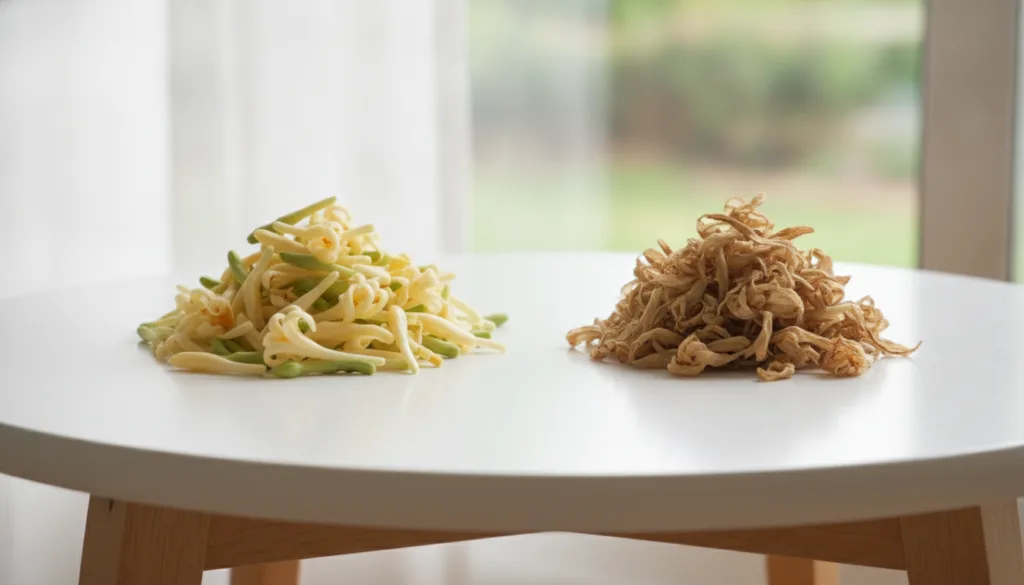
| Appearance | Vibrant pale yellow/white, delicate | Shrunken, light brown/beige, brittle |
| Potency | Generally higher in fresh compounds | Concentrated, but some volatile compounds may be lost |
| Flavor | Subtler, mildly bitter | More intense, earthy bitterness |
| Availability | Seasonal, local access needed | Year-round, widely available from suppliers |
| Storage | Perishable, 1-2 days refrigerated | Long-lasting (6-12 months) in airtight container |
Common Mistakes
- Using Sprayed Flowers: Harvesting from trees treated with pesticides can introduce harmful chemicals into your remedy.
- Boiling Vigorously: Over-boiling rather than steeping can destroy delicate compounds and intensify bitterness.
- Incorrect Dosage: While generally safe, excessive consumption without understanding your body’s response is ill-advised. Stick to recommended amounts.
- Ignoring Quality: Using old, discolored, or poorly stored dried flowers can result in a less effective or unpleasant tea.
Cautions / Who Should Avoid It
While natural remedies are often gentle, it’s important to exercise caution:
- Pregnancy and Breastfeeding: There is insufficient research on the safety of papaya flowers for pregnant or breastfeeding individuals. It’s best to avoid use or consult a healthcare professional.
- Allergies: Individuals with known allergies to papaya fruit or other members of the Caricaceae family should avoid papaya flowers.
- Medication Interactions: If you are taking any prescription medications, especially for liver conditions, blood thinners, or diabetes, consult your doctor before incorporating papaya flower tea into your routine.
- Underlying Health Conditions: If you have a pre-existing liver condition or other chronic illnesses, seek medical advice before use.
Always listen to your body and discontinue use if you experience any adverse reactions.
Why It Works (Science Insight)
The potential benefits of papaya flowers, particularly for liver support, are attributed to their rich composition of phytochemicals. While research specifically on papaya flowers is still emerging, studies on papaya leaves and fruits provide clues about the plant’s overall therapeutic potential.
Papaya flowers are believed to contain various antioxidants, such as flavonoids and phenolic compounds. These compounds play a crucial role in neutralizing free radicals, which can cause oxidative stress and damage to liver cells. By reducing oxidative stress, these antioxidants may help protect the liver from cellular damage and inflammation. The liver is constantly working to detoxify the body, and antioxidant support can enhance its natural protective mechanisms.
Some traditional practices suggest that the flowers may also possess mild anti-inflammatory properties, which could further support liver health by mitigating inflammatory responses. While more direct scientific studies on papaya flowers are needed to confirm these specific mechanisms, the broader scientific understanding of the papaya plant’s constituents offers a promising basis for their traditional use.
Who Benefits Most
Papaya flower infusion may be most beneficial for:
- Individuals looking for a natural way to support general liver function.
- Those interested in incorporating antioxidant-rich botanicals into their diet.
- People seeking mild digestive support, as a healthy liver contributes to better digestion.
- Anyone exploring traditional remedies for overall wellness.
Quick Summary
For a natural approach to liver wellness, consider a simple papaya flower infusion. Use 1 tablespoon of dried or 15-20 fresh, unsprayed flowers steeped in 1 cup of hot water for 5-7 minutes. Consume warm, once daily, for gentle support. Store dried flowers in an airtight container and fresh ones in the fridge for a day or two. Avoid if pregnant, breastfeeding, or on medication without medical advice. Prioritize quality and proper preparation to maximize benefits and avoid common mistakes like over-boiling or using sprayed flowers.
FAQ
Here are some common questions about using papaya flowers:
Can I use fresh or dried papaya flowers?
Both fresh and dried papaya flowers can be used. Fresh flowers offer a more delicate flavor, while dried flowers are more concentrated and convenient for year-round use.
How long does papaya flower tea last?
The prepared tea is best consumed immediately. You can refrigerate any leftovers for up to 24 hours, but its potency and flavor will diminish.
How often should I use it?
One cup per day is a common recommendation for general wellness. Listen to your body and adjust as needed, or consult a healthcare professional.
Can I reuse the flowers for another brew?
It’s generally not recommended to reuse the flowers as most of their beneficial compounds would have already been extracted during the first infusion.
Are papaya flowers bitter?
Yes, papaya flowers have a distinct, mildly bitter taste. The intensity can vary based on the amount used and steeping time. Many find this bitterness to be a desirable quality in traditional remedies.
What part of the papaya plant is best for liver support?
While papaya leaves are more extensively studied for various health benefits, the flowers offer a unique composition of compounds. Both can contribute to wellness, but the flowers provide a distinct profile.
When should I avoid papaya flower tea?
Avoid if pregnant, breastfeeding, allergic to papaya, or taking medications without consulting a healthcare provider. Also, if you have a severe liver condition, seek medical advice first.
Conclusion
The papaya tree offers more than just its famous fruit. Its humble flowers, often overlooked, provide a simple yet profound way to support your body’s natural functions, particularly liver health. By understanding how to prepare and use them correctly, you can tap into a gentle, traditional remedy that promotes overall well-being. Embrace the unexpected gifts of nature and consider adding this delicate infusion to your daily routine.