Most people walk past chickweed without a second glance, dismissing it as just another common weed. Yet, this humble plant, often found thriving in gardens and disturbed soils, holds a surprising array of traditional uses, especially when it comes to soothing minor skin irritations and supporting overall wellness. If you’ve ever wondered how to transform this garden commoner into a practical, gentle remedy, you’re in the right place. Let’s delve into what makes chickweed a hidden gem for home remedies.
Ignoring chickweed’s potential is a common mistake. This unassuming plant, scientifically known as Stellaria media, has a long history in folk medicine, particularly for its cooling and soothing properties. It’s easily identifiable by its small white, star-shaped flowers and delicate, sprawling stems. While often regarded as a nuisance by gardeners, it offers a wealth of benefits when prepared correctly.
 Chickweed, often found thriving in garden beds, is more than just a common weed.
What it is: Getting to Know Chickweed
Chickweed (Stellaria media) is an annual or biennial herb belonging to the carnation family. It’s recognized by its opposite, oval-shaped leaves, weak stems, and tiny, star-like white flowers, each with five deeply cleft petals that can make them appear as ten. It prefers cool, moist, and shady conditions, making it a frequent visitor in spring and autumn gardens. Beyond its botanical identity, chickweed is prized in traditional herbalism for its mucilaginous compounds, which contribute to its soothing qualities.
Why it’s so useful for remedies:
- Cooling & Soothing: Traditionally used to calm irritated skin.
- Mildly Astringent: Helps to tone and tighten tissues.
- Nutrient-Rich: Contains vitamins A, C, and various minerals, though typically used externally for remedies.
A Simple Chickweed Poultice: Ingredients & Formula
One of the most direct and effective ways to utilize chickweed for skin complaints is through a fresh poultice. This involves crushing the fresh herb and applying it directly to the affected area. It’s an excellent method for targeting localized irritation, bug bites, minor rashes, or dryness.
Ingredients:
- Fresh chickweed leaves and stems (about 1 cup, loosely packed)
- A small amount of water (optional, if the chickweed isn’t moist enough)
Approximate Measurements:
For a small poultice, about one cup of fresh, loosely packed chickweed is usually sufficient. This will yield enough material for a patch roughly the size of your palm. You can easily adjust the quantity based on the size of the area you need to cover.
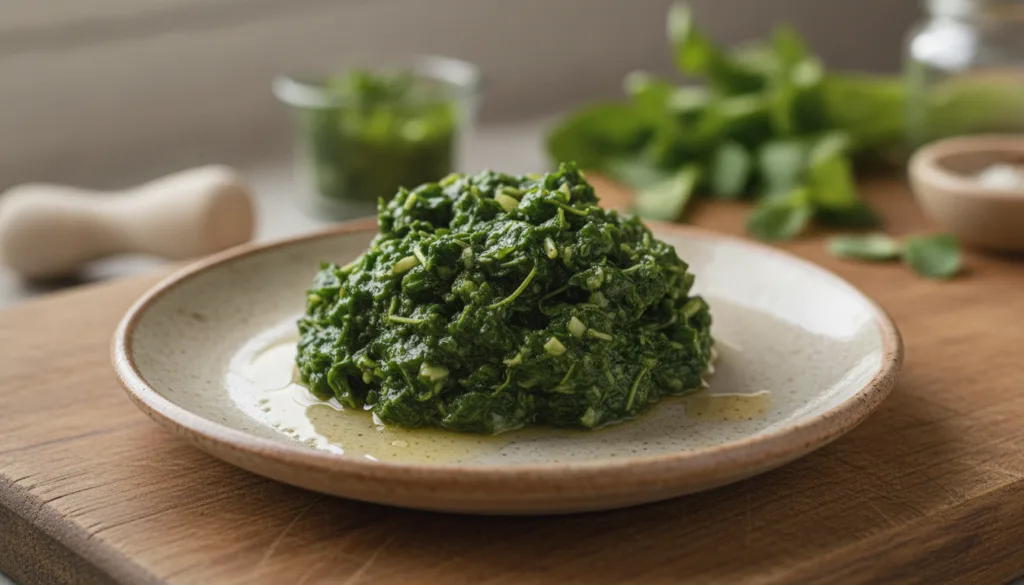 A simple chickweed poultice can be prepared quickly for immediate skin relief.
Step-by-Step Method: Preparing Your Chickweed Poultice
Making a chickweed poultice is incredibly straightforward, requiring minimal tools and effort. The key is to ensure the plant material is fresh and clean.
- Harvest & Clean: Gently gather about a cup of fresh chickweed, including leaves and tender stems. Choose healthy, vibrant plants, free from pesticides or pollution. Rinse thoroughly under cool running water to remove any dirt or insects. Pat dry lightly.
- Crush the Herb: Place the cleaned chickweed in a mortar and pestle. Begin to gently crush the plant material until it forms a moist, pulpy mass. If you don’t have a mortar and pestle, you can finely chop the chickweed with a knife on a cutting board, or even use a blender with a tiny splash of water (be careful not to make it too liquidy). The goal is to break down the plant cells to release their soothing properties.
- Form the Poultice: Once you have a suitable pulp, it’s ready to be applied. It should be moist but not dripping.
Quick Tip: Fresh vs. Dried Chickweed
FeatureFresh ChickweedDried ChickweedPreparationBest for poultices & direct applicationMore suitable for teas, infusions, and infused oilsPotencyHigher concentration of active compounds for topical useSlightly reduced potency, but good for internal use or longer storageAvailabilitySeasonal (spring, fall)Year-round (store-bought or home-dried)StorageUse immediately or refrigerate for 1-2 daysStore in airtight container for up to 1 year
How to Use Your Chickweed Poultice
The beauty of a chickweed poultice lies in its simplicity and direct application.
- Apply Directly: Place the crushed chickweed pulp directly onto the affected skin area.
- Secure (Optional): For best results, you can cover the poultice with a clean cloth, gauze, or a light bandage to keep it in place and prevent it from drying out too quickly.
- Duration: Leave the poultice on for 15-30 minutes. Some people leave it longer, but monitor your skin for any adverse reactions, especially if you have sensitive skin.
- Remove & Rinse: After the desired time, remove the poultice and gently rinse the area with cool water. Pat dry.
How Often to Use
For minor irritations, you can apply a chickweed poultice 2-3 times a day as needed. Discontinue use if irritation worsens or if you experience any discomfort. It’s generally best used for short-term relief rather than chronic conditions.
How to Buy / How to Choose Ingredients
The best chickweed for remedies is usually fresh, wild-harvested chickweed from a clean, unsprayed environment. If foraging, be absolutely certain of your identification, as misidentification can be dangerous. Look for vibrant green plants in moist, cool areas. If foraging isn’t an option, you can sometimes find fresh chickweed at farmer’s markets, or purchase dried chickweed from reputable herbal suppliers for teas or infused oils, though it’s less ideal for a fresh poultice.
Before You Brew / Before You Apply: Foraging Guidelines
- Always positively identify chickweed before harvesting.
- Harvest away from roadsides, industrial areas, or any place where pesticides or pollutants might be present.
- Take only what you need, leaving plenty for the plant to regenerate and for wildlife.
Storage
Fresh chickweed is best used immediately. If you need to store it briefly, place unwashed chickweed in a plastic bag in the refrigerator for 1-2 days. Once a poultice is made, it should be used right away and any leftover material discarded. For longer storage, chickweed can be dried for use in infusions or teas, though its topical potency for poultices is best when fresh.
Practical Tips
- Patch Test: Before applying to a large area, do a small patch test on an inconspicuous part of your skin to check for sensitivity.
- Combine with Other Herbs: For enhanced soothing, you can sometimes combine chickweed with other gentle herbs like plantain or calendula in a poultice, depending on the specific skin issue.
- Consider an Infused Oil: If fresh chickweed isn’t available, consider making a chickweed-infused oil with dried chickweed, which can then be used in salves or balms for similar soothing effects.
Common Mistakes
- Misidentification: The biggest mistake is confusing chickweed with other similar-looking plants, some of which may be toxic. Always be 100% certain of your identification.
- Using Sprayed Plants: Harvesting chickweed from areas treated with pesticides or herbicides can introduce harmful chemicals to your skin.
- Not Cleaning Properly: Failing to thoroughly rinse harvested chickweed can lead to applying dirt or small insects to your skin.
- Boiling Instead of Crushing: For a poultice, the goal is to gently release the plant juices, not cook them. Boiling can diminish beneficial compounds.
- Leaving it on Too Long (for sensitive skin): While generally gentle, some sensitive skin types might react if a poultice is left on for extended periods.
Cautions / Who Should Avoid It
Chickweed is generally considered safe for topical use by most people. However:
- Allergies: If you have allergies to other plants in the carnation family, exercise caution.
- Open Wounds: Avoid applying directly to deep or infected open wounds; consult a healthcare professional.
- Internal Use: While chickweed tea is traditionally consumed, always consult with an herbalist or healthcare provider, especially if you are pregnant, nursing, or taking medications.
- Sensitive Skin: Perform a patch test first.
Quick Summary
Chickweed is a versatile, readily available herb perfect for DIY home remedies. Its cooling and soothing properties make it ideal for topical application, especially in a fresh poultice for minor skin irritations, bug bites, and dryness. Always use fresh, clean, and positively identified chickweed. For optimal results, prepare and apply immediately, and discard any unused poultice material. Remember to prioritize proper identification and harvesting from unsprayed areas.
FAQ
Q1: Can I use dried chickweed for a poultice?
A: While dried chickweed can be rehydrated, it’s generally less effective for a poultice than fresh chickweed, which retains more of its soothing mucilage.
Q2: How do I identify chickweed confidently?
A: Look for small, star-shaped white flowers (each petal deeply notched), opposite oval leaves, and a single line of fine hairs running along one side of the stem, switching sides at each leaf node.
Q3: Is chickweed safe to eat?
A: Yes, fresh chickweed is edible and can be added to salads or smoothies, providing vitamins and minerals. Ensure it’s properly identified and harvested from clean areas.
Q4: How long does fresh chickweed last in the fridge?
A: Unwashed, fresh chickweed can be stored in a plastic bag in the refrigerator for 1-2 days.
Q5: Can I make chickweed oil or salve?
A: Yes, dried chickweed can be infused into an oil, which can then be used to create soothing salves and balms for longer-term storage and application.
Q6: What if I don’t have a mortar and pestle?
A: You can finely chop the chickweed with a sharp knife or use a food processor with a tiny bit of water to create a pulp.
Conclusion
Chickweed, often underestimated, proves to be a valuable resource for natural home remedies. By understanding its characteristics and mastering simple preparations like the fresh poultice, you can harness its soothing power for everyday skin complaints. Don’t let this common garden resident go unnoticed; embrace the practicality and gentle effectiveness of chickweed in your natural wellness routine.