Most people walk past Comfrey in their gardens or wild spaces without realizing the powerful traditional uses held within its unassuming leaves and roots. Often revered in herbal traditions for its remarkable properties, this plant, specifically Symphytum officinale, has been a go-to for generations, long before modern medicine. It’s not just a beautiful plant with its bell-shaped purple flowers; it’s a herb with a rich history, particularly noted for its high allantoin content.
While the fruit gets all the attention for some plants, with Comfrey, it’s the foliage and roots that hold the key. But harnessing its benefits requires precise knowledge of how to prepare and, crucially, how to use it safely. One small preparation mistake, or an incorrect application, can prevent you from truly benefiting from this exceptional botanical helper.
 Comfrey, with its bell-shaped flowers and textured leaves, has a long history of traditional application.
What Comfrey Is and Why It Matters
Comfrey, scientifically known as Symphytum officinale, is a perennial herb native to Europe and Asia. It’s often called ‘knitbone’ or ‘bone-set’ due to its historical use in folk medicine for supporting bone and tissue health. The plant is easily recognizable by its large, hairy leaves and clusters of bell-shaped flowers, which can range in color from purple to pink or cream.
The reason for its traditional popularity lies in its chemical composition, particularly the presence of allantoin. Allantoin is a compound known to promote cell proliferation and tissue regeneration. Beyond allantoin, Comfrey also contains rosmarinic acid, which has antioxidant properties, and mucilage, which contributes to its soothing qualities. It’s these components working together that have made Comfrey a staple in many traditional herbal practices, primarily for external applications.
Did You Know?
Comfrey’s common name ‘knitbone’ directly reflects its historical use in mending fractures and soothing sprains. This tradition speaks volumes about its perceived efficacy long before scientific analysis.
Ingredients for a Basic Comfrey Poultice
A poultice is a soft, moist mass of plant material, typically applied to the body to relieve soreness and inflammation. It’s one of the simplest and most effective ways to utilize Comfrey for external support.
- Fresh Comfrey leaves (about 1-2 large leaves per application)
- Sterile gauze or clean cloth (to hold the poultice)
- A small amount of warm water (if using dried leaves or to soften fresh leaves)
- Mortar and pestle or a clean food processor (for crushing)
Approximate Measurements
For one application, you’ll generally need about 1-2 large fresh Comfrey leaves. If using dried Comfrey, start with 1-2 tablespoons of dried herb and rehydrate with just enough warm water to form a paste. The goal is to create a thick, spreadable consistency that holds together.
Formula / Recipe: Comfrey Leaf Poultice
This method focuses on preparing a simple yet effective Comfrey poultice for direct external application.
Fresh vs. Dried Comfrey
FeatureFresh Comfrey LeavesDried Comfrey LeavesAvailabilitySeasonal (spring to autumn)Year-roundPreparationWash, crush directlyRehydrate with warm waterPotencyOften considered more potent due to active enzymesStill effective, convenient for storageTextureSofter, more pliableCan be gritty if not finely powderedSourceGarden, wild harvestHerbal suppliers
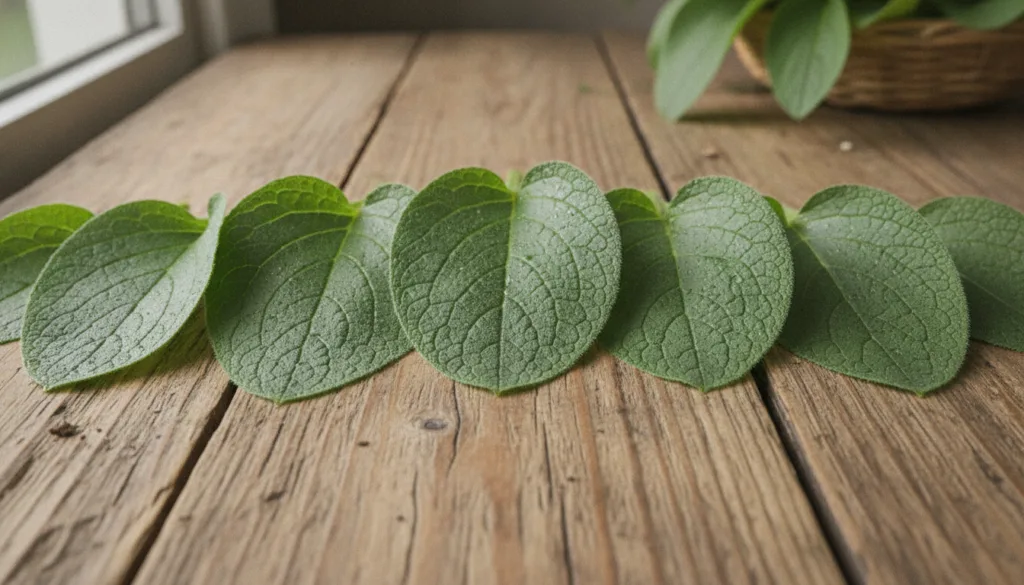 Fresh Comfrey leaves are ideal for poultices, offering immediate access to the plant’s compounds.
Step-by-Step Method for a Comfrey Poultice
- Harvest/Prepare Leaves: If using fresh leaves, carefully wash them under cool water to remove any dirt or insects. Pat them dry. If using dried leaves, place them in a small bowl.
- Crush the Leaves: For fresh leaves, either use a mortar and pestle to mash them into a pulp, or finely chop them and then crush them with the back of a spoon. A clean food processor can also be used for a finer consistency. For dried leaves, add a small amount of warm water (a teaspoon at a time) to create a thick paste.
- Form the Poultice: Once you have a paste-like consistency, spread the Comfrey material evenly onto a piece of sterile gauze or a clean, thin cloth. The cloth acts as a barrier and helps keep the poultice together.
- Apply: Gently place the cloth-covered poultice directly onto the affected external skin area.
How to Use a Comfrey Poultice
A Comfrey poultice is typically used for soothing minor skin irritations, bruises, sprains, or strains. It can be applied to joints, muscles, or areas of localized discomfort. Ensure the skin is clean and dry before application.
How Often to Use
You can apply a Comfrey poultice 1-2 times a day. Leave it on for 20-30 minutes, or until the poultice begins to dry out. Discard the used material after each application. Do not use Comfrey poultices on broken skin or open wounds.
Common Mistake
Using Comfrey on broken skin, open wounds, or internally is a critical mistake. Comfrey contains pyrrolizidine alkaloids (PAs) which can be toxic to the liver if ingested or absorbed through damaged skin. Always ensure the skin is intact before applying any Comfrey preparation.
How to Buy / How to Choose Comfrey Ingredients
When sourcing Comfrey, quality and safety are paramount.
- Fresh Comfrey: If harvesting from your garden, ensure it’s not near areas sprayed with pesticides or herbicides. Identify the plant correctly (Symphytum officinale) to avoid similar-looking but potentially toxic plants.
- Dried Comfrey: Purchase from reputable herbal suppliers. Look for organic, responsibly sourced dried leaves or roots. Ensure the product specifies ‘for external use only’ if it contains root material, as roots generally have higher concentrations of PAs.
- Avoid Wild Harvesting if Unsure: If you are not an expert in plant identification, it’s safer to grow your own from a known source or purchase from a trusted supplier.
Storage
Fresh Comfrey Leaves: Use immediately after harvesting for best results. If you must store them briefly, wrap them in a damp paper towel and place them in the refrigerator for no more than 1-2 days.
Dried Comfrey Leaves: Store in an airtight container in a cool, dark, dry place. Properly stored, dried Comfrey can last for 1-2 years. Check for any signs of mold or degradation before use.
Prepared Poultice: A poultice should always be prepared fresh for each use and discarded immediately afterward. Do not store leftover poultice material.
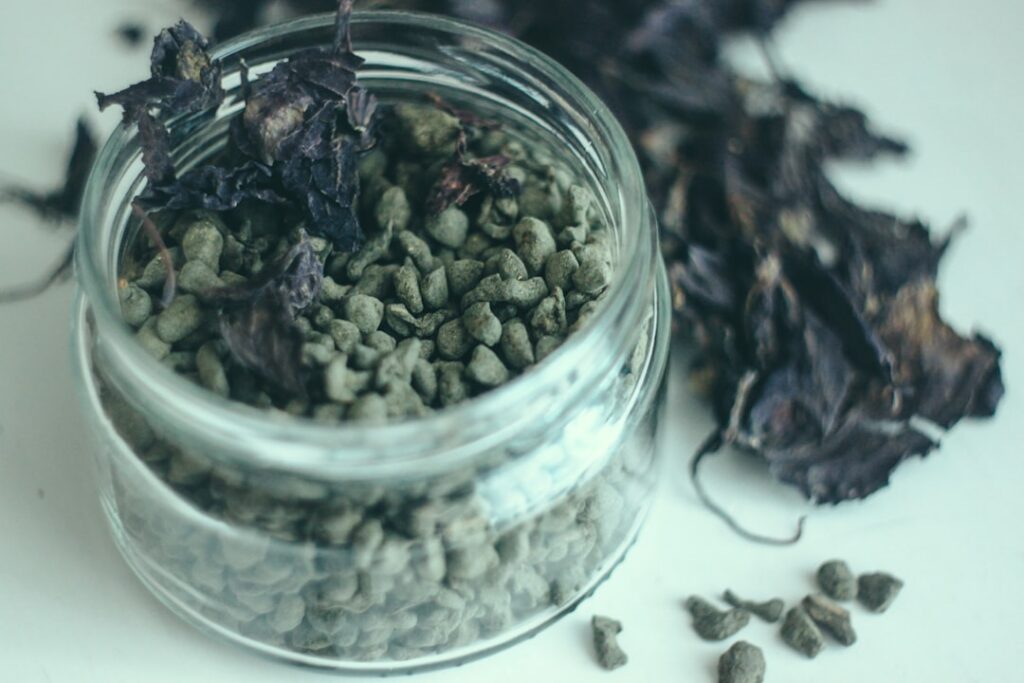 Store dried Comfrey in an airtight container away from light and moisture to maintain its quality.
Practical Tips for Using Comfrey
- Patch Test: Before full application, always perform a small patch test on an inconspicuous area of skin to check for any allergic reactions.
- Warmth Boost: Gently warming the poultice (e.g., by using warm water for dried leaves, or briefly holding fresh leaves over steam) can enhance comfort and potentially absorption.
- Secure the Poultice: Use medical tape or an additional bandage to secure the poultice in place, especially if you need to move around.
- Combine with Other Herbs: For soothing muscle rubs, Comfrey can be combined with other herbs like Arnica (for bruises) or Calendula (for skin irritation) in an oil infusion, but always adhering to external use only.
Common Mistakes
- Using Comfrey Internally: As mentioned, Comfrey should never be ingested due to pyrrolizidine alkaloids. This includes Comfrey teas, tinctures, or capsules, unless specifically certified PA-free for internal use by a medical professional, which is rare.
- Applying to Broken Skin: Avoid applying Comfrey to cuts, scrapes, or open wounds, as PAs can be absorbed through damaged skin.
- Misidentification: Using the wrong plant is a dangerous mistake. Always be absolutely certain you have identified Symphytum officinale correctly.
- Overuse: While external use is generally safer, prolonged, continuous application over large areas of intact skin is also discouraged.
- Ignoring Cautions: Skipping the patch test or using it against contraindications.
Cautions / Who Should Avoid Comfrey
Comfrey is a potent herb that requires careful consideration for safe use:
- External Use ONLY: This cannot be stressed enough. Never ingest Comfrey in any form.
- Broken Skin: Do not apply to open wounds, cuts, or abrasions.
- Pregnancy and Breastfeeding: Avoid use during pregnancy and while breastfeeding due to the potential for PAs to transfer.
- Liver Conditions: Individuals with existing liver disease or those taking liver-damaging medications should strictly avoid Comfrey, even externally, unless advised otherwise by a medical professional.
- Children: Use with extreme caution, if at all, on young children, and only under medical supervision.
- Duration of Use: Limit continuous external application to 4-6 weeks per year.
Quick Summary: Harnessing Comfrey Safely
- Best Preparation: Poultices or infused oils for external use.
- Best Use-Case: Soothing minor bruises, sprains, strains, and intact skin irritations.
- Storage: Fresh leaves used immediately; dried leaves in airtight, dark containers.
- When to Use: For acute, external discomfort on intact skin.
- What to Avoid: Internal consumption, broken skin, prolonged use, pregnancy, and liver conditions.
FAQ
- Can I use fresh or dried Comfrey for a poultice?
- Both can be used. Fresh leaves are often preferred for their immediate potency, while dried leaves are convenient for year-round use after rehydration.
- How long can I leave a Comfrey poultice on?
- Typically, 20-30 minutes, or until it starts to dry out. Always discard after use.
- Is it safe to make Comfrey tea?
- No, Comfrey tea should not be consumed internally. If you wish to make a Comfrey wash or rinse for external application, that is different, but still avoid any internal exposure.
- What part of the Comfrey plant is best to use?
- Leaves are generally preferred for poultices due to lower PA concentrations compared to roots. Roots are sometimes used in oil infusions, but require greater caution.
- Can I use Comfrey on my pets?
- Consult with a holistic veterinarian before using Comfrey on pets, as internal ingestion (e.g., licking a poultice) could be harmful.
- How often should I harvest Comfrey leaves from my garden?
- You can harvest outer leaves regularly throughout the growing season, leaving enough for the plant to thrive.
- What’s the difference between Comfrey and Bocking 14 Comfrey?
- Bocking 14 is a specific cultivar of Comfrey (Symphytum x uplandicum or Russian Comfrey) developed to be sterile and less likely to spread. It’s often favored by gardeners and contains allantoin like S. officinale.
- When should I avoid using Comfrey?
- Avoid if pregnant, breastfeeding, have liver disease, taking liver-damaging medications, or if applying to broken skin. Always consult a healthcare professional if unsure.
Conclusion
Comfrey, with its long-standing traditional uses, offers a unique natural option for external skin and tissue support. By understanding its potency, respecting its limitations, and adhering strictly to safe external application methods, you can responsibly incorporate this remarkable herb into your wellness routine. Remember, correct identification and preparation are key to harnessing the beneficial properties of Comfrey without encountering its potential drawbacks. Always prioritize safety and consult with a healthcare professional when in doubt.