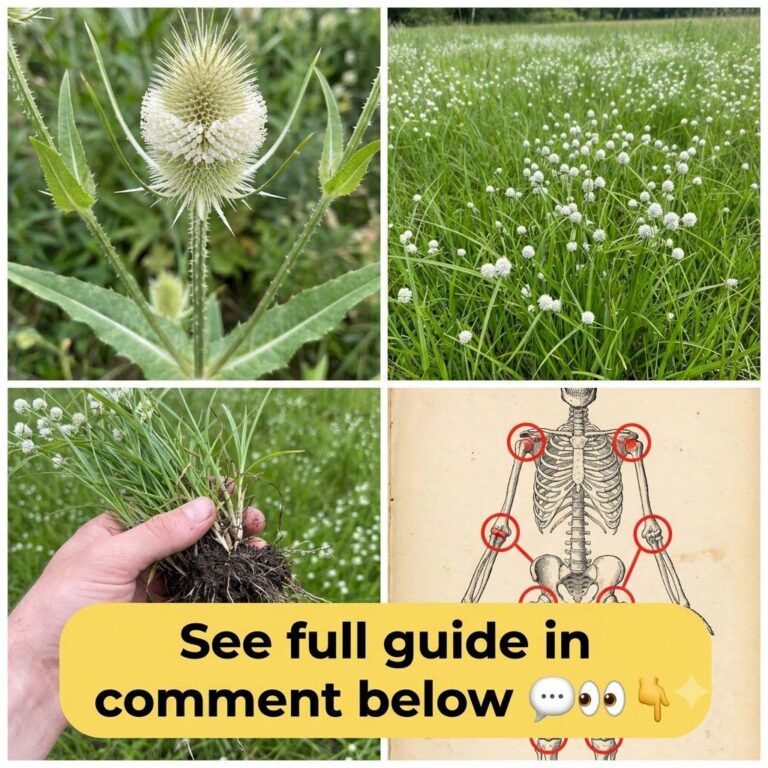
Most people reaching for natural comfort often overlook the power of specific, lesser-known plant pairings. While many remedies focus on single herbs, some of nature’s most effective solutions come from synergistic combinations. This is precisely the case with the ancient duo of Dipsacus and Kyllinga, two plants traditionally valued for their role in promoting natural joint comfort.
You might be surprised to learn that the robust teasel plant (Dipsacus) and the humble whitehead sedge (Kyllinga) have a long history of traditional use in supporting mobility and easing joint discomfort. This guide will reveal how to prepare a simple yet potent herbal tea blend that brings these two powerful botanicals together, offering a practical approach to harnessing their combined benefits.
What it is: Dipsacus & Kyllinga Joint Support Tea
This remedy is an herbal tea made from a blend of Dipsacus (teasel) root and Kyllinga (whitehead sedge) whole plant. While Dipsacus is widely recognized in various traditional systems for its supportive role in bone and joint health, Kyllinga is often lauded for its potential anti-inflammatory properties and its role in easing discomfort. Together, they create a tea designed to provide a natural, holistic approach to joint comfort, promoting flexibility and mobility through regular use.
Ingredients
- Dried Dipsacus root (Dipsacus fullonum/sylvestris)
- Dried Kyllinga whole plant (Kyllinga brevifolia)
- Filtered water
Approximate Measurements
For a single serving (about 1 cup of tea):
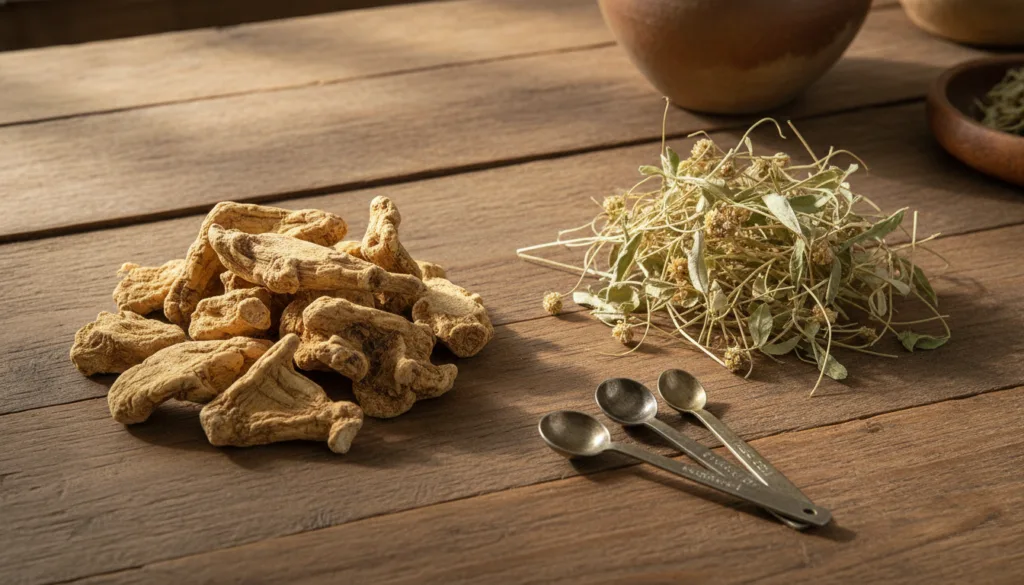
- 1 teaspoon dried Dipsacus root (finely chopped or powdered)
- 1 teaspoon dried Kyllinga whole plant (chopped)
- 1 cup (240ml) filtered water
For a larger batch (about 4 cups):
- 1 tablespoon dried Dipsacus root
- 1 tablespoon dried Kyllinga whole plant
- 4 cups (960ml) filtered water
Formula / Recipe
The core of this remedy lies in the equal parts ratio of Dipsacus root and Kyllinga whole plant. This balance is believed to optimize their complementary properties. Some traditions may adjust ratios based on individual needs or specific ailments, but a 1:1 ratio is a good starting point for general joint support.
Quick Tip: Fresh vs. Dried Herbs
| Feature | Fresh Herbs | Dried Herbs |
|---|---|---|
| Potency | Potentially higher in some volatile compounds; less concentrated | Concentrated, easier to dose; stable |
| Availability | Seasonal, requires foraging/cultivation | Year-round, easy to purchase |
| Storage | Short shelf-life (days), refrigeration needed | Long shelf-life (1-2 years), cool, dark place |
| Preparation | Requires more material, often decocted longer | Standard for tea, precise measurements |
Step-by-Step Method
- Prepare Your Herbs: If your Dipsacus root and Kyllinga plant material are not already chopped, carefully chop them into small pieces. Finer pieces will allow for better extraction.
- Combine Ingredients: Place the measured dried Dipsacus root and Kyllinga whole plant into a small saucepan or a heat-safe glass jar.
- Add Water: Pour the filtered water over the herbs.
- Simmer (Decoction Method): Bring the mixture to a gentle boil, then reduce heat immediately to a simmer. Cover the saucepan.
- Brew: Allow the herbs to simmer for 15-20 minutes. This decoction method is important for extracting the beneficial compounds from the tougher root and plant material.
- Strain: Remove from heat and let it cool slightly. Strain the tea through a fine-mesh sieve or cheesecloth into a mug, pressing on the solids to extract as much liquid as possible.
- Sweeten (Optional): If desired, add a touch of honey or a slice of lemon for flavor.
How to Use
This Dipsacus & Kyllinga tea is intended for internal consumption. Drink it warm, like any other herbal tea. It’s often recommended to consume it on an empty stomach, or at least 30 minutes before or 1 hour after meals, to potentially enhance absorption.
How Often to Use
For general joint comfort and support, consume 1-2 cups of this tea daily. Many traditional practices suggest a consistent daily intake over several weeks or months to observe the full benefits. Listen to your body and adjust as needed.
How to Buy / How to Choose Ingredients
Sourcing quality herbs is paramount for safety and efficacy.
- Reputable Suppliers: Always purchase dried Dipsacus root and Kyllinga whole plant from certified organic or reputable herbal suppliers. Look for companies that provide origin information and batch testing.
- Appearance & Aroma: Good quality dried herbs should have a natural color, a distinct (though mild) earthy aroma, and be free from mold, dust, or insect damage.
- Avoid Wild Harvesting (Unless Expert): Unless you are an experienced herbalist with proper identification skills, avoid wild-harvesting Dipsacus and Kyllinga. Misidentification can lead to consuming toxic plants or harvesting from contaminated areas.
Storage
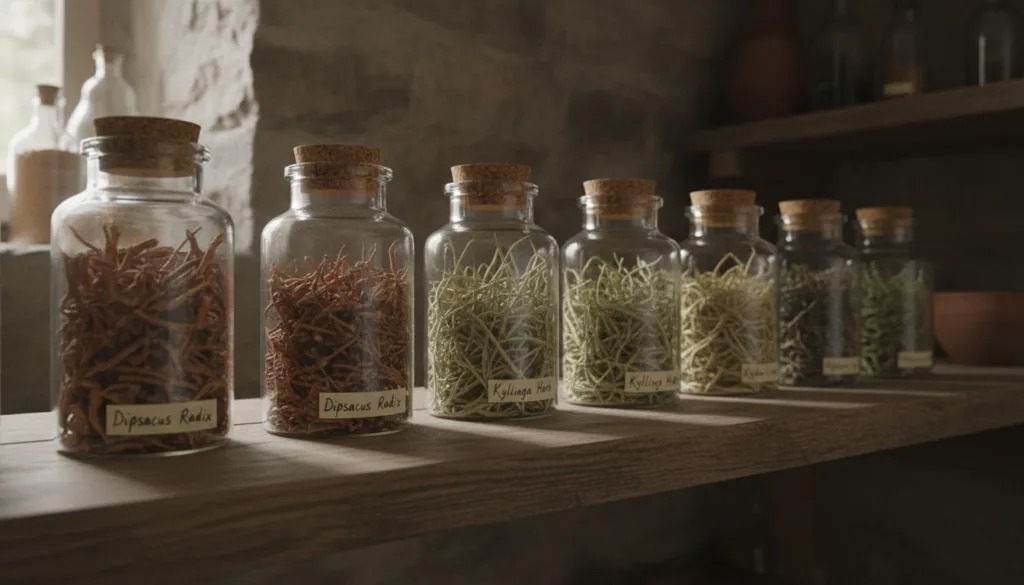
- Dried Herbs: Store dried Dipsacus root and Kyllinga whole plant in airtight containers (glass jars are ideal) in a cool, dark, dry place. Kept properly, they can retain potency for up to 1-2 years.
- Prepared Tea: Any leftover tea can be stored in an airtight container in the refrigerator for up to 24-48 hours. Reheat gently before consumption. Do not store for longer periods, as efficacy can diminish and spoilage can occur.
Practical Tips
- Consistency is Key: Like many natural remedies, the benefits of Dipsacus and Kyllinga tea are often cumulative. Regular, consistent use is more effective than sporadic consumption.
- Listen to Your Body: Pay attention to how your body responds. Some individuals may experience effects more quickly than others.
- Complementary Practices: For optimal joint health, combine this tea with other healthy lifestyle choices, such as a balanced diet, regular gentle exercise, and adequate hydration.
- Flavor Enhancers: If the earthy taste is too strong, try adding a small amount of fresh ginger, cinnamon stick, or a squeeze of lemon juice while brewing.
Read more: Herbal Anti-Inflammatory Teas You Need to Know
Common Mistakes
- Using Sprayed Plants: Harvesting or buying herbs that have been treated with pesticides or herbicides. Always opt for organic or wild-crafted from clean sources.
- Incorrect Plant Identification: Foraging without expert knowledge can lead to serious health risks. Always verify your plant sources.
- Boiling Instead of Simmering: Vigorous boiling can destroy delicate compounds. A gentle simmer is best for decocting roots and tough plant parts.
- Insufficient Brewing Time: Not allowing the herbs to simmer long enough means you won’t extract the full spectrum of beneficial compounds.
- Over-expecting Instant Results: Herbal remedies work gradually. Patience and consistency are crucial.
- Ignoring Cautions: Failing to consider contraindications or potential interactions.
Cautions / Who Should Avoid It
- Pregnancy and Breastfeeding: There is insufficient research on the safety of Dipsacus and Kyllinga during pregnancy and breastfeeding. It’s best to avoid use.
- Medication Interactions: If you are taking any prescription medications, especially blood thinners, immunosuppressants, or drugs for diabetes or heart conditions, consult with a healthcare professional before consuming this tea.
- Allergies: Individuals with known allergies to plants in the Teasel (Dipsacaceae) or Sedge (Cyperaceae) families should exercise caution.
- Digestive Sensitivity: Start with a small amount to assess digestive tolerance, as some individuals might experience mild digestive upset.
- Children: This tea is generally not recommended for children without professional guidance.
Quick Summary
- Best Preparation: Decoction (gentle simmer for 15-20 minutes).
- Best Use-Case: Supporting natural joint comfort and mobility.
- Storage: Dried herbs in airtight containers (1-2 years); prepared tea refrigerated (24-48 hours).
- When to Use: 1-2 cups daily, preferably on an empty stomach for consistent support.
- What to Avoid: Sprayed herbs, misidentification, vigorous boiling, and use during pregnancy/breastfeeding without medical advice.
FAQ
Can I use fresh Dipsacus and Kyllinga instead of dried?
Yes, you can, but you’ll need a significantly larger quantity of fresh material (often 2-3 times more by weight) due to its water content. The brewing time might also need adjustment.
How long does the prepared tea last?
The prepared tea should be consumed within 24-48 hours if refrigerated in an airtight container.
Can I refrigerate the dried herbs?
Refrigerating dried herbs is generally not necessary and can introduce moisture. Store them in a cool, dark, dry place at room temperature.
How often should I use this tea for best results?
Consistent daily use (1-2 cups) over several weeks or months is often recommended for observable benefits.
What part of Dipsacus is best for this tea?
For joint support, the root of the Dipsacus plant is traditionally preferred for its concentrated compounds.
Can I reuse the tea herbs for another batch?
While some medicinal compounds might remain, a significant portion will have been extracted in the first decoction. Reusing will result in a much weaker tea.
When should I avoid Dipsacus & Kyllinga tea?
Avoid if pregnant, breastfeeding, or on medications (especially blood thinners) without consulting a healthcare professional. Also, if you have known allergies to these plants.
You may also like: DIY Herbal Salves for Muscle Pain Relief
Conclusion
Embracing the ancient wisdom of Dipsacus and Kyllinga offers a practical path to natural joint comfort. By understanding the proper preparation, usage, and storage of this potent herbal tea, you can integrate a centuries-old remedy into your daily routine. Remember that consistency, quality ingredients, and listening to your body are the cornerstones of successful herbal support. Take the first step towards a more comfortable and mobile you by exploring the simple power of this remarkable plant duo.
See the full guide: Understanding Natural Pain Relief Options