When it comes to maintaining a healthy heart and clear arteries, most people immediately think of restrictive diets, strenuous exercise, or even medication. What if a simple, natural solution, often overlooked and readily available, held an unexpected key to supporting your arterial health? Most people never realize this works because they focus on the fruit, not the incredibly potent leaves.
Guava leaves, commonly known for their use in traditional medicine, offer a fascinating and accessible way to support your cardiovascular system. Far from being a mere folk remedy, modern research is beginning to shed light on the compounds within these humble leaves that can contribute to reducing arterial plaque buildup and promoting healthy blood flow. This isn’t about magical cures, but about understanding how a natural ingredient can complement a healthy lifestyle.
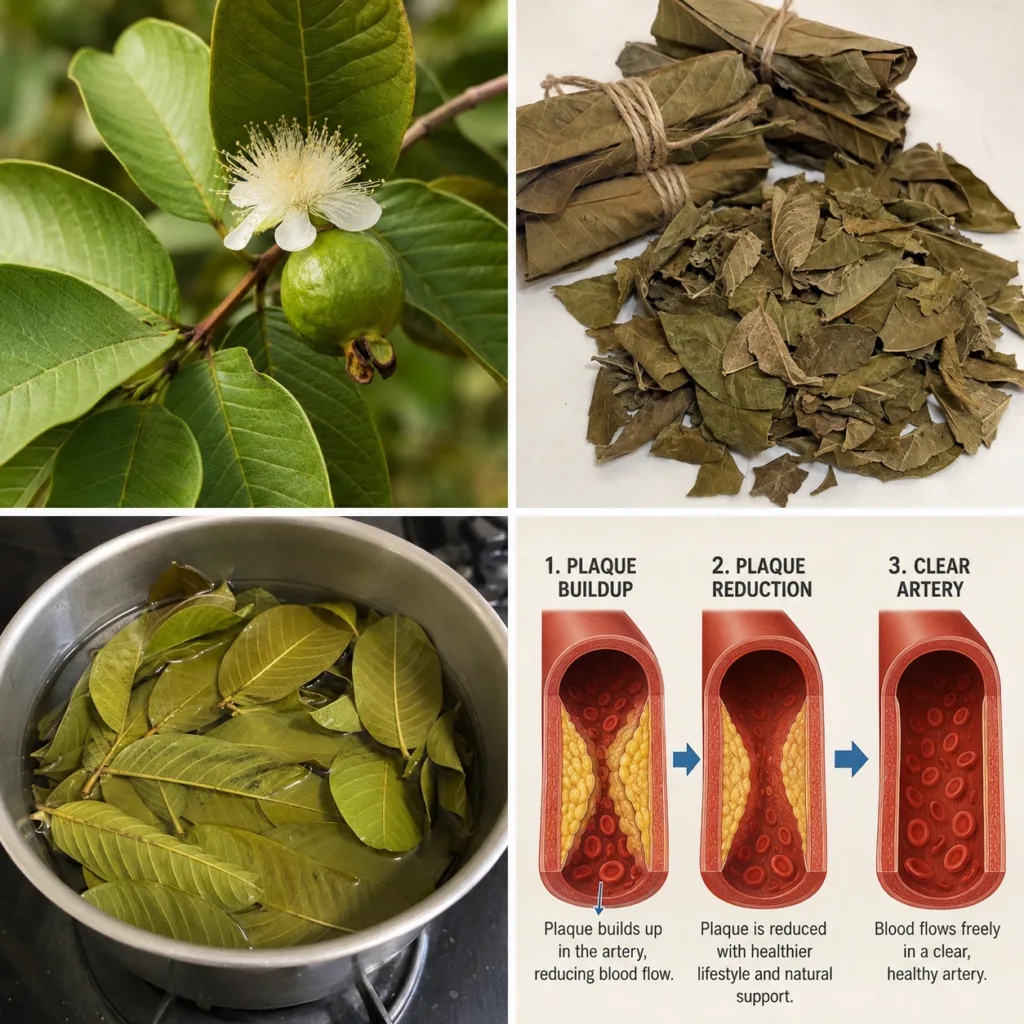
What It Is: Guava Leaf Infusion for Arterial Support
Our focus today is on a simple guava leaf infusion, a tea-like preparation designed to harness the beneficial compounds present in Psidium guajava leaves. This isn’t a complex concoction; rather, it’s an easy-to-make tonic that can become a beneficial part of your daily routine. The leaves themselves are rich in antioxidants and anti-inflammatory compounds, which are crucial for maintaining the integrity and flexibility of your arteries.
Ingredients
- Fresh or dried guava leaves
- Filtered water
Approximate Measurements
- For Dried Leaves: 1 tablespoon (about 5-7 grams) of dried, crushed guava leaves per 8 ounces (240ml) of water.
- For Fresh Leaves: 3-5 medium-sized fresh guava leaves per 8 ounces (240ml) of water.
Formula / Recipe: Simple Guava Leaf Tea
The beauty of this remedy lies in its simplicity. You’re essentially creating a potent herbal tea. The key is to extract the active compounds without destroying them through excessive heat or processing.
Step-by-Step Method
- Gather Your Leaves: If using fresh leaves, wash them thoroughly under cold water to remove any dirt or residues. If using dried, ensure they are clean and free from debris.
- Prepare the Water: Bring your filtered water to a rolling boil in a non-reactive pot (stainless steel or glass is ideal).
- Add the Leaves: Once the water boils, remove the pot from the heat. Immediately add the fresh or dried guava leaves to the hot water.
- Steep: Cover the pot and let the leaves steep for 10-15 minutes. Steeping allows the beneficial compounds to infuse into the water without being degraded by prolonged boiling.
- Strain: Using a fine-mesh strainer or cheesecloth, strain the liquid into a cup, discarding the spent leaves.
- Cool and Serve: Allow the infusion to cool to a comfortable drinking temperature.
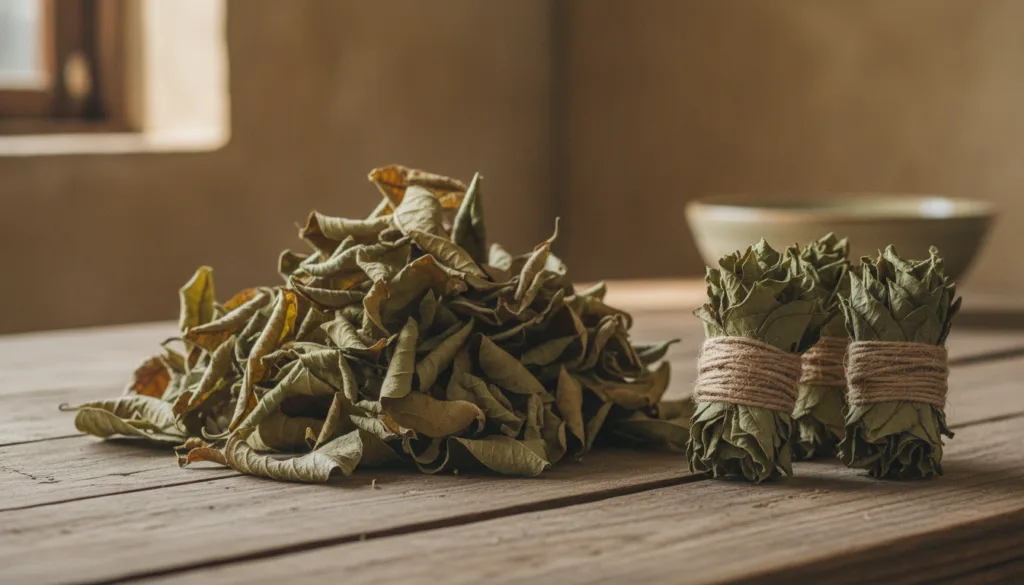
Quick Tip: Fresh vs. Dried
| Feature | Fresh Guava Leaves | Dried Guava Leaves |
|---|---|---|
| Availability | Seasonal, requires a guava tree or tropical climate access | Available year-round, often found online or in herbal stores |
| Potency | Potentially higher concentration of volatile compounds, but can vary | Concentrated, easier to measure consistently |
| Preparation | Wash thoroughly, may need to tear or lightly bruise | Simply add to hot water |
| Flavor Profile | Often brighter, more herbaceous | Earthier, slightly more concentrated flavor |
| Storage | Refrigerate for a few days, best used immediately | Store in an airtight container in a cool, dark place for months |
How to Use
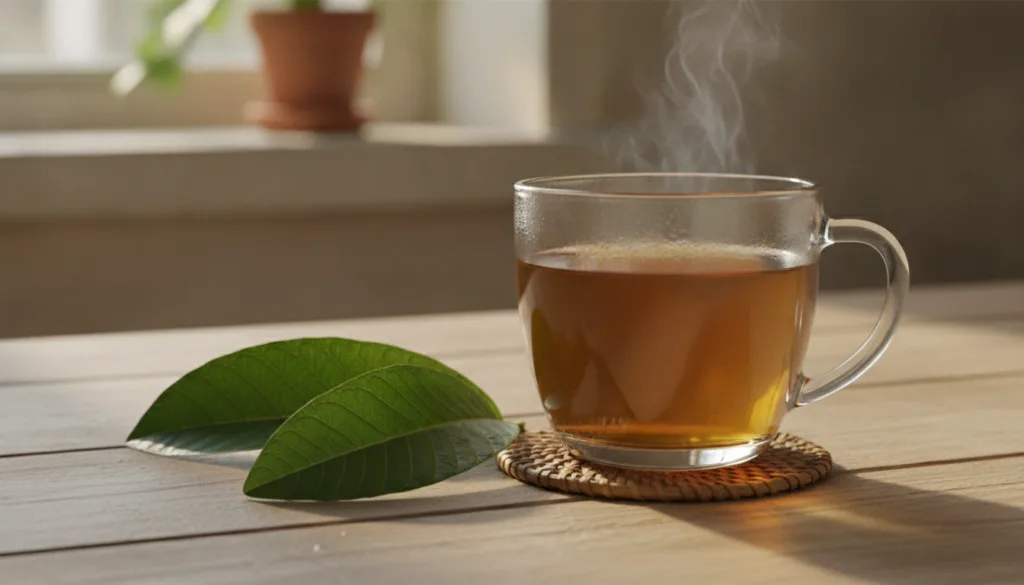
Drink the prepared guava leaf infusion. You can enjoy it plain, or add a squeeze of lemon or a tiny bit of honey if desired, though pure is often best for maximum benefit.
How Often to Use
For consistent support, consume one cup of guava leaf infusion daily. Some individuals may opt for two cups, one in the morning and one in the evening, but starting with one is recommended to gauge your body’s response.
How to Buy / How to Choose Ingredients
When sourcing guava leaves, quality is paramount:
- Fresh Leaves: If you have access to a guava tree, pick young, vibrant green leaves that show no signs of damage, disease, or pest infestation. Ensure the tree has not been sprayed with pesticides.
- Dried Leaves: Purchase from reputable herbal suppliers who can guarantee the leaves are organic, sustainably harvested, and free from contaminants. Look for whole, unbroken leaves or coarsely cut pieces, not finely powdered.
Storage
- Dried Leaves: Store in an airtight glass jar or container in a cool, dark place, away from direct sunlight and moisture. They can last for several months to a year.
- Prepared Infusion: The tea is best consumed fresh. If you prepare a larger batch, store it in a sealed container in the refrigerator for no more than 24 hours. Reheating is not recommended as it can diminish potency.
Practical Tips
- Consistency is Key: Like any natural remedy, regular and consistent use yields the best results. Don’t expect immediate changes after just one cup.
- Listen to Your Body: Pay attention to how your body responds. If you notice any discomfort, adjust your intake or consult a healthcare professional.
- Combine with Lifestyle: Guava leaf tea is a supportive measure. It works best when combined with a balanced diet, regular exercise, and stress management for overall arterial health.
Common Mistakes
- Boiling Leaves for Too Long: Prolonged boiling can destroy sensitive beneficial compounds. Always add leaves after removing water from heat and steep.
- Using Sprayed Leaves: Pesticides or herbicides can be harmful. Always ensure your leaves are organic and untreated.
- Storing Improperly: Moisture and light degrade the potency of dried leaves. Airtight, dark, and cool storage is crucial.
- Over-Complicating the Recipe: Adding too many ingredients can dilute the effectiveness or introduce unwanted interactions. Keep it simple.
Cautions / Who Should Avoid It
- Pregnancy and Breastfeeding: Limited research exists, so it’s best to avoid guava leaf tea during pregnancy and while breastfeeding.
- Individuals with Blood Pressure Issues: Guava leaves may slightly lower blood pressure. If you are on blood pressure medication, consult your doctor before incorporating this remedy.
- Diabetes: Guava leaves may affect blood sugar levels. Diabetics should monitor their blood sugar closely and consult their doctor.
- Surgery: Stop using guava leaf preparations at least two weeks before scheduled surgery due to potential effects on blood sugar or blood pressure.
- Allergies: If you have allergies to guava fruit or other related plants, exercise caution.
Quick Summary
Guava leaf infusion is a simple, natural remedy aimed at supporting arterial health. Brew 3-5 fresh leaves or 1 tbsp dried leaves per cup of hot water, steeping for 10-15 minutes. Consume one cup daily. Store dried leaves in an airtight container and tea fresh for best results. Avoid prolonged boiling and ensure leaves are pesticide-free. Individuals with specific health conditions or on medication should consult a doctor before use.
FAQ
- Can I use fresh or dried guava leaves?
Both fresh and dried leaves can be used. Dried leaves are often more convenient and consistent in potency. - How long does guava leaf tea last?
The prepared tea is best consumed fresh but can be stored in the refrigerator for up to 24 hours. Dried leaves, properly stored, can last for many months. - Can I refrigerate the brewed tea?
Yes, for up to 24 hours in a sealed container. Reheating is not recommended. - How often should I use it for arterial health?
One cup daily is a good starting point for consistent support. - What part of the guava plant is best for this remedy?
The young, mature leaves are primarily used for their beneficial compounds. - Can I reuse the leaves for another brew?
No, the beneficial compounds are mostly extracted in the first steeping, so it’s best to use fresh leaves for each cup. - When should I avoid guava leaf tea?
Avoid if pregnant, breastfeeding, or if you have specific medical conditions like diabetes or low blood pressure, especially if on medication. Always consult a healthcare professional.
Conclusion
Incorporating guava leaf tea into your daily routine offers a natural, practical way to support your arterial health. By understanding its simple preparation and use, along with vital precautions, you can harness the overlooked power of these humble leaves. Remember, natural remedies work best as part of a holistic approach to well-being, complementing a healthy lifestyle rather than replacing conventional medical advice.