In the ever-evolving world of health and wellness, it’s easy to get caught up in dietary dogma. We’re constantly bombarded with messages labeling foods as ‘good’ or ‘bad,’ creating a rigid framework that often overlooks the nuances of nutrition. But what if some of the foods you’ve been avoiding actually offer surprising benefits?
At Glowra Health, we believe that nutrition is rarely black and white. It’s about balance, context, and understanding the full picture. Many foods get a bad rap due to outdated information, exaggerated claims, or simply because their healthy attributes are overshadowed by unhealthy preparation methods. It’s time to set the record straight.
Join us as we explore 10 foods we were told were ‘bad’ and uncover the truth about why they deserve a place in your balanced diet. Get ready to challenge your assumptions and embrace a more flexible, informed approach to eating.
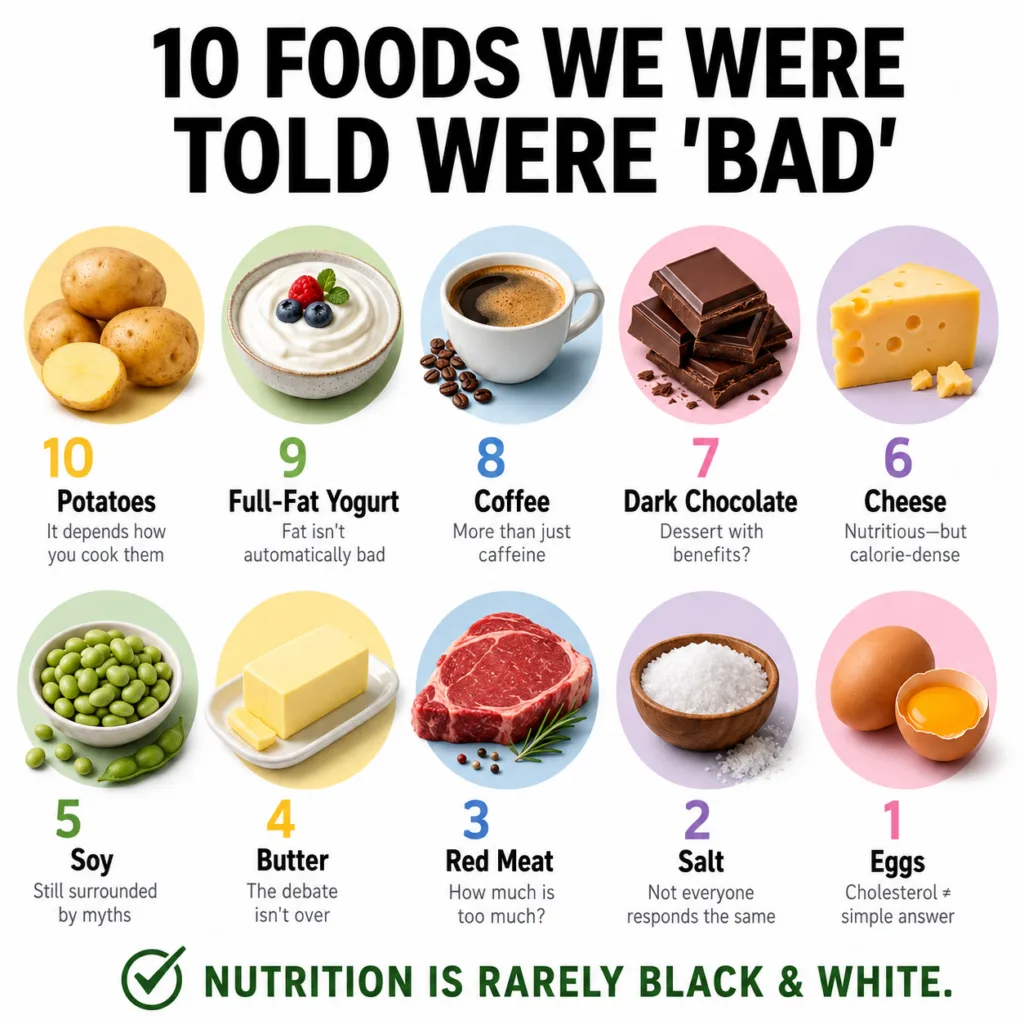
Unpacking the Myths: 10 Foods We Were Told Were “Bad”
10. Potatoes: More Than Just a Starchy Side
For years, potatoes have been unfairly grouped with ‘bad carbs.’ However, these versatile tubers can absolutely be part of a healthy diet, especially when consumed with their skin. The skin is packed with fiber, which aids digestion and promotes satiety. Potatoes are also a good source of potassium and vitamin C.
- Smart Tip: Opt for baked, roasted, or boiled potatoes instead of fried. Pair them with lean protein and plenty of non-starchy vegetables for a balanced meal.
9. Coffee: Your Antioxidant-Rich Morning Ritual
Often linked to jitters and dependency, coffee’s bad reputation overlooks its impressive health benefits. It’s rich in antioxidants like polyphenols and hydrocinnamic acids, which help protect your cells from damage. Studies suggest moderate coffee consumption may reduce the risk of type 2 diabetes, Parkinson’s disease, and certain liver conditions.
- Smart Tip: Enjoy your coffee in moderation (1-3 cups daily) and minimize added sugars, artificial sweeteners, and excessive cream to reap the benefits without the drawbacks.
8. Popcorn: A Wholesome Whole Grain Snack
Forget the buttery, sugary cinema versions. Air-popped popcorn is a fantastic whole grain, making it a good source of fiber. Fiber is crucial for digestive health, helps regulate blood sugar, and keeps you feeling full. When prepared simply, popcorn is a low-calorie, satisfying snack.
- Smart Tip: Air-pop your popcorn at home and season it lightly with herbs, spices, or a tiny drizzle of olive oil instead of butter and heavy salts.
7. Eggs: A Powerhouse of Protein and Nutrients
Once demonized for their cholesterol content, eggs have made a triumphant return to the healthy eating spotlight. They are incredibly nutrient-dense, providing high-quality protein, essential amino acids, and a wealth of vitamins and minerals, including choline (vital for brain health), Vitamin D, and B12.
- Smart Tip: Enjoy eggs cooked any way you like – scrambled, poached, boiled, or as an omelet. For most healthy individuals, dietary cholesterol from eggs has little impact on blood cholesterol levels.
6. Whole Milk: Satiating and Nutrient-Rich
While skim milk gained popularity, whole milk offers unique benefits. It’s a good source of protein, calcium, and vitamin D, all crucial for bone health. The full-fat content can contribute to greater satiety, helping you feel fuller for longer and potentially reducing overall calorie intake from other sources.
- Smart Tip: If you enjoy dairy, whole milk can be a satisfying choice within a balanced diet. Consider your overall fat intake from other foods.
5. Peanut Butter: Healthy Fats and Protein Fuel
Often associated with high calories and fat, natural peanut butter is a wonderful source of healthy monounsaturated and polyunsaturated fats, as well as plant-based protein. These fats are beneficial for heart health and provide sustained energy.
- Smart Tip: Choose natural varieties with minimal ingredients (just peanuts and perhaps a little salt). Watch your portion sizes, as peanut butter is calorie-dense, but a small amount can be very filling.
4. Shrimp: A Lean Protein Gem
Shrimp has often been misunderstood due to past concerns about its cholesterol. However, it’s a low-calorie, high-protein seafood option that provides important nutrients like selenium, an antioxidant, and Vitamin B12. Its saturated fat content is very low, making it a healthy choice.
- Smart Tip: Enjoy shrimp grilled, baked, or stir-fried. Pair it with fresh vegetables and whole grains for a light, nutritious meal.
3. Avocados: The Heart-Healthy Fruit
Rich in fats, avocados were once viewed with suspicion. Today, they are celebrated for their healthy monounsaturated fats, which are excellent for heart health and can help lower ‘bad’ LDL cholesterol. Avocados also provide fiber, potassium (more than a banana!), and numerous vitamins, enhancing nutrient absorption from other foods.
- Smart Tip: Incorporate avocados into salads, smoothies, or spread on whole-grain toast. They add a creamy texture and a boost of healthy fats to any dish.
2. Full-Fat Cheese: Calcium, Protein, and Probiotic Potential
Like whole milk, full-fat cheese was sidelined for its fat content. Yet, it’s an excellent source of calcium for strong bones, high-quality protein, and in some aged or fermented varieties, beneficial probiotics for gut health. The fat also contributes to satiety, making you feel satisfied with smaller portions.
- Smart Tip: Enjoy full-fat cheese in moderation as part of a balanced diet. Pair it with fruit, whole-grain crackers, or add a sprinkle to your salads.
1. Dark Chocolate: A Sweet Treat for Your Heart
Good news for chocolate lovers! Dark chocolate, particularly varieties with 70% cocoa or higher, is packed with antioxidants called flavonoids. These compounds may improve heart health, lower blood pressure, and even enhance mood. It’s a delightful way to get a dose of beneficial plant compounds.
- Smart Tip: Choose dark chocolate with at least 70% cocoa for maximum benefits and minimal sugar. Enjoy a small square (1 ounce) as a daily treat to satisfy cravings healthily.

The Nuance of Nutrition: It’s Rarely Black and White
As this exploration reveals, the world of nutrition is far more complex and interesting than simple ‘good’ or ‘bad’ labels suggest. These 10 foods, once viewed with skepticism, are now recognized for their valuable contributions to a healthy diet when consumed thoughtfully.
Understanding the context, preparation methods, and portion sizes is key. Instead of eliminating entire food groups based on outdated myths, focus on incorporating a wide variety of whole, unprocessed foods into your daily routine. Listen to your body, enjoy your food, and always prioritize balance.