There’s nothing quite like the taste of a sun-ripened tomato, plucked straight from your own garden. That burst of flavor, the juicy texture – it’s a reward that makes all the effort worthwhile! But how do you ensure your tomato plants are not just surviving, but truly thriving and delivering that abundant harvest you dream of?
The secret often lies in providing them with the right nutrients at the right time. And guess what? You don’t always need expensive, store-bought solutions. Many of the best ingredients for a flourishing tomato patch can be found right in your kitchen or backyard, transformed into powerful DIY fertilizers.
Why Choose DIY Fertilizer for Your Tomatoes?
Opting for homemade fertilizers offers a multitude of benefits, aligning perfectly with an organic and sustainable gardening philosophy. Here’s why many gardeners swear by them:
- Cost-Effective: You’re often using materials you already have, reducing waste and saving money.
- Eco-Friendly: Less packaging, fewer chemicals, and a reduced carbon footprint compared to synthetic alternatives.
- Soil Health: Organic matter improves soil structure, water retention, and microbial activity, leading to a healthier long-term garden.
- Customization: You have control over what goes into your fertilizer, ensuring your plants get exactly what they need without unwanted additives.
- Pest Resistance: Healthy, well-fed plants are often more resilient against pests and diseases.
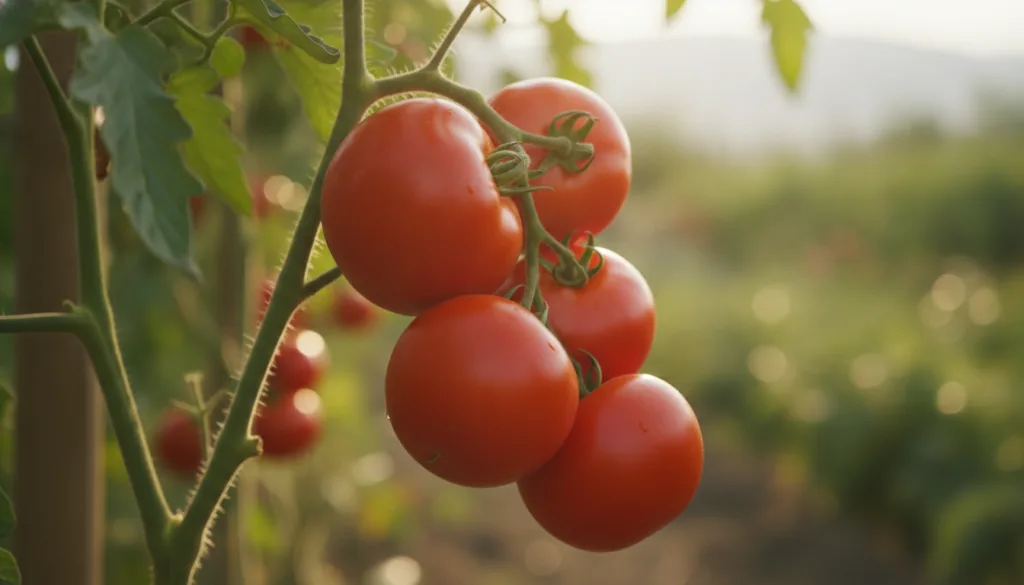
Key Nutrients for Tomato Success
Tomatoes are hungry plants! They need a balanced diet of macronutrients and micronutrients to produce their best. The main macronutrients are:
- Nitrogen (N): Essential for lush, green foliage growth. Too much, however, can lead to leafy plants with fewer fruits.
- Phosphorus (P): Crucial for strong root development, flowering, and fruit production.
- Potassium (K): Supports overall plant health, disease resistance, and fruit quality.
They also benefit from micronutrients like calcium (to prevent blossom end rot), magnesium, and iron.
Simple DIY Fertilizers for Your Tomato Plants
Here are some popular and effective homemade fertilizer options you can easily make:
1. Compost Tea
Compost tea is a liquid gold for your garden. It’s packed with beneficial microbes and a balanced array of nutrients. To make it:
- Fill a permeable bag (like an old pillowcase or burlap sack) with finished compost.
- Submerge the bag in a bucket of water (preferably rainwater or dechlorinated tap water) for 1-3 days.
- Stir occasionally. The water will turn a brownish color.
- Remove the compost bag and dilute the tea to a light brown color.
Application: Use to water the base of your tomato plants every 2-4 weeks.
2. Eggshell Powder (for Calcium Boost)
Calcium deficiency is a common cause of blossom end rot in tomatoes. Eggshells are an excellent, slow-release source of calcium.
- Wash and dry eggshells thoroughly.
- Crush them into a fine powder using a blender or mortar and pestle.
Application: Mix a tablespoon or two into the soil around the base of each plant every few weeks, or incorporate it into the planting hole.
3. Banana Peel Water (for Potassium)
Banana peels are rich in potassium, a vital nutrient for fruit development and overall plant vigor.
- Chop banana peels into small pieces.
- Soak the pieces in water for a few days to a week.
- Remove the peels and use the nutrient-rich water.
Application: Dilute the banana peel water (if very concentrated) and use it to water your tomato plants every 2-3 weeks, especially as they start to flower and fruit.
4. Coffee Grounds (for Nitrogen and Acidity)
Used coffee grounds can add a gentle boost of nitrogen and organic matter to the soil, and tomatoes often appreciate slightly acidic soil.
Application: Sprinkle a thin layer of used coffee grounds around the base of your tomato plants every few weeks. Be careful not to apply too much, as excessive nitrogen can prioritize foliage over fruit.
5. Epsom Salt (for Magnesium)
Epsom salt (magnesium sulfate) provides magnesium, which aids in photosynthesis and nutrient uptake, leading to healthier plants and sweeter fruits.
Application: Dissolve 1-2 tablespoons of Epsom salt in a gallon of water and water your plants with this solution once a month. Alternatively, you can apply a tablespoon of dry Epsom salt around the base of each plant every 4-6 weeks.
Tips for a Bountiful Harvest
Beyond fertilizing, remember these essential tips for thriving tomato plants:
- Sunny Spot: Tomatoes need at least 6-8 hours of direct sunlight per day.
- Consistent Watering: Keep the soil consistently moist, especially during flowering and fruiting, to prevent cracking and blossom end rot.
- Support: Provide stakes or cages to support heavy fruit loads and keep plants off the ground.
- Pruning: Remove suckers (the shoots that grow between the main stem and a branch) to direct the plant’s energy towards fruit production.
- Mulching: Apply a layer of mulch around the base of plants to retain moisture, regulate soil temperature, and suppress weeds.
Embracing a DIY approach to fertilizing your tomatoes is not only rewarding for your plants but also for your sense of connection to your garden. Experiment with these methods and watch your tomato plants flourish, bringing you closer to that perfect, homegrown harvest. Happy gardening!