Most people cherish the sweet, tropical fruit of the papaya tree, often overlooking the potent potential held within its broad, green leaves. Yet, for centuries, traditional practices have harnessed these very leaves for a variety of home preparations. One small mistake in harvesting or preparation, however, can diminish their effectiveness. This guide cuts through the noise to show you exactly how to tap into the practical power of papaya leaves, transforming them into useful remedies.
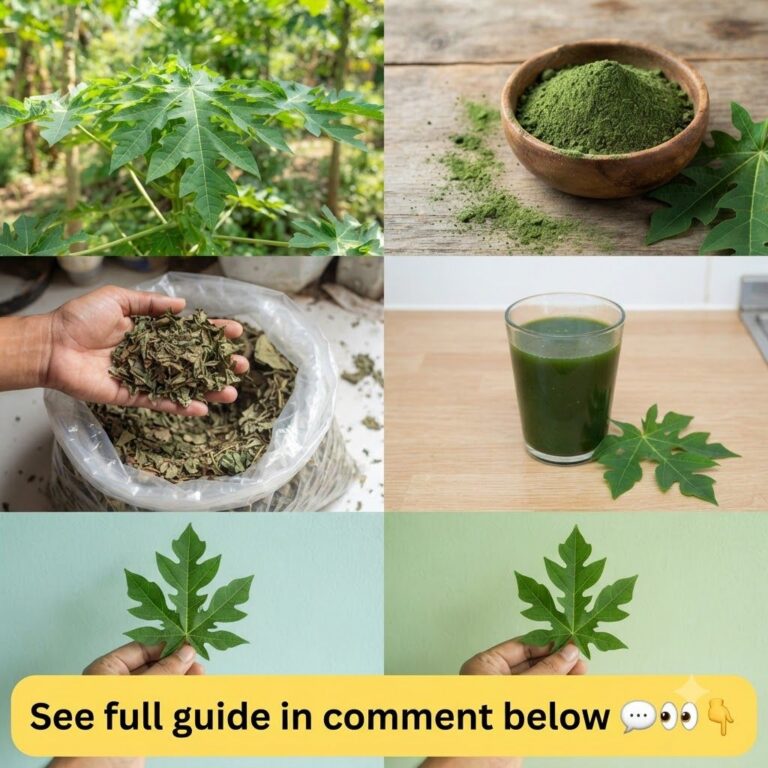
What are Papaya Leaves?
Papaya leaves come from the Carica papaya plant, a fast-growing tropical tree known for its distinctive fruit. While the fruit is a dietary staple, the large, deeply lobed leaves are a treasure trove for home remedy enthusiasts. They are often recognized for their unique enzymes and phytonutrients.
The Power of Preparation
The method you choose to prepare papaya leaves – whether as a tea, a fresh juice, or a dried powder – dictates how you can use them and what benefits you might seek. Understanding these transformations is key to maximizing their utility in your home. This is the part most people skip, focusing only on the “what” without the “how-to” for various forms.
Ingredients for Papaya Leaf Preparations
For most papaya leaf remedies, the primary ingredient is, unsurprisingly, the papaya leaf itself. However, the form and quality are crucial.
- Fresh Papaya Leaves: Opt for young to medium-aged leaves that are vibrant green, free from spots, discoloration, or signs of pest damage. Avoid old, yellowing, or wilted leaves.
- Water: Filtered or distilled water is best for teas and juices to avoid introducing impurities.
- Optional: A touch of honey or lemon can make fresh juice more palatable.
Approximate Measurements
The potency of papaya leaf preparations can vary, so these are general guidelines. Always start with smaller amounts and adjust as needed.
- For Tea: 2-3 medium-sized fresh leaves OR 1-2 tablespoons of dried, crushed leaves per 4 cups (1 liter) of water.
- For Juice/Extract: 2-4 medium-sized fresh leaves per 1/2 cup (120ml) of water for blending.
- For Powder: As many fresh leaves as needed to yield desired dried quantity. Generally, a large stack of fresh leaves will yield a small amount of powder.
Formulas & Recipes
1. Papaya Leaf Tea
A gentle way to introduce the leaf’s properties.
- Ingredients: 2-3 fresh papaya leaves (medium size) OR 1-2 tablespoons dried papaya leaves, 4 cups filtered water.
2. Fresh Papaya Leaf Juice
A concentrated form, often considered more potent.
- Ingredients: 2-4 fresh papaya leaves, 1/2 cup filtered water, optional: honey or lemon to taste.
3. Dried Papaya Leaf Powder
For long-term storage and versatile use.
- Ingredients: A generous batch of fresh papaya leaves.
Step-by-Step Methods
Making Papaya Leaf Tea
- Wash: Thoroughly wash fresh papaya leaves under running water. If using dried leaves, skip to step 3.
- Chop: Roughly chop fresh leaves into smaller pieces.
- Boil: Bring 4 cups of filtered water to a boil in a non-reactive pot.
- Steep: Add the chopped fresh leaves or dried crushed leaves to the boiling water. Reduce heat to low, cover, and simmer for 10-15 minutes (for fresh) or 5-10 minutes (for dried) until the water turns a deep greenish-brown.
- Strain: Remove from heat and let it cool slightly. Strain the liquid, discarding the leaf material.
Preparing Fresh Papaya Leaf Juice
- Wash & Chop: Wash 2-4 fresh papaya leaves and chop them into small pieces.
- Blend: Place the chopped leaves in a blender with 1/2 cup of filtered water.
- Process: Blend on high until a smooth paste forms. You may need to add a tiny bit more water if it’s too thick.
- Strain: Pour the mixture through a fine mesh sieve or cheesecloth, squeezing out all the liquid. Discard the pulp.
- Serve: Drink immediately. Add honey or lemon if desired for taste.
Creating Dried Papaya Leaf Powder
- Harvest & Wash: Select healthy, mature green leaves. Wash them thoroughly and pat dry.
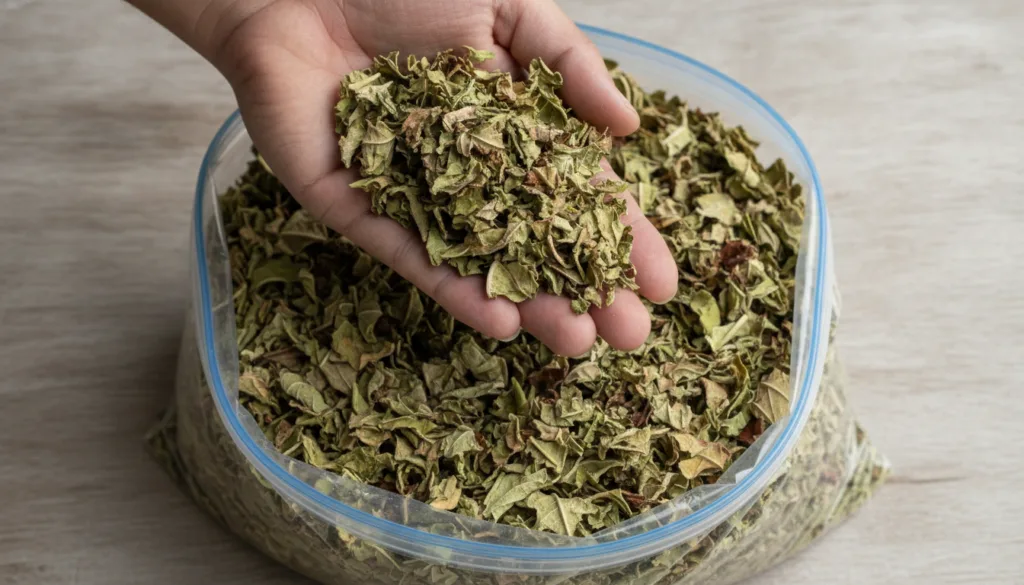
- Air Dry: Spread the leaves in a single layer in a well-ventilated, shaded area. Avoid direct sunlight, which can degrade compounds. This process can take several days to a week. The leaves should be completely brittle.
- Crush & Grind: Once fully dried, crush the leaves by hand or using a food processor/coffee grinder until a fine powder is achieved.
- Store: Transfer the powder to an airtight container.
How to Use & How Often to Use
The usage depends on the preparation and individual needs. Always consult a healthcare professional for specific conditions.
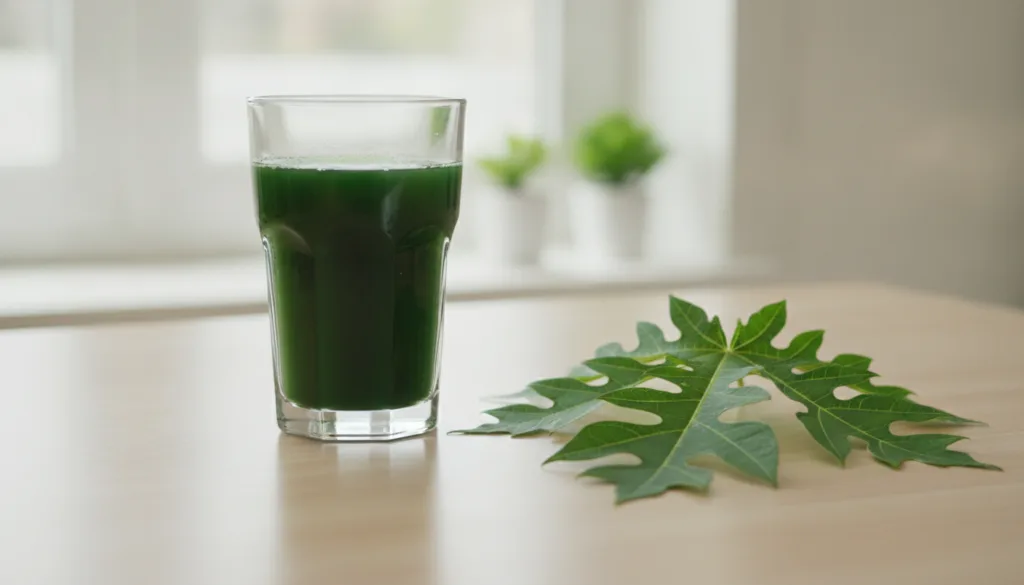
- Papaya Leaf Tea: Generally, 1-2 cups per day. Can be consumed warm or cold.
- Fresh Papaya Leaf Juice: Typically 1-2 tablespoons, 1-2 times a day. Its bitterness can be strong.
- Papaya Leaf Powder: 1/2 – 1 teaspoon mixed into water, smoothies, or food, once or twice daily.
Quick Tip: Taste Matters
Fresh papaya leaf juice can be quite bitter. If you find it too challenging, try mixing a small amount with a fruit juice like apple or orange, or adding a slice of lemon or a drop of honey.
How to Buy / How to Choose Ingredients
The quality of your raw material directly impacts the efficacy of your remedy.
- Fresh Leaves: If you don’t grow your own, check ethnic markets or specialty health food stores. Look for bright green, firm leaves without any wilting, yellowing, or black spots. Inspect both sides for pests.
- Dried Leaves/Powder: Purchase from reputable herbal suppliers. Ensure the product is organic, non-GMO, and free from additives or fillers. Check the color – it should be a deep green, not brown or faded.
Storage
Proper storage is essential to maintain potency and prevent spoilage.
- Fresh Leaves: Store in the refrigerator, wrapped in a damp paper towel and placed in a plastic bag, for up to 3-5 days.
- Papaya Leaf Tea/Juice: Store in an airtight container in the refrigerator for up to 24-48 hours. Fresh is always best.
- Dried Papaya Leaves/Powder: Store in an airtight, dark glass container in a cool, dry place away from direct sunlight. Can last 6-12 months.
Practical Tips
- Harvesting: When harvesting from your own plant, take leaves from the middle of the plant, leaving the youngest and oldest leaves intact.
- Purity: Always ensure your leaves (whether fresh or dried) come from plants that haven’t been sprayed with pesticides or herbicides.
- Start Slow: Introduce any new remedy gradually to see how your body responds.
Common Mistakes to Avoid
- Using Damaged Leaves: Leaves with holes, yellowing, or visible signs of disease may have reduced potency or introduce unwanted elements.
- Boiling Too Long: Over-boiling the leaves for tea can destroy some heat-sensitive compounds, making the remedy less effective. Simmer, don’t boil vigorously.
- Improper Drying: Drying in direct sun can degrade beneficial compounds. Air drying in shade or using a dehydrator on low heat is preferable.
- Storing in Wet Containers: Introducing moisture to dried leaves or powder will lead to mold and spoilage. Ensure containers are completely dry.
- Overconsumption: More isn’t always better. Stick to recommended dosages to avoid potential adverse effects.
Cautions / Who Should Avoid It
While generally considered safe for many, certain individuals should exercise caution or avoid papaya leaf preparations:
- Pregnant or Breastfeeding Women: Limited research exists, so it’s best to avoid.
- Individuals on Blood Thinners: Papaya leaf may have blood-thinning properties and could interact with medications.
- Diabetics: Some studies suggest it might lower blood sugar. Monitor levels closely if you are diabetic and on medication.
- Allergies: If you are allergic to papaya fruit or latex, you may also be allergic to the leaves.
- Surgery: Discontinue use at least two weeks before any scheduled surgery due to potential blood-thinning effects.
Quick Summary: Your Papaya Leaf Remedy Cheat Sheet
- Best Preparation for Daily Use: Tea (gentle) or powder (versatile).
- Best for Concentrated Use: Fresh juice.
- Storage: Fresh in fridge (days), liquid in fridge (1-2 days), dried/powder in airtight, dark container (months).
- When to Use: As a general wellness support, or for specific ailments after consulting a professional.
- What to Avoid: Damaged leaves, over-boiling, improper drying, using if pregnant/breastfeeding or on blood thinners.
| Form | Preparation Time | Shelf Life (Refrigerated) | Best Use Case |
|---|---|---|---|
| Fresh Leaves | N/A | 3-5 days | Juice, Tea |
| Tea (Fresh) | 15-20 min | 24-48 hours | Gentle daily support |
| Juice (Fresh) | 10-15 min | 24-48 hours | Concentrated intake |
| Dried Leaves | Days (drying) | 6-12 months (airtight) | Tea, Powder |
| Powder | Days (drying + grinding) | 6-12 months (airtight) | Long-term, versatile |
FAQ
- Can I use fresh or dried papaya leaves?
Yes, both are viable. Fresh leaves are often preferred for juice, while dried leaves are excellent for tea and powder, and for longer storage. - How long does papaya leaf tea or juice last?
For best potency and safety, consume within 24-48 hours if stored in the refrigerator. - Can I refrigerate fresh papaya leaves?
Yes, wrap them in a damp paper towel and place them in a plastic bag in the crisper drawer for up to 3-5 days. - How often should I use papaya leaf remedies?
This depends on the specific preparation and your needs. Generally, once or twice daily for most forms, but always start small and consult a professional. - What part of the papaya plant is best for remedies?
The leaves are the focus here, specifically healthy, mature green leaves. - Can I reuse papaya leaves for tea?
It’s not recommended. The beneficial compounds are largely extracted during the first brew, diminishing the potency of a second steeping. - When should I avoid papaya leaf preparations?
Avoid if pregnant, breastfeeding, on blood thinners, allergic to papaya, or before surgery. Always consult your doctor if you have underlying health conditions or are on medication. - Does papaya leaf taste bitter?
Yes, fresh papaya leaf, especially the juice, has a distinct bitter taste. This is normal and a sign of its potency.
Conclusion
Papaya leaves offer a remarkable array of uses beyond the familiar fruit. By understanding the distinct preparation methods – from a soothing tea to a potent fresh juice or a versatile dried powder – you can harness these leaves for practical home remedies. The key lies in proper harvesting, preparation, and mindful use. Skip the guesswork and follow these steps to integrate this powerful plant into your wellness routine safely and effectively.
You may also like: The Complete Guide to Herbal Tinctures at Home
Read more: Discovering the Benefits of Moringa Leaf Powder