Imagine fresh, crisp lettuce, ready for your salads and sandwiches, grown right on your windowsill! You don’t need a large garden or even much experience to enjoy the simple pleasure of regrowing lettuce from scraps. It’s an easy, sustainable, and incredibly rewarding gardening hack that turns kitchen waste into delicious greens.
Join us as we dive into this fantastic method that not only reduces waste but also provides a continuous supply of fresh produce. Let’s transform those humble lettuce butts into a vibrant new plant!
Why Regrow Lettuce? The Benefits Are Abundant!
Beyond the sheer satisfaction of growing your own food, regrowing lettuce offers several compelling advantages:
- Sustainable Living: It’s a fantastic way to reduce food waste and embrace a more eco-friendly lifestyle. Every leaf you regrow means one less trip to the store and less discarded produce.
- Budget-Friendly: Get more out of your groceries without spending an extra dime. It’s free food, essentially!
- Freshness Guaranteed: Enjoy the freshest possible greens. There’s nothing quite like harvesting lettuce minutes before it hits your plate.
- Educational Fun: It’s a wonderful project for all ages, teaching kids (and adults!) about plant growth and where food comes from.
- Indoor Gardening: Perfect for those with limited outdoor space. A sunny windowsill is all you need.
What You’ll Need
Getting started is incredibly simple. You likely already have everything you need:
- Lettuce Base: The bottom 1-2 inches of a lettuce head (romaine, butter, or even iceberg work well).
- Shallow Bowl or Dish: Something to hold the lettuce base and a bit of water.
- Water: Tap water is perfectly fine.
- Sunny Spot: A windowsill or any location that receives good indirect sunlight for several hours a day.
- Potting Soil (Optional, for later stage): If you plan to transfer your lettuce to soil.
- Small Pot (Optional, for later stage): A pot with drainage holes.
How to Regrow Lettuce: A Step-by-Step Guide
Step 1: Prepare Your Lettuce Base
After you’ve used most of your lettuce for salads, cut off the bottom 1 to 2 inches of the stem. Make sure the very bottom of the core is intact, as this is where the new roots and leaves will emerge.
Step 2: Place in Water
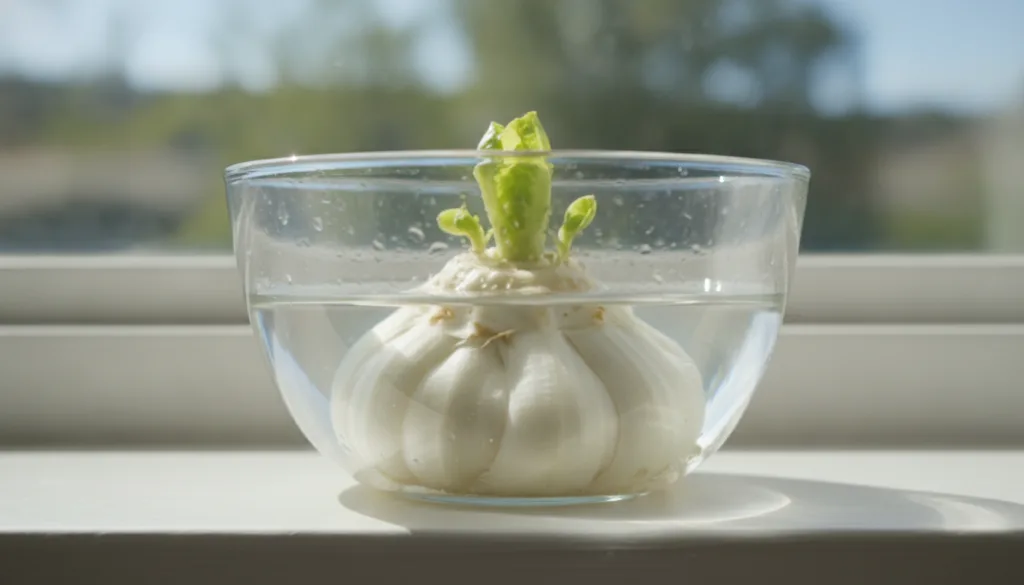
Find a shallow bowl or dish and place the lettuce base cut-side up. Add just enough water to cover the bottom 1/2 inch of the lettuce base. The goal is to keep the base moist, not submerged.
Step 3: Find a Sunny Spot
Place your bowl in a bright location, such as a windowsill that receives plenty of indirect sunlight. Direct, harsh sunlight can sometimes be too intense for the delicate new growth.
Step 4: Change Water Regularly
This is crucial! Change the water every 1-2 days to prevent mold and ensure the lettuce has access to fresh nutrients and oxygen. You’ll start to see small roots developing from the bottom and tiny new leaves emerging from the center within a few days.
Step 5: Watch it Grow!
Within a week or two, you should have a good amount of new growth. The inner leaves will grow taller and greener. You can start harvesting the outer leaves as they reach a usable size, making sure to leave the inner core to continue producing.
Step 6: Transplant to Soil (Optional, for sustained growth)
While you can continue to grow lettuce in water for a while, transferring it to soil will provide more nutrients and result in a larger, healthier plant. Once your lettuce has developed a good root system (about 2-3 inches long) and has a few inches of new leaf growth, it’s ready for a pot.
- Fill a small pot with good quality potting soil.
- Create a small depression in the center and carefully place the lettuce base into it, covering the roots with soil but leaving the top of the base and new growth exposed.
- Water thoroughly.
- Keep the soil consistently moist and place the pot in a sunny location.
Caring for Your Regrown Lettuce
- Watering: Whether in water or soil, ensure consistent moisture. If in soil, don’t let it dry out completely.
- Sunlight: Provide at least 4-6 hours of indirect sunlight daily.
- Harvesting: Harvest outer leaves as needed, allowing the inner leaves to continue growing. This ‘cut and come again’ method will extend your harvest.
- Pest Control: Keep an eye out for common indoor pests. A gentle wipe with a damp cloth can often deter them.
Troubleshooting Common Issues
- Rotting Base: This usually happens due to stagnant water. Ensure you change the water frequently.
- Slow Growth: Not enough light or too cold a temperature can slow growth. Move it to a warmer, brighter spot.
- Bolting (Flowering): If your lettuce starts to send up a tall stalk and flower, it means it’s stressed, often by heat or age, and its leaves will become bitter. It’s time to start a new batch!
Embrace the Joy of Regrowth!
Regrowing lettuce is a testament to nature’s resilience and a wonderfully simple way to connect with your food. It’s a small step towards a more sustainable and fulfilling gardening journey, right in your own home. Give it a try – you might just surprise yourself with how much joy (and fresh salad!) it brings.
Happy growing!