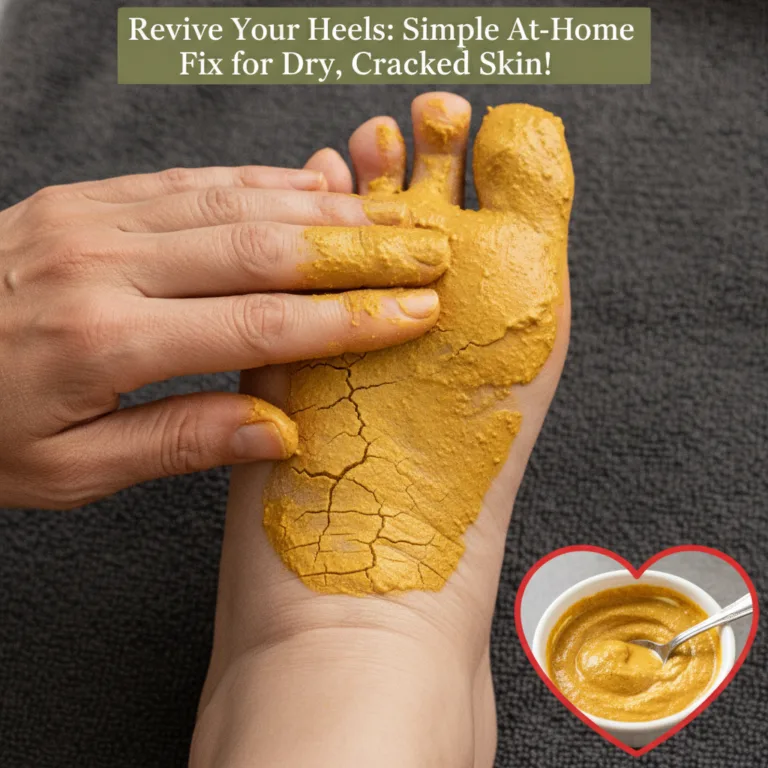
Revive Your Heels: Simple At-Home Fix for Dry, Cracked Skin!
Do you ever catch yourself wincing with every step, or perhaps hiding your feet because your heels feel rough, dry, and even cracked? You’re certainly not alone! Many of us experience the discomfort and embarrassment of dry, cracked heels, especially after a long day on our feet or during certain seasons.
But what if we told you that the secret to smoother, happier heels might not be hidden in an expensive cream, but rather in a simple, natural ingredient you can easily find and transform at home? Get ready to unlock the soothing power of nature and give your feet the tender loving care they truly deserve.
Why This Matters: Understanding Dry, Cracked Heels
Dry, cracked heels, scientifically known as heel fissures, are more than just a cosmetic concern. They can range from mildly annoying to downright painful, sometimes leading to deeper cracks that can bleed or become infected if left untreated. Our feet carry us through life, bearing the brunt of our weight and daily activities, yet they often receive the least attention.
This common issue can stem from various factors: prolonged standing, ill-fitting shoes, dry skin conditions, nutrient deficiencies, or even simply neglecting to moisturize regularly. Many turn to over-the-counter remedies, often laden with synthetic chemicals. While these can offer temporary relief, a growing number of people are seeking gentler, more holistic approaches that nourish the skin deeply and promote long-term foot health. That’s where the magic of natural ingredients comes in!
The Power of Natural Emollients for Foot Care
When it comes to healing dry, cracked heels, the goal is intense hydration and nourishment. Our focus today is on Shea Butter – a powerhouse natural emollient that has been cherished for centuries for its incredible skin-healing properties. This rich, creamy fat, extracted from the nuts of the African shea tree, is more than just a moisturizer; it’s a skin savior.
What Makes Shea Butter So Effective?
- Rich in Fatty Acids: Shea butter is packed with essential fatty acids, including oleic, stearic, linoleic, and palmitic acids. These fatty acids help maintain the skin’s natural barrier, preventing moisture loss and keeping the skin soft and supple.
- Vitamins A, E, and F: These vitamins are powerful antioxidants that promote healthy skin cell growth, protect against environmental damage, and help repair existing damage. Vitamin F, in particular, is crucial for skin elasticity.
- Anti-inflammatory Properties: Compounds like cinnamic acid esters in shea butter possess anti-inflammatory qualities, which can help soothe irritated, inflamed skin often associated with cracked heels.
- Deep Penetration: Unlike some superficial moisturizers, shea butter can penetrate deep into the skin, providing long-lasting hydration and promoting cellular regeneration from within.
Traditional Use vs. Modern Understanding: Traditionally, shea butter has been used across Africa for centuries to protect skin from harsh climates, heal wounds, soothe irritations, and maintain skin elasticity. Modern science has corroborated many of these traditional uses, highlighting its potent emollient, antioxidant, and anti-inflammatory effects that make it ideal for conditions like dry, cracked skin.
While shea butter can be used on its own, combining it with another natural kitchen staple, like coconut oil, can create an even more potent healing balm for your feet.
Your Practical Guide to a DIY Healing Heel Balm
Ready to create your own spa-like treatment at home? This simple balm can be whipped up with just a few ingredients.
Ingredients You’ll Need:
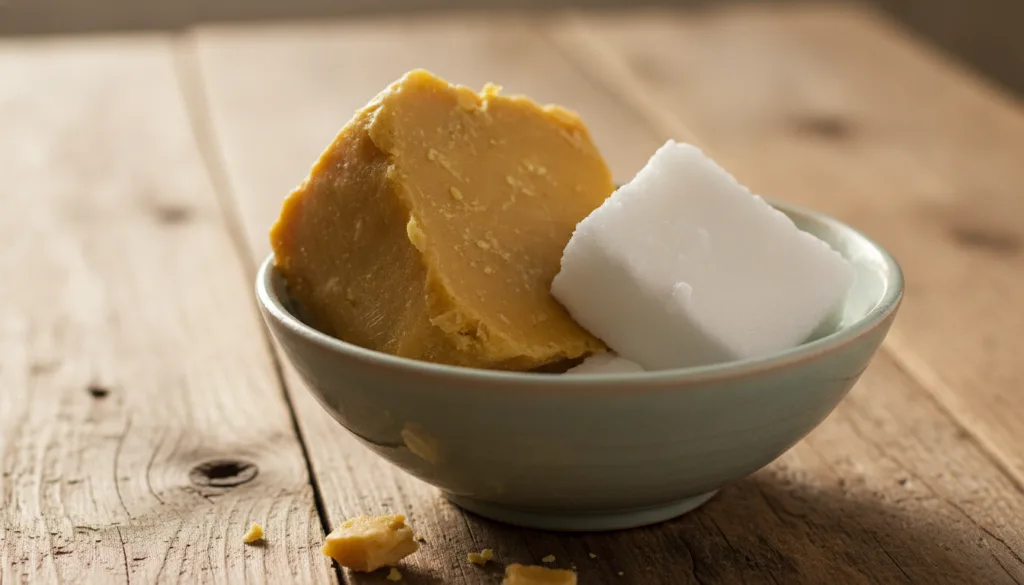
- ½ cup unrefined shea butter
- ¼ cup organic virgin coconut oil
- (Optional for extra healing) 10-15 drops of lavender or tea tree essential oil (ensure high quality and dilute properly)
Preparation:
- Melt Gently: In a double boiler or a heat-safe bowl placed over a pot of simmering water, gently melt the shea butter and coconut oil together. Stir occasionally until fully liquid and combined.
- Cool Slightly: Remove from heat and let the mixture cool for about 10-15 minutes, or until it begins to solidify around the edges but is still soft.
- Whip It Up: Using a hand mixer or a whisk, whip the mixture until it becomes light, fluffy, and resembles a thick, rich cream. This might take 3-5 minutes. If using essential oils, add them during this step.
- Transfer and Store: Spoon your luxurious balm into a clean, airtight glass jar.
Usage Ideas & Application:
- Nightly Ritual: For best results, apply a generous amount of the balm to your clean, dry heels and feet before bed. Massage it in thoroughly, paying extra attention to cracked areas.
- Sock It Up: To maximize absorption and prevent staining your sheets, put on a pair of cotton socks immediately after application.
- Frequency: Use daily until your heels show significant improvement, then 2-3 times a week for maintenance.
- Gentle Exfoliation (Optional): For very tough skin, consider a gentle foot scrub (sugar and olive oil works wonders) before applying the balm, 1-2 times a week.
Safety & Precautions: Important Notes for Your Wellness Journey
While natural remedies are generally gentle, it’s always wise to exercise caution, especially when dealing with skin concerns.
- Patch Test: Before widespread use, apply a small amount of the balm to a discreet area of your skin (like the inside of your wrist) and wait 24 hours to check for any allergic reactions or irritation.
- Existing Conditions: If you have deep, bleeding cracks, diabetes, or any other underlying medical conditions affecting your feet, please consult your healthcare professional before trying any new home remedies.
- Essential Oils: If you choose to add essential oils, ensure they are high-quality therapeutic grade. Some essential oils may not be suitable for pregnant or nursing individuals, or those with certain health conditions. Always research individual oil safety.
- Slippery Surfaces: Be mindful that freshly moisturized feet can be slippery, especially on tiled floors. Always put on socks or slippers after application.
Key Takeaways for Happy, Healthy Heels
- Dry, cracked heels are a common issue that can be effectively managed with natural solutions.
- Shea butter is a powerful natural emollient rich in fatty acids and vitamins, promoting deep skin healing and hydration.
- A homemade balm using shea butter and coconut oil offers an accessible, natural alternative to commercial products.
- Consistency is key: apply regularly for optimal results, especially before bedtime with cotton socks.
- Always perform a patch test and consult a healthcare professional for severe conditions or concerns.
FAQ: Your Questions Answered
Q1: How long does it take to see results with the DIY heel balm?
Results can vary depending on the severity of your cracked heels. Many people notice significant improvement in softness and reduced cracking within 1-2 weeks of consistent daily use. Deeper cracks may take longer to heal.
Q2: Can I use this balm on other dry skin areas?
Absolutely! This shea butter and coconut oil balm is excellent for nourishing other dry areas like elbows, knees, cuticles, and hands. It’s a versatile natural moisturizer for your whole body.
Q3: What’s the shelf life of homemade shea butter balm?
Stored in a cool, dark place in an airtight container, your homemade balm should last for 3-6 months. Using clean hands or a small spatula to scoop out the balm will help prevent contamination and extend its shelf life.
Q4: Why is unrefined shea butter recommended over refined?
Unrefined shea butter retains more of its natural vitamins, minerals, and healing compounds because it hasn’t undergone extensive processing or chemical extraction. This makes it more potent for skin nourishment and repair.
Related Reading: Explore More Natural Wellness Tips
- The Best Natural Oils for Glowing Skin
- Boost Your Immunity with These Herbal Remedies
- Simple Anti-Inflammatory Foods to Add to Your Diet
- A Holistic Approach to Digestive Wellness