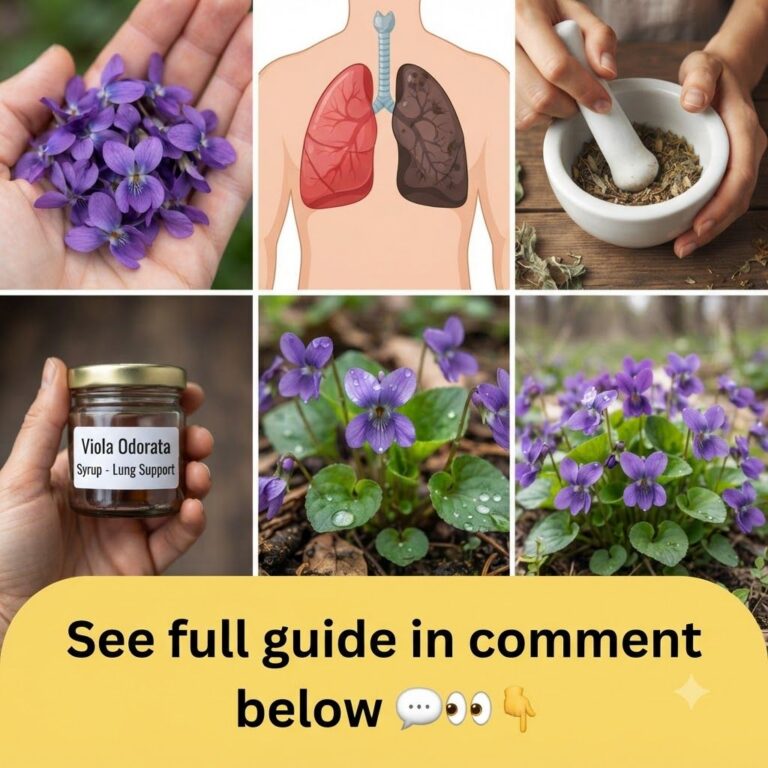
Most people only see the vibrant purple petals of the sweet violet, Viola Odorata, as a pretty garden flower. But beneath its delicate appearance lies a time-honored secret for respiratory comfort that many herbalists keep close. If you’ve ever wondered how to tap into nature’s gentle support for your lungs, this guide reveals a simple, traditional preparation often overlooked by modern methods.
Forget generic wellness advice; we’re diving into the exact steps to create a soothing sweet violet syrup, a remedy historically valued for its comforting properties for the respiratory system. It’s not just about looking pretty; it’s about practical, accessible wellness.
What is Sweet Violet (Viola Odorata)?
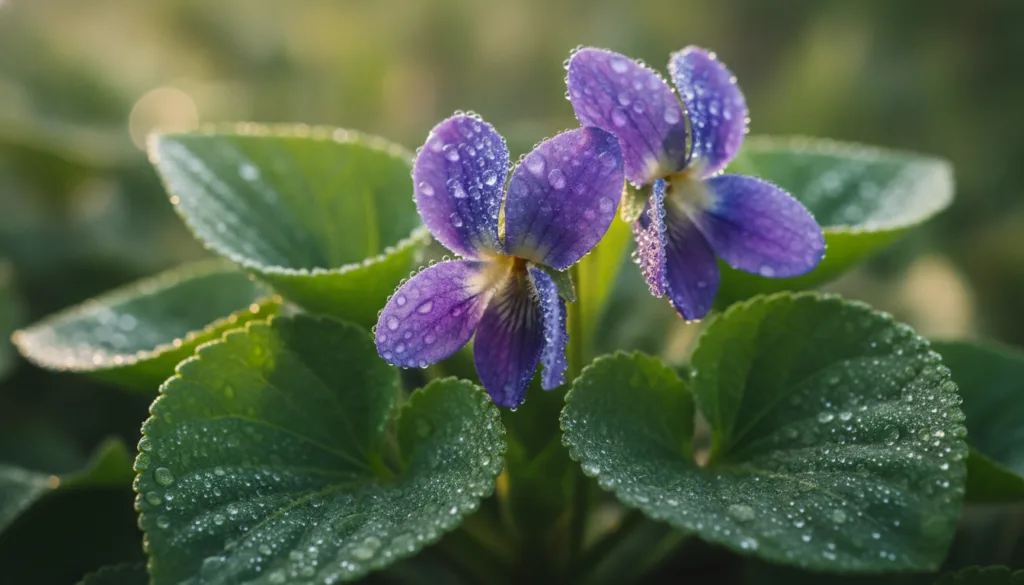
Sweet violet, or Viola Odorata, is a small, perennial plant native to Europe and Asia, now found worldwide. It’s recognizable by its heart-shaped leaves and fragrant, deep purple (sometimes white) flowers. Historically, various parts of the plant, especially the leaves and flowers, have been employed in traditional practices for their perceived soothing qualities, particularly for respiratory health. This isn’t a new trend; it’s a time-tested approach that focuses on natural, gentle support.
The Comforting Violet Syrup: Ingredients You’ll Need
Preparing sweet violet syrup is straightforward and uses readily available ingredients. The key is sourcing fresh, uncontaminated violets.
Ingredients:
- Fresh Sweet Violet Flowers and Leaves: Approximately 2 cups, loosely packed.
- Filtered Water: 2 cups.
- Natural Sweetener: 1-2 cups honey or organic cane sugar (adjust to taste and desired consistency).
Approximate Measurements and Formula
This recipe focuses on creating a potent infusion that is then sweetened to form a syrup. Precision isn’t as critical as using fresh, quality ingredients and following the steeping process correctly.
Formula / Recipe:
- Harvesting & Cleaning: Gently gather fresh violet flowers and leaves, ensuring they are free from pesticides or pollutants. Rinse them briefly under cool water and pat dry.
- Infusion Preparation: Place the cleaned violets in a heat-proof jar or bowl.
- Hot Water Pour: Bring 2 cups of filtered water to a boil, then immediately pour it over the violets. Ensure the plant material is fully submerged.
- Steeping: Cover the jar and let the violets steep for 8-12 hours, or overnight, at room temperature. This allows the beneficial compounds to extract into the water.
- Straining: Strain the infusion through a fine-mesh sieve or cheesecloth, pressing down on the plant material to extract as much liquid as possible. Discard the spent violets.
- Sweetener Integration: Pour the strained violet liquid into a saucepan. Add 1-2 cups of honey or sugar.
- Gentle Heating: Heat the mixture over low heat, stirring constantly, until the honey/sugar is fully dissolved. Do not boil, as high heat can degrade beneficial compounds.
- Cooling & Bottling: Remove from heat and let the syrup cool completely. Pour into a sterilized glass bottle or jar.
How to Use Your Sweet Violet Syrup
This syrup is generally used as a soothing supplement. For adults, a common recommendation is 1-2 teaspoons, 1-3 times daily, as needed. It can be taken directly, added to warm water for a comforting drink, or drizzled over yogurt or oatmeal.
How Often to Use
For general respiratory comfort, the syrup can be used daily during periods of seasonal changes or when experiencing mild irritation. It’s not typically intended for long-term continuous use without breaks. Listen to your body and consult with a qualified health professional for personalized guidance.
Quick Tip: Freshly harvested violets often yield a more vibrant color and aroma. Timing your harvest during spring is key for potency.
How to Buy / How to Choose Ingredients
The best sweet violet comes from your own garden or wild-harvested areas that you know are free from chemicals. If wild harvesting, ensure positive plant identification to avoid mistaken identity. If purchasing, look for organic dried sweet violet flowers and leaves from reputable herbal suppliers. Avoid plants from roadsides or public parks where pesticides or heavy metals might be present.
Storage
Store your homemade sweet violet syrup in a clean, airtight glass bottle in the refrigerator. Proper storage is crucial for maintaining its freshness and potency.
Practical Tips
- Harvesting Time: Gather violets in the spring when they are abundant and at their peak.
- Gentle Handling: Violets are delicate. Handle them gently during harvesting and cleaning to preserve their integrity.
- Sweetener Choice: Honey adds additional soothing properties and natural preservation. If using sugar, raw organic cane sugar is a good choice.
- Sterilization: Always sterilize your jars and bottles before use to prevent spoilage.
Common Mistakes
- Using Sprayed Plants: Harvesting violets from areas treated with pesticides or herbicides can introduce harmful chemicals into your remedy.
- Boiling the Violets: Boiling the plant material directly can degrade delicate compounds. Always infuse by pouring hot water over them, not boiling them in the water.
- Over-Steeping: While a long steep is good, excessively long steeping (over 24 hours) can sometimes lead to a bitter taste.
- Improper Storage: Not refrigerating the syrup or storing it in a non-airtight container will drastically reduce its shelf life and invite spoilage.
- Using the Wrong Plant Part: While roots are sometimes used in other traditional remedies, for this soothing syrup, stick to the flowers and leaves.
| Feature | Fresh Sweet Violets | Dried Sweet Violets |
|---|---|---|
| Color/Flavor | More vibrant, delicate floral notes | Muted, slightly earthier |
| Potency | Generally higher (if fresh & clean) | Retains much potency if properly dried |
| Availability | Seasonal (spring) | Year-round from suppliers |
| Preparation | No rehydration needed | May require slightly longer steeping |
| Storage | Short-term, best used immediately | Long-term (up to 1 year) in airtight container |
Cautions / Who Should Avoid It
While generally considered safe, sweet violet may not be suitable for everyone. Pregnant or nursing individuals should consult a healthcare provider before use. Those with known allergies to violets or other plants in the Violaceae family should avoid it. Always start with a small amount to check for sensitivity. If you are on medication, especially blood thinners or diuretics, speak to your doctor as some herbal preparations can interact.
Quick Summary
- Best Preparation: Soothing violet syrup made from fresh or dried flowers and leaves.
- Best Use-Case: Supporting respiratory comfort and vitality.
- Storage: Refrigerate in an airtight glass bottle for up to 2-3 weeks.
- When to Use: As needed, up to 1-3 times daily, for seasonal support.
- What to Avoid: Chemically treated plants, direct boiling of violets, and improper storage.
FAQ
- Can I use fresh or dried violets for this recipe?
Yes, both fresh and properly dried violets can be used. Fresh violets often yield a more vibrant color and delicate flavor. Adjust steeping time if using dried (sometimes a little longer). - How long does homemade violet syrup last?
When stored properly in a sterilized, airtight bottle in the refrigerator, it can last for 2-3 weeks. The honey acts as a natural preservative, but freshness is key. - What part of the sweet violet plant is best to use?
For this syrup, both the flowers and the leaves are traditionally used. The leaves contain beneficial compounds that complement the flowers. - Can children use sweet violet syrup?
While generally considered mild, it’s best to consult a pediatrician before giving any herbal remedies to young children. For older children, a reduced dosage might be appropriate. - Can I reuse the violet leaves and flowers after steeping?
No, once the plant material has been steeped and strained, most of its beneficial compounds have been extracted. It’s best to compost or discard the spent violets. - When should I avoid using sweet violet?
Avoid if you are pregnant, nursing, have known allergies to violets, or are on medications that might interact. Always consult a healthcare professional if unsure. - What if my syrup doesn’t turn purple?
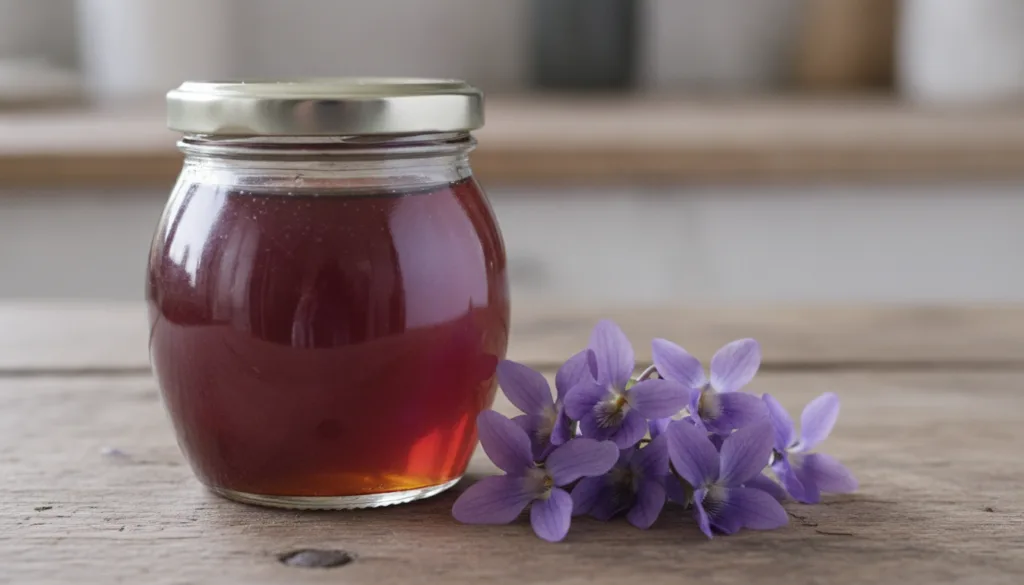
The color of violet syrup can vary from amber to a bluish-purple. Factors like the violet variety, water pH, and whether lemon juice is added can influence the final color. It doesn’t affect efficacy.
Conclusion
Sweet violet syrup is more than just a sweet treat; it’s a connection to traditional wisdom for respiratory wellness. By taking the time to prepare this simple remedy, you’re embracing a natural approach to supporting your body. With fresh ingredients and careful preparation, you can keep this gentle yet powerful ally in your home apothecary.
Read more: Herbal Teas for Seasonal Comfort
You may also like: DIY Elderberry Syrup: Your Guide to Immune Support