Many people struggle with seasonal sniffles, persistent coughs, or that lingering feeling of congestion, often reaching for common remedies that offer temporary relief. Yet, few realize that a humble garden flower, the common violet, holds a surprising secret for lung support. Most people overlook this delicate plant, not knowing its potential to soothe and clear the airways naturally.
Known botanically as Viola Odorata, this unassuming plant has been a staple in traditional wellness practices for centuries, particularly valued for its benefits to the respiratory system. Far from being just a pretty face in the garden, the common violet offers a gentle, natural approach to supporting lung health, making it an excellent addition to your natural remedy toolkit.
What is Viola Odorata?
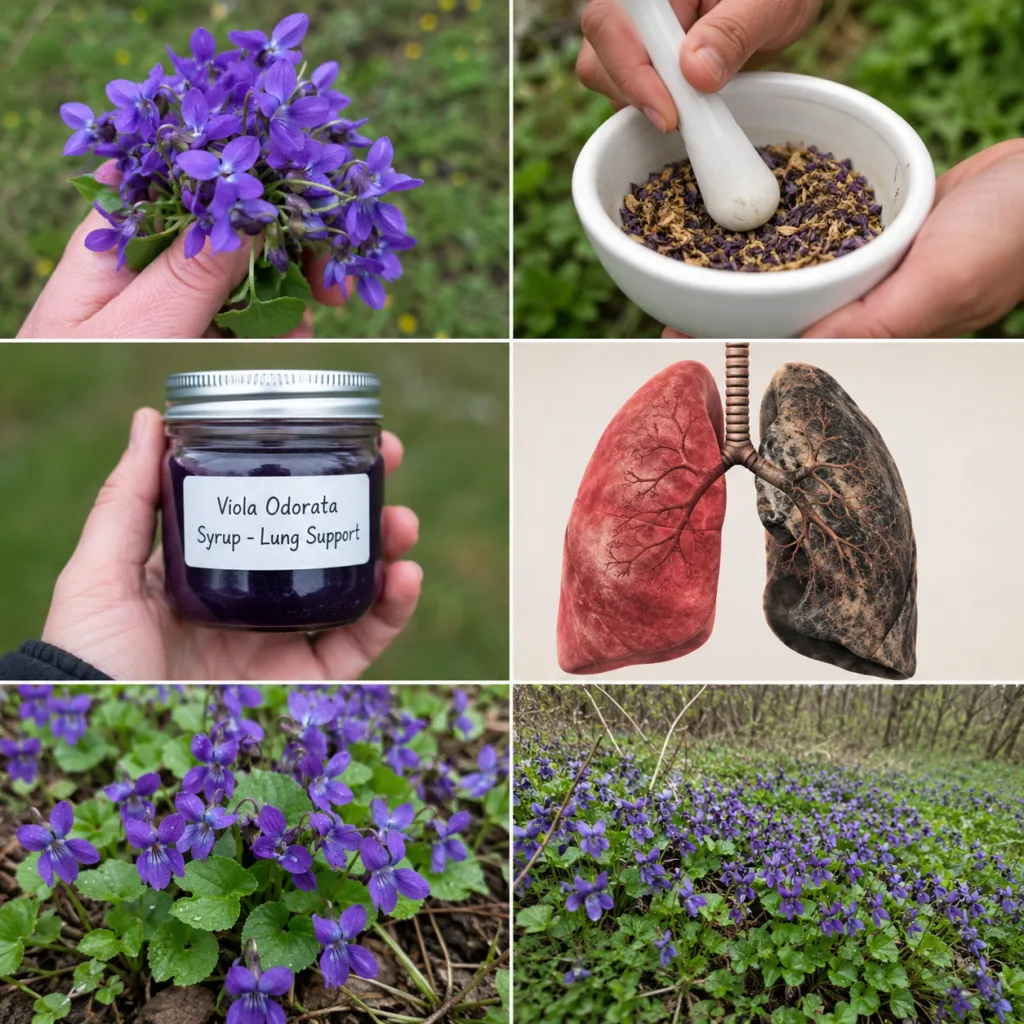
Viola Odorata, commonly known as sweet violet or common violet, is a small, perennial flowering plant celebrated for its fragrant, deep purple flowers and heart-shaped leaves. Found in woodlands, hedgerows, and gardens across temperate regions, this plant is more than just ornamental. Herbalists have long prized its leaves and flowers for their expectorant and anti-inflammatory properties, making it a go-to for respiratory ailments.
Ingredients for a Simple Viola Odorata Syrup
Creating a soothing Viola Odorata syrup for lung support is a practical way to harness this plant’s benefits. Here’s what you’ll need for a basic preparation:
- Fresh Viola Odorata flowers and leaves (stems removed)
- Filtered water
- Organic honey (local and raw if possible)
Approximate Measurements
- 2 cups (lightly packed) fresh Viola Odorata flowers and leaves
- 3 cups filtered water
- 1.5 cups organic honey
Quick Tip: When harvesting, choose plants away from roadsides or areas that may have been sprayed with pesticides. Gently rinse your fresh violet parts to remove any dust or small insects.
Formula / Recipe: Viola Odorata Lung Support Syrup
This syrup is excellent for soothing coughs and aiding in mucus clearance, making it a powerful ally during cold and flu season or when dealing with general lung congestion.
Step-by-Step Method
- Preparation: Gently wash the fresh violet flowers and leaves under cool water. Pat them dry with a clean cloth.
- Infusion: In a non-reactive pot, combine the washed violets with 3 cups of filtered water. Bring to a gentle simmer over low heat. Do not boil vigorously, as this can destroy delicate compounds.
- Simmer: Let it simmer for about 20-30 minutes, or until the water takes on a purplish tint and the liquid has reduced slightly. The goal is to create a strong herbal infusion.
- Strain: Remove the pot from the heat and allow it to cool slightly. Strain the liquid through a fine-mesh sieve or cheesecloth, pressing down on the plant material to extract as much liquid as possible. Discard the spent plant material.
- Combine with Honey: Measure the violet infusion. For every 1 cup of infusion, add about 3/4 cup of honey. Whisk thoroughly until the honey is completely dissolved into the warm (not hot) liquid.
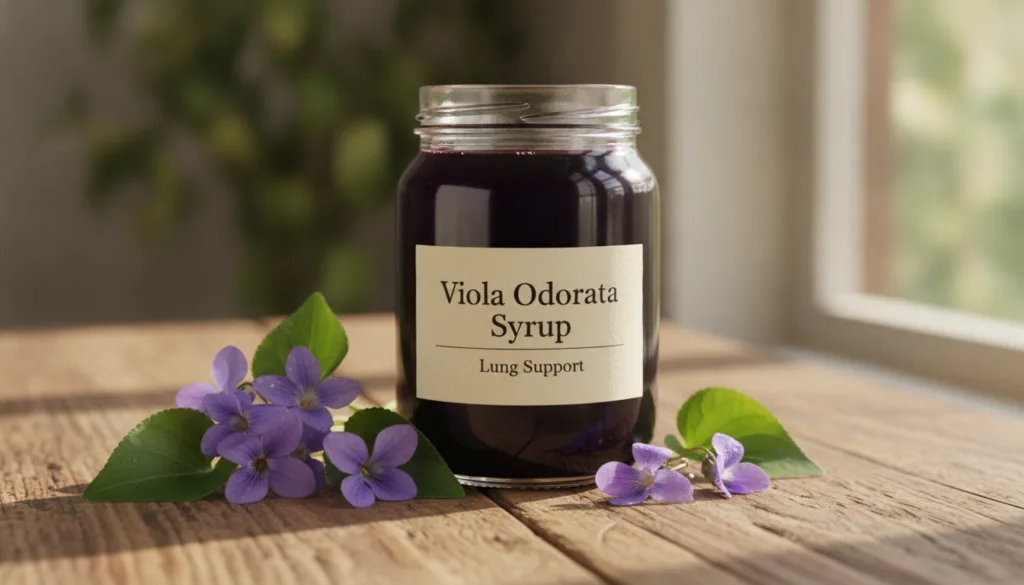
- Bottle: Pour the finished syrup into a clean, sterilized glass jar or bottle. Label clearly with the date.
How to Use and How Often to Use
For general lung support or to soothe a cough:
- Adults: Take 1-2 teaspoons, 2-3 times a day.
- Children (over 2 years old): Take 1/2 – 1 teaspoon, 1-2 times a day. Consult a pediatrician before giving to young children.
The best time to take the syrup is whenever you feel congestion, irritation, or a cough coming on. It can be taken straight, or stirred into a cup of warm (not hot) water or herbal tea. Consistency is key for best results, especially when addressing ongoing issues.
Best Time to Use It
Consider taking it before bed to help ease nighttime coughing, or in the morning to help clear mucus accumulated overnight. During periods of increased exposure to irritants or allergens, regular use can also offer preventative support.
Why It Works: The Science Insight
Viola Odorata’s effectiveness for lung health stems from its rich composition of beneficial compounds. The plant contains saponins, which are natural expectorants. These compounds help to thin and loosen mucus in the respiratory tract, making it easier to cough up and expel. This can be particularly helpful for clearing congestion associated with colds, bronchitis, or even mild asthma.
Additionally, violets are known for their mucilaginous properties, meaning they contain compounds that form a soothing, protective layer over irritated mucous membranes. This can help calm an irritated throat and airways, reducing the urge to cough and providing relief from inflammation.
Did You Know?
The leaves of Viola Odorata are particularly rich in vitamins A and C, and contain rutin, a flavonoid with antioxidant and anti-inflammatory effects that further supports overall respiratory wellness.
How to Buy / How to Choose Ingredients
When sourcing Viola Odorata, consider these options:
- Wild Harvesting: If you’re confident in your identification skills and know a clean, unsprayed area, wild harvesting can be an excellent option. Ensure you leave plenty of plants for the ecosystem to thrive.
- Gardening: Violets are easy to grow in many climates. Planting them in your garden ensures a fresh, organic supply.
- Herbal Suppliers: If fresh violets aren’t available, look for dried Viola Odorata flowers and leaves from reputable organic herbal suppliers. The general ratio for dried herbs is about half the amount of fresh.
For honey, always opt for raw, organic, and locally sourced honey if possible. It retains more of its natural enzymes and beneficial properties.
Storage
Homemade Viola Odorata syrup should be stored in a tightly sealed, sterilized glass jar in the refrigerator. Properly stored, it can last for 2-3 weeks. If you notice any signs of mold, unusual smell, or fermentation (fizzing), discard it immediately. For longer storage, you can add a splash of food-grade glycerin or a higher ratio of honey, but refrigeration is still essential.
Fresh vs. Dried Violets for Syrup:
| Feature | Fresh Viola Odorata | Dried Viola Odorata |
|---|---|---|
| Availability | Seasonal (spring) | Year-round from suppliers |
| Potency | Often higher in delicate compounds | Concentrated flavor, slightly less delicate compounds |
| Preparation | Requires immediate use after harvesting | Can be stored for later use |
| Yield | Requires more volume for infusion | Less volume needed for same potency |
Practical Tips
- Patience is Key: While some relief may be immediate, consistent use over a few days often yields better results for chronic issues.
- Combine with Steam: For severe congestion, consider using the syrup in conjunction with steam inhalation (without adding the syrup directly to the steamer) to further loosen mucus.
- Listen to Your Body: Pay attention to how your body responds and adjust the dosage or frequency as needed.
Common Mistakes
One small preparation mistake can ruin the whole batch or diminish its effectiveness:
- Boiling too vigorously: High heat can destroy the delicate volatile oils and other beneficial compounds in the violets. Always opt for a gentle simmer.
- Using sprayed plants: Harvesting violets from areas treated with pesticides or herbicides can introduce harmful chemicals into your remedy.
- Improper storage: Not refrigerating the syrup or using unsterilized jars can lead to spoilage and mold growth.
- Expecting instant relief: While soothing, herbal remedies often work more gradually than pharmaceutical options. Consistency is crucial.
- Skipping proper straining: Leaving plant particles in the syrup can reduce shelf life and make it less palatable.
Cautions / Who Should Avoid It
While generally considered safe for most people when consumed in moderate amounts, there are a few considerations:
- Pregnancy and Breastfeeding: Consult with a healthcare professional before using Viola Odorata during pregnancy or while breastfeeding, as research is limited.
- Infants and Toddlers: Avoid giving honey to children under one year old due to the risk of botulism. For older children, always consult a pediatrician.
- Allergies: If you have known allergies to plants in the Violaceae family, exercise caution.
- Excessive Doses: Very large doses of violet preparations can sometimes cause nausea or digestive upset due to their saponin content. Stick to recommended dosages.
- Diabetics: The syrup contains honey, which is a sugar. Diabetics should account for this in their diet or consult their doctor.
Quick Summary
Viola Odorata syrup is a gentle, natural remedy for lung support. Best prepared by infusing fresh or dried violet flowers and leaves in water, then combining with honey. Use 1-2 teaspoons, 2-3 times daily, to soothe coughs and loosen mucus. Store in the refrigerator for up to 3 weeks. Avoid boiling, use clean plants, and consult a doctor if pregnant or for young children.
FAQ
- Can I use dried violets instead of fresh?
Yes, you can. Use about half the amount of dried violets compared to fresh for the infusion. - How long does the syrup last?
When stored in a sterilized jar in the refrigerator, it typically lasts for 2-3 weeks. - Can I freeze Viola Odorata syrup?
Freezing is generally not recommended as it can affect the texture and potency of the syrup. - What part of the violet plant is best to use?
Both the flowers and leaves are beneficial and can be used for the syrup. - Can I give this syrup to my child?
For children over one year old, 1/2 – 1 teaspoon, 1-2 times a day, is generally considered safe. Always consult a pediatrician, especially for young children, and never give honey to infants under one year old. - When should I avoid using this remedy?
Avoid if pregnant, breastfeeding (without doctor’s advice), allergic to violets, or for infants under one year old. Consult a doctor if you have underlying medical conditions. - Can this be used for asthma?
Viola Odorata may offer supportive relief for respiratory symptoms, but it is not a treatment for asthma. Always follow your doctor’s prescribed asthma treatment plan.
Conclusion
The common violet, Viola Odorata, offers a gentle yet effective way to support your lungs and respiratory health. By preparing a simple syrup, you can harness its expectorant and soothing properties to ease coughs and congestion. This natural remedy, often overlooked, is a testament to the power of plants growing right around us. Give this unexpected lung helper a try and experience the quiet strength of the sweet violet.