Imagine stepping into your garden on a crisp spring morning, greeted not by bare earth, but by a riot of color. The secret to this early season spectacle often begins months before, tucked away in the late summer garden. While August might seem like a time for harvesting and winding down, it’s actually a pivotal month for laying the groundwork for next year’s floral display.
By planting specific flowers in August, you give their roots ample time to establish before winter’s chill. This head start allows them to burst forth with vibrant blooms at the first hint of spring, often weeks ahead of their spring-sown counterparts. It’s a simple, yet highly rewarding gardening trick that transforms a quiet spring into an explosion of life and beauty. Let’s explore ten fantastic flowers that thrive when planted in August, ensuring your garden is the envy of the neighborhood when spring arrives.
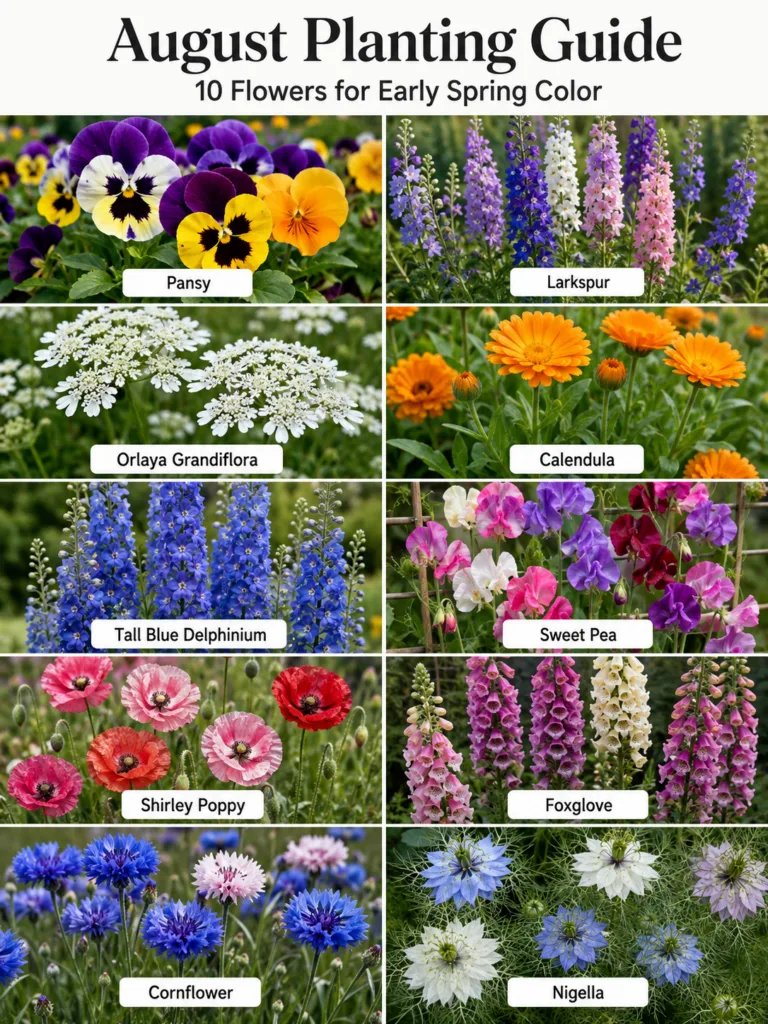
The Magic of August Planting for Early Spring Color
Planting in August taps into a crucial horticultural principle: giving cool-season annuals and biennials time to establish before severe winter weather. These plants are often hardy enough to survive light frosts once mature, and the mild soil temperatures of late summer and early fall are ideal for root development. This deep root system allows them to overwinter effectively, storing energy to fuel an explosive bloom period as soon as days lengthen and temperatures rise in spring.
It also means you’re not scrambling to sow seeds in the unpredictable weather of early spring. Your plants are already growing, often forming attractive foliage clumps throughout the cooler months, ready to perform. This strategy is particularly effective in USDA Zones 6-9, where winters are generally mild enough for these plants to survive outdoors. In colder zones (3-5), careful mulching can help, or these might be better treated as late winter/early spring sowings for slightly later blooms.
10 Flowers to Plant in August for a Dazzling Spring
Pansy (Viola x wittrockiana)
Pansies are classic cool-season favorites, known for their cheerful, often ‘faced’ blooms. Planting them in August allows them to establish strong root systems, enabling them to produce an abundance of flowers from very early spring through late spring or even into early summer in cooler climates. They are excellent for mass plantings, borders, and container gardening.
- Hardiness: Typically grown as cool-season annuals in USDA Zones 3-9, but can overwinter as biennials in Zones 6-8 with protection.
- Plant type: Annual/Biennial
- Exposure: Full sun to partial shade
- Height: 6-9 inches
- Spread: 6-12 inches
- Practical Tip: Deadhead spent blooms regularly to encourage continuous flowering and prevent self-seeding, which can sometimes lead to less vigorous plants.
Larkspur (Consolida ajacis)
For vertical interest and cottage garden charm, larkspur is unbeatable. Its spires of blue, pink, purple, or white flowers are stunning in early spring. Direct sowing in August allows the seeds to experience a period of cold stratification (nature’s way of telling them it’s time to germinate after winter), leading to robust plants and earlier blooms than spring-sown seeds.
- Hardiness: Annual in USDA Zones 3-10
- Plant type: Annual
- Exposure: Full sun
- Height: 2-4 feet
- Spread: 6-12 inches
- Practical Tip: Plant seeds directly where you want them to grow, as larkspur dislikes transplanting. Thin seedlings to 6-8 inches apart for good airflow and stronger plants.
Calendula (Calendula officinalis)
Also known as Pot Marigold, calendula offers bright, cheerful orange and yellow blooms that are edible and medicinal. Planting in August gives these hardy annuals time to develop, providing early spring color and a steady supply of petals for teas, salves, or culinary use. They are remarkably resilient to light frosts.
- Hardiness: Annual in USDA Zones 2-11; may overwinter in Zones 8-11.
- Plant type: Annual
- Exposure: Full sun
- Height: 1-2 feet
- Spread: 1-1.5 feet
- Practical Tip: For continuous blooms, deadhead regularly. Calendula is also a fantastic companion plant, attracting pollinators and potentially deterring some pests.
Sweet Alyssum (Lobularia maritima)
This low-growing, spreading annual forms a fragrant carpet of tiny white, pink, or purple flowers. Sweet alyssum is perfect for edging, filling gaps, and cascading from containers. August planting ensures a dense, floriferous display in early spring that lasts well into summer.
- Hardiness: Annual in USDA Zones 3-11; may overwinter in Zones 9-11.
- Plant type: Annual
- Exposure: Full sun to partial shade
- Height: 3-6 inches
- Spread: 6-12 inches
- Practical Tip: Shear back plants by about one-third after the first flush of blooms to encourage a fresh wave of flowers and a neater appearance.
Iceland Poppy (Papaver nudicaule)
With delicate, crinkled petals in shades of yellow, orange, pink, and white, Iceland Poppies bring a whimsical touch to the spring garden. They are biennials or short-lived perennials often grown as annuals. August planting allows them to establish a rosette of foliage, preparing them to send up their enchanting blooms early the following spring.
- Hardiness: Biennial/Short-lived Perennial in USDA Zones 2-8; often grown as an annual.
- Plant type: Biennial/Perennial
- Exposure: Full sun
- Height: 1-2 feet
- Spread: 6-12 inches
- Practical Tip: Sow seeds thinly directly into well-drained soil in late summer. They prefer cooler temperatures and can struggle in hot, humid climates.
Snapdragon (Antirrhinum majus)
Snapdragons, with their charming, brightly colored flower spikes, are excellent for cutting gardens and adding vertical accents. Planting snapdragon seeds or young plants in August allows them to become established before winter, resulting in much earlier and more prolific flowering than spring-sown plants. They can be surprisingly hardy in milder winters.
- Hardiness: Tender perennial in USDA Zones 7-10; typically grown as a cool-season annual elsewhere.
- Plant type: Annual/Tender Perennial
- Exposure: Full sun
- Height: 6-36 inches (dwarf to tall varieties)
- Spread: 6-12 inches
- Practical Tip: Pinch back young plants when they are 4-6 inches tall to encourage bushier growth and more flower stalks. Stake taller varieties to prevent flopping.
Dianthus (Dianthus chinensis / Dianthus barbatus)
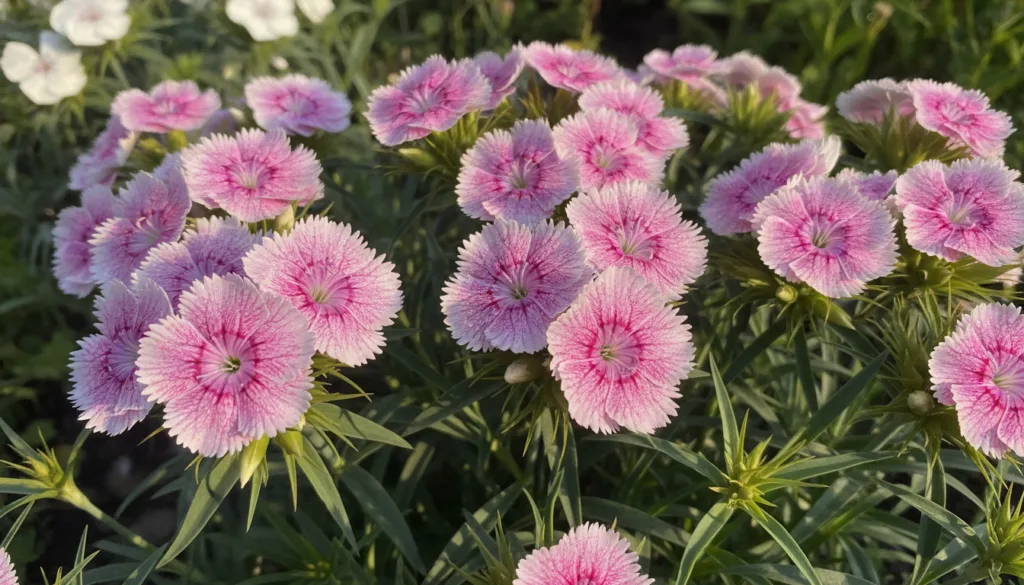
Many annual and biennial Dianthus varieties, such as China Pinks (D. chinensis) and Sweet William (D. barbatus), are perfect for August planting. Their fringed, often spicy-scented flowers come in shades of pink, red, white, and bicolors. They form neat mounds of foliage and provide a burst of early spring color, often returning year after year in suitable climates.
- Hardiness: Annuals/Biennials in USDA Zones 3-9; some species are perennial.
- Plant type: Annual/Biennial/Perennial (depending on species)
- Exposure: Full sun
- Height: 6-24 inches
- Spread: 6-18 inches
- Practical Tip: Ensure excellent drainage, as Dianthus are prone to rot in soggy soil. A slightly alkaline soil pH is often preferred.
Cornflower (Centaurea cyanus)
Also known as Bachelor’s Button, cornflowers are iconic cottage garden plants with their distinctive blue, pink, white, or purple thimble-shaped flowers. Direct sowing in August allows them to establish robust plants that will bloom prolifically and early in the spring, attracting a host of beneficial pollinators to your garden.
- Hardiness: Annual in USDA Zones 2-11
- Plant type: Annual
- Exposure: Full sun
- Height: 1-3 feet
- Spread: 6-12 inches
- Practical Tip: Cornflowers are drought-tolerant once established. Sow seeds thinly and enjoy their casual beauty in informal borders or wildflower mixes.
Viola (Viola cornuta)
Smaller and often more delicate than pansies, violas offer an abundance of charming, petite flowers. They are incredibly hardy and resilient, often blooming through light snow and bouncing back. August planting ensures a continuous carpet of color from the first thaws of spring. Many varieties will self-seed readily.
- Hardiness: Perennial in USDA Zones 4-9; often grown as an annual.
- Plant type: Annual/Perennial
- Exposure: Full sun to partial shade
- Height: 4-8 inches
- Spread: 6-12 inches
- Practical Tip: Violas are excellent for container gardening, window boxes, and filling in bare spots around larger, later-blooming plants.
Nigella (Nigella damascena)
Commonly known as Love-in-a-Mist, Nigella is grown for its unique, often blue, white, or pink flowers nestled within a feathery, fennel-like foliage, and its attractive seed pods. Direct sowing in August allows for strong plant development, leading to beautiful early spring flowers and intriguing seed pods that can be dried for arrangements.
- Hardiness: Annual in USDA Zones 2-11
- Plant type: Annual
- Exposure: Full sun
- Height: 1.5-2 feet
- Spread: 6-12 inches
- Practical Tip: Nigella dislikes transplanting, so direct sow seeds where they are to grow. Once established, they are quite self-sufficient and often self-seed for future displays.
Common Mistakes to Avoid When Planting in August
- Planting Too Late: While August is ideal, waiting too long into fall, especially in colder climates, may not give plants enough time to establish before a hard freeze. Aim for late August to early September in most regions.
- Improper Watering: Young seedlings need consistent moisture to establish, especially in late summer’s lingering heat. However, avoid overwatering, which can lead to damping-off disease. Keep the soil consistently moist but not soggy.
- Poor Soil Preparation: Most of these flowers thrive in well-draining soil. Amend heavy clay soils with compost to improve drainage and aeration. Ensure your soil is fertile enough to support healthy growth.
- Ignoring Sun Requirements: While some tolerate partial shade, most of these flowers prefer full sun (at least 6 hours direct sunlight daily) for the best bloom production.
- Planting Too Deep or Too Shallow: Follow seed packet instructions for planting depth. Generally, seeds should be planted at a depth about 2-3 times their diameter.
Regional Considerations: Planting Across the US
The success of August planting for early spring color is largely influenced by your local climate and USDA Hardiness Zone. Here’s how to adapt:
- Zones 3-5 (Northern US): In these colder zones, August planting can be challenging for some of these annuals to survive the deep freeze. You might treat this as a