Ginger & Cloves: Uncover Their Surprising Multi-Faceted Health Benefits!
Have you ever wondered if the secret to boosting your natural vitality and feeling vibrant could be found right in your kitchen spice rack? For centuries, cultures around the world have turned to common ingredients not just for flavor, but for their profound wellness properties.
Today, we’re diving into two such powerhouses: ginger and cloves. These aren’t just warming spices for your favorite dishes; they hold a surprising array of potential health benefits that could help you feel more energetic, comfortable, and truly vital, no matter your age. Get ready to uncover how these humble roots and buds might just be your new best friends on your natural wellness journey!

Why These Kitchen Staples Matter for Your Wellness
In a world often focused on quick fixes and complex solutions, the allure of natural remedies found in everyday ingredients like ginger and cloves is growing. Perhaps you’re curious about how to support your body naturally, manage discomfort, or simply maintain your zest for life as you age. Many of us are looking for practical ways to enhance our well-being without relying solely on synthetic options.
Ginger and cloves have been celebrated for thousands of years across various traditional medicine systems, from Ayurveda to Traditional Chinese Medicine. Their popularity stems from their rich history of use in addressing common ailments and promoting overall health. Today, as research continues to explore their compounds, we’re seeing how these age-old remedies align with modern scientific understanding, making them a fascinating topic for anyone committed to a holistic and natural approach to wellness.
The Powerful Profiles of Ginger and Cloves
Ginger: The Zesty Root of Wellness
Ginger (Zingiber officinale) is much more than a spice; it’s a rhizome packed with bioactive compounds, most notably gingerol, which is responsible for much of its medicinal properties and its pungent flavor.
- Traditional Use: Historically, ginger has been a cornerstone in traditional medicine for its warming properties, often used to alleviate nausea, aid digestion, and reduce inflammation.
- Nutritional Compounds: Beyond gingerol, ginger contains shogaols, paradols, and zingerone, which contribute to its antioxidant and anti-inflammatory effects.
- Potential Benefits:
- Anti-inflammatory Support: Gingerol is thought to help inhibit the production of inflammatory compounds in the body, which may offer relief for conditions like joint discomfort or muscle soreness, potentially even helping with lower back comfort as suggested by the image.
- Digestive Aid: Ginger has long been used to soothe upset stomachs, reduce bloating, and encourage healthy digestion by stimulating digestive enzymes.
- Nausea Relief: It’s a well-known remedy for various forms of nausea, including motion sickness and morning sickness.
- Antioxidant Power: Its rich antioxidant profile helps combat oxidative stress, protecting cells from damage.
Cloves: The Aromatic Bud with Hidden Depths
Cloves are the dried flower buds of the clove tree (Syzygium aromaticum), known for their distinct aroma and potent properties.
- Traditional Use: Cloves have been valued in traditional medicine for their analgesic (pain-relieving) and antiseptic qualities, often used for dental pain, digestive issues, and as a warming spice.
- Nutritional Compounds: Eugenol is the primary active compound in cloves, responsible for much of its characteristic aroma and health benefits. Cloves also contain other antioxidants like gallic acid and flavonoids.
- Potential Benefits:
- Antioxidant Boost: Cloves are exceptionally rich in antioxidants, helping to protect your body from free radical damage and supporting overall cellular health.
- Anti-inflammatory Properties: Eugenol, similar to gingerol, may possess anti-inflammatory effects that could help reduce discomfort.
- Antimicrobial Support: Traditionally, cloves have been used for their ability to combat certain bacteria and fungi, contributing to oral hygiene and general wellness.
- Digestive Health: Cloves may help stimulate digestive enzymes and reduce gas and bloating.
Practical Guide: Incorporating Ginger and Cloves into Your Day
Embracing the benefits of ginger and cloves can be wonderfully simple. Here are a few easy ways to welcome these powerful ingredients into your daily routine:
- Warming Ginger-Clove Tea: Steep a few slices of fresh ginger and 1-2 whole cloves in hot water for 5-10 minutes. A squeeze of lemon and a drizzle of raw honey (as seen in the image!) can enhance both flavor and benefits. This is a delightful way to start your day or unwind in the evening.
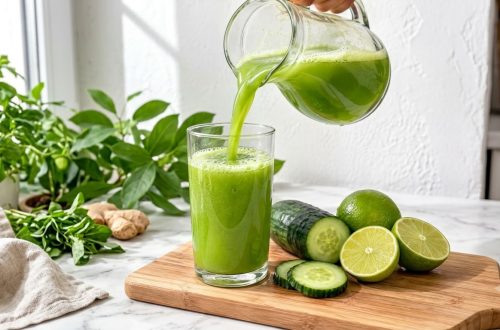
- Smoothie Boost: Add a small piece of fresh ginger to your morning smoothie for a zesty kick and digestive support. Ground cloves can be added in tiny pinches for an aromatic twist.
- Culinary Creations: Both spices are versatile in cooking. Add fresh or ground ginger to stir-fries, soups, curries, and baked goods. Ground cloves can enhance stews, roasted vegetables (especially sweet potatoes or squash), and desserts.
- Infused Honey: Gently warm raw honey with a few whole cloves and thin ginger slices. Let it infuse for a few days, then strain. This infused honey can be a soothing addition to teas or enjoyed by the spoonful.
- Aromatic Diffuser: For a non-ingestible benefit, a drop or two of ginger or clove essential oil in a diffuser can create a comforting and invigorating atmosphere. (Always ensure high-quality, pure essential oils for aromatherapy).
Safety & Precautions
While ginger and cloves are generally safe for most people when consumed in culinary amounts, it’s always wise to be mindful of certain considerations:
- Blood Thinners: Both ginger and cloves may have mild blood-thinning properties. If you are taking anticoagulant medications, consult your healthcare professional before significantly increasing your intake.
- Gallstones: Large doses of ginger may increase bile secretion, which could be a concern for individuals with gallstones.
- Allergies: Though rare, allergic reactions to ginger or cloves can occur. Discontinue use if you experience any adverse symptoms.
- Pregnancy: While ginger is often used for morning sickness, consult your doctor before using large or supplemental amounts during pregnancy. The effects of cloves in medicinal quantities during pregnancy are not well-established.
- Existing Medical Conditions: If you have any underlying health conditions or are on other medications, it’s always best to discuss with a healthcare professional before making significant dietary changes or using concentrated forms of these spices.
Key Takeaways
- Ginger and cloves are ancient spices with significant traditional and modern wellness applications.
- Ginger, rich in gingerol, is known for its anti-inflammatory, digestive, and anti-nausea benefits.
- Cloves, high in eugenol, offer powerful antioxidant, anti-inflammatory, and antimicrobial properties.
- These spices can be easily incorporated into daily life through teas, smoothies, and various culinary dishes.
- Always exercise caution and consult a healthcare professional, especially if you have existing health conditions or are on medication.
FAQ
Can ginger and cloves help with joint pain?
Both ginger and cloves contain compounds (gingerol and eugenol, respectively) that have been studied for their anti-inflammatory effects. While they may help support the body’s natural response to inflammation and contribute to comfort, they are not a substitute for medical treatment for chronic joint pain. Always consult your doctor for persistent discomfort.
What is the best way to consume ginger and cloves for health benefits?
There isn’t one “best” way; the most effective method is one you can consistently incorporate into your routine. Teas, infusions, and adding them to your daily meals are excellent ways to enjoy their benefits. Fresh ginger is often more potent than dried for some compounds.
How much ginger and cloves should I use daily?
For general wellness, incorporating them into your cooking and beverages in typical culinary amounts is usually sufficient. For specific therapeutic uses, there are no universally agreed-upon dosages, and it’s best to consult a healthcare practitioner or herbalist who can provide personalized guidance.
Can I use ginger and clove essential oils?
Ginger and clove essential oils are highly concentrated and should be used with extreme caution. They are generally not recommended for internal consumption without expert guidance. For topical use, they must be heavily diluted in a carrier oil. Always consult with a qualified aromatherapist before using essential oils for therapeutic purposes.
Are there any side effects of ginger and cloves?
In common culinary amounts, side effects are rare. However, in larger quantities, some people might experience mild digestive upset, heartburn, or increased bleeding risk (if on blood thinners). Always listen to your body and start with small amounts.
Related Reading
- The Power of Turmeric: An Anti-Inflammatory Star
- Natural Ways to Boost Your Digestive Health
- Herbal Teas for Everyday Wellness: Your Guide
- Age Gracefully: Healthy Habits for Vibrant Living