Most people fixate on the latest superfoods or complex nutritional supplements, overlooking a powerhouse of wellness that has quietly supported health for centuries. While the vibrant fruits often grab headlines, the humble leaves of one particular tree hold a secret many are just beginning to rediscover for comprehensive, modern health benefits. This isn’t just about adding another green to your diet; it’s about harnessing a full spectrum of nutrients often missing from our plates.
We’re talking about Moringa. Often called ‘The Miracle Tree’ or ‘The Drumstick Tree,’ Moringa oleifera is an exceptional plant native to India, widely cultivated in tropical and subtropical regions. Its leaves, in particular, are packed with vitamins, minerals, and antioxidants, making it a cornerstone in traditional medicine systems for generations. But how exactly do you tap into this ancient wisdom for today’s wellness goals? It’s simpler than you might think.
What is Moringa? The Drumstick Tree Explained
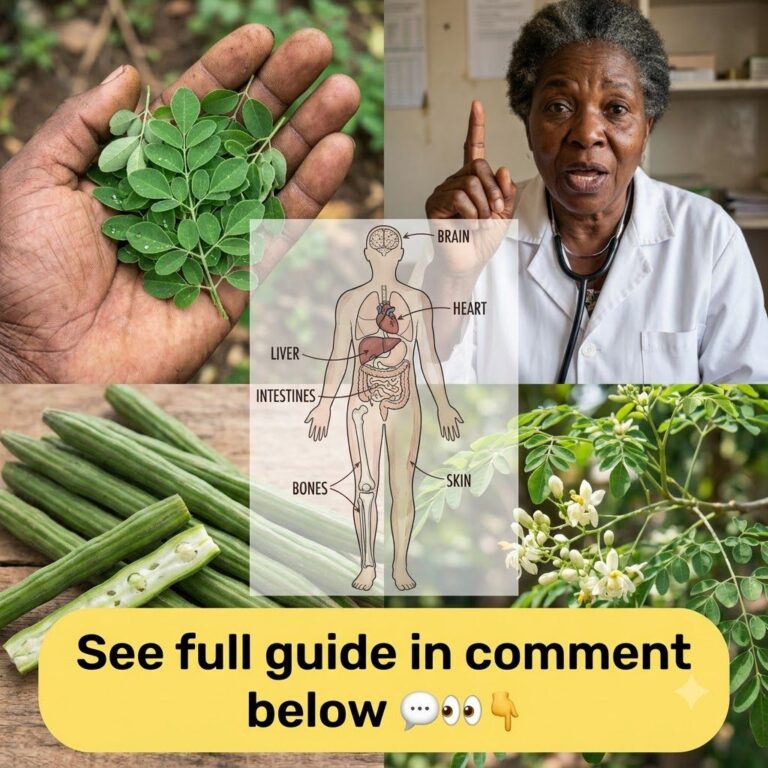
Moringa is a fast-growing, drought-resistant tree that’s revered for its highly nutritious leaves and versatile pods (known as drumsticks). While every part of the tree has some traditional use, it’s the leaves that truly stand out in terms of nutritional density. These leaves are typically harvested, dried, and ground into a fine powder, which is the most common and convenient form for daily consumption. Unlike many supplements that isolate specific compounds, Moringa provides a holistic profile of nutrients, making it a complete food rather than just an extract.
Its traditional uses range from supporting digestion and energy levels to promoting healthy skin and hair. Modern science is increasingly investigating these traditional claims, recognizing its rich composition of Vitamin C, Vitamin A, calcium, potassium, iron, and protein, alongside a wealth of powerful antioxidants and anti-inflammatory compounds. Understanding how to incorporate this into your routine is the key to unlocking its potential.
Did You Know? The Power Behind the Leaves: Why Moringa Stands Out
Moringa leaves contain more Vitamin C than oranges, more Vitamin A than carrots, more potassium than bananas, and more iron than spinach. It’s also a complete protein, containing all nine essential amino acids – a rarity for a plant-based food. This unique combination makes it an exceptionally potent addition to any diet focused on comprehensive wellness.
Your Core Ingredient: High-Quality Moringa Leaf Powder
For most home remedies and daily use, dried Moringa leaf powder is the most accessible and effective form. It’s concentrated, easy to store, and simple to integrate into various preparations. While fresh leaves are wonderful if you have access to the tree, the powder offers consistency and convenience.
Approximate Measurements
- For daily maintenance: 1/2 to 1 teaspoon (2-4 grams) of Moringa powder.
- For specific support: Up to 2 teaspoons (8 grams) daily, divided into two doses.
Always start with a smaller dose and gradually increase to assess your body’s response.
Moringa Leaf Powder: Simple Preparations for Daily Wellness
Here are two of the most popular and practical ways to use Moringa powder:
1. Moringa Wellness Tea Recipe
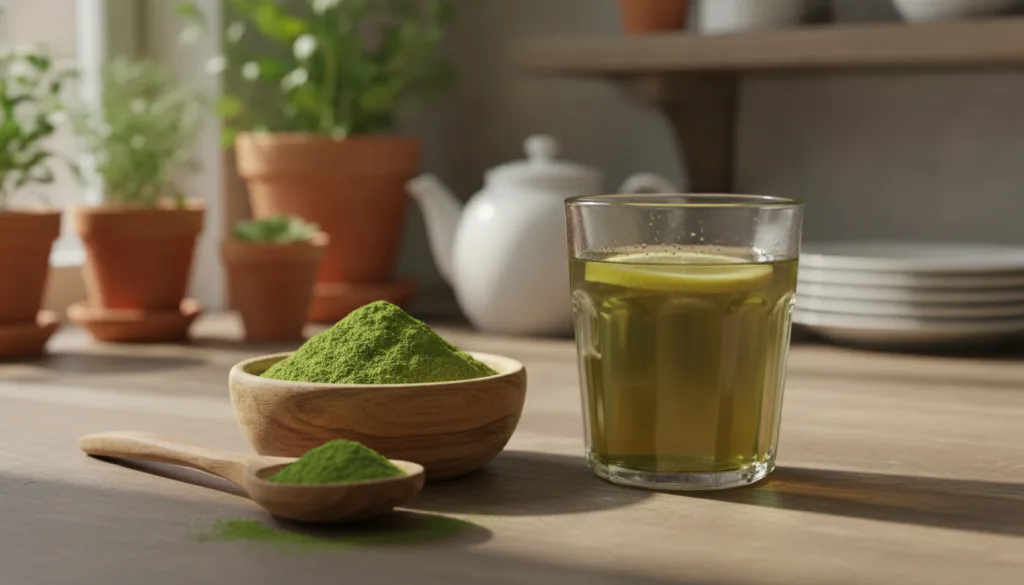
A warm cup of Moringa tea is a soothing way to get your daily dose, especially in the mornings or evenings.
Ingredients:
- 1 teaspoon high-quality Moringa leaf powder
- 8-10 ounces (240-300 ml) hot water (just below boiling)
- Optional: A squeeze of lemon, a drizzle of honey, or a pinch of ginger
Step-by-Step Method:
- Heat your water until it’s hot but not quite boiling (around 180-200°F or 82-93°C).
- Place 1 teaspoon of Moringa powder into a mug.
- Pour the hot water over the powder.
- Stir well to dissolve the powder. Some sediment at the bottom is normal.
- Allow to steep for 3-5 minutes.
- Add lemon, honey, or ginger if desired for flavor.
- Enjoy warm.
2. Moringa Smoothie Booster
For a quick and nutrient-dense kick, adding Moringa to your morning smoothie is ideal.
Ingredients:
- 1/2 to 1 teaspoon Moringa leaf powder
- Your favorite smoothie ingredients (e.g., banana, spinach, berries, almond milk, protein powder)
Step-by-Step Method:
- Combine all your regular smoothie ingredients in a blender.
- Add the desired amount of Moringa powder.
- Blend until smooth and creamy.
- Serve immediately.
How to Use
Moringa powder can also be sprinkled into soups, stews, salad dressings, or mixed into yogurt. The key is to integrate it into your regular diet in a way that feels sustainable and enjoyable.
How Often to Use
For general wellness, consuming 1/2 to 1 teaspoon of Moringa powder once daily is a good starting point. If you’re looking for more targeted support, you might increase to 1 teaspoon twice daily. Listen to your body and adjust as needed. Consistency is more important than large, infrequent doses.
Quick Tip: Enhancing Absorption
Pairing Moringa with Vitamin C-rich foods (like citrus fruits or berries) can enhance the absorption of its iron content. This makes adding lemon to your tea or berries to your smoothie a smart move!
How to Buy / How to Choose Ingredients
The quality of your Moringa powder significantly impacts its effectiveness. Here’s what to look for:
- Organic Certified: This ensures the powder is free from pesticides and harmful chemicals.
- Pure Moringa Oleifera: Check the ingredients list to confirm it’s 100% Moringa leaf powder with no fillers or additives.
- Reputable Source: Buy from established brands that provide third-party testing for purity and potency.
- Color and Smell: High-quality powder should have a vibrant green color and a fresh, slightly earthy aroma. Avoid dull or brownish powders.
- Fresh Leaves (If Available): If you have access to fresh Moringa leaves, look for bright green, undamaged leaves.
Storage
Proper storage helps maintain the potency and freshness of your Moringa powder:
- Airtight Container: Transfer powder to an airtight jar or container immediately after opening.
- Cool, Dark Place: Store away from direct sunlight, heat, and moisture. A pantry or cupboard is ideal.
- Avoid Refrigeration (for powder): Unless specifically instructed by the manufacturer, refrigeration can introduce moisture, leading to clumping or spoilage.
- Fresh Leaves: Store fresh leaves in the refrigerator, wrapped in a damp paper towel or in a breathable bag, for up to a week.
Practical Tips for Best Results
- Start Slow: If you’re new to Moringa, begin with 1/2 teaspoon daily and gradually increase over a week or two.
- Consistency is Key: Incorporate Moringa into your daily routine to experience its full benefits.
- Listen to Your Body: Pay attention to how you feel and adjust your dosage accordingly.
- Stay Hydrated: As with any dietary supplement, maintaining good hydration is important.
Common Mistakes When Using Moringa
Even with a natural remedy, certain practices can reduce effectiveness or lead to undesirable outcomes:
- Overdosing Too Soon: Taking too much too quickly can cause digestive upset.
- Using Low-Quality Powder: Cheap or non-organic powders may contain contaminants or lack potency.
- Boiling Moringa Powder: Excessive heat can degrade some of its delicate nutrients. It’s best added to warm liquids or after cooking.
- Ignoring Storage Instructions: Improper storage can lead to a loss of potency and a shorter shelf life.
- Expecting Instant Miracles: Moringa supports wellness over time; consistent use yields the best results.
| Feature | Fresh Moringa Leaves | Dried Moringa Powder |
|---|---|---|
| Nutrient Concentration | High, but less concentrated by weight due to water content | Highly concentrated; retains most nutrients when properly dried |
| Shelf Life | 1 week (refrigerated) | 6-12 months (airtight, cool, dark) |
| Preparation | Can be cooked like spinach, added to salads, juiced | Easily mixed into drinks, smoothies, yogurt, or food |
| Accessibility | Requires access to a Moringa tree or specialty grocers | Widely available online and in health food stores |
| Taste | Slightly pungent, peppery, earthy | Mildly earthy, can be masked in mixed preparations |
Cautions / Who Should Avoid It
While Moringa is generally considered safe for most people, certain individuals should exercise caution or avoid it:
- Pregnant Women: Some studies suggest Moringa may have uterine-stimulating effects. It’s best to consult a doctor before use during pregnancy.
- Individuals on Blood-Thinning Medication: Moringa may have anti-coagulant properties, potentially interacting with medications like Warfarin.
- People with Low Blood Pressure: Moringa can lower blood pressure, which could be an issue for those already experiencing hypotension.
- Diabetics on Medication: Moringa can lower blood sugar levels. Monitor closely and consult a doctor to adjust medication if necessary.
Quick Summary: Your Moringa Checklist
- Best Preparation: Dried leaf powder for versatility.
- Best Use-Case: Daily tea or smoothie additive for comprehensive nutrient support.
- Storage: Airtight container, cool, dark place.
- When to Use: Daily, morning or evening, for consistent benefits.
- What to Avoid: Overdosing, low-quality products, high heat cooking, use during pregnancy without medical advice.
Frequently Asked Questions About Moringa
- Can I use fresh or dried Moringa leaves? You can use both! Dried powder is more concentrated and convenient, while fresh leaves can be used in cooking like spinach.
- How long does Moringa powder last? When stored properly in an airtight container in a cool, dark place, it typically lasts 6-12 months.
- Can I refrigerate Moringa powder? Generally, it’s not recommended as refrigeration can introduce moisture, leading to clumping.
- How often should I use Moringa? Most people benefit from 1/2 to 1 teaspoon daily, but you can adjust based on your needs and body’s response.
- What part of the Moringa plant is best for health? While all parts have benefits, the leaves are the most nutrient-dense and commonly used for wellness.
- Can I reuse Moringa tea leaves? If using fresh or whole dried leaves for tea, a second steep is possible, but the nutrient content will be diminished.
- When should I avoid Moringa? Pregnant women, individuals on blood thinners, or those with very low blood pressure should consult a doctor before use.
Conclusion: Embrace the Power of the Miracle Tree
Moringa is more than just a passing health trend; it’s a time-tested natural remedy with a robust nutritional profile. By understanding how to properly source, prepare, and use Moringa leaf powder, you can easily integrate this ‘Miracle Tree’ into your daily routine and experience its profound benefits. It’s a simple, ancient secret that holds incredible potential for modern wellness.
You may also like: Guide to Herbal Teas for Daily Detox
Read more: Exploring the Benefits of Other Superfoods