Have you ever considered baking soda for your beauty routine? This common kitchen staple, typically found in your pantry, has been generating a lot of buzz for its potential uses beyond baking. Many people are exploring how this simple ingredient may support a smoother, brighter complexion and even help with the appearance of under-eye bags. But before you dive into a DIY skincare adventure, let’s explore the hidden truths and what you should know to keep your skin happy and healthy!
What Exactly is Baking Soda?
Baking soda, scientifically known as sodium bicarbonate, is a mild abrasive and an alkaline substance. It’s renowned for its versatility, from baking and cleaning to deodorizing. Its unique properties have led some to believe it could be a natural, inexpensive solution for various skin concerns.
Traditional (and Trending) Uses for Skin
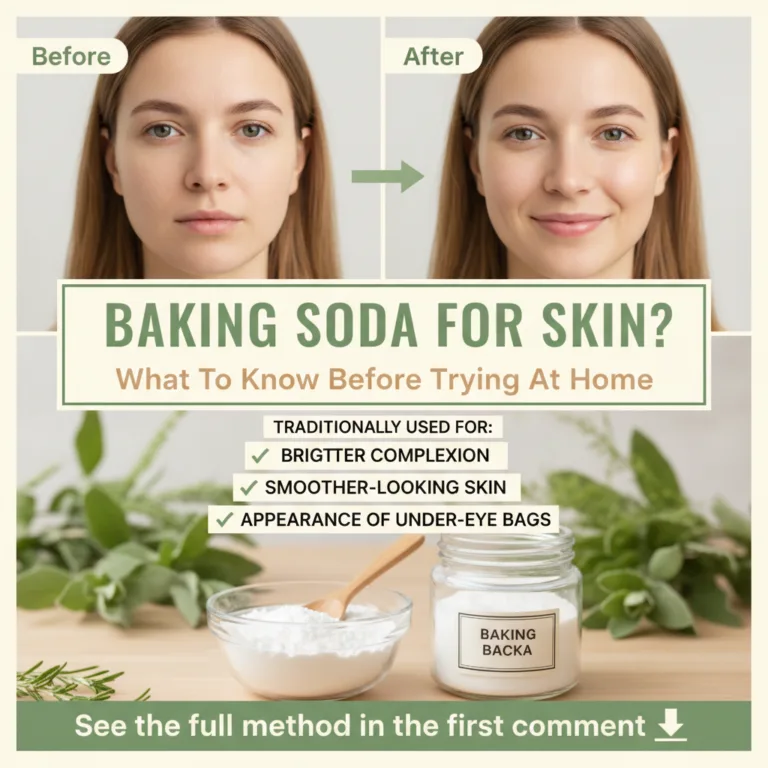
Anecdotal evidence and popular trends suggest baking soda is traditionally used for:
- Supporting a Brighter Complexion: Its mild abrasive nature may help to gently exfoliate the skin surface, giving the impression of a brighter look.
- Promoting Smoother-Looking Skin: By aiding in the removal of dead skin cells, some find it contributes to a softer, smoother feel.
- Helping with the Appearance of Under-Eye Bags: While not a direct treatment, some users believe its properties might help temporarily reduce puffiness, though scientific backing is limited.
These uses often stem from baking soda’s exfoliating capabilities. However, it’s essential to understand the potential implications for your skin’s natural balance.
The pH Balance Puzzle: Why Caution is Key
Our skin has a natural protective barrier called the acid mantle, which is slightly acidic, typically with a pH between 4.5 and 5.5. This acidity is crucial for warding off bacteria, retaining moisture, and keeping our skin healthy.
Baking soda, on the other hand, is alkaline, with a pH of around 8-9. When applied to the skin, it can disrupt this delicate acid mantle. Repeatedly altering your skin’s pH can:
- Compromise the skin’s natural barrier.
- Lead to increased dryness and sensitivity.
- Make your skin more susceptible to environmental damage and breakouts.
While a one-time use might not cause severe issues for everyone, consistent application can lead to long-term skin health challenges.

Safer Paths to Brighter, Smoother Skin
If you’re looking for a brighter, smoother complexion, there are many gentle and skin-friendly alternatives that won’t disrupt your skin’s natural balance:
- Gentle Chemical Exfoliants: Ingredients like AHAs (Alpha Hydroxy Acids) or BHAs (Beta Hydroxy Acids), when used correctly and in appropriate concentrations, can effectively exfoliate and promote cell turnover without harsh scrubbing.
- Enzyme Masks: Masks containing fruit enzymes (like papaya or pineapple) can gently digest dead skin cells, revealing smoother skin.
- Vitamin C Serums: A powerhouse antioxidant, Vitamin C can help brighten the complexion, reduce the appearance of dark spots, and support collagen production.
- Hydrating Serums and Moisturizers: Keeping your skin well-hydrated is fundamental for a healthy glow and smooth texture.
Always introduce new products gradually and patch-test them first to ensure your skin responds well.
When to Consult a Healthcare Professional
If you have persistent skin concerns, such as chronic dryness, redness, acne, or sensitivity, it’s always best to consult a dermatologist or healthcare professional. They can provide personalized advice and recommend treatments that are safe and effective for your specific skin type and condition.
Embrace Your Skin’s Natural Radiance
While the allure of a simple, inexpensive DIY solution like baking soda for skincare can be strong, prioritizing your skin’s long-term health is paramount. By understanding its unique needs and opting for methods that respect its natural balance, you can truly unlock a radiant, healthy complexion. Your skin is a remarkable organ, and nurturing it with care will lead to lasting beauty and wellness.