Do you ever feel a subtle unease in your throat, a persistent fatigue, or a nervous flutter that seems to come from nowhere? These feelings, along with visible neck swelling, are often linked to thyroid imbalances, a condition far more common than many realize. While conventional treatments are essential, many people are now looking towards natural, supportive remedies found right in their own backyards. Most people never realize this works because they mistake this beneficial plant for just another garden nuisance.
Today, we’re focusing on Lemon Balm (Melissa officinalis), a fragrant herb often considered a simple garden inhabitant. It’s celebrated not just for its calming aroma and flavor, but also for its unique properties that may offer unexpected relief for certain thyroid concerns.
What is Lemon Balm?
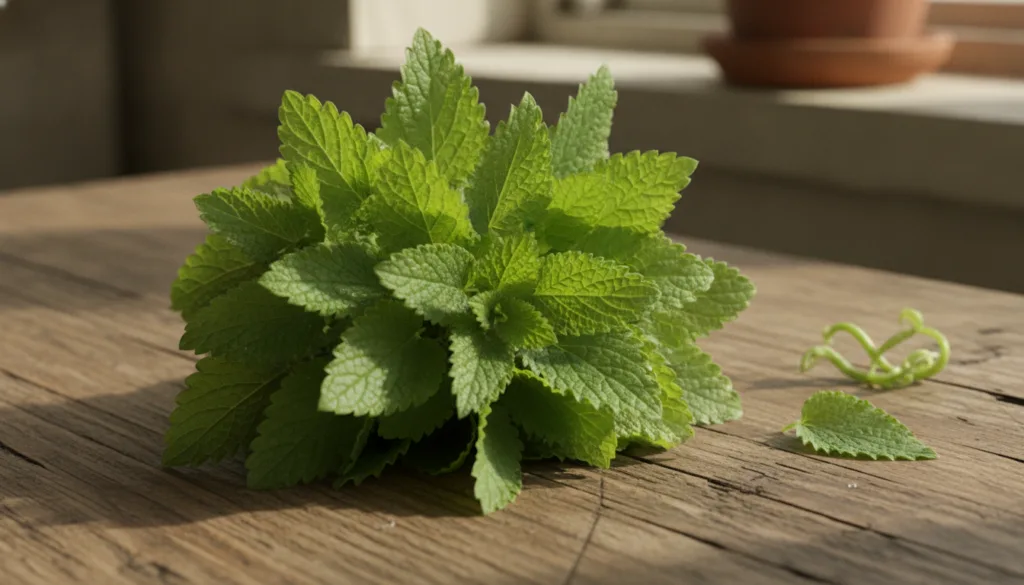
Lemon Balm, scientifically known as Melissa officinalis, is a perennial herb in the mint family. Native to South-Central Europe, the Mediterranean Basin, Iran, and Central Asia, it has been cultivated for centuries for its medicinal properties and its use in traditional medicine. It’s characterized by its distinct lemon scent, serrated heart-shaped leaves, and small white or pale pink flowers. Often seen growing readily in gardens, it can sometimes be mistaken for a common weed due to its vigorous growth.
Why It Works: Science Insight
Lemon Balm contains a variety of compounds, including rosmarinic acid, flavonoids, and triterpenes, which are believed to contribute to its therapeutic effects. For thyroid health, some research suggests that Lemon Balm may exhibit anti-thyroid activity, particularly in cases of hyperthyroidism (overactive thyroid). It is thought to do this by inhibiting the binding of TSH (Thyroid-Stimulating Hormone) to thyroid receptors, thereby potentially helping to normalize thyroid hormone levels or mitigate some symptoms associated with an overactive thyroid.
Beyond its direct influence on thyroid function, Lemon Balm is well-known for its calming and anxiolytic (anxiety-reducing) properties. Thyroid imbalances, especially hyperthyroidism, can often lead to nervousness, anxiety, and sleep disturbances. The compounds in Lemon Balm can help soothe the nervous system, which indirectly supports overall well-being and can alleviate the emotional distress linked to thyroid conditions.
Ingredients
- Fresh Lemon Balm leaves: 1-2 tablespoons, chopped
- Dried Lemon Balm leaves: 1-2 teaspoons
- Hot water: 1 cup (approximately 240 ml)
Approximate Measurements
For a standard cup of Lemon Balm tea, the general guideline is to use 1 to 2 teaspoons of dried leaves or 1 to 2 tablespoons of fresh, chopped leaves. Adjust the quantity to your personal preference for strength, but always start with a lower amount to gauge your body’s reaction.
How to Prepare Your Lemon Balm Infusion
Making a supportive Lemon Balm tea is simple, but precision matters for potency.
- Harvest or Measure: If using fresh leaves, gently harvest them from your garden, ideally in the morning after the dew has dried. Rinse them thoroughly under cool water and gently pat dry. Roughly chop the leaves to help release their beneficial compounds. If using dried leaves, measure the recommended amount.
- Heat Water: Bring one cup of fresh water to a boil. It’s crucial not to boil the Lemon Balm itself, as high heat can degrade its delicate compounds.
- Combine: Place the fresh or dried Lemon Balm leaves into a teacup or mug.
- Pour and Steep: Pour the hot water over the leaves.
- Cover: Immediately cover the cup with a saucer or a small lid. This step is vital as it traps the volatile essential oils, which are key to Lemon Balm’s therapeutic effects.
- Infuse: Allow the tea to steep for 10-15 minutes. For a stronger infusion, you can steep for up to 20 minutes, but avoid steeping for too long as it can make the tea bitter.
- Strain and Enjoy: Remove the cover, strain out the leaves using a fine-mesh strainer or tea infuser, and discard them. Your Lemon Balm infusion is now ready to drink.
How to Use and Best Time to Take
For general thyroid support and anxiety relief, drink one cup of Lemon Balm tea, 1 to 3 times per day. The best times to take it are:
- Morning: To help start your day with a sense of calm and gentle support.
- Afternoon: If you experience an energy dip or increased nervousness.
- Before Bed: Lemon Balm is well-known for its calming effects and can be particularly helpful for promoting restful sleep, especially if thyroid imbalance causes insomnia or restlessness.
For topical use, a cooled infusion can be used as a compress on the neck area, though its effectiveness for reducing goiter size topically is less scientifically established compared to internal use.
Quick Tip
To maximize the potency and flavor of fresh Lemon Balm, harvest the leaves just before the plant flowers. This is when the concentration of essential oils is often at its peak.
Who Benefits Most
Individuals who might benefit most from Lemon Balm include those experiencing:
- Symptoms of mild hyperthyroidism: Such as nervousness, anxiety, heart palpitations, or restlessness.
- Goiter associated with hyperthyroidism: While not a cure, it may help manage some contributing factors.
- Thyroid-related anxiety or stress: Its calming properties can be a significant benefit.
- Insomnia or sleep disturbances: Especially when linked to an overactive thyroid or general stress.
It’s crucial to understand that Lemon Balm is a supportive herb and not a substitute for prescribed medication for serious thyroid conditions. Always consult with a healthcare professional before incorporating it into your routine, especially if you have a diagnosed thyroid condition or are taking medication.
How to Buy / How to Choose Ingredients
The quality of your Lemon Balm can significantly impact its effectiveness. Here’s how to choose:
- Grow Your Own: This is often the best option, ensuring freshness and freedom from pesticides. Lemon Balm is easy to grow in most climates.
- Fresh Leaves: Look for vibrant green leaves without any signs of wilting, discoloration, or pest damage. Ideally, source from organic growers.
- Dried Leaves: Purchase from reputable herbal suppliers who ensure organic cultivation and proper drying methods. Dried Lemon Balm should still have a noticeable lemony aroma. Avoid dull-colored or scentless dried herbs.
Fresh vs. Dried Lemon Balm
| Feature | Fresh Lemon Balm | Dried Lemon Balm |
|---|---|---|
| Potency | Often higher in volatile essential oils. | Good, but some essential oils may dissipate. |
| Flavor | Brighter, more vibrant lemon taste. | Milder, sometimes slightly more earthy. |
| Availability | Seasonal, requires growing or local sourcing. | Year-round, easy to store. |
| Preparation Ratio | More volume needed (e.g., 1-2 tbsp per cup). | Less volume needed (e.g., 1-2 tsp per cup). |
| Storage | Few days in the fridge, best used immediately. | Up to 1 year in airtight container. |
Storage
- Fresh Leaves: Store unwashed fresh leaves in a plastic bag in the refrigerator for up to 3-5 days. For longer storage, you can freeze whole leaves or dry them for future use.
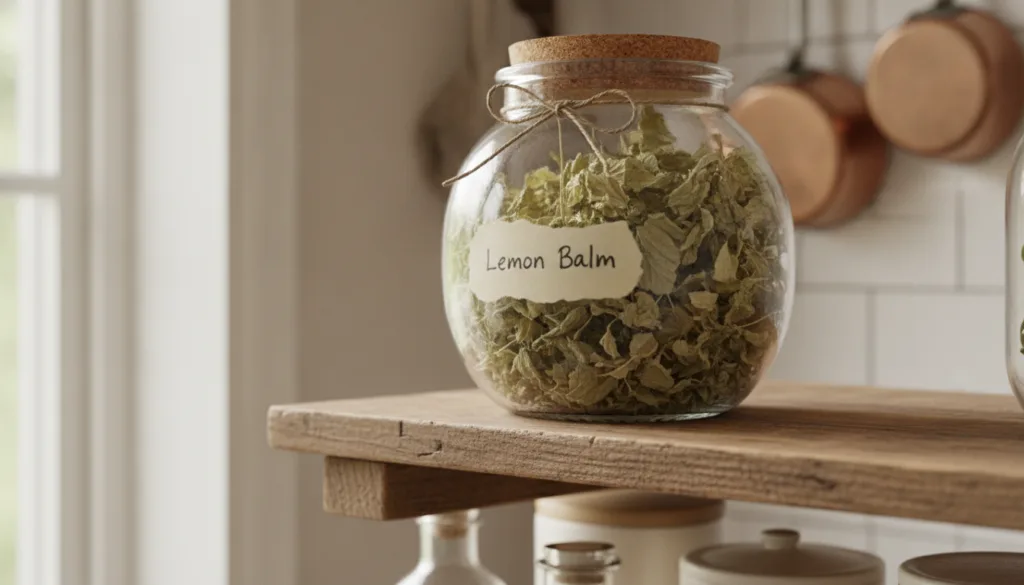
- Dried Leaves: Keep dried Lemon Balm in an airtight glass jar, away from direct sunlight and heat. Properly stored, it can maintain its potency for up to one year. Label with the date of drying or purchase.
- Prepared Tea: Any leftover infusion can be stored in an airtight container in the refrigerator for up to 24-48 hours. Reheat gently or enjoy cold.
Common Mistakes
- Misidentifying the Plant: Always be 100% sure you have Lemon Balm. There are other mints, but for specific therapeutic effects, identification is key. If wildcrafting, consult a reputable guide.
- Boiling the Leaves: Never boil Lemon Balm leaves directly in water. The high heat can destroy the delicate essential oils and beneficial compounds, reducing its efficacy. Always use hot (not boiling) water for infusion.
- Not Covering During Steeping: Skipping this step allows the volatile essential oils, which give Lemon Balm its unique properties, to evaporate. Covering traps these beneficial compounds.
- Using Sprayed Plants: If harvesting from a garden, ensure the plants have not been treated with pesticides, herbicides, or other chemicals.
- Ignoring Contraindications: Assuming Lemon Balm is safe for all thyroid conditions can be a critical error. It is primarily for hyperthyroidism or associated anxiety, not hypothyroidism.
- Overusing or Expecting Instant Results: While gentle, herbal remedies often require consistent use over time. More is not always better, and immediate dramatic changes are unlikely.
Cautions / Who Should Avoid It
While Lemon Balm is generally considered safe for most people when used appropriately, certain individuals should exercise caution or avoid it:
- Hypothyroidism (Underactive Thyroid): This is the most critical caution. Lemon Balm may reduce thyroid hormone activity, making it unsuitable for individuals with an underactive thyroid. If you have hypothyroidism, avoid Lemon Balm unless specifically advised by a healthcare professional.
- Thyroid Medication: If you are currently taking thyroid hormones or anti-thyroid medications, consult your doctor before using Lemon Balm. It may interact with these medications or alter their effectiveness.
- Pregnancy and Breastfeeding: There is insufficient evidence to determine the safety of Lemon Balm during pregnancy and breastfeeding. It is best to avoid use during these periods.
- Surgery: Lemon Balm may have a mild sedative effect. It’s advisable to discontinue use at least two weeks before any scheduled surgery.
- Glaucoma: Some sources suggest caution for individuals with glaucoma, though evidence is limited.
Always listen to your body and discontinue use if you experience any adverse reactions.
Quick Summary
- Best Preparation: Hot infusion (tea) from fresh or dried Lemon Balm leaves.
- Best Use-Case: Support for mild hyperthyroidism symptoms, thyroid-related anxiety, and general nervous system calming.
- Storage: Dried in airtight containers (up to 1 year); fresh in the fridge (few days); prepared tea in the fridge (1-2 days).
- When to Use: 1-3 cups daily, morning, afternoon, or before bed for calming effects.
- What to Avoid: Boiling leaves, not covering during steeping, using if you have hypothyroidism or are on thyroid medication without professional advice.
FAQ
- Can I use fresh or dried Lemon Balm?
Yes, both fresh and dried leaves can be used. Fresh leaves often yield a brighter flavor and higher essential oil content, but dried leaves are convenient and effective. - How long does Lemon Balm tea last once prepared?
For optimal freshness and potency, consume within 24-48 hours if refrigerated. - Can I refrigerate the prepared tea?
Yes, store in an airtight container in the refrigerator. It can be enjoyed cold or gently reheated. - How often should I use it for thyroid support?
Typically, 1-3 cups per day, consistently, is recommended. Always start with a lower dose and observe your body’s response. - What part of the Lemon Balm plant is best to use?
The leaves are primarily used for infusions and medicinal preparations. - Can I reuse the leaves for another batch of tea?
While you can, the potency will be significantly reduced after the first infusion as most beneficial compounds would have been extracted. - When should I avoid Lemon Balm?
You should avoid it if you have hypothyroidism, are pregnant or breastfeeding, or are taking thyroid medications, without consulting a healthcare professional first. - Does Lemon Balm interact with other medications?
It can potentially interact with sedatives and thyroid medications. Always consult your doctor or pharmacist if you are on any prescribed medication.
Conclusion
Lemon Balm offers a gentle, natural approach to supporting overall well-being and may provide specific relief for certain thyroid-related discomforts, particularly those associated with an overactive thyroid or general anxiety. By understanding its properties, preparing it correctly, and respecting its cautions, you can thoughtfully incorporate this common garden herb into your wellness routine. Remember, natural remedies are best used as a supportive measure and should always complement, not replace, professional medical advice for managing thyroid conditions.