For decades, the idea that ‘low-fat’ automatically means ‘healthier’ dominated the wellness conversation. Many of us have been taught to shy away from fats, leading to confusion and often, an unbalanced diet. But it’s time to set the record straight: not all fats are created equal, and some are absolutely essential for your well-being.
Instead of avoiding all fats, the key is to understand which ones are truly beneficial and how to incorporate them into your daily meals. Healthy fats play crucial roles in everything from hormone production and nutrient absorption to supporting heart and brain health. They also keep you feeling fuller for longer, which can be helpful for weight management.
Ready to discover the fats that truly nourish your body? Let’s dive into six incredible sources of healthy fats that deserve a regular spot on your plate, helping you move beyond the ‘low-fat’ myth towards a truly balanced approach to nutrition.
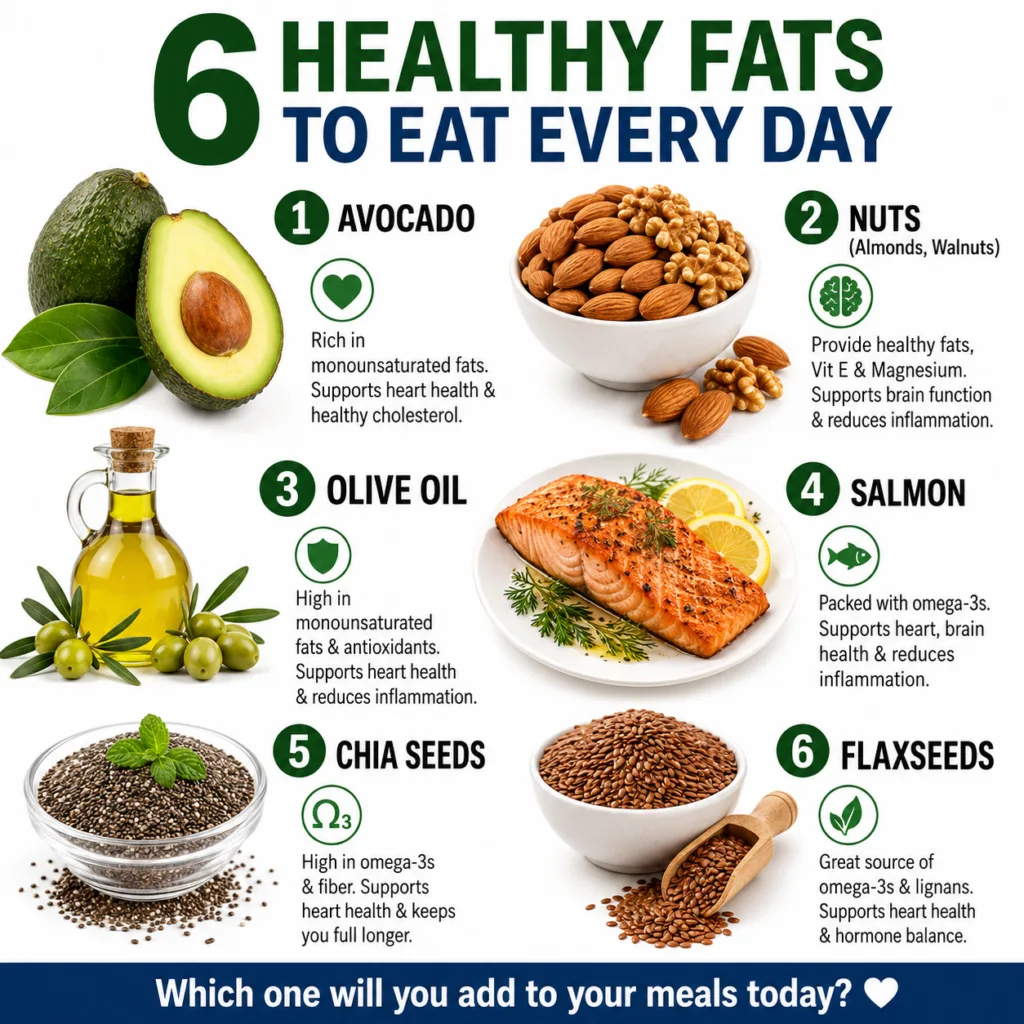
The Truth About Healthy Fats
Our bodies need fats to function optimally. They are vital for absorbing fat-soluble vitamins (A, D, E, K), providing energy, protecting organs, and maintaining cell membranes. The misconception that all fats are bad led many to consume highly processed ‘low-fat’ alternatives often laden with sugar and unhealthy additives, which can be more detrimental to health.
By embracing sources rich in monounsaturated and polyunsaturated fats, including omega-3 fatty acids, you can support a wide range of bodily functions and contribute to long-term health. Let’s explore these nutritional powerhouses.
1. Avocado: The Heart-Healthy Creamy Gem
Avocados are celebrated for their creamy texture and impressive nutritional profile. They are particularly rich in monounsaturated fats, which are widely recognized for their benefits to heart health. These fats can help lower levels of ‘bad’ LDL cholesterol while maintaining ‘good’ HDL cholesterol, contributing to a healthier cardiovascular system.
How to Enjoy Avocado Daily:
- Avocado Toast: Mash half an avocado with a pinch of salt and pepper on whole-grain toast.
- Salad Booster: Add sliced or diced avocado to your lunch or dinner salads for extra creaminess and nutrients.
- Smoothie Ingredient: A quarter of an avocado can make your smoothies incredibly smooth and add healthy fats without altering the flavor significantly.
- Guacamole: A classic dip that pairs well with vegetable sticks or whole-grain crackers.
2. Nuts (Almonds & Walnuts): Brain Boosters
Almonds and walnuts are not just crunchy snacks; they are packed with essential nutrients, including healthy fats. Walnuts, in particular, are excellent sources of omega-3 fatty acids, specifically alpha-linolenic acid (ALA), while almonds offer a good mix of monounsaturated fats and Vitamin E. Both also contain antioxidants, which combat oxidative stress and inflammation.
These nutrients are crucial for promoting brain health, supporting cognitive function, and potentially reducing the risk of neurodegenerative diseases.
Ways to Incorporate Nuts into Your Diet:
- Snack Time: A handful (about a quarter cup) of raw almonds or walnuts is a perfect pick-me-up.
- Yogurt Topping: Sprinkle chopped nuts over Greek yogurt with some berries for a high-protein, healthy-fat breakfast.
- Salad Garnish: Add a crunch to your salads or roasted vegetables.
- Baking: Incorporate them into homemade muffins or energy bars for added nutrition.
3. Olive Oil: Mediterranean Elixir
A cornerstone of the Mediterranean diet, extra virgin olive oil is celebrated globally for its numerous health benefits. It’s primarily composed of monounsaturated fatty acids, particularly oleic acid, and is rich in antioxidants like polyphenols. These compounds contribute to its potent anti-inflammatory properties, which can help protect the body against chronic diseases.
Cooking with Olive Oil:
- Salad Dressing: Whisk extra virgin olive oil with vinegar, herbs, salt, and pepper for a simple, healthy dressing.
- Drizzle: Finish roasted vegetables, soups, or pasta dishes with a drizzle of high-quality olive oil.
- Sautéing: Use it for light sautéing at medium heat, but be mindful of its smoke point for higher temperature cooking.
- Marinades: A great base for marinades for meats, fish, or plant-based proteins.
4. Salmon: Omega-3 Powerhouse
Salmon is a fatty fish renowned for being one of the best dietary sources of omega-3 fatty acids, specifically EPA (eicosapentaenoic acid) and DHA (docosahexaenoic acid). These long-chain omega-3s are vital for supporting brain function, maintaining heart health, and reducing inflammation throughout the body.
Regular consumption of salmon can contribute to better mood, improved cognitive performance, and a lower risk of heart disease.
Simple Ways to Enjoy Salmon:
- Baked or Grilled Salmon: Season a salmon fillet with herbs, lemon, salt, and pepper, then bake or grill until flaky.
- Salmon Salad: Flake leftover cooked salmon and mix with Greek yogurt or avocado for a healthier alternative to mayonnaise-based salads.
- Salmon in Stir-Fries: Add cooked salmon pieces to your favorite vegetable stir-fry.
- Smoked Salmon: Enjoy smoked salmon on whole-grain crackers or as part of a healthy breakfast with eggs.
5. Chia Seeds: Tiny Powerhouses of Nutrition
These minuscule seeds are a nutritional marvel, often referred to as ‘tiny powerhouses.’ Chia seeds are packed with plant-based omega-3 fatty acids (ALA), fiber, and protein. Their unique ability to absorb liquid and form a gel makes them an excellent ingredient for various recipes, providing sustained energy and supporting digestive health.
How to Use Chia Seeds:
- Chia Pudding: Combine 2 tablespoons of chia seeds with 1/2 cup of your favorite milk (dairy or non-dairy) and 1 teaspoon of sweetener. Stir well and refrigerate overnight. Top with fruit and nuts.
- Smoothie Booster: Add 1-2 tablespoons to your daily smoothie for extra fiber, protein, and omega-3s.
- Oatmeal Topping: Sprinkle over oatmeal or yogurt.
- Egg Substitute: For baking, 1 tablespoon of chia seeds mixed with 3 tablespoons of water can replace one egg.
6. Flaxseeds: Digestive & Hormonal Support
Like chia seeds, flaxseeds are rich in omega-3 fatty acids (ALA), fiber, and unique plant compounds called lignans. Lignans are known for their antioxidant properties and may play a role in hormonal balance, particularly in women’s health. The combination of fiber and healthy fats makes flaxseeds excellent for digestive health and regularity.
Important Note: To absorb their nutrients effectively, flaxseeds should be consumed ground. Whole flaxseeds tend to pass through the digestive system undigested.
Adding Flaxseeds to Your Diet:
- Smoothie Addition: Add 1-2 tablespoons of ground flaxseeds to your daily smoothie.
- Baking: Mix into pancake batter, muffins, or bread dough.
- Yogurt & Cereal: Sprinkle ground flaxseeds over cereal, oatmeal, or yogurt.
- Salad Topping: Add a tablespoon to your salad for a nutty flavor and added nutrients.
Final Thoughts
Embracing healthy fats is not just about avoiding the ‘low-fat’ trap; it’s about nourishing your body with essential nutrients that support a vibrant, healthy life. From the heart-loving monounsaturated fats in avocados and olive oil to the brain-boosting omega-3s in salmon, nuts, chia, and flaxseeds, these six powerhouses are simple additions that can make a profound difference.
By integrating these beneficial fats into your daily meals, you’re not just eating well; you’re investing in your overall health and well-being. So, which healthy fat will you add to your plate today?
Medical Disclaimer
This article is for informational purposes only and does not constitute medical advice. Always consult with a qualified healthcare professional or registered dietitian before making significant changes to your diet or if you have any health concerns.