Cultivating Curb Appeal: Transform Your Home with Lush Landscaping and Smart Plant Choices
Your home’s exterior is the first impression it makes, not just on visitors but on you every time you arrive. A vibrant, well-tended garden and thoughtful landscaping don’t just add aesthetic beauty; they create a welcoming atmosphere, boost property value, and offer a personal sanctuary. Many homeowners dream of transforming a tired, dated facade into a fresh, inviting haven, yet feel overwhelmed by where to start. The secret lies in understanding how architectural elements harmonize with the living artistry of your garden.
This guide will walk you through the practical steps to elevate your home’s curb appeal, focusing on key plant selections and fundamental gardening principles. We’ll explore how simple updates to your green spaces can dramatically revive your home’s exterior, turning a neglected patch into a source of pride and joy. Get ready to cultivate a landscape that truly reflects the beauty within your home.
The Power of Thoughtful Landscape Design
Transforming your home’s exterior goes beyond just planting a few flowers; it’s about creating a cohesive vision where hardscaping and softscaping complement each other. The goal is to enhance the architectural lines of your house, frame entryways, and add layers of texture and color. A successful landscape design considers scale, balance, and seasonal interest, ensuring your garden looks appealing year-round. It also involves selecting plants that thrive in your specific climate and site conditions, minimizing maintenance while maximizing beauty.
Building a Strong Foundation: Soil and Sun
Before any planting begins, assess your soil and sunlight. Most ornamental plants prefer well-draining soil rich in organic matter. You can improve heavy clay or sandy soils by incorporating compost. Observe your yard throughout the day to understand sun exposure: full sun (6+ hours direct light), partial sun/shade (3-6 hours direct light), or full shade (less than 3 hours direct light). This observation is critical for selecting plants that will truly flourish.
Key Players in Your Landscape Transformation
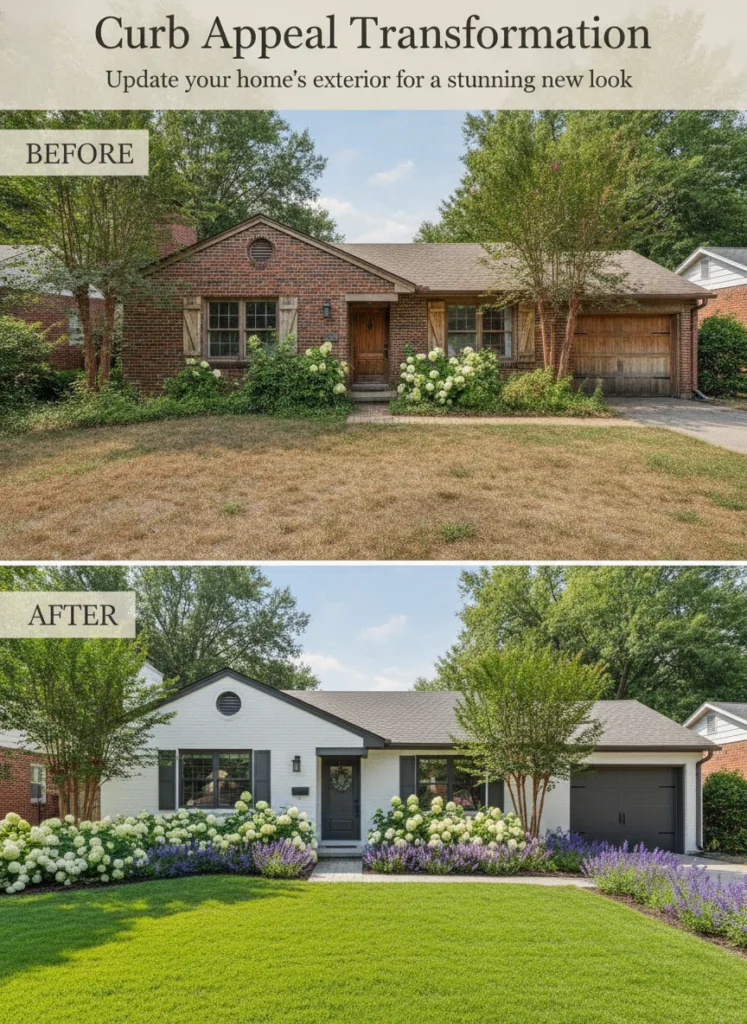
Let’s delve into the specific plant types that can achieve a stunning transformation, similar to the one observed, providing practical care tips for each.
The Verdant Canvas: A Healthy Lawn
A lush, green lawn provides the perfect backdrop for your garden beds and significantly impacts curb appeal. Achieving this requires consistent care, tailored to your grass type and region.
- Soil Preparation: Before seeding or sodding, ensure your soil has proper drainage and nutrient balance. A soil test can guide amendments.
- Watering: Water deeply and infrequently, encouraging roots to grow deeper. Aim for 1 inch of water per week, including rainfall. Early morning is the best time to water to minimize evaporation and disease.
- Mowing: Mow at the highest recommended height for your grass type (often 2.5-3.5 inches). Taller grass shades out weeds and promotes deeper root growth. Keep your mower blades sharp for a clean cut.
- Fertilization: Follow a seasonal fertilization schedule based on your grass type and soil test results. Over-fertilizing can harm the lawn and the environment.
Practical Tip: Consider overseeding thin areas in fall (cool-season grasses) or spring (warm-season grasses) to maintain density and color.
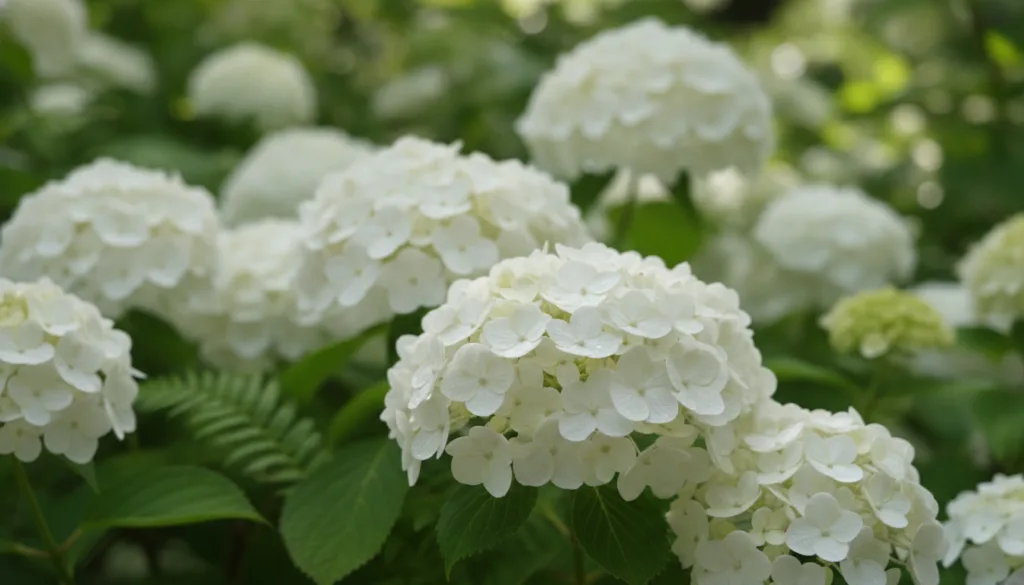
Elegant Structure: White Hydrangeas
White hydrangeas add a classic, timeless elegance to any landscape. Varieties like ‘Annabelle’ (Hydrangea arborescens) or ‘Limelight’ (Hydrangea paniculata) are popular choices, known for their abundant blooms and relatively easy care.
- Hardiness: USDA Zones 3-9, depending on the species and cultivar. Many perform well across a wide range.
- Plant type: Deciduous shrub.
- Exposure: Most white hydrangeas prefer partial sun, especially in hotter climates. In cooler zones, they can tolerate more sun if consistent moisture is provided. Too much shade can reduce blooming.
- Height & Spread: Varies significantly by cultivar, from 3-5 feet to 6-8 feet or more. ‘Annabelle’ grows to about 3-5 ft tall and wide; ‘Limelight’ can reach 6-8 ft tall and wide.
- Soil: Moist, well-drained, organically rich soil. They prefer slightly acidic to neutral soil (pH 6.0-7.0).
- Watering: Consistent moisture is crucial, especially during dry spells and while plants are establishing. Wilting leaves are a sign they need water.
- Pruning: This depends on the type. Hydrangea arborescens (like ‘Annabelle’) blooms on new wood and can be pruned back hard in late winter or early spring. Hydrangea paniculata (like ‘Limelight’) also blooms on new wood and can be pruned in late winter/early spring to shape and encourage stronger stems.
- Practical Tip: Apply a 2-3 inch layer of mulch around the base to conserve soil moisture and regulate temperature.
- Warning: Ensure adequate air circulation to prevent powdery mildew, especially in humid conditions.
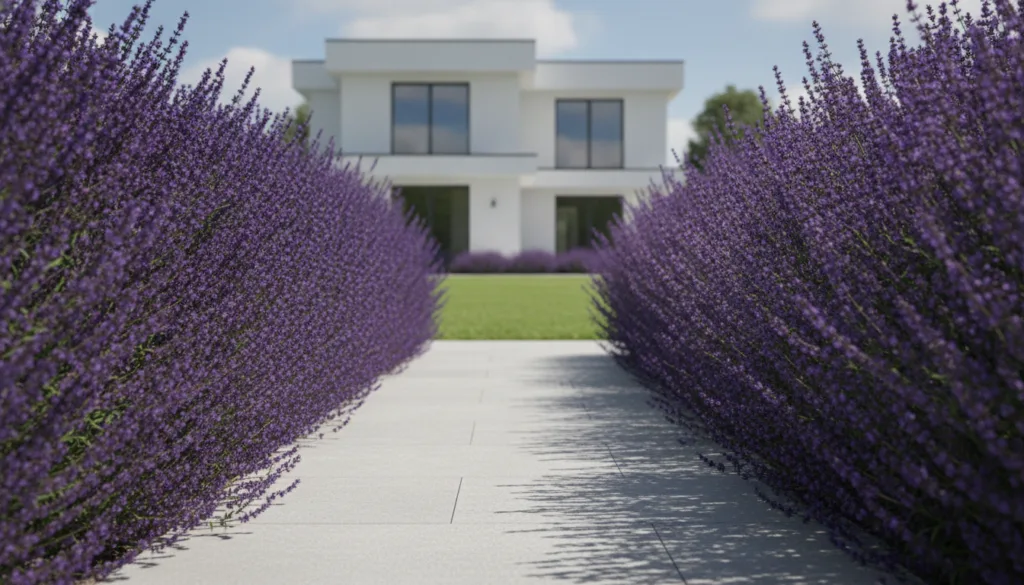
Striking Purple Accents: Salvia or Lavender
The vibrant purple flowers along the walkway add a striking contrast and visual interest. Two excellent candidates for this role are Salvia and Lavender, both offering beautiful blooms and often attractive foliage.
Salvia (Sage)
Many ornamental Salvia varieties are fantastic for continuous color and attracting pollinators.
- Hardiness: USDA Zones 4-10, depending on the species (many are perennial).
- Plant type: Herbaceous perennial or sub-shrub.
- Exposure: Full sun (at least 6 hours direct sunlight).
- Height & Spread: 1-3 feet tall and wide, varying by cultivar.
- Soil: Well-drained soil is essential. Tolerant of various soil types but dislikes wet feet.
- Watering: Drought-tolerant once established, but benefits from occasional deep watering during prolonged dry periods.
- Pruning: Deadhead spent flowers regularly to encourage re-blooming. Cut back older, woody stems in early spring to promote new growth.
- Practical Tip: Plant in groupings for maximum visual impact and to create a strong color statement.
- Warning: Ensure excellent drainage to prevent root rot.
Lavender (Lavandula)
Known for its aromatic foliage and beautiful purple spikes, lavender is another superb choice for sunny borders.
- Hardiness: USDA Zones 5-9, depending on the species (e.g., English Lavender, Lavandula angustifolia).
- Plant type: Perennial sub-shrub.
- Exposure: Full sun (6+ hours direct sunlight) is crucial for abundant flowering and healthy growth.
- Height & Spread: 1-3 feet tall and wide.
- Soil: Prefers lean, well-drained, alkaline to neutral soil. Poor drainage is its biggest enemy.
- Watering: Extremely drought-tolerant once established. Overwatering is a common cause of failure.
- Pruning: Shear back by about one-third after the main flush of blooms to encourage a second flush and maintain a tidy shape. Avoid cutting into old wood.
- Practical Tip: Plant in a location with good air circulation to prevent fungal issues.
- Warning: Does not tolerate consistently wet soil or high humidity well.
The Anchoring Element: A Healthy Tree
A well-placed tree adds height, shade, and year-round interest. Maintaining its health is paramount.
- Mulching: Apply a 2-4 inch layer of organic mulch (like wood chips) in a donut shape around the base of the tree, keeping it a few inches away from the trunk. This helps retain moisture, suppress weeds, and regulate soil temperature.
- Watering: Especially for young trees, consistent watering is vital during establishment. Water deeply and slowly to encourage deep root growth.
- Pruning: Proper pruning removes dead, diseased, or crossing branches, maintains tree shape, and promotes healthy structure. Consult a certified arborist for significant pruning jobs.
- Practical Tip: Choose a tree species appropriate for your climate and the mature size of your yard to avoid future issues with foundations or power lines.
- Warning: Avoid ‘volcano mulching’ where mulch is piled high against the trunk, as this can lead to rot and pest problems.
Common Mistakes to Avoid in Landscape Design
Even with the best intentions, some common pitfalls can hinder your curb appeal efforts:
- Improper Plant Selection: Choosing plants not suited for your light conditions, soil type, or USDA hardiness zone will lead to struggling, short-lived specimens. Always research before you buy.
- Overcrowding: Plants need space to grow to their mature size. Planting too closely together leads to poor air circulation, increased disease risk, and plants that don’t reach their full potential.
- Neglecting Soil Health: Your garden is only as healthy as its soil. Ignoring soil amendments or proper drainage can undermine all other efforts.
- Inconsistent Watering: Both overwatering and underwatering can be detrimental. Learn the specific needs of your plants and adjust based on weather conditions.
- Lack of Seasonal Interest: A beautiful spring garden can look barren by fall. Plan for plants with staggered bloom times, interesting foliage, or winter structure to ensure year-round appeal.
Regional Considerations Across the U.S.
Gardening is inherently local. While the plant types discussed are widely adaptable, their specific care and optimal planting times vary significantly by region:
- Zones 3-5 (Northern US): Focus on cold-hardy varieties. Spring planting after the last frost is crucial, and winter protection (mulch, burlap) may be needed for some perennials.
- Zones 6-8 (Mid-Atlantic, Midwest, Pacific Northwest): Enjoy a longer growing season. Both spring and fall are excellent planting times. Pay attention to summer heat and humidity for plant selection.
- Zones 9-11 (Southern US, Southwest, Coastal California): Winter cold is less of a concern, but intense summer heat, drought, and high humidity become primary factors. Choose heat-tolerant, often drought-resistant plants. Fall and winter are often ideal planting seasons.
Always consult your local university extension service for region-specific advice, recommended plant lists, and accurate frost dates. They are an invaluable resource for tailoring gardening tips to your unique microclimate.
Your Journey to a More Beautiful Home
Transforming your home’s curb appeal is a rewarding endeavor that combines strategic planning with hands-on gardening. By selecting the right plants, understanding their specific needs, and committing to consistent care, you can create a landscape that not only looks stunning but also thrives. Remember, every great garden starts with a single step. Start small, observe your plants, and learn from every success and challenge. With patience and these practical gardening tips, you’ll soon enjoy a vibrant, welcoming home exterior that brings joy to everyone who sees it.
Embrace the process, get your hands dirty, and watch your vision come to life. Your garden is an extension of your home, and with a little effort, it can become a true masterpiece of natural beauty.