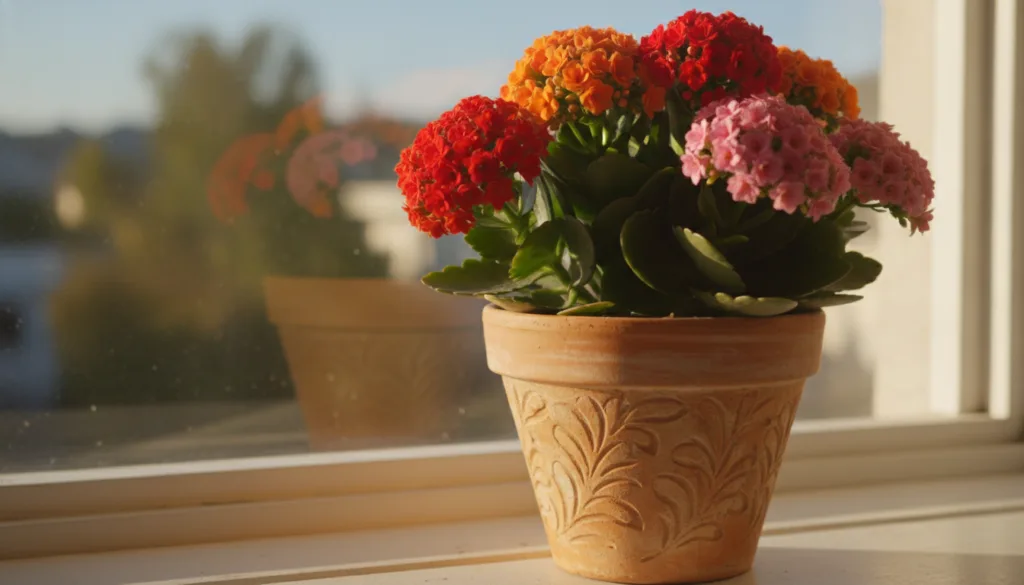
Kalanchoe, often known as “Florist Kalanchoe” or “Panda Plant,” is a delightful succulent that brings a burst of vibrant color to any indoor space or garden. With its beautiful, long-lasting flowers and relatively easy-care nature, it’s no wonder why Kalanchoes are a favorite among plant enthusiasts. If you’ve ever admired their cheerful blossoms and wished you could keep them thriving, you’re in the right place! We’re here to share simple, effective tips to help your Kalanchoe flourish and bloom gorgeously, year after year.
Understanding Your Kalanchoe: The Basics
Kalanchoes are part of the succulent family, meaning they store water in their thick leaves. This characteristic makes them quite forgiving if you occasionally forget to water them, but it also means they require specific conditions to thrive. Knowing these fundamental needs is the first step to enjoying their prolonged bloom period.
1. The Perfect Light Exposure
Light is crucial for Kalanchoe blooming. These plants love bright, indirect light. A south or west-facing window is often ideal, but be cautious of intense, direct afternoon sun, which can scorch their leaves, especially in warmer climates. If your plant isn’t blooming, lack of sufficient light is often the culprit.
- Indoors: Place near a bright window.
- Outdoors (if applicable): Choose a spot with morning sun and afternoon shade, or filtered light all day.
2. Watering Wisdom: Not Too Much, Not Too Little
As succulents, Kalanchoes are prone to root rot if overwatered. The key is to let the soil dry out completely between waterings. When you do water, do so thoroughly until water drains from the bottom of the pot.
- Check the soil: Stick your finger about an inch or two into the soil. If it feels dry, it’s time to water.
- Drainage is key: Always use pots with drainage holes.
- Reduce watering in winter: During cooler months, Kalanchoes require less water.
3. The Right Soil Mix
A well-draining soil mix is paramount for Kalanchoes. Standard potting soil can often retain too much moisture, leading to issues. Opt for a succulent or cactus mix, or create your own by mixing regular potting soil with perlite or coarse sand for improved drainage.
4. Temperature and Humidity Preferences
Kalanchoes prefer average room temperatures, generally between 60-85°F (15-29°C). They are sensitive to frost, so bring them indoors if temperatures drop. As for humidity, they don’t have high demands and do well in typical household humidity levels. Avoid overly humid environments, which can encourage fungal issues.
Encouraging Abundant Blooms
Beyond basic care, a few tricks can help your Kalanchoe produce those stunning, long-lasting flowers.
Pruning for Prosperity (Deadheading)
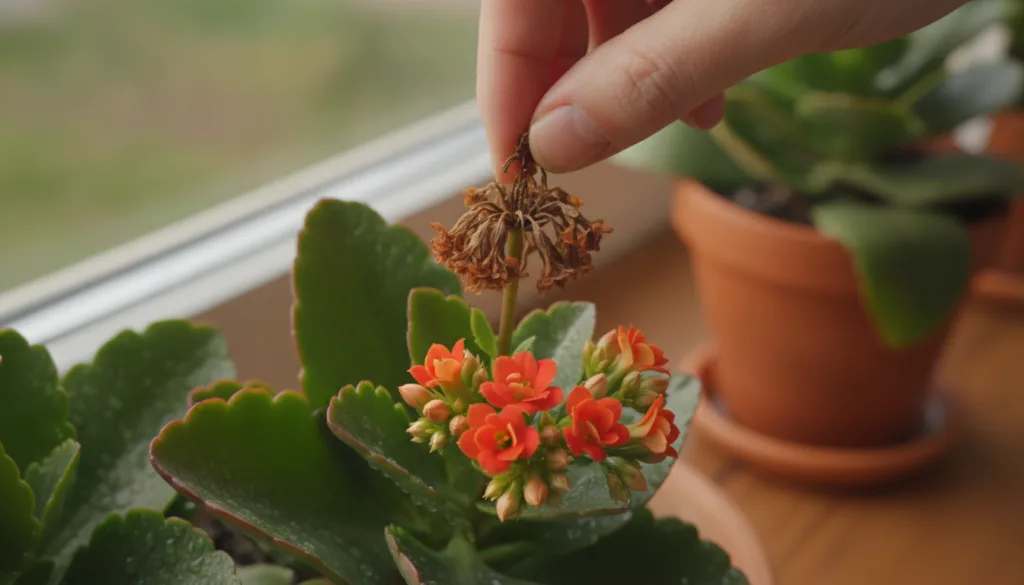
Once the flowers fade, it’s time to deadhead your Kalanchoe. This involves removing the spent flower stalks. Not only does this keep your plant looking tidy, but it also encourages new growth and more blooms. Simply snip the spent flower stalk back to the first set of healthy leaves or to the main stem.
Feeding Your Flowering Friend
While Kalanchoes aren’t heavy feeders, a little fertilizer during their active growing and blooming season can boost their vitality. Use a balanced liquid fertilizer diluted to half strength, once every 2-4 weeks. Avoid fertilizing during their dormancy period (winter).
The Bloom Cycle: Short Days for Flowers
Kalanchoes are ‘short-day’ plants, meaning they need periods of darkness to initiate flowering. To encourage reblooming, replicate their natural conditions:
- Provide 14 hours of uninterrupted darkness: Starting in late fall, place your Kalanchoe in a completely dark closet or cover it with a box for 14 hours each day.
- Give 10 hours of bright light: For the remaining 10 hours, expose it to bright, indirect light.
- Repeat for 6-8 weeks: After this period, you should start to see new flower buds forming.
Troubleshooting Common Kalanchoe Issues
Even with the best care, you might encounter a few minor issues. Don’t worry, most are easily fixable!
- Wilting leaves: Often a sign of either too much or too little water. Check soil moisture before adjusting.
- Yellowing leaves: Can indicate overwatering, nutrient deficiency, or too much direct sunlight.
- No blooms: Usually due to insufficient light or not enough darkness during the short-day cycle.
- Pests: Kalanchoes are generally pest-resistant, but watch out for common houseplant pests like aphids or mealybugs. Treat with insecticidal soap if necessary.
Enjoying Your Beautiful Kalanchoe!
With these simple tips, you’re well on your way to cultivating a happy, healthy Kalanchoe that will reward you with a magnificent display of flowers. Remember, gardening is a journey of learning and discovery. Don’t be afraid to observe your plant and adjust your care routine as needed.
Do you have a Kalanchoe at home? Share your favorite care tips or show us your beautiful blooms in the comments below! Happy gardening!