That nagging backache, whether a dull throb or a sharp pinch, is a common frustration for millions. We often reach for conventional solutions, yet sometimes the most surprising relief can be found hiding in plain sight. Most people overlook this humble garden green, yet it holds a potent secret for soothing that persistent back discomfort you wish you knew sooner. This isn’t just another passing trend; it’s a practical, natural fix that many are discovering for its remarkable properties.
Known by various names, this succulent plant, often considered a weed by some, is a powerhouse of nutrients and compounds that can directly address the underlying causes of back pain, particularly inflammation. Forget complicated routines; incorporating this plant into your daily rhythm could be the gentle, effective remedy your back has been asking for.

What is Purslane?
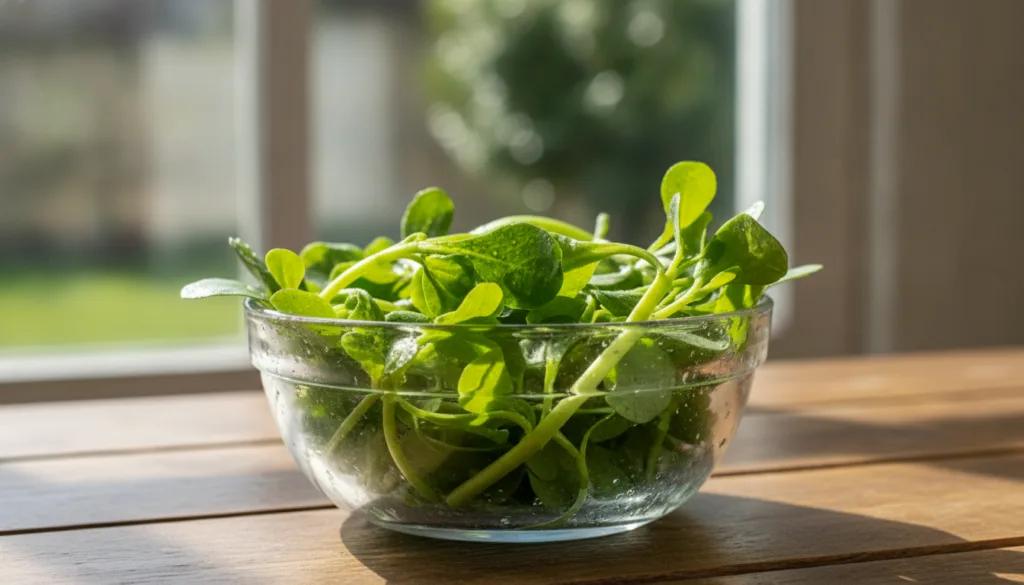
Purslane (Portulaca oleracea) is a leafy green plant with thick, succulent stems and leaves. It’s often found growing wild in gardens, fields, and even cracks in pavement. While it might look unassuming, this plant has been used in traditional medicine and cuisines around the world for centuries. It’s characterized by its slightly tart and peppery taste, making it a versatile ingredient in salads, stir-fries, and as a base for healthful tonics. Its robust nature means it’s often easy to find and cultivate, making it an accessible option for those seeking natural remedies.
Ingredients for Purslane Back Relief Tonic
To create a simple, effective purslane tonic aimed at easing back pain, you only need a few basic ingredients.
- Fresh Purslane: 1-2 cups, washed thoroughly
- Filtered Water: 2 cups
- Optional additions for taste/potency:
- Lemon juice: 1 tablespoon (for freshness and vitamin C)
- Ginger root: 1-inch piece, peeled and sliced (for added anti-inflammatory benefits)
- Honey or maple syrup: 1 teaspoon (to taste, if desired)
Approximate Measurements
These measurements are flexible and can be adjusted based on your preference and the severity of your discomfort. The key is to get a good concentration of purslane’s beneficial compounds.
- For a single serving: Use 1 cup of fresh purslane to 1 cup of water.
- For a batch: Use 2 cups of fresh purslane to 2-3 cups of water.
Formula / Recipe: Purslane Anti-Inflammatory Elixir
This recipe focuses on creating a potent liquid extract that can be consumed for internal relief.
The Blended Elixir Method
This method is quick and retains the maximum nutritional value.
- Wash the purslane thoroughly under cold running water. Pay attention to any soil or debris.
- Roughly chop the purslane leaves and tender stems.
- Place the chopped purslane into a high-speed blender.
- Add the filtered water. If using ginger, add it now.
- Blend on high until the mixture is completely smooth and liquid. This may take 1-2 minutes.
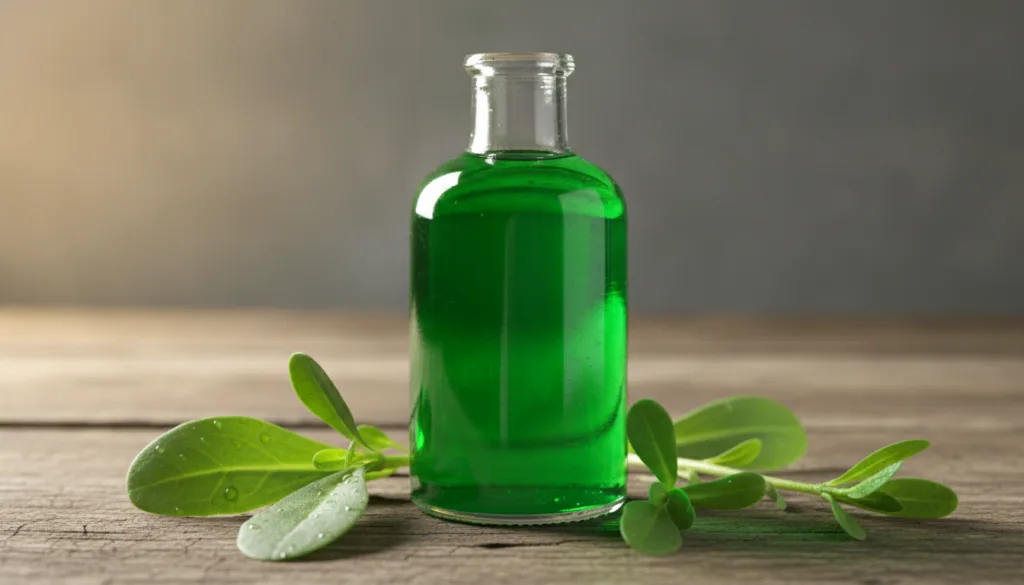
- Strain the mixture through a fine-mesh sieve or cheesecloth into a clean glass jar or bottle. Press down on the solids to extract as much liquid as possible.
- Discard the fibrous pulp (or add to compost).
- If desired, stir in lemon juice and honey/maple syrup to the strained liquid.
The Tea Infusion Method
For those who prefer a warm beverage.
- Wash and chop 1 cup of fresh purslane.
- Bring 2 cups of filtered water to a boil.
- Add the chopped purslane (and sliced ginger, if using) to the boiling water.
- Reduce heat to a simmer, cover, and let it infuse for 5-7 minutes.
- Strain the liquid into a mug.
- Add lemon and sweetener to taste, if desired.
Step-by-Step Method: Preparing Your Tonic
Quick Tip: Fresh vs. Dried Purslane
While fresh purslane is ideal for this tonic due to its higher water content and immediate nutrient availability, dried purslane can also be used for tea. If using dried, use about 1 tablespoon per cup of hot water and steep for 10-15 minutes.
| Feature | Fresh Purslane | Dried Purslane |
|---|---|---|
| Availability | Seasonal, wild or garden | Year-round, herbal suppliers |
| Potency (Tonic) | Higher, especially Omega-3s | Reduced, mainly minerals/fibers |
| Preparation | Blended juice, salads, cooked | Teas, infusions |
| Flavor | Tangy, slightly peppery | Milder, earthy |
| Storage | Refrigerate up to 5 days | Cool, dry place for 6-12 months |
How to Use Your Purslane Tonic
For back pain relief, consistent use is key. The tonic is best consumed internally.
- For general discomfort: Drink 1 cup of the tonic once or twice daily.
- For acute flare-ups: You may increase to 3 times a day, but listen to your body.
Best Time to Take:
- Morning: On an empty stomach to kickstart your day with anti-inflammatory benefits.
- Between Meals: To allow for optimal absorption without interference from other foods.
- Before Bed: For those whose back pain interferes with sleep, a warm tea infusion might be particularly soothing.
How Often to Use
You can safely consume purslane tonic daily for several weeks. Many people incorporate it as part of their regular wellness routine. If your back pain persists or worsens, always consult a healthcare professional. For chronic conditions, a consistent daily intake for 4-6 weeks might show noticeable improvements.
How to Buy / How to Choose Ingredients
Wild purslane is common, but be cautious about harvesting from areas that may have been sprayed with pesticides or are near busy roads. Look for fresh, vibrant green leaves and firm stems. Avoid any that appear wilted, yellowed, or have dark spots.
- Farmer’s Markets: Often a great source for organically grown purslane.
- Asian or Specialty Grocery Stores: Sometimes carry fresh purslane.
- Grow Your Own: Purslane is easy to cultivate in a garden or pot, making it a sustainable option.
Storage
The fresh purslane tonic is best consumed within 2-3 days if stored in an airtight container in the refrigerator. After this time, its potency may diminish, and spoilage can occur. For dried purslane, store it in an airtight container in a cool, dark place for up to 6-12 months.
Practical Tips
- Topical Application (Optional): While internal consumption addresses systemic inflammation, a simple purslane paste can be applied externally for localized muscle soreness. Blend fresh purslane with a tiny bit of water to form a thick paste and apply to the affected area for 20-30 minutes before rinsing.
- Combine with Other Anti-Inflammatories: Consider adding turmeric or black pepper to your tonic for an enhanced anti-inflammatory effect.
- Hydration is Key: Ensure you are drinking enough plain water alongside your tonic, as proper hydration supports joint and muscle health.
Common Mistakes
- Using Sprayed Plants: Always ensure your purslane is free from pesticides or chemical contaminants.
- Not Washing Thoroughly: Wild-harvested purslane can carry soil and small insects. Wash meticulously.
- Boiling Too Long (for tea): Over-boiling can degrade some of the heat-sensitive nutrients. Stick to a gentle simmer for 5-7 minutes.
- Storing Improperly: Leaving the tonic out at room temperature will lead to spoilage quickly.
- Relying Solely on the Remedy: While beneficial, purslane is a complementary remedy. It doesn’t replace professional medical advice or other necessary treatments for severe back conditions.
Cautions / Who Should Avoid It
While generally safe for most people, there are a few considerations:
- Kidney Stones: Purslane is high in oxalates, which can contribute to kidney stone formation in susceptible individuals. If you have a history of kidney stones, consult your doctor before consuming purslane regularly.
- Pregnant or Breastfeeding Women: Consult a healthcare provider before use due to limited research in these populations.
- Allergies: If you have allergies to other plants in the Portulacaceae family, exercise caution.
- Medication Interactions: If you are on diuretics or blood thinners, speak to your doctor, as purslane has mild diuretic properties and contains Vitamin K.
Quick Summary
- Best Preparation: Blended fresh tonic for internal consumption or a warm tea infusion.
- Best Use-Case: Alleviating inflammation-related back pain and supporting overall wellness.
- Storage: Fresh tonic in the refrigerator for 2-3 days; dried purslane in a cool, dark place for months.
- When to Use: Daily, preferably in the morning or between meals, or a warm tea before bed.
- What to Avoid: Unwashed or chemically-treated purslane; over-boiling tea; neglecting medical advice for severe pain.
FAQ
- Can I use fresh or dried purslane?
Fresh is ideal for tonics, retaining more nutrients. Dried purslane is suitable for teas. - How long does the purslane tonic last?
The fresh tonic lasts 2-3 days in the refrigerator. - Can I freeze the purslane tonic?
Yes, you can freeze it in ice cube trays for longer storage. Thaw and consume as needed. - How often should I use it for back pain?
Typically 1-2 times daily for general relief, potentially 3 times for acute discomfort. - What part of the purslane plant is best to use?
The leaves and tender stems are used for the tonic. - Can I reuse the pulp after straining?
The pulp is mostly fiber, but can be added to smoothies or composted. - When should I avoid purslane?
If you have kidney stones, are pregnant/breastfeeding, or on certain medications, consult a doctor. - Does purslane have a strong taste?
It has a slightly tart, peppery, and succulent flavor. Optional additions like lemon and ginger can enhance its taste.
Short Conclusion
Purslane, often dismissed as a common weed, offers a powerful, yet gentle, approach to managing back pain through its rich anti-inflammatory and nutritional profile. By understanding its simple preparation and proper usage, you can harness this unexpected garden green as a valuable part of your daily wellness routine. Give your back the natural support it deserves and experience the surprisingly effective relief this plant can offer.