Most people know amaranth as a trendy gluten-free grain, often found in health food stores. But what many overlook is that this powerful plant offers far more than just nutritious seeds. The often-ignored leaves of the amaranth plant hold a surprising array of health benefits, revered for centuries in traditional healing practices. One small preparation mistake, however, can diminish its potential. Are you truly getting the most out of this ancient superfood?
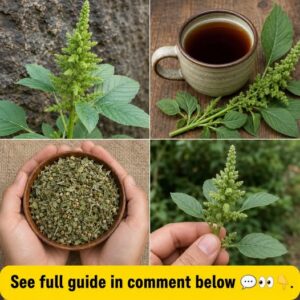
What is Amaranth?
Amaranth (Amaranthus spp.) is a versatile pseudocereal that serves a dual purpose: its seeds are consumed as a highly nutritious grain, and its leaves are eaten as a leafy green vegetable. Originating in Mesoamerica, it was a staple food for ancient civilizations like the Aztecs and Incas. Today, it’s celebrated for its impressive nutritional profile, including being a complete protein source, rich in minerals like iron, magnesium, and calcium, and packed with antioxidants. Both the seeds and the leaves offer distinct benefits and can be incorporated into your daily diet in practical ways.
Ingredients
For most simple amaranth preparations, the core ingredients are minimal:
- Amaranth Seeds: Available as whole grains, often found in natural food stores.
- Amaranth Leaves: Can be fresh (from gardens or specialty markets) or dried (for teas and powders).
- Water: For cooking seeds or brewing leaves.
- Optional: A pinch of salt for cooking, honey or lemon for tea.
Approximate Measurements
- For Amaranth Seed Porridge: 1 part amaranth seeds to 3 parts water.
- For Amaranth Leaf Tea: 1-2 teaspoons dried amaranth leaves (or a small handful of fresh leaves) per 8 oz (240ml) of hot water.
- For Cooked Amaranth Leaves: 2 cups fresh amaranth leaves per serving.
Formula / Recipe: Two Ways to Enjoy Amaranth
To truly harness amaranth’s benefits, let’s explore two common, easy preparations: a nutritious seed porridge and a beneficial leaf tea.
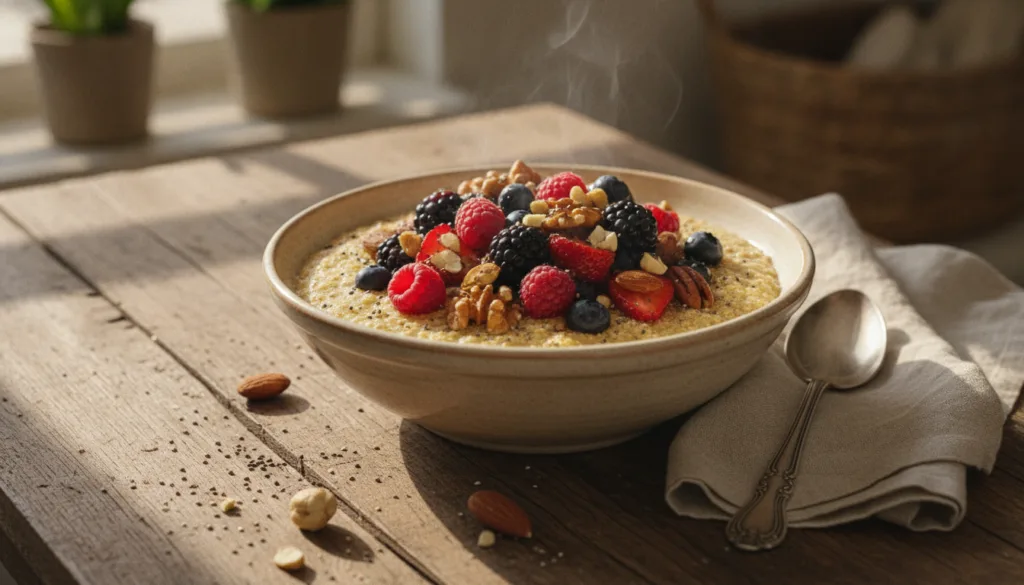
1. Amaranth Seed Porridge
A hearty, gluten-free alternative to oatmeal, perfect for breakfast.
Step-by-step Method:
- Rinse: Place ½ cup amaranth seeds in a fine-mesh sieve and rinse thoroughly under cold running water. This helps remove saponins that can cause a bitter taste.
- Combine: In a small saucepan, combine the rinsed amaranth seeds with 1 ½ cups water and a pinch of salt.
- Boil: Bring the mixture to a boil over medium-high heat.
- Simmer: Reduce the heat to low, cover, and simmer for 20-25 minutes, or until the water is absorbed and the seeds are fluffy. The texture will be slightly sticky.
- Rest: Remove from heat and let it sit, covered, for 5 minutes before serving.
- Serve: Enjoy plain or with your favorite toppings like fruits, nuts, or a drizzle of honey.
2. Amaranth Leaf Tea
A simple, soothing tea that delivers the leaf’s unique properties.
Step-by-step Method:
- Heat Water: Bring 8 oz (240ml) of fresh water to a boil.
- Prepare Leaves: Place 1-2 teaspoons of dried amaranth leaves (or a small handful of fresh, chopped leaves) into a tea infuser or directly into a mug.
- Steep: Pour the hot water over the leaves.
- Infuse: Cover the mug and steep for 5-10 minutes. Covering helps retain the volatile compounds.
- Strain & Serve: Remove the infuser or strain the leaves. Sweeten with honey or add a slice of lemon if desired.
How to Use
- Amaranth Seeds: Use as a breakfast porridge, a base for grain bowls, a gluten-free thickener for soups, or popped like popcorn.
- Amaranth Leaves: Cook like spinach (sautéed, steamed), add to soups, stews, or stir-fries, or brew as a nourishing tea.
How Often to Use
- Amaranth Seeds: Can be consumed daily as part of a balanced diet.
- Amaranth Leaves (Cooked): Regular consumption (2-3 times a week) is beneficial.
- Amaranth Leaf Tea: 1-2 cups daily for general wellness.
Quick Tip: Fresh vs. Dried Amaranth Leaves
While both fresh and dried amaranth leaves offer benefits, their uses often differ:
| Feature | Fresh Amaranth Leaves | Dried Amaranth Leaves |
|---|---|---|
| Best Use | Cooking (sautéed, stir-fries, soups) | Teas, powders, herbal infusions |
| Flavor Profile | Mild, earthy, slightly spinach-like | More concentrated, slightly grassy |
| Nutrient Content | Higher water-soluble vitamins | Concentrated minerals, stable compounds |
| Storage | Refrigerate up to 5 days | Airtight container, cool dark place (1 year) |
You may also like: The Complete Guide to Making Dandelion Coffee
How to Buy / How to Choose Ingredients
- Amaranth Seeds: Look for organic, whole amaranth seeds from reputable health food stores or online suppliers. Ensure they are free from debris and have a uniform color.
- Fresh Amaranth Leaves: If buying fresh, choose vibrant green leaves free from yellowing, wilting, or insect damage. Farmers’ markets are a great source.
- Dried Amaranth Leaves: Opt for sustainably sourced, food-grade dried leaves from herbal suppliers.
Storage
- Amaranth Seeds: Store uncooked seeds in an airtight container in a cool, dry, dark place for up to 6 months, or in the refrigerator for longer. Cooked porridge can be refrigerated for 3-4 days.
- Fresh Amaranth Leaves: Wrap unwashed leaves in a damp paper towel and store in a plastic bag in the refrigerator for up to 5 days. Wash just before use.
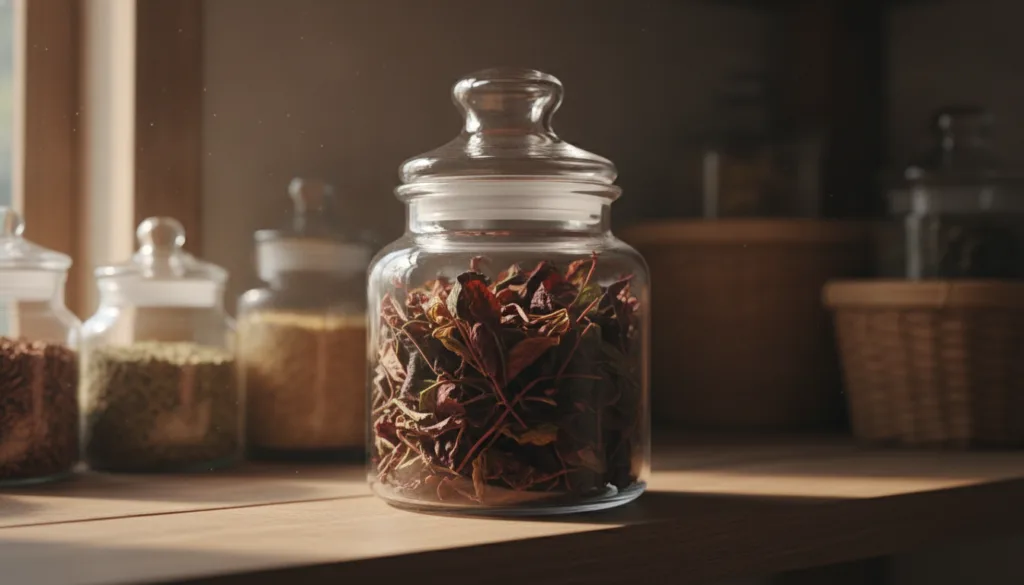
- Dried Amaranth Leaves: Keep in an airtight container away from direct sunlight and moisture. They can last up to a year.
Practical Tips
- Rinse Seeds Thoroughly: Always rinse amaranth seeds well before cooking to reduce bitterness caused by saponins.
- Combine with Other Grains: If the sticky texture of amaranth porridge is not to your liking, try cooking it with other grains like quinoa or rice for a different consistency.
- Utilize Both Parts: Don’t limit yourself to just the seeds. Explore recipes that use amaranth leaves for a wider range of nutrients.
- Grow Your Own: Amaranth is relatively easy to grow in many climates, providing a fresh and abundant supply of leaves.
Common Mistakes
- Not Rinsing Seeds: Skipping the rinse can lead to a slightly bitter flavor in cooked seeds.
- Overcooking Leaves: Boiling amaranth leaves for too long can diminish their vibrant color and some heat-sensitive nutrients. Quick sautéing or steaming is often best.
- Ignoring Variety: Sticking to just one part of the plant means missing out on the full spectrum of benefits.
- Storing Incorrectly: Allowing fresh leaves to sit unwashed and uncovered can lead to rapid wilting and spoilage.
Cautions / Who Should Avoid It
Amaranth is generally safe for most people. However, like other leafy greens, amaranth leaves contain oxalates, which can interfere with calcium absorption and may be a concern for individuals prone to kidney stones. Cooking the leaves can help reduce oxalate levels. Individuals with specific allergies to amaranth are rare but should, of course, avoid it. Always consult with a healthcare professional if you have any underlying health conditions or are on medication before making significant dietary changes.
Related remedy: Understanding the Benefits of Moringa Leaf Powder
Quick Summary
Amaranth is a dual-purpose powerhouse, offering both nutritious seeds and beneficial leaves. For seeds, aim for a simple porridge, rinsing thoroughly to remove bitterness. For leaves, enjoy them cooked like spinach or brewed as a healthful tea. Store seeds in an airtight container and fresh leaves in the refrigerator. Avoid under-rinsing seeds or overcooking leaves to maximize their potential. It’s a versatile ingredient that can easily enhance your diet.
FAQ
- Can I use fresh or dried amaranth leaves for tea? Both can be used, but dried leaves offer a more concentrated flavor and are easier to store for long periods.
- How long does cooked amaranth porridge last? Cooked amaranth porridge can be refrigerated in an airtight container for 3-4 days.
- Can I freeze amaranth seeds? Uncooked amaranth seeds can be frozen in an airtight container for extended storage, though refrigeration is usually sufficient for up to 6 months.
- What part of the amaranth plant is best for nutrients? Both the seeds and leaves are highly nutritious, offering different profiles. Seeds are rich in protein and fiber, while leaves provide more vitamins A and C, and certain minerals.
- How can I make amaranth taste less bitter? Thoroughly rinsing the seeds before cooking helps remove saponins, which can cause bitterness.
- Is amaranth gluten-free? Yes, amaranth is naturally gluten-free, making it an excellent option for individuals with celiac disease or gluten sensitivity.
Continue with: Exploring the Power of Turmeric & Ginger Shots
Conclusion
Amaranth is far more than an ancient grain; it’s a complete nutritional powerhouse, offering both versatile seeds and nutrient-rich leaves. By understanding the simple methods for preparing and utilizing both parts of this incredible plant, you can easily integrate its hidden health secrets into your modern wellness routine. Don’t let its humble appearance fool you – amaranth is a straightforward, practical addition that can significantly boost your daily nutrition and overall well-being.