Most people walk past amaranth in their yard or dismiss it as a common weed, never realizing the powerful secret it holds. While its vibrant colors might catch the eye, the true magic lies hidden in its leaves and seeds, offering an unexpectedly helpful natural fix for a variety of common ailments. You might have seen it growing wild, yet never considered harnessing its potential. This is the part most people skip, overlooking a readily available source of wellness that could transform your daily routine.
What is Amaranth?
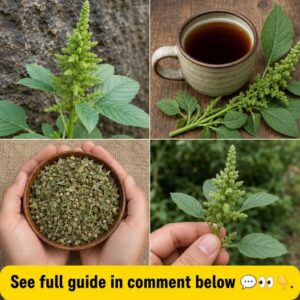
Amaranth refers to a group of versatile plants whose leaves, seeds, and even flowers are edible and highly nutritious. Historically, it was a staple crop for ancient civilizations like the Aztecs and Incas, revered for its life-sustaining properties. Today, it’s often seen as a garden ornamental or a persistent ‘weed,’ yet it’s packed with vitamins, minerals, and antioxidants. From its earthy-tasting leaves to its gluten-free, protein-rich seeds, amaranth offers a bounty of nutritional benefits often missed by the modern diet. It’s truly an ancient superfood thriving right under our noses.
Ingredients for an Amaranth Leaf Infusion
To tap into amaranth’s benefits, a simple leaf infusion is one of the easiest and most effective methods. Here’s what you’ll need:
- Fresh Amaranth Leaves: About 1 cup, loosely packed, from young, tender plants.
- Water: 2 cups, filtered if possible.
- Optional Add-ins: A slice of lemon, a small piece of ginger, or a teaspoon of honey for taste.
The key to a potent infusion lies in using fresh, healthy leaves. Avoid any that are yellowed, spotted, or show signs of pest damage. If using dried leaves, you’ll need significantly less.
Approximate Measurements
For a standard, single-serving infusion:
- Fresh Leaves: 1 cup (approximately 15-20 medium-sized leaves).
- Dried Leaves: 1 tablespoon (about 2-3 grams).
- Water: 2 cups (470-500 ml).
Adjust these measurements based on your desired strength and the quantity you wish to prepare. For a stronger infusion, increase the leaf-to-water ratio slightly.
Formula / Recipe: Amaranth Leaf Digestive Infusion
This simple formula creates a gentle, nutrient-rich infusion perfect for supporting digestion and overall wellness.
Yields: 1 serving
Prep time: 5 minutes
Infusion time: 10-15 minutes
Step-by-Step Method
- Clean the Leaves: Thoroughly wash the fresh amaranth leaves under cold running water. Gently pat them dry with a clean cloth or paper towel. If using dried leaves, skip this step.
- Chop (Optional): Roughly chop the fresh leaves to expose more surface area, which helps release their beneficial compounds. This step is not strictly necessary but can enhance the infusion’s potency.
- Boil Water: Bring 2 cups of water to a rolling boil in a small pot.
- Combine: Once the water is boiling, remove it from the heat. Add the fresh or dried amaranth leaves directly to the hot water. If using optional add-ins like ginger, add them now.
- Infuse: Cover the pot with a lid to trap the steam and beneficial volatile compounds. Let the leaves steep for 10-15 minutes. For a stronger infusion, you can steep for up to 20 minutes.
- Strain: After steeping, use a fine-mesh strainer to separate the liquid from the leaves. Discard the spent leaves.
- Serve: Pour the warm amaranth infusion into a mug. If desired, add a slice of lemon or a teaspoon of honey to taste.
How to Use + Best Time to Take
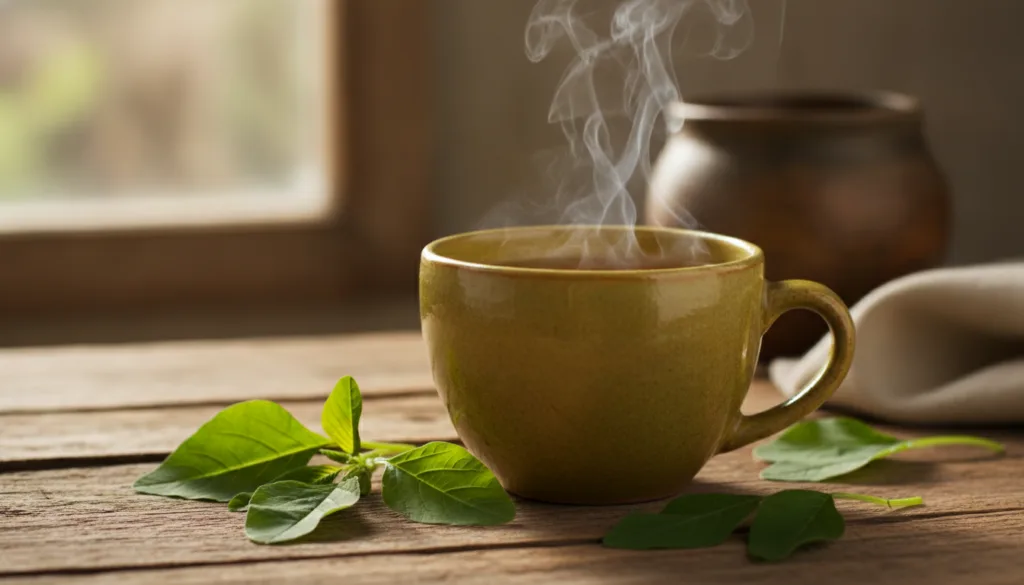
This amaranth leaf infusion can be enjoyed warm or cooled. It’s particularly beneficial for:
- Digestive Support: Drink a cup about 30 minutes before or an hour after a meal to aid digestion and alleviate mild bloating or discomfort.
- Morning Boost: Enjoy a warm cup in the morning as a caffeine-free alternative to kickstart your day with essential nutrients.
- Evening Calm: A mild, warm cup before bed can help settle the stomach and promote relaxation.
Do not exceed two to three cups per day, especially when first introducing it to your routine.
How Often to Use
For general wellness and daily support, consuming 1-2 cups of amaranth leaf infusion per day is a good starting point. You can incorporate it into your routine for several weeks, taking short breaks if desired. Listen to your body and adjust the frequency as needed.
Quick Tip: Fresh vs. Dried Leaves
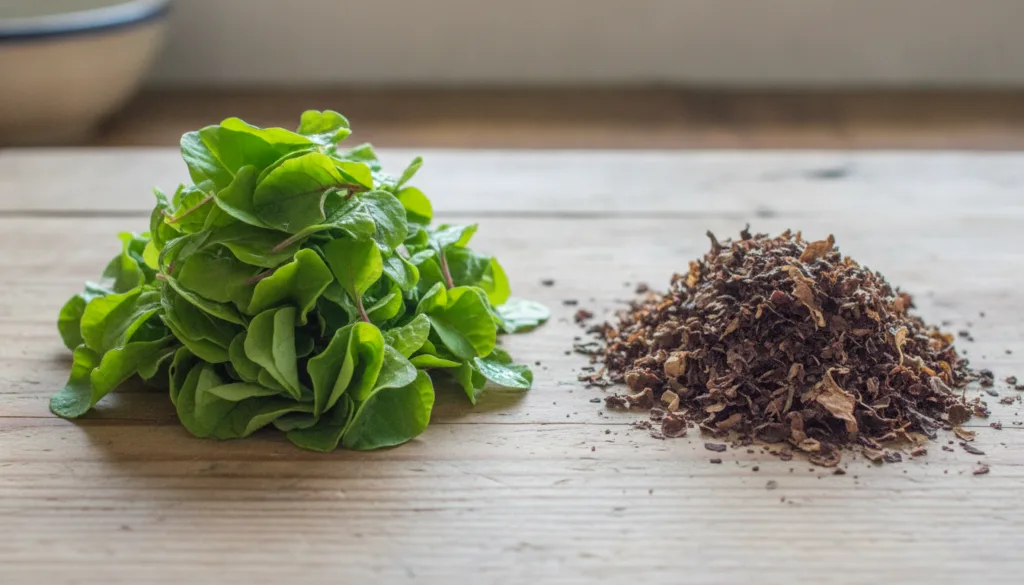
The choice between fresh and dried amaranth leaves largely depends on availability and convenience. Fresh leaves often provide a more vibrant flavor profile and may contain higher levels of certain heat-sensitive compounds. Dried leaves, however, are more concentrated, have a longer shelf life, and are excellent for year-round use when fresh leaves are not in season. When substituting, remember that dried herbs are typically 2-3 times more potent by weight than fresh herbs.
Why It Works (Science Insight)
Amaranth’s effectiveness as a remedy stems from its rich nutritional and phytochemical profile. Its leaves are particularly high in:
- Vitamins A, C, and K: Potent antioxidants that support immune function and reduce inflammation.
- Minerals: Iron, calcium, magnesium, and potassium, crucial for bone health, energy production, and nerve function.
- Flavonoids and Phenolic Acids: These compounds act as powerful antioxidants, protecting cells from oxidative stress and contributing to its anti-inflammatory properties.
- Dietary Fiber: Supports healthy digestion, promotes regularity, and can help maintain stable blood sugar levels.
The synergy of these components makes amaranth a fantastic ally for gut health, offering gentle support for a well-functioning digestive system without the harshness of some synthetic remedies. Its anti-inflammatory action can also indirectly benefit overall well-being, including reducing discomfort associated with minor inflammation.
Who Benefits Most
This amaranth leaf infusion is especially beneficial for individuals looking for:
- Gentle Digestive Support: Those experiencing mild indigestion, occasional constipation, or bloating.
- Nutrient Boost: Individuals seeking to increase their intake of vitamins, minerals, and antioxidants from a natural source.
- Natural Wellness Alternatives: People interested in incorporating traditional plant-based remedies into their daily health regimen.
- Vegetarians/Vegans: As a source of plant-based iron and protein (especially the seeds, though the leaves contribute too).
How to Buy / How to Choose Ingredients
When sourcing amaranth leaves or seeds, quality matters:
- Fresh Leaves: Look for vibrant green, firm leaves without wilting, yellowing, or holes. Organic is always preferred to avoid pesticides. If harvesting wild, ensure you can accurately identify the plant and that it grows in an unpolluted area away from roadsides.
- Dried Leaves: Purchase from reputable herbal suppliers. The leaves should retain some color and not appear overly dusty or discolored.
- Seeds: Choose whole amaranth seeds from organic or non-GMO sources. They should be uniformly sized and free from debris.
Storage
- Fresh Leaves: Store unwashed fresh amaranth leaves in a plastic bag in the refrigerator’s crisper drawer for up to 3-5 days. Wash just before use.
- Dried Leaves: Keep dried amaranth leaves in an airtight container in a cool, dark place, away from direct sunlight and moisture. They can last for up to 6-12 months.
- Prepared Infusion: Store any leftover infusion in an airtight container in the refrigerator for up to 24 hours. Reheat gently or consume cold.
Common Mistake: Boiling Amaranth Leaves Too Vigorously
A frequent error when making amaranth leaf tea is boiling the leaves aggressively or for too long. While boiling water is necessary for infusion, prolonged, high-heat boiling can degrade some of the more delicate vitamins and beneficial compounds in the leaves, especially Vitamin C. Instead, remove the water from the heat immediately after it boils and then add the leaves, allowing them to steep gently under a cover.
Practical Tips
- Combine with Other Herbs: Amaranth pairs well with other digestive-friendly herbs like mint or chamomile for enhanced flavor and benefits.
- Utilize the Seeds: Don’t forget amaranth seeds! They can be cooked like quinoa, popped like popcorn, or ground into gluten-free flour, offering another way to incorporate this superfood into your diet.
- Start Small: If you’re new to herbal remedies, begin with a smaller amount of leaves and gradually increase to assess your body’s response.
Cautions / Who Should Avoid It
While generally safe for most, some considerations apply:
- Oxalates: Amaranth leaves contain oxalates, which can interfere with calcium absorption and contribute to kidney stone formation in susceptible individuals. Cooking reduces oxalate levels. If you have kidney issues, consult your doctor before regular consumption.
- Allergies: Though rare, an allergic reaction to amaranth is possible. Discontinue use if you experience any adverse symptoms.
- Medication Interactions: If you are on medication, especially for blood thinning or diabetes, consult your healthcare provider before adding large quantities of amaranth to your diet, as its vitamin K content can affect blood clotting, and fiber can impact blood sugar.
- Pregnancy and Breastfeeding: While considered safe in food amounts, consult a healthcare professional regarding medicinal quantities during pregnancy or breastfeeding.
Quick Summary
Amaranth, an often-overlooked plant, is a powerful ally for wellness. Its leaves, prepared as a simple infusion, offer a gentle remedy for digestive support and a significant boost of vitamins, minerals, and antioxidants. Best used 1-2 times daily, either before or after meals, or as a nutritious morning beverage. Store fresh leaves in the fridge and dried leaves in an airtight container. Avoid over-boiling the leaves to preserve nutrients. Consult a doctor if you have kidney issues or are on specific medications due to oxalate and vitamin K content.
FAQ
Q1: Can I use both fresh and dried amaranth leaves for the infusion?
A: Yes, you can use either. Just remember that dried leaves are more concentrated, so use about 1 tablespoon of dried for every cup of fresh leaves.
Q2: How long does amaranth infusion last?
A: It’s best consumed fresh. You can store it in the refrigerator for up to 24 hours, but its potency and flavor will diminish over time.
Q3: Can I refrigerate fresh amaranth leaves?
A: Yes, store unwashed leaves in a plastic bag in the crisper drawer of your refrigerator for 3-5 days.
Q4: How often should I drink amaranth leaf infusion?
A: For general wellness, 1-2 cups per day is a good starting point. Adjust based on your body’s response and specific needs.
Q5: What part of the amaranth plant is best for remedies?
A: For infusions, the young, tender leaves are most commonly used. The seeds are also highly nutritious and can be incorporated into your diet.
Q6: Does amaranth tea taste bitter?
A: Amaranth leaves have an earthy, slightly spinach-like flavor. The infusion is generally mild. Adding lemon or honey can enhance the taste if preferred.
Q7: Can children drink amaranth infusion?
A: While amaranth is nutritious, always consult a pediatrician before introducing herbal infusions to children.
Conclusion
The next time you spot amaranth, consider it more than just a plant in the background. With its rich history and profound nutritional value, it’s a simple, natural remedy waiting to be rediscovered. Incorporating amaranth leaves into a daily infusion is a practical, easy step toward supporting your digestion and boosting your overall wellness. Give this ancient superfood a chance, and you might just find a new favorite secret to feeling your best.