Are you looking for a simple, cost-effective, and incredibly effective way to give your plants the nutrient boost they deserve? Look no further than your fruit bowl! Banana peels, often discarded, are a treasure trove of nutrients that can transform your garden into a vibrant paradise. At Garden – L. Quyên, we love sharing natural, easy-to-implement gardening tips that help your plants thrive, and homemade banana peel fertilizer is definitely one of our favorites!
Many gardeners face the pain points of struggling plants, slow growth, or simply not knowing how to provide the best care. This natural fertilizer can be a game-changer, helping your plants grow healthier, stronger, and produce more abundant blooms and fruits. Let’s dive into how you can turn this common kitchen scrap into a powerful elixir for your green companions.
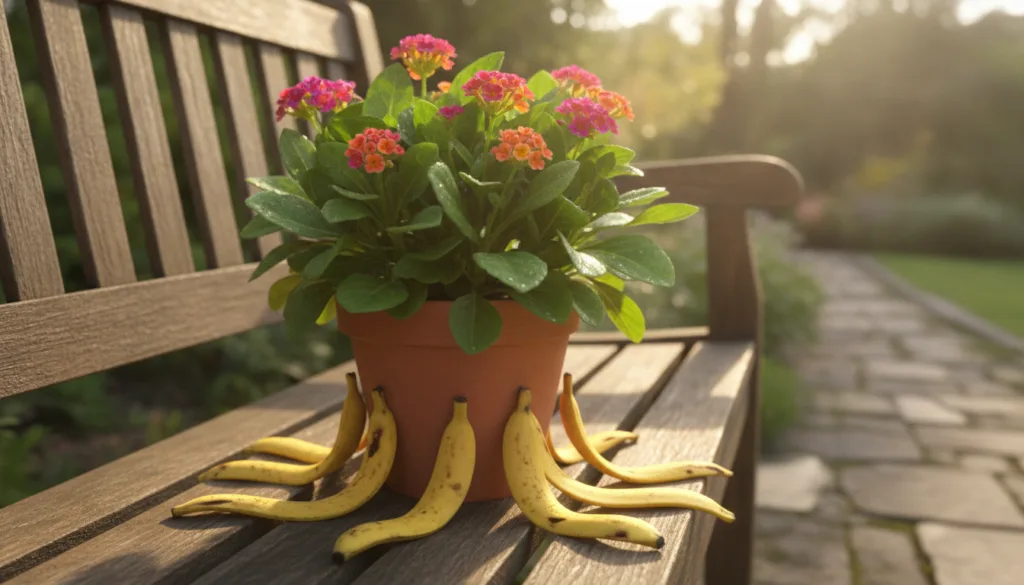
Why Banana Peels Are a Plant’s Best Friend
So, what makes banana peels so special for plants? They are packed with essential nutrients, primarily potassium, which is crucial for overall plant health. Potassium aids in:
- Strengthening plant stems and roots
- Improving disease resistance
- Promoting fruit and flower development
- Enhancing photosynthesis
Beyond potassium, banana peels also contain smaller amounts of phosphorus, calcium, and magnesium – all vital micronutrients that contribute to vigorous growth and overall plant vitality. Using them means you’re providing a slow-release, organic nutrient source that’s gentle on your plants and the environment.
DIY Banana Peel Fertilizer: Simple & Effective Methods
Here are three easy ways to harness the power of banana peels for your garden:
Method 1: Banana Peel Tea (Liquid Fertilizer)
This is arguably the most popular and quickest way to deliver nutrients directly to your plant’s roots. It’s like a nutrient-rich smoothie for your plants!
- Collect Peels: Gather 3-4 banana peels.
- Chop Them Up: Cut the peels into smaller pieces (about 1-inch squares) to increase their surface area.
- Soak in Water: Place the chopped peels into a jar or bucket and cover them with about 4-5 cups of water.
- Let it Steep: Allow the peels to steep for 24-48 hours. You can cover the container with a lid, but don’t seal it airtight.
- Strain and Dilute: After steeping, strain out the banana peels. You now have a concentrated banana peel tea. Dilute this solution with an equal amount of fresh water before using.
- Application: Use this diluted tea to water your plants once every 2-4 weeks. It’s excellent for houseplants, flowering plants, and fruiting vegetables.
Method 2: Dried and Powdered Banana Peels
This method creates a slow-release granular fertilizer that can be mixed into soil or used as a top dressing.
- Prepare Peels: Collect several banana peels.
- Dry Them: You can dry them in a few ways:
- Sun Drying: Lay them out in direct sunlight for several days until they are completely brittle.
- Oven Drying: Bake them on a baking sheet at the lowest oven temperature (e.g., 150-200°F or 65-95°C) for a few hours until crisp.
- Dehydrator: Use a food dehydrator according to its instructions.
- Grind to Powder: Once completely dry and brittle, grind the peels into a fine powder using a coffee grinder or food processor.
- Application: Sprinkle about 1-2 tablespoons of the powder around the base of your plants or mix it into the top inch of soil. You can do this once a month for ongoing nourishment. This is particularly good for potted plants or when preparing new garden beds.
Method 3: Direct Application
This is the simplest method, best suited for outdoor plants and garden beds.
- Bury Peels: Dig a shallow trench or hole near the base of your plants (a few inches away from the stem) and bury whole or chopped banana peels.
- Cover with Soil: Ensure the peels are completely covered with soil to prevent pests and decomposition odors.
- Decomposition: The peels will slowly decompose, releasing their nutrients into the soil over time. This method is great for established shrubs, roses, or vegetable patches.
Tips for Success with Banana Peel Fertilizer
- Don’t Overdo It: While natural, too much of a good thing can still be overwhelming. Stick to the recommended application frequencies.
- Pest Control: When burying peels, ensure they are fully covered to avoid attracting fruit flies or other pests.
- Wash Peels: Briefly rinse your banana peels before use, especially if they are conventionally grown, to remove any potential residues.
- Combine with Compost: Banana peels are a fantastic addition to your compost pile, enriching the overall quality of your compost.
- Observe Your Plants: Pay attention to how your plants respond. Adjust frequency if you notice any issues, though this is rare with organic fertilizers.
Cultivate a Healthier Garden, Naturally!
Embracing homemade banana peel fertilizer is a simple yet powerful step towards a more sustainable and thriving garden. It’s a fantastic way to reduce waste, save money, and provide your plants with the vital nutrients they crave, all while keeping your gardening practices organic and eco-friendly. Give these methods a try and watch your green companions flourish!
Have you tried using banana peels in your garden? Share your experiences and tips in the comments below! We love hearing from our Garden – L. Quyên community.