Embrace a natural approach to hair care with this easy-to-make herbal hair growth oil, featuring the traditional power of garlic and onion. This homemade remedy is often favored for its potential to support scalp health and the appearance of thicker, fuller-looking hair.
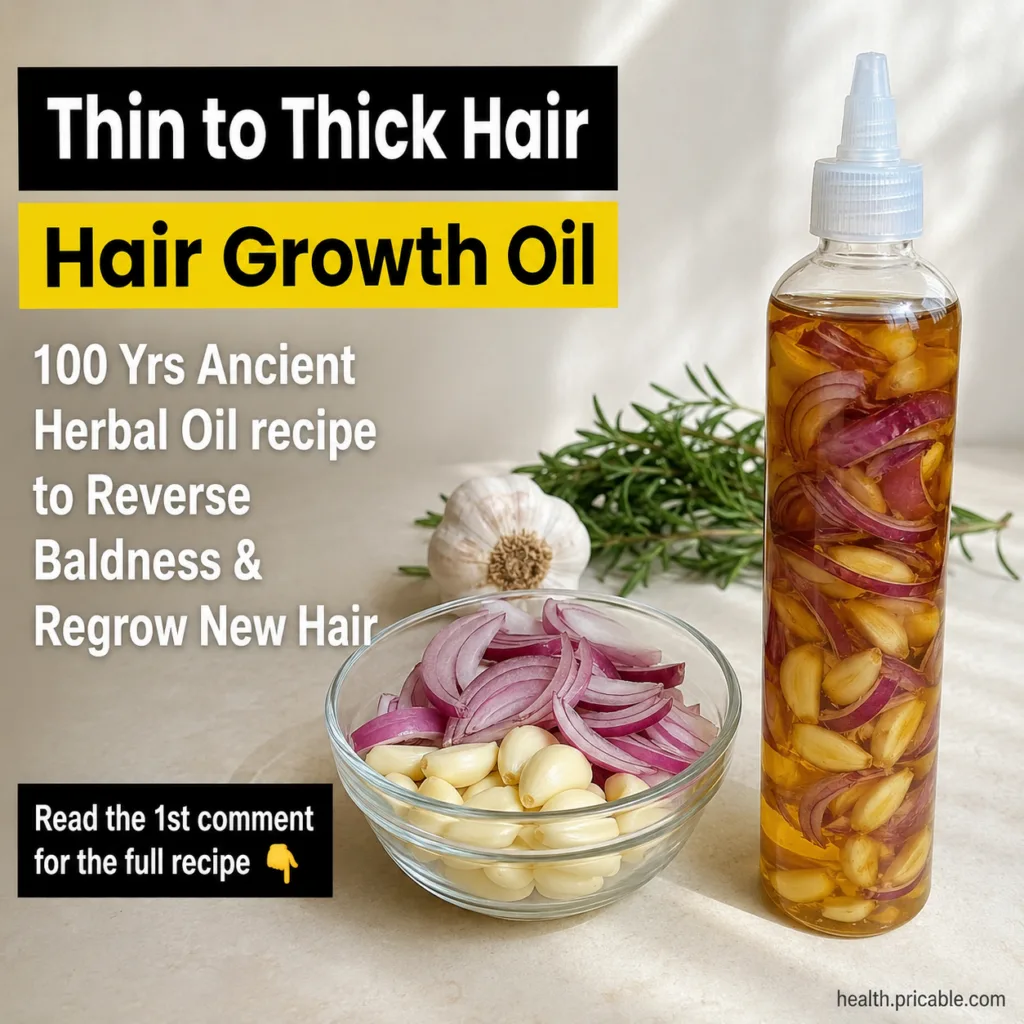
Quick Recipe
Prep time: 15 minutes
Best for: Thinning hair, promoting scalp health, supporting hair thickness
Use type: Oil
Main ingredients:
- Garlic
- Onion
- Carrier Oil (Coconut, Olive, or Jojoba)
Ingredients
- 4-5 cloves of fresh garlic, peeled and crushed or finely chopped
- 1 small onion (red or white), peeled and finely chopped or grated
- 1 cup of carrier oil (such as organic coconut oil, extra virgin olive oil, or jojoba oil)
- Optional: A few drops of essential oil for fragrance (e.g., rosemary or peppermint), after straining
How to Make It
- Prepare Ingredients: Peel and finely chop or crush the garlic cloves. Peel and finely chop or grate the onion. The smaller the pieces, the more easily their beneficial compounds can infuse into the oil.
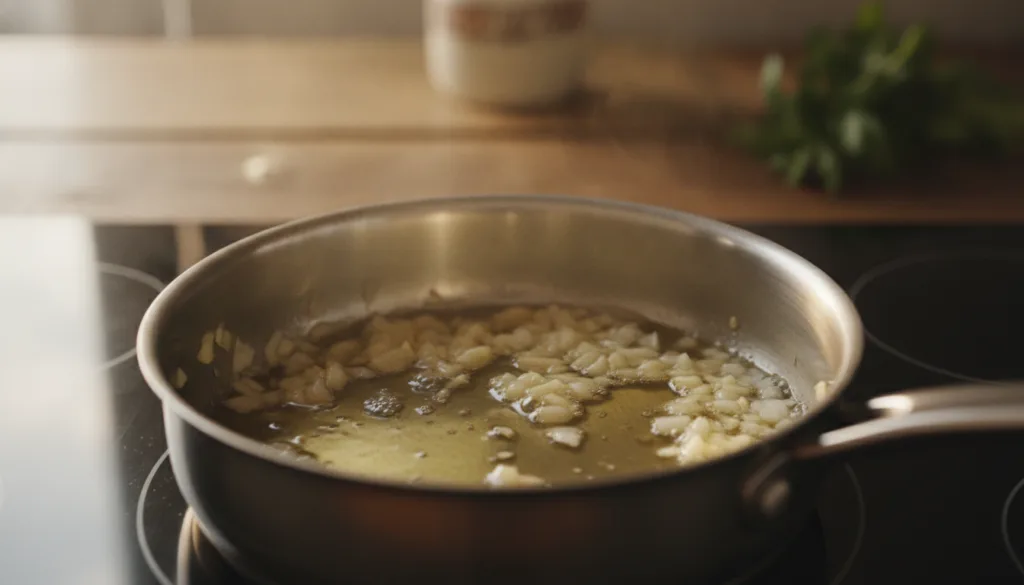
- Combine and Heat: In a small saucepan, combine the chopped garlic, onion, and your chosen carrier oil. Heat the mixture over very low heat. Do not let it boil or smoke. The goal is a gentle infusion, not cooking.
- Infuse Gently: Continue to heat for about 10-15 minutes, stirring occasionally, until the garlic and onion pieces turn light golden brown. You’ll notice the aroma intensifying. This low and slow method helps extract their properties without burning.
- Cool and Strain: Remove the saucepan from the heat and allow the oil to cool completely. Once cool, strain the oil through a fine-mesh sieve or cheesecloth into a clean, airtight glass bottle or jar. Discard the solid garlic and onion pieces.
- Add Essential Oils (Optional): If desired, add a few drops of your chosen essential oil to the strained herbal oil for added fragrance and benefits. Mix well.
How to Use It
- Patch Test: Before full application, always perform a patch test on a small area of your skin (e.g., behind the ear or on your inner arm) to check for any sensitivity or allergic reactions. Wait 24 hours.
- Apply to Scalp: Once the patch test is clear, take a small amount of the herbal hair oil and gently massage it directly onto your scalp using your fingertips. Ensure even coverage, focusing on areas where you desire more thickness.
- Distribute Through Hair: You can also lightly apply the oil to the lengths of your hair for added conditioning and shine, though the primary focus for growth benefits is the scalp.
- Leave On: Leave the oil on for at least 30 minutes, or for more intensive conditioning, you can leave it on overnight (covering your pillow with a towel to protect it).
- Rinse and Shampoo: Wash your hair thoroughly with a mild shampoo to remove the oil. You may need to shampoo twice to ensure all oil is rinsed out, especially if using a heavier oil like coconut or olive.
How Often to Use It
For best results and to support ongoing hair and scalp health, use this herbal hair oil 1-2 times per week. Consistency is more important than excessive use.

Why These Ingredients Are Used
Garlic
Garlic is a popular ingredient in many traditional hair care practices. It contains sulfur-rich compounds, which are often thought to help support hair strength and reduce breakage. Its natural properties may also contribute to a healthy scalp environment.
Onion
Like garlic, onions are rich in sulfur, which is believed to play a role in hair health. Traditional use suggests that onion juice or oil infusions can help nourish hair follicles and support the natural growth cycle, leading to the appearance of fuller hair.
Carrier Oil
Carrier oils like coconut, olive, or jojoba oil are crucial for delivering the active compounds to the scalp. They provide a moisturizing base, help protect the hair, and offer their own conditioning benefits, leaving hair feeling softer and looking shinier.
What Results to Expect
Consistent use of this herbal hair oil may help support a healthier-looking scalp and contribute to the appearance of thicker, stronger hair over time. While individual results vary, many find that natural remedies like this can help improve hair’s overall vitality and shine, creating an optimal environment for growth.
Safety Notes
- Patch Test First: Always perform a patch test 24 hours before applying the oil to your entire scalp to check for any adverse reactions, especially since garlic and onion can be potent.
- Use Gently: Apply the oil and massage your scalp gently.
- Avoid Irritated or Broken Skin: Do not apply this oil to irritated, broken, or sensitive skin on your scalp.
- Stop If Discomfort Occurs: If you experience any burning, itching, redness, or discomfort, rinse the oil off immediately and discontinue use.
- Strong Scent: Be aware that garlic and onion have a strong, lingering scent. Consider using this oil when you have time to thoroughly wash your hair afterwards.
- Allergies: If you have known allergies to garlic or onion, avoid using this remedy.
- Consult a Professional: If you are experiencing significant hair loss or have underlying scalp conditions, consult a dermatologist or healthcare professional.
FAQ
Can I use different carrier oils?
Yes, you can use various carrier oils such as almond oil, castor oil, or argan oil, depending on your hair type and preference. Ensure it’s a cold-pressed, high-quality oil for best results.
How long can I store the homemade hair oil?
When stored in a cool, dark place in an airtight glass bottle, this herbal oil can typically last for 1-2 months. If you notice any changes in smell or appearance, it’s best to discard it.
Will this oil make my hair smell like garlic and onion?
There might be a residual scent after application. Thorough rinsing and shampooing, possibly twice, can help minimize this. Adding essential oils like rosemary or peppermint after straining can also help mask the scent.
Final Thoughts
Incorporating natural remedies like this DIY herbal hair growth oil into your routine can be a nurturing way to care for your hair and scalp. Give this traditional recipe a try and see how it might support your journey towards healthier-looking, thicker strands. Share your experiences in the comments below!