In the world of health-conscious cooking and gluten-free baking, oat flour and blended rolled oats often cause confusion. They might look strikingly similar at first glance, but these two oat forms possess distinct properties that can significantly impact the outcome of your culinary creations. Understanding their differences is key to unlocking new levels of texture and flavor in your kitchen.
Many home cooks assume that simply blending rolled oats at home yields the same product as commercially produced oat flour. While both are derived from oats, the processing and resulting textures create unique characteristics that make them far from interchangeable in every recipe. Let’s delve into what sets them apart and why these distinctions matter for your baking and cooking adventures.
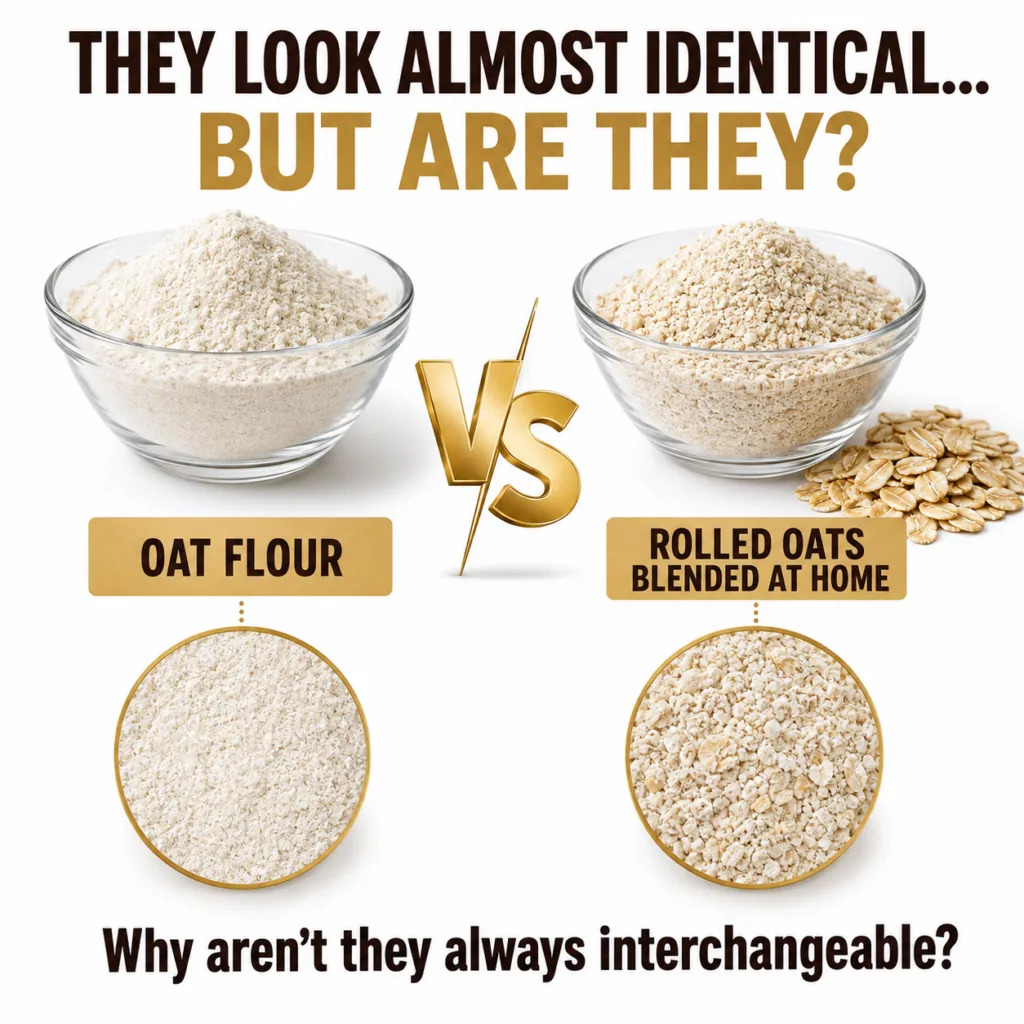 Don’t be fooled by their similar appearance; the texture difference is crucial.
Oat Flour: The Finely Milled Choice for Delicate Bakes
Oat flour is a fine, powdery flour typically produced commercially from de-hulled oats. It undergoes a meticulous milling process that results in a uniform, silky texture. This fine grind is what makes oat flour an excellent gluten-free alternative in baking, capable of mimicking the structure and lightness often desired in recipes.
What Makes Oat Flour Unique?
- Texture: It’s exceptionally smooth and powdery, similar to conventional wheat flour, allowing it to integrate seamlessly into batters and doughs.
- Absorption: Due to its fine particles, oat flour tends to absorb liquids readily and consistently, contributing to a softer crumb and a more delicate final product.
- Uses: Ideal for light cakes, tender muffins, pancakes, waffles, and as a thickening agent in sauces or soups where a smooth consistency is desired. It can also be used to create delicious gluten-free bread when combined with other flours.
Blended Rolled Oats: Your Rustic, Fiber-Rich DIY Alternative
Blended rolled oats, on the other hand, are simply whole rolled oats that have been processed at home using a blender or food processor. While the goal is often to create a ‘flour-like’ substance, the result is inherently coarser and less uniform than commercial oat flour.
The Charm of Home-Blended Oats
- Texture: It retains a more granular, rustic texture with visible flakes and irregular particle sizes. This is because home blenders don’t achieve the same fine grind as industrial mills.
- Nutritional Profile: Since it’s made from whole rolled oats, it often retains more of the oat’s bran and germ, potentially offering a slightly higher fiber content and contributing to a heartier feel.
- Uses: Perfect for adding chewiness and density to cookies, hearty muffins, quick breads, granola bars, or as a rustic coating for baked chicken or fish. It also works wonderfully in smoothies, porridges, and as a binder in veggie burgers.
They Look Almost Identical… But Are They? The Key Distinctions
The visual similarity between oat flour and home-blended rolled oats can be deceiving. While both originate from the same grain, their preparation methods create fundamental differences that impact their culinary applications.
Texture and Liquid Absorption
This is perhaps the most significant distinction. Oat flour’s fine particles present a larger surface area for liquid absorption compared to the coarser particles of blended rolled oats. This means:
- Oat Flour: Absorbs liquids faster and more uniformly, leading to a smoother batter and a more consistent, delicate texture in baked goods. Recipes calling for oat flour often account for this rapid absorption.
- Blended Rolled Oats: Absorbs liquids slower and less uniformly, potentially resulting in a denser, chewier, or even slightly crumbly texture if not adjusted properly. The visible flakes contribute to a more substantial mouthfeel.
Impact on Baking Performance
These textural differences directly translate into varying results in your baked goods:
- Structure and Rise: Oat flour can contribute to a lighter, airier crumb, especially in gluten-free baking, as its fine particles can create a more stable structure.
- Density and Chewiness: Blended rolled oats tend to produce denser, chewier baked goods. If used in recipes designed for fine oat flour, the result might be heavy or dry due to inadequate liquid absorption and different structural support.
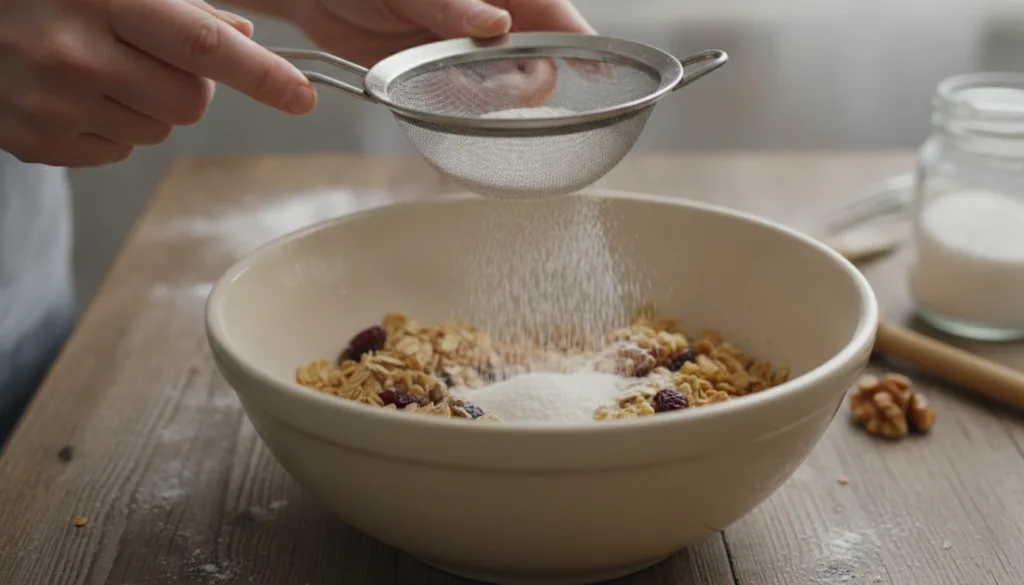 Oat flour’s fine texture makes it ideal for achieving delicate crumbs in baked goods.
Why Aren’t They Always Interchangeable? Understanding Recipe Science
The core question boils down to recipe science. Baking is often a precise balance of ingredients, and the physical properties of your flour play a critical role. Swapping oat flour for home-blended rolled oats (or vice versa) without adjustments can lead to unexpected and often undesirable outcomes.
Key Reasons for Non-Interchangeability:
- Liquid Ratios: Because of the differing absorption rates, a recipe designed for fine oat flour might become too dry or crumbly if coarser blended oats are used without increasing liquid. Conversely, using oat flour in a recipe calling for blended oats might make it too wet.
- Desired Texture: If you’re aiming for a light, fluffy pancake or a delicate cake, oat flour is your best bet. For a hearty, chewy cookie or a dense muffin, blended rolled oats can provide that desired rustic texture.
- Binding and Structure: Oat flour’s finer particles can create a more cohesive and delicate structure, similar to traditional wheat flour. Blended oats, with their larger fragments, might not bind as effectively in all contexts, potentially leading to a looser crumb.
When to Choose Which Oat Form in Your Kitchen
Opt for Oat Flour When You Need:
- A light and tender crumb in cakes, muffins, or quick breads.
- A smooth, consistent texture in pancakes, waffles, or crepes.
- A gluten-free flour alternative that closely mimics the behavior of wheat flour.
- To thicken sauces or gravies without altering the texture significantly.
Choose Blended Rolled Oats For:
- Adding a chewy texture and density to cookies or brownies.
- Making hearty, rustic muffins or quick bread with visible oat flakes.
- Creating a nutritious base for smoothies or protein shakes.
- A simple, fiber-rich addition to yogurt, cereal, or overnight oats.
- As a gluten-free breading for savory dishes.
Final Thoughts
While oat flour and home-blended rolled oats may appear to be culinary doppelgängers, their unique textures and absorption properties define their true roles in the kitchen. Recognizing these subtle yet significant differences empowers you to make informed choices, ensuring your dishes turn out exactly as intended. Experiment with both to discover how each can elevate your healthy cooking and baking, and never let their similar looks fool you again!