Unlock Thicker Hair: The 100-Year Ancient Herbal Oil Secret
Are you looking in the mirror, noticing your hair isn’t quite as full as it used to be? Perhaps you’ve spotted more strands on your brush or wondered if there’s a natural way to bring back that youthful thickness. The journey to vibrant, healthy hair can feel overwhelming with countless products promising instant results.
But what if the secret to thicker, stronger hair wasn’t in a new scientific breakthrough, but in wisdom passed down through generations? Imagine a time-honored herbal oil, crafted with simple, potent ingredients, that could naturally nourish your scalp and encourage the luscious locks you dream of. Today, we’re diving into an ancient secret that has stood the test of time.
Why This Ancient Secret Matters for Your Hair
In our fast-paced world, concerns about hair thinning and loss are increasingly common. Stress, environmental factors, nutritional gaps, and even styling habits can all take a toll on our hair’s vitality. Many turn to quick fixes, but often these come with synthetic ingredients and hefty price tags, leaving us longing for something more authentic and sustainable.
This is precisely why traditional remedies, like the herbal oil we’re exploring, are experiencing a resurgence. People are drawn to natural wellness approaches because they often work in harmony with the body, providing gentle nourishment without harsh chemicals. This particular ancient secret resonates with those who value practical home remedies and seek to support their hair’s health using ingredients found in nature, just as our ancestors did.
The Power of Nature: Garlic and Red Onion for Hair Health
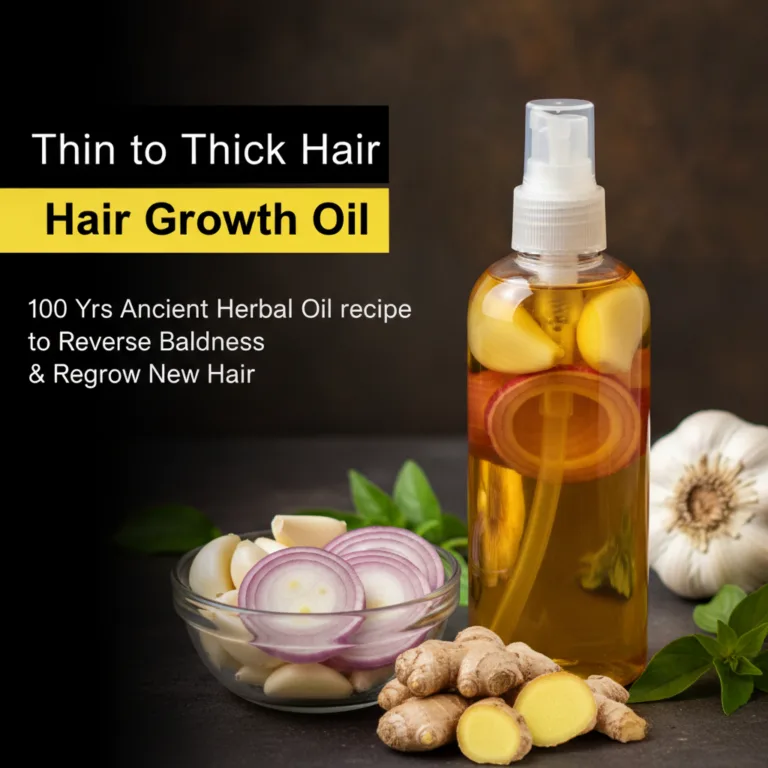
For centuries, various cultures have turned to humble kitchen staples like garlic and red onion, not just for their culinary magic but for their perceived health and beauty benefits. When it comes to hair, these pungent powerhouses have a long history of traditional use.
Traditional Wisdom and Modern Understanding
- Garlic (Allium sativum): Traditionally, garlic has been revered for its strong antimicrobial and anti-inflammatory properties. In folk medicine, it was often used topically to address scalp infections and improve hair strength. Today, we understand that garlic is rich in sulfur compounds, particularly allicin, which is responsible for its distinctive smell and many of its health benefits. Some theories suggest that these sulfur compounds may help improve circulation to the scalp and provide essential nutrients to hair follicles.
- Red Onion (Allium cepa): Similar to garlic, red onion has been a staple in natural hair care. Its traditional use focuses on its ability to nourish the scalp and potentially stimulate hair growth. Red onions are packed with sulfur and powerful antioxidants like flavonoids, which may help protect hair follicles from damage. While scientific studies on topical onion juice for hair growth are limited, some research suggests it may offer benefits for certain types of hair loss by nourishing the scalp environment.
How They May Support Your Hair
When infused into a nourishing carrier oil, garlic and red onion are believed to work synergistically to:
- Nourish the Scalp: The sulfur compounds may provide building blocks for keratin, the protein that makes up hair, potentially strengthening strands from the root.
- Improve Circulation: Some traditional beliefs suggest they can enhance blood flow to the scalp, ensuring follicles receive vital nutrients.
- Support a Healthy Scalp Environment: Their natural properties may help maintain a balanced, healthy scalp, which is crucial for optimal hair growth.
- Reduce Breakage: By strengthening hair, they may help reduce fragility and breakage, leading to the appearance of thicker, fuller hair over time.
It’s important to remember that while these ingredients have a rich history of traditional use and contain beneficial compounds, individual results can vary, and this oil is intended to support hair wellness, not cure medical conditions.
Your Practical Guide to Making and Using the Herbal Hair Oil
Ready to harness the power of this ancient secret? Creating your own herbal hair oil is a simple and rewarding process. Here’s how:
Ingredients You’ll Need:
- 5-6 medium cloves of garlic, peeled
- 1/2 small red onion, peeled
- 1 cup carrier oil (such as organic coconut oil, olive oil, or almond oil – choose one that suits your hair type)
- Optional: A few sprigs of fresh rosemary or 5-10 drops of rosemary essential oil (for added fragrance and hair benefits)
Preparation Steps:
- Prepare the Aromatics: Roughly chop the garlic cloves and red onion. You don’t need to mince them; just make them small enough to release their compounds into the oil.
- Infuse the Oil: In a small saucepan, combine your chosen carrier oil with the chopped garlic and red onion. If using fresh rosemary, add it now.
- Gentle Heat: Heat the mixture over very low heat for 15-20 minutes. The goal is to gently warm the oil and allow the garlic and onion to infuse their properties without burning. You should see tiny bubbles, but avoid frying.
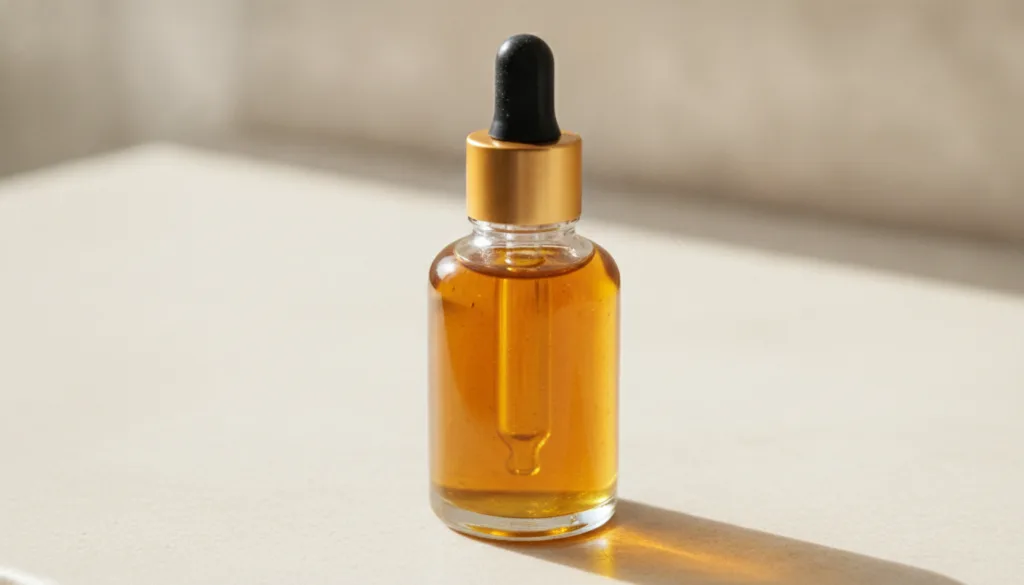
- Cool and Strain: Remove the pan from the heat and let the oil cool completely. Once cool, strain the oil through a fine-mesh sieve or cheesecloth into a clean, airtight glass bottle or jar. Press the solids gently to extract all the oil. If using essential oil, add it after straining.
- Store: Cap your bottle tightly.
Usage Ideas and Frequency:
- Scalp Massage: Gently warm a small amount of oil (about 1-2 tablespoons) in your hands. Apply it directly to your scalp and massage thoroughly for 5-10 minutes using your fingertips. This helps stimulate blood flow and ensures the oil penetrates.
- Hair Mask: After massaging your scalp, spread the remaining oil through the length of your hair, focusing on the ends.
- Leave-In Time: Leave the oil on for at least 30 minutes, or for a deeper treatment, overnight. You can cover your hair with a shower cap to protect your pillow.
- Rinse: Wash your hair thoroughly with a mild shampoo and conditioner. You might need to shampoo twice to remove all the oil, especially if using coconut oil.
- Frequency: Start by using the oil 1-2 times a week. Observe how your hair and scalp respond, and adjust as needed. Consistency is key!
Storage Tips:
Store your homemade herbal hair oil in a cool, dark place away from direct sunlight. It should last for 2-4 weeks. If you notice any change in smell or appearance, it’s best to discard it and make a fresh batch.
Safety & Precautions
While natural, garlic and onion are potent ingredients. Always exercise caution:
- Patch Test: Before applying to your entire scalp, perform a patch test on a small, inconspicuous area of your skin (like behind your ear) to check for any allergic reactions or irritation. Wait 24 hours.
- Sensitivity: Some individuals may experience scalp irritation, redness, or itching. If this occurs, discontinue use immediately.
- Strong Odor: Be aware that the oil will have a distinct garlic and onion scent. Adding rosemary essential oil can help, but a faint smell may linger until your hair is fully washed.
- Eye Contact: Avoid getting the oil in your eyes, as it can cause stinging.
- Existing Medical Conditions & Pregnancy: If you have any underlying scalp conditions (like eczema or psoriasis), are pregnant, breastfeeding, or taking medications, consult your healthcare professional before using any new herbal remedies.
- Not a Cure-All: This oil is a natural supportive treatment, not a cure for severe hair loss or underlying medical conditions. If you have significant hair loss concerns, please consult a dermatologist or healthcare provider.
Key Takeaways for Your Hair Wellness Journey
- Traditional wisdom offers potent natural solutions for hair wellness.
- Garlic and red onion are rich in sulfur compounds and antioxidants that may nourish the scalp and strengthen hair.
- Homemade herbal hair oil is a practical, chemical-free way to support thicker, healthier-looking hair.
- Consistency, proper application, and a patch test are essential for safe and effective use.
- Always listen to your body and consult a healthcare professional for serious concerns.
FAQ: Your Questions Answered
Q1: How long does it take to see results from using this herbal hair oil?
A: Natural remedies often work gradually. Consistency is key, and it may take several weeks to a few months of regular use (1-2 times per week) to notice improvements in hair strength, shine, or reduced breakage. Individual results vary.
Q2: Will my hair smell like garlic and onion after using the oil?
A: While the infused oil will have a distinct aroma during application, a thorough wash with a good shampoo (perhaps even a double shampoo) should significantly reduce or eliminate the smell. Adding rosemary essential oil to the blend can also help mask the scent.
Q3: Can this oil cure genetic hair loss or baldness?
A: This herbal oil is intended to nourish the scalp and support healthy hair growth by providing nutrients and improving scalp conditions. It is not a cure for genetic hair loss (androgenic alopecia) or medical conditions causing baldness. For such concerns, it’s always best to consult a healthcare professional.
Q4: Can I use different carrier oils?
A: Absolutely! Coconut oil, olive oil, and almond oil are popular choices, but you can also experiment with jojoba oil or castor oil, depending on your hair’s needs and preferences. Just ensure they are pure, cold-pressed oils.
Q5: Is it safe to use this oil on colored or chemically treated hair?
A: Generally, natural oils are safe for colored or chemically treated hair and can even help nourish it. However, always perform a patch test first and consider consulting your stylist if you have concerns about specific treatments.
Related Reading: Continue Your Natural Wellness Journey
- The Best Herbal Teas for Hair Growth and Shine
- Top Anti-Inflammatory Foods for Overall Wellness
- DIY Essential Oil Blends for a Healthy Scalp
- Boosting Immune Support Naturally with Kitchen Herbs
- Nourish Your Body: A Guide to Digestive Wellness