Most people overlook the simplest, most vibrant solutions hiding in plain sight for everyday lung discomfort. We often reach for complex remedies, unaware that nature has provided gentle yet effective answers right under our noses. One small purple flower, often dismissed as a garden weed, holds a centuries-old secret for soothing the respiratory system that many modern approaches miss.
Violets, specifically the common violet (Viola odorata), have been cherished in traditional herbalism for their remarkable ability to support lung health. While their delicate appearance might suggest otherwise, the leaves and flowers of this plant are packed with compounds that can help calm irritated airways, ease coughs, and promote clearer breathing. If you’ve ever dealt with a persistent dry cough or felt a general tightness in your chest, this natural fix might be exactly what you need.
What Violets Are and Why They Matter for Lungs
The common violet (Viola odorata) is more than just a beautiful bloom. It’s a powerhouse of beneficial compounds, particularly its mucilaginous properties. Mucilage is a thick, gluey substance that helps to soothe and protect irritated mucous membranes, making it incredibly effective for the respiratory tract. Both the leaves and flowers are used, with the leaves often being favored for their higher concentration of mucilage and other beneficial compounds like saponins and salicylates.
Historically, violets were a go-to remedy for various respiratory ailments, from persistent coughs and bronchitis to sore throats. Their gentle, demulcent action helps to calm irritation, while their expectorant qualities can aid in loosening and expelling mucus, providing relief without harsh side effects.
Ingredients for a Soothing Violet Infusion
- Fresh Violet Leaves and Flowers: Approximately 1/4 to 1/2 cup, loosely packed.
- Hot Water: 1 cup (just off the boil).
Choosing fresh, unsprayed violets is crucial. If foraging, ensure the area is free from pesticides, herbicides, and vehicle exhaust. Alternatively, you can often find dried violet leaf in reputable herbal stores.
Formula and Recipe: Simple Violet Tea
This recipe focuses on creating a potent yet gentle infusion, perfect for daily use.
The Basic Violet Lung Elixir
- Carefully gather fresh violet leaves and a few flowers.
- Rinse them gently under cool water to remove any dirt or insects.
- Chop the leaves roughly to help release their compounds.
Step-by-Step Method
Making a violet infusion is straightforward, but a few key steps ensure you get the most benefit.
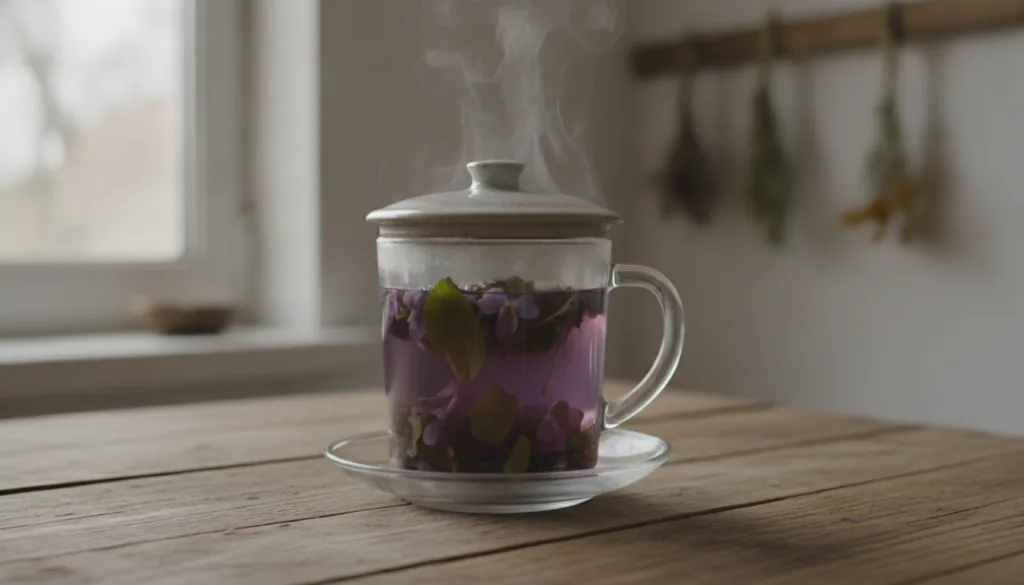
- Prepare Your Violets: Place the fresh, chopped violet leaves and flowers into a heat-proof mug or jar.
- Heat the Water: Bring 1 cup of fresh water to a boil, then remove it from the heat immediately.
- Infuse: Pour the hot water over the violets.
- Cover and Steep: Cover the mug to prevent the volatile oils from escaping with the steam. Steep for 10-15 minutes. For a stronger infusion, you can steep for up to 30 minutes.
- Strain: Strain the liquid, pressing the plant material to extract any remaining goodness. Discard the spent plant material.
- Sweeten (Optional): You can add a little raw honey or maple syrup to taste, especially if you have a sore throat. Honey also adds its own soothing properties.
How to Use Your Violet Infusion and Best Time to Take
This infusion is primarily used internally as a tea, but can also be used as a gargle.
- For Coughs and Congestion: Drink 1 cup of warm violet infusion 2-3 times a day. The warmth itself can be soothing, and the active compounds will get to work.
- For Sore Throats: Sip slowly, allowing the mucilage to coat your throat. You can also use a cooled infusion as a gargle for added relief.
- Best Time to Take It: For general lung support, drinking a cup in the morning and another before bed can be beneficial. If you are experiencing active symptoms, take it throughout the day as needed. Before bed, it can help calm night-time coughs.
Quick Tip: Gentle Warming
Never microwave your violet infusion to reheat it, as this can degrade some of its delicate compounds. Gently warm it on the stove in a small pot instead, or simply make a fresh batch.
Why Violets Work: The Science Insight
The efficacy of violets for respiratory health stems from a synergistic blend of natural compounds:
- Mucilage: This is the star component, abundant in violet leaves. Mucilage is a polysaccharide that forms a gel-like substance when mixed with water. When consumed, it coats and soothes inflamed mucous membranes in the throat and lungs, reducing irritation and dry coughs.
- Saponins: These compounds act as expectorants, meaning they help to thin and loosen mucus, making it easier to cough up. This is particularly useful for productive coughs where mucus is present but difficult to expel.
- Salicylic Acid Derivatives: Violets contain compounds related to salicylic acid, the precursor to aspirin. These may contribute to the plant’s mild anti-inflammatory properties, further easing discomfort in the respiratory tract.
- Antioxidants: Like many plants, violets contain various antioxidants that help protect cells from oxidative stress, contributing to overall health and resilience.
Together, these components provide a comprehensive approach to lung wellness, offering relief from irritation, promoting healthy mucus clearance, and providing gentle anti-inflammatory support.
Who Benefits Most from Violet Infusion
This gentle remedy is particularly beneficial for individuals experiencing:
- Dry, Irritating Coughs: The mucilage helps to soothe and coat the throat, reducing the urge to cough.
- Sore Throats: Its demulcent properties offer direct relief to inflamed tissues.
- Minor Congestion: Saponins can help to thin mucus, making it easier to clear airways.
- General Respiratory Discomfort: For those seeking a mild, natural support for overall lung health during seasonal changes or exposure to irritants.
It’s an excellent choice for anyone looking for a natural, non-pharmacological way to support their respiratory system without harsh chemicals.
Did You Know? Edible Beauty
Both violet leaves and flowers are edible! The leaves can be added to salads for a mild, slightly peppery flavor and are rich in vitamins A and C. The flowers make a beautiful and nutritious garnish, or can be candied for a sweet treat.
How to Buy or Choose Violet Ingredients
Getting high-quality violets is paramount for an effective remedy.
- Wild-Harvested: The best option, if you have access to clean, unsprayed areas. Ensure you can positively identify the plant and know it’s free from contaminants.
- Grow Your Own: Violets are easy to grow in many climates and can be a beautiful and useful addition to your garden.
- Dried Herbs: If fresh isn’t an option, purchase dried violet leaf from a reputable organic herbal supplier. Ensure it’s certified organic and free from fillers or additives. Avoid pre-packaged teas that don’t specify the exact plant part or origin.
Storage
Correct storage ensures the potency and safety of your violet preparations.
- Fresh Violets: Use immediately after harvesting for best results. If you must store them, wrap them loosely in a damp paper towel and place them in an open plastic bag in the refrigerator for no more than 1-2 days.
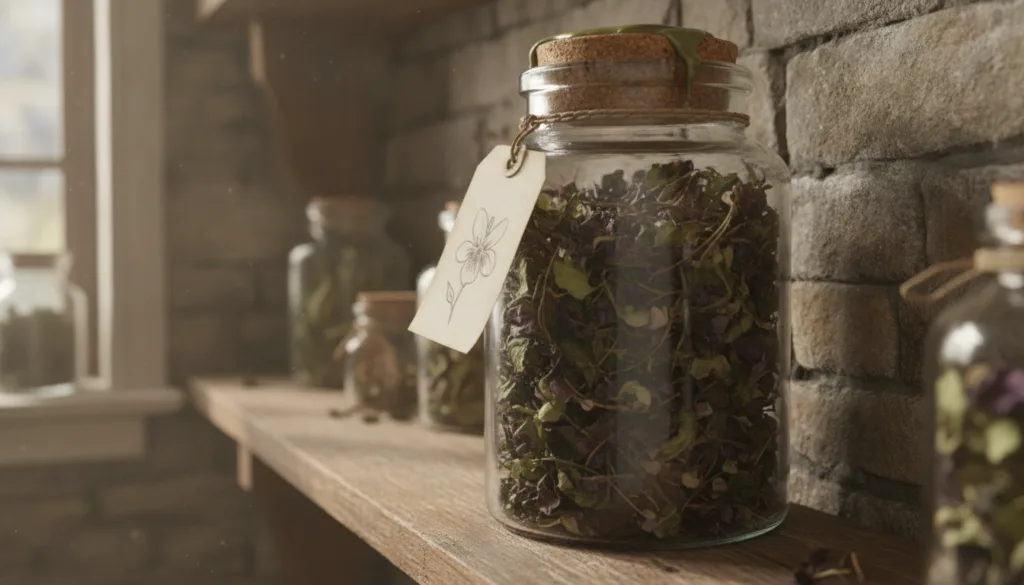
- Dried Violets: Store in an airtight glass jar away from direct sunlight, heat, and moisture. They can retain potency for up to 1 year.
- Prepared Infusion: Store any leftover tea in a sealed container in the refrigerator for up to 24-48 hours. After this, it’s best to prepare a fresh batch.
Practical Tips
- Adjust Strength: If you find the taste too strong, use fewer violets or steep for a shorter time. If you need more potent relief, increase the amount of violets or steep for longer.
- Combine with Honey: For an extra boost against coughs and sore throats, stir in a spoonful of local raw honey after straining the warm infusion.
- Consistency is Key: For chronic issues, regular, consistent use (2-3 times a day) tends to yield better results than sporadic consumption.
Common Mistakes to Avoid
Even simple remedies can lose effectiveness or cause issues if prepared or used incorrectly.
- Using Sprayed Plants: Never gather violets from areas treated with pesticides, herbicides, or near busy roads where exhaust fumes are prevalent.
- Boiling Violets: Boiling delicate plant material like violets can degrade heat-sensitive compounds. Always infuse by pouring hot (not boiling) water over the herbs.
- Improper Storage of Fresh Violets: Letting fresh violets wilt or sit out too long can lead to mold or loss of potency.
- Not Covering During Steeping: Covering your infusion helps trap volatile oils and beneficial compounds, making your tea more effective.
- Expecting Immediate Cures: While violets are soothing, they are a gentle herbal remedy. For severe or persistent conditions, always consult a healthcare professional.
Fresh vs. Dried Violets for Infusions
| Feature | Fresh Violets | Dried Violets |
|---|---|---|
| Availability | Seasonal (spring/early summer) | Year-round |
| Potency | Often more vibrant, but less concentrated | Concentrated, if dried properly |
| Preparation | Requires gentle rinsing, chopping | Ready to use, may need crushing |
| Flavor | Fresher, sometimes more ‘green’ | Milder, earthy |
| Storage | Very short (1-2 days refrigerated) | Long (up to 1 year in airtight container) |
Cautions / Who Should Avoid It
While generally considered safe for most adults when used appropriately, there are some considerations:
- Allergies: Individuals with known allergies to other plants in the Violaceae family should exercise caution.
- Pregnancy and Breastfeeding: There is insufficient scientific evidence on the safety of violet large-scale consumption during pregnancy or breastfeeding. It’s best to consult a healthcare provider.
- Children: Use with caution and in reduced amounts for very young children. Always consult a pediatrician first.
- Medication Interactions: If you are taking any prescription medications, especially blood thinners due to the salicylic acid content, consult your doctor before regular use.
- Excessive Amounts: While rare, very large quantities of violets might cause digestive upset. Stick to recommended dosages.
Quick Summary: Your Violet Lung Aid
- Best Preparation: Warm infusion (tea) from fresh or dried violet leaves and flowers.
- Best Use-Case: Soothing dry coughs, easing sore throats, supporting minor congestion, general respiratory comfort.
- When to Use: 2-3 times daily, or as needed for symptoms. Morning and before bed are ideal.
- What to Avoid: Sprayed plants, boiling, leaving infusion uncovered while steeping.
- Storage: Fresh for 1-2 days in fridge; dried up to 1 year in airtight jar; prepared tea 24-48 hours in fridge.
Frequently Asked Questions (FAQ)
- Can I use only violet leaves, or do I need the flowers too?
Yes, violet leaves are highly effective on their own and are often preferred for their higher mucilage content. The flowers add a pleasant visual and some additional compounds but are not strictly necessary. - How long does violet infusion last in the refrigerator?
A freshly prepared violet infusion can be stored in the refrigerator for up to 24-48 hours. After that, it’s best to make a new batch to ensure freshness and potency. - Can I make a larger batch and store it?
While you can, it’s generally recommended to make smaller, fresh batches as needed. The delicate compounds in violets are best consumed fresh. - Is it safe for children?
Always consult a pediatrician before giving herbal remedies to children, especially very young ones. A diluted infusion might be acceptable for older children under guidance. - What’s the difference between violet leaf tea and a violet tincture?
A tea (infusion) is made with hot water and is generally gentler. A tincture is an alcohol-based extraction that is much more concentrated and potent, requiring specific dosage and often professional guidance. - Can I use other types of violets?
The common violet (Viola odorata) is the most widely recognized for its medicinal properties. While many violets are edible, it’s best to stick to known medicinal species or consult an expert before using other varieties. - When is the best time to harvest fresh violets?
Violets are typically abundant in spring and early summer. Harvest in the morning after the dew has dried, choosing vibrant, healthy leaves and flowers. - Can I sweeten the tea?
Absolutely! Raw honey is a great choice, especially for soothing coughs and sore throats. Maple syrup or a touch of stevia can also be used.
A Gentle Path to Lung Comfort
The humble violet offers a surprisingly potent yet gentle pathway to supporting your lung health and finding relief from common respiratory discomforts. By understanding its simple preparation and thoughtful use, you can tap into this ancient wisdom and integrate a touch of nature’s soothing power into your daily routine. Remember, sometimes the most effective remedies are those that have been growing quietly around us for centuries, waiting to be rediscovered. Always listen to your body and consult a health professional for persistent concerns.