Chia seeds are tiny powerhouses of nutrition, packed with fiber, omega-3s, and essential minerals. But have you ever noticed how these versatile seeds can create two drastically different textures depending on how you prepare them? From a light, refreshing drink to a wonderfully creamy, satisfying pudding, the transformation is truly remarkable. Understanding this gelling power can unlock new ways to incorporate this superfood into your healthy eating routine.
This guide will dive into the fascinating world of chia seeds, explaining the science behind their unique texture-changing abilities. We’ll explore the distinct preparations of chia water and chia pudding, provide simple recipes for each, and highlight their unique benefits, helping you decide which form best fits your lifestyle and wellness goals.
Understanding Chia Seeds: The Gelling Power
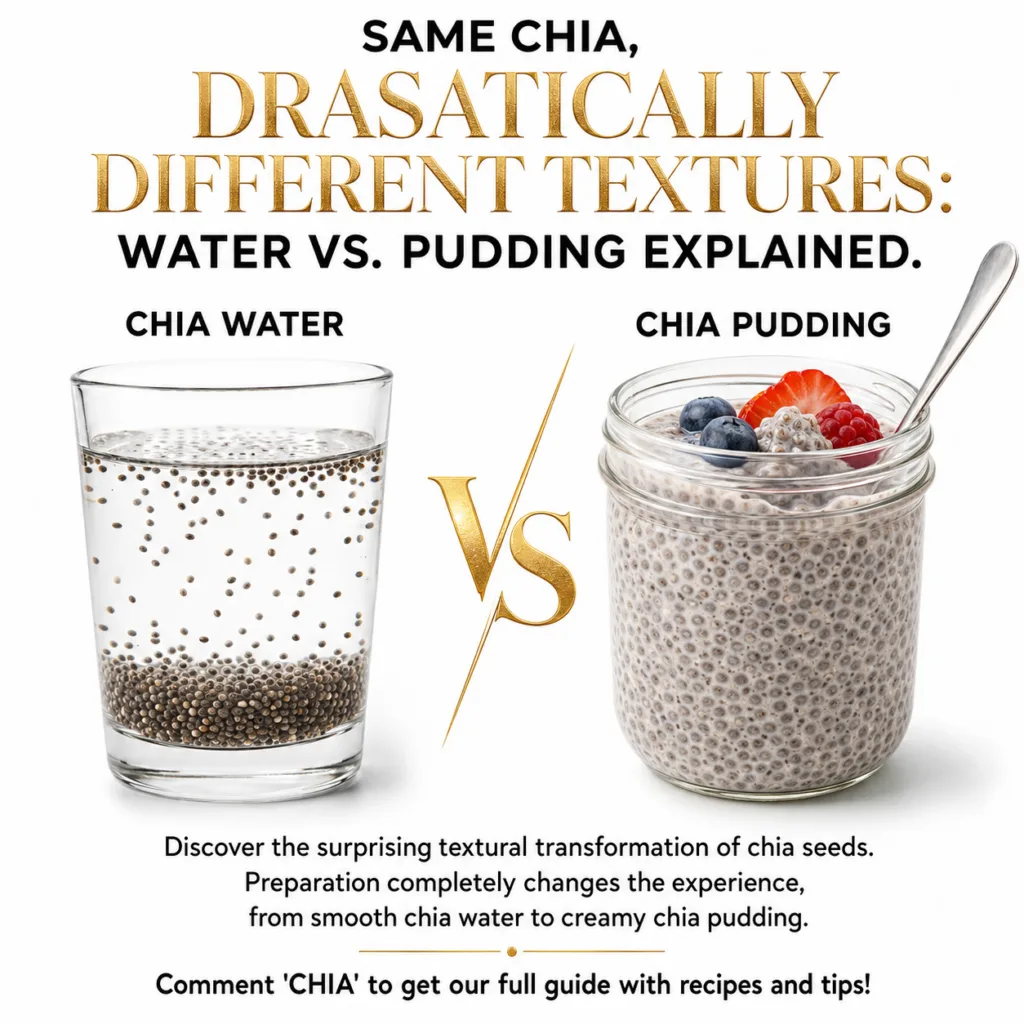
The magic behind chia seeds’ textural transformation lies in their outer layer. When exposed to liquid, chia seeds develop a gelatinous coating called mucilage. This soluble fiber acts like a sponge, absorbing up to 10-12 times its weight in water. This absorption is what creates the characteristic gel-like consistency.
The amount of liquid used, and the time allowed for absorption, directly influences the final texture. A higher liquid-to-seed ratio results in a thinner, more liquid consistency, while a lower ratio, combined with sufficient soaking time, yields a much thicker, pudding-like gel.
Chia Water: Light, Refreshing, and Hydrating
Often referred to as ‘chia fresca,’ chia water is a simple, refreshing drink that offers a gentle way to hydrate and add fiber to your diet. The seeds swell and become soft, but remain suspended in the liquid, creating a pleasant texture that’s easy to sip.
Simple Steps to Hydrating Chia Water
Making chia water is incredibly easy and requires minimal effort. It’s an excellent addition to your morning routine or a natural electrolyte-rich drink after a workout.
- Servings: 1
- Prep time: 5 minutes
- Chill time: 10-15 minutes (or immediately)
Ingredients:
- 1 tablespoon chia seeds
- 1 cup (240ml) water (filtered or coconut water)
- Optional: A squeeze of fresh lemon or lime juice, a slice of cucumber, or a few mint leaves for flavor.
- Optional: A touch of honey or maple syrup if you prefer a hint of sweetness.
Instructions:
- In a glass, combine the chia seeds with the water.
- Stir well with a spoon or whisk for about 30 seconds to prevent clumping.
- Let the mixture sit for 5 minutes, then stir again. This ensures the seeds are evenly dispersed and start to gel.
- Allow to sit for another 5-10 minutes, or until the seeds have swollen and a light gel has formed around them.
- Add any optional flavorings like lemon juice or mint.
- Serve immediately or chill in the refrigerator for up to 2 days. Stir well before drinking.
The Benefits of Sipping Chia Water
Incorporating chia water into your daily routine offers several wellness advantages:
- Enhanced Hydration: The gel created by chia seeds can help your body absorb and retain water more efficiently, supporting overall hydration.
- Digestive Support: The high soluble fiber content aids digestion, promotes regularity, and can help maintain a healthy gut microbiome.
- Stable Blood Sugar: The fiber also helps slow down sugar absorption, which can contribute to more stable blood sugar levels.
- Nutrient Boost: You still get the benefits of omega-3 fatty acids, protein, and minerals like calcium and magnesium, all in a low-calorie, refreshing drink.
Chia Pudding: A Creamy, Nutrient-Dense Delight
When you use a lower liquid-to-seed ratio and allow more time for soaking, chia seeds transform into a thick, creamy, and wonderfully satisfying pudding. This makes for an excellent base for a healthy breakfast or a guilt-free dessert, packed with nutrients that keep you full and energized.
Crafting the Perfect Chia Pudding
Chia pudding is a versatile meal prep staple. It’s easy to customize with different milks, sweeteners, and toppings, making it a favorite for busy mornings.
- Servings: 1-2
- Prep time: 5 minutes
- Chill time: 2-4 hours (or overnight)
Ingredients:
- 2-3 tablespoons chia seeds (start with 2 for a thinner pudding, 3 for a thicker consistency)
- 1 cup (240ml) liquid (almond milk, coconut milk, oat milk, or dairy milk work best)
- Optional: 1-2 teaspoons sweetener (maple syrup, honey, or a few drops of stevia)
- Optional: 1/2 teaspoon vanilla extract or a pinch of cinnamon for flavor.
Instructions:
- In a jar or bowl, combine the chia seeds with your chosen liquid.
- Add sweetener and vanilla extract, if using.
- Stir vigorously with a spoon or whisk for 1-2 minutes until there are no clumps and the seeds are well distributed.
- Cover the jar/bowl and refrigerate for at least 2-4 hours, or ideally, overnight.
- Before serving, give it a good stir. If it’s too thick, add a splash more milk. If too thin, add a few more chia seeds and let it sit for another 30 minutes.
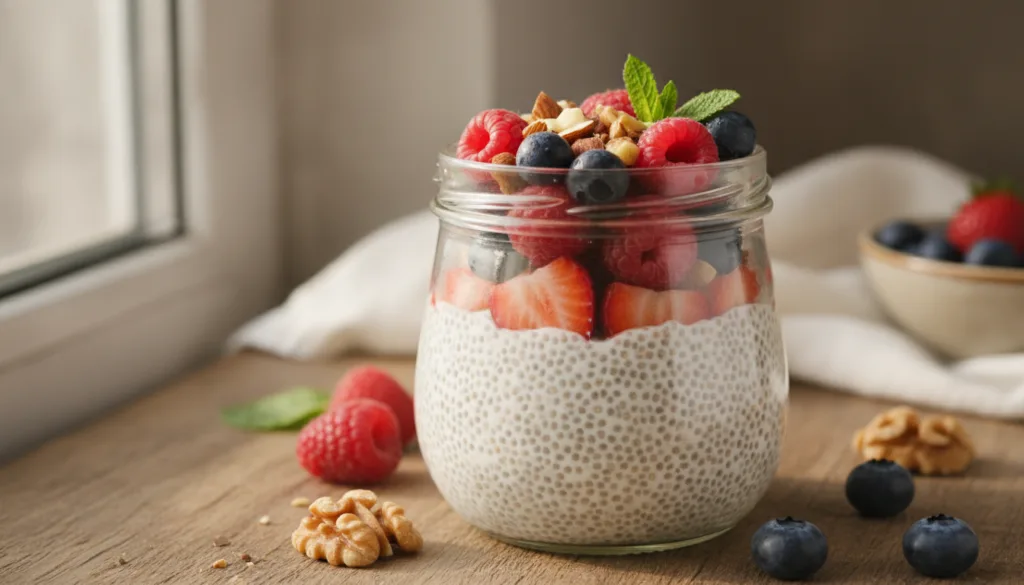
- Serve chilled with your favorite toppings like fresh fruit, nuts, granola, or a drizzle of nut butter.
Why Chia Pudding is a Smart Breakfast Choice
Chia pudding offers a wealth of benefits, especially for those looking for a satisfying and nutritious start to their day:
- Sustained Energy: The combination of fiber, protein, and healthy fats provides sustained energy release, helping you feel full and focused for longer. This makes it a fantastic high protein breakfast option.
- Rich in Omega-3s: Chia seeds are one of the best plant-based sources of alpha-linolenic acid (ALA), an essential omega-3 fatty acid crucial for heart and brain health.
- Excellent for Meal Prep: Prepare a batch of chia pudding at the beginning of the week, and you’ll have healthy breakfast ideas ready to go for several days. Investing in the best meal prep containers can make this even easier.
- Bone Health Support: A single serving provides a good amount of calcium, magnesium, and phosphorus, all vital for strong bones.
Choosing Your Chia: Which Texture is Right for You?
The choice between chia water and chia pudding ultimately comes down to personal preference and your specific health goals:
- For Hydration and Gentle Digestion: Opt for chia water. It’s lighter, easier to drink on the go, and provides a refreshing boost without feeling heavy.
- For Satiety, Meal Replacement, and Richer Texture: Chia pudding is your go-to. It’s more substantial, can be customized with various ingredients, and serves as a delicious and nutritious meal or snack.
- For Weight Loss Support: Both can be beneficial! Chia water can help with hydration and reduce cravings, while chia pudding’s fiber and protein content can promote satiety, aiding in a calorie deficit meal plan.
Creative Ways to Incorporate Chia into Your Diet
Beyond these two popular preparations, chia seeds are incredibly versatile:
- Smoothie Booster: Add a tablespoon to your morning smoothie for an extra dose of fiber and omega-3s.
- Baking Aid: Use ground chia seeds as an egg substitute in vegan baking (1 tbsp ground chia + 3 tbsp water = 1 egg).
- Thickener: Stir into oatmeal, yogurt, or soups to add texture and nutritional value.
- Salad Topper: Sprinkle dry chia seeds over salads for a subtle crunch and nutrient boost.
Final Thoughts
Whether you prefer the light, refreshing simplicity of chia water or the creamy, satisfying richness of chia pudding, understanding the unique textural properties of chia seeds allows you to harness their incredible nutritional benefits in ways that suit your taste and lifestyle. Experiment with both preparations, find your favorite, and make these tiny superseeds a regular part of your wellness journey for healthy habits and optimal nutrition.
Internal Link Suggestions:
- 10 High-Protein Healthy Breakfast Ideas for Busy Mornings
- Your Beginner’s Guide to Smart Meal Prep
- The Essential Guide to Omega-3 Fatty Acids and Your Health
- Top Foods for Better Digestion and Gut Health
External Sources:
- Harvard T.H. Chan School of Public Health: Chia Seeds
- National Institutes of Health (NIH) – Review on Chia Seeds
- Cleveland Clinic: Fiber
Medical Disclaimer:
The information provided in this article is for general informational purposes only and does not constitute medical advice. Always consult with a qualified healthcare professional before making any changes to your diet, exercise routine, or health regimen, especially if you have any pre-existing health conditions or are taking medications. Individual results may vary.