Unlock 35 Benefits: The Easy Clove Tea Recipe You Need!

What if a simple, aromatic spice hiding in your pantry held a secret to enhanced well-being? For centuries, people around the globe have turned to cloves not just for their distinctive flavor in culinary delights, but for their remarkable potential to support health. But have you ever considered harnessing their power in a soothing, warming cup of tea?
Imagine a brew that not only comforts you on a chilly evening but also traditionally offers a spectrum of benefits, from soothing digestion to boosting your body’s natural defenses. It sounds almost too good to be true for something so readily available, doesn’t it? Get ready to uncover the impressive wellness secrets of clove tea and discover an incredibly easy recipe to make it a cherished part of your daily routine.
Why This Matters: More Than Just a Spice
In our modern world, where we often seek quick fixes, there’s a growing appreciation for the wisdom of traditional remedies and the power of natural ingredients. Cloves, with their rich history and distinctive aroma, perfectly embody this trend. Once a prized commodity that fueled ancient trade routes, cloves are more than just a festive spice; they’re a natural powerhouse that has captured the attention of wellness enthusiasts for generations.
Many of us grew up associating cloves with holiday hams or pumpkin pies, never fully realizing the incredible potential packed into those tiny, fragrant buds. However, for those who prefer natural approaches to health, cloves have always been a staple in herbal traditions for their warming properties and diverse applications. As we delve deeper, you’ll see why this humble spice deserves a prime spot in your wellness arsenal, offering a simple yet profound way to enhance your vitality and support a balanced lifestyle.
The Wonders of Clove Tea: Unveiling Its Potential
Cloves are the dried flower buds of the Syzygium aromaticum tree, native to Indonesia. Their potent aroma and flavor come from a unique blend of volatile oils, the most prominent being eugenol. But it’s not just the scent that’s impressive; these compounds are at the heart of cloves’ traditional and research-backed wellness properties.
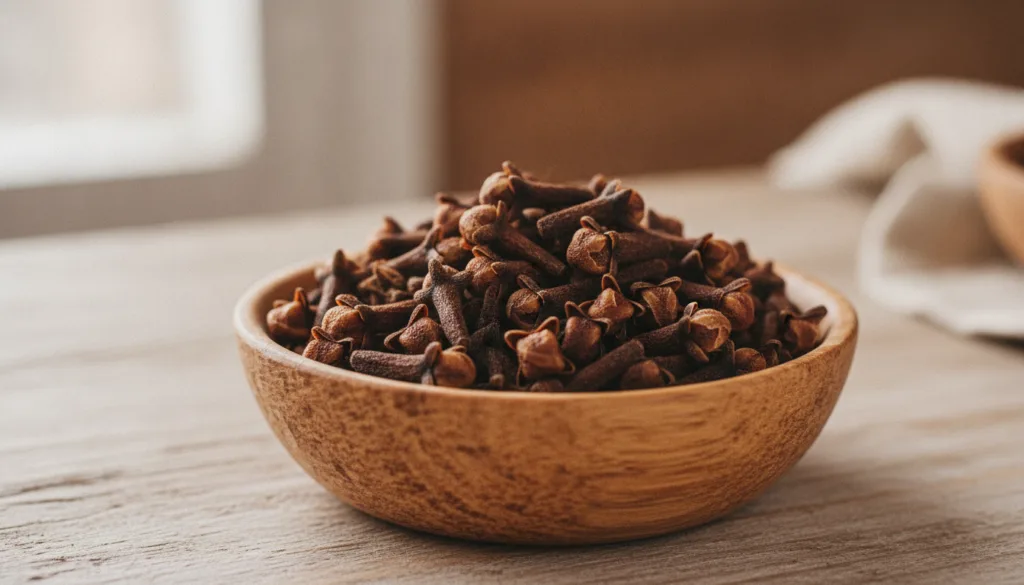
How Cloves Work Their Magic
The primary active compound in cloves, eugenol, is a potent antioxidant. Antioxidants are crucial for our health as they help combat oxidative stress, which is a key factor in aging and many chronic conditions. Beyond eugenol, cloves contain other beneficial compounds like flavonoids and triterpenes, contributing to their overall wellness profile.
Traditional Uses vs. Modern Understanding
Historically, cloves have been cherished across various cultures for a wide array of medicinal purposes. In Traditional Chinese Medicine and Ayurveda, cloves were used to warm the body, aid digestion, and alleviate pain. Modern science has begun to explore some of these traditional claims, often finding promising connections.
-
Antioxidant Powerhouse: Cloves are exceptionally rich in antioxidants, helping to protect your cells from damage caused by free radicals. This can contribute to overall cellular health and vitality.
-
Anti-Inflammatory Support: Eugenol has been studied for its potential anti-inflammatory properties. While not a cure for chronic inflammation, incorporating clove tea into your routine may help support the body’s natural inflammatory response.
-
Digestive Harmony: Traditionally, clove tea has been a go-to for soothing digestive discomfort, reducing bloating, and easing gas. It’s believed to stimulate digestive enzymes and promote healthy gut motility.
-
Immune System Boost: The antimicrobial properties attributed to eugenol, alongside the antioxidant content, may offer a gentle nudge to your immune system, helping your body defend itself against common invaders.
-
Oral Health Ally: You might recognize the distinct scent of cloves in some dental products. Traditionally, cloves were used to alleviate toothache and gum discomfort due to their numbing and antiseptic qualities. While drinking the tea won’t replace brushing, it can be a comforting rinse.
-
Blood Sugar Balance: Some preliminary research suggests that compounds in cloves may play a role in helping to regulate blood sugar levels, though more human studies are needed. This makes it an interesting area for further exploration for those managing blood sugar.
-
Warming & Comforting: Beyond specific benefits, the mere act of sipping a warm, aromatic clove tea can be incredibly soothing, promoting relaxation and a sense of well-being, which is a benefit in itself for reducing daily stress.
It’s important to remember that while traditional wisdom offers a wealth of knowledge, and modern research provides insights, clove tea is a natural support, not a medical treatment. It complements a healthy lifestyle and doesn’t replace professional medical advice.
Your Practical Guide to Easy Clove Tea
Ready to brew your own cup of wellness? Making clove tea is wonderfully simple and requires just a few basic ingredients.
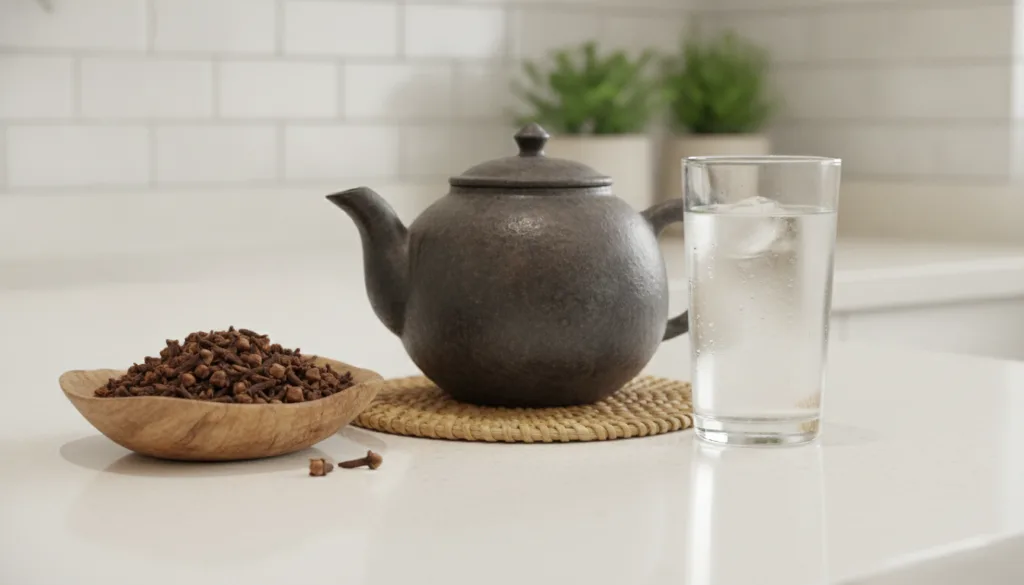
Simple Clove Tea Recipe
This basic recipe is a perfect starting point. Feel free to adjust the strength to your liking!
Ingredients:
- 1 teaspoon whole cloves (approximately 10-15 cloves)
- 1 cup (240ml) fresh water
- Optional: Honey, lemon slice, or a cinnamon stick for added flavor
Instructions:
-
Crush Gently: Lightly crush the whole cloves using a mortar and pestle or the back of a spoon. This helps release their essential oils and flavor. If you don’t have a mortar and pestle, don’t worry, whole cloves will still work.
-
Boil Water: Bring 1 cup of fresh water to a boil in a small saucepan.
-
Add Cloves: Once the water is boiling, add the crushed (or whole) cloves to the saucepan.
-
Simmer: Reduce the heat to low, cover the saucepan, and let it simmer for 5-10 minutes. The longer it simmers, the stronger the tea will be.
-
Strain & Serve: Remove the saucepan from the heat and let it steep for another minute or two. Strain the tea into your favorite mug, removing the cloves.
-
Customize (Optional): Add a squeeze of lemon, a dollop of honey, or a cinnamon stick for extra warmth and flavor. Stir well and enjoy!
Serving Suggestions & Frequency
- Warm & Soothing: Clove tea is best enjoyed warm, especially after meals to aid digestion, or in the evening for a relaxing ritual.
- Morning Boost: Some prefer it as a gentle, warming start to their day.
- Frequency: One to two cups per day is a common recommendation for general wellness support. Listen to your body and adjust as needed.
Storage
Clove tea is best consumed fresh. If you have leftovers, you can store them in an airtight container in the refrigerator for up to 24 hours, but the flavor and potency may diminish.
Safety & Precautions: Important Considerations
While clove tea is generally safe for most healthy adults when consumed in moderation, it’s always wise to be aware of potential considerations and consult with a healthcare professional if you have any concerns.
-
Blood Thinners: Cloves contain compounds that may have anticoagulant (blood-thinning) effects. If you are taking blood-thinning medications (like Warfarin), have a bleeding disorder, or are scheduled for surgery, it’s best to avoid clove tea or consult your doctor.
-
Allergies: Though rare, some individuals may be allergic to cloves. Discontinue use if you experience any adverse reactions like skin rash, itching, or digestive upset.
-
Pregnancy & Breastfeeding: There isn’t enough reliable information about the safety of consuming clove tea in medicinal amounts during pregnancy or breastfeeding. It’s generally best to err on the side of caution and avoid it, or consult your healthcare provider.
-
Existing Medical Conditions: If you have any underlying health conditions, especially liver disease or diabetes, discuss with your doctor before regularly consuming clove tea, as it might interact with medications or affect certain health markers.
-
Moderation is Key: Like with many herbal remedies, excessive consumption is not recommended. Stick to 1-2 cups per day for general wellness.
Always prioritize your health and well-being. When in doubt, a quick chat with your doctor or a qualified herbalist can provide personalized guidance.
Key Takeaways: Savor the Spice of Life
- Cloves are a potent spice with a long history of traditional use for wellness.
- Clove tea offers potential benefits from its antioxidant, anti-inflammatory, and antimicrobial compounds, particularly eugenol.
- It may support digestion, boost immunity, and provide a warming, comforting experience.
- Making clove tea is simple, requiring only whole cloves and water.
- Always consume in moderation and be aware of potential interactions, especially if on blood thinners, pregnant, or with existing medical conditions.
FAQ: Your Clove Tea Questions Answered
Is it safe to drink clove tea every day?
For most healthy adults, drinking 1-2 cups of clove tea daily is generally considered safe and beneficial as part of a balanced diet. However, if you have specific health concerns or are on medication, always consult your healthcare professional.
What are the main benefits of clove tea?
Clove tea is traditionally known for its potential to aid digestion, provide antioxidant support, offer mild anti-inflammatory effects, and boost the immune system. Its warming properties also make it a comforting beverage.
Can clove tea help with digestion?
Yes, clove tea has been traditionally used to help soothe digestive upset, reduce bloating, and alleviate gas. It’s believed to stimulate digestive enzymes and improve gut comfort.
Are there any side effects of clove tea?
When consumed in moderate amounts, side effects are rare. However, excessive consumption might lead to digestive upset in some individuals. Those on blood thinners, pregnant, or with certain medical conditions should exercise caution or avoid it and consult a doctor.
What’s the best time to drink clove tea?
Many people enjoy clove tea after meals to aid digestion, or in the evening for its warming and relaxing qualities. It can also be a pleasant, gentle start to your day.
Related Reading: Continue Your Wellness Journey
If you’re fascinated by the natural power of spices and herbs, you might also enjoy exploring:
- The Healing Power of Ginger: More Than Just a Spice
- Turmeric Latte: Your Golden Ticket to Anti-Inflammatory Wellness
- Boost Your Immunity Naturally: Everyday Foods and Habits
- Herbal Teas for Digestive Health: A Gentle Approach
- Healthy Kitchen Staples: Essential Spices for Your Pantry