Most people enjoy guava fruit for its sweet taste, but few realize that the real powerhouse for cardiovascular support might be found in its unassuming leaves. For centuries, traditional practices have hinted at the profound benefits these leaves offer, particularly for heart health and maintaining clear arteries. If you’ve been looking for a simple, natural addition to your wellness routine, you might be overlooking one of nature’s most accessible remedies.
Many turn to complex supplements, yet the secret to supporting your heart could be as close as your garden or local market. One small preparation mistake, however, can reduce its effectiveness significantly. This guide will walk you through exactly how to harness the potential of guava leaves, focusing on a practical, easy-to-make infusion that can become a valuable part of your journey towards better heart health.
What It Is: Guava Leaf Infusion
At its core, a guava leaf infusion is a simple herbal tea made by steeping fresh or dried guava leaves in hot water. The leaves of the guava tree (Psidium guajava) are rich in antioxidants, flavonoids, and other compounds that have been traditionally studied for their potential to support various bodily functions, including cardiovascular wellness. Unlike the fruit, the leaves offer a different profile of beneficial compounds, making them a unique focus for specific health goals.
This remedy isn’t a magic bullet, but rather a supportive measure that, when combined with a healthy lifestyle, can contribute to overall heart health. The compounds in guava leaves are believed to assist in managing blood pressure and cholesterol levels, key factors in maintaining clear arteries.

Ingredients for Your Guava Leaf Tea
Making your own guava leaf tea is straightforward, requiring minimal ingredients. The quality of your leaves is paramount, so always prioritize fresh, unblemished options if available.
- Guava Leaves: 10-15 fresh, medium-sized leaves OR 1-2 tablespoons dried, crushed leaves.
- Water: 2 cups (approximately 500ml), preferably filtered.
- Optional (for taste): A squeeze of lemon, a slice of ginger, or a tiny amount of honey (add after steeping).
Approximate Measurements
The measurements provided are a starting point. You can adjust the quantity of leaves based on your preference for strength and the size/freshness of the leaves. For beginners, it’s often best to start with fewer leaves and gradually increase if desired.
- Fresh Leaves: About 10-15 leaves for 2 cups of water.
- Dried Leaves: 1-2 tablespoons for 2 cups of water.
Formula / Recipe: Guava Leaf Heart Tonic
This simple infusion is designed to maximize the extraction of beneficial compounds without over-processing.
- Gather your fresh guava leaves (or measure dried).
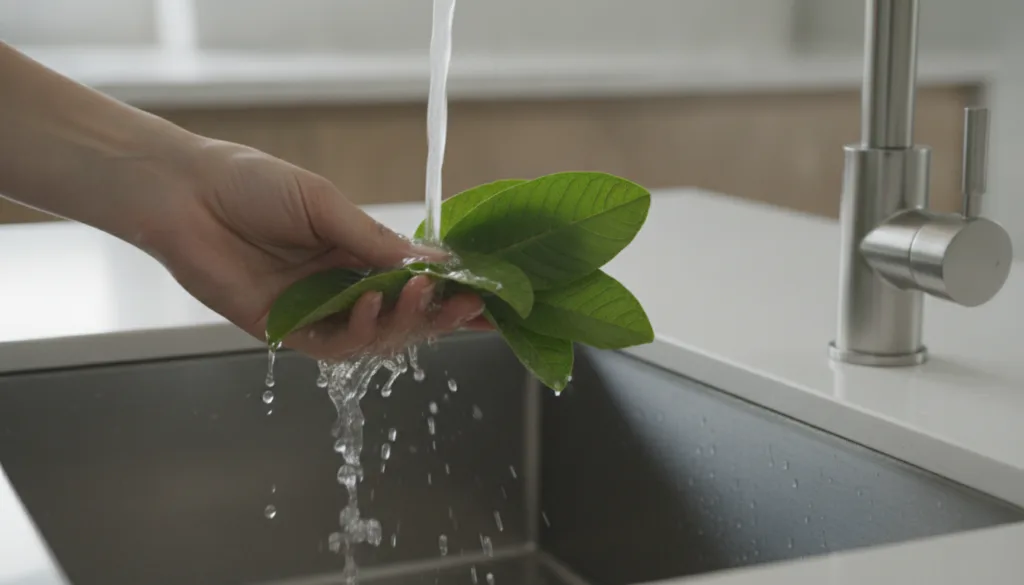
- Rinse fresh leaves thoroughly under cold water to remove any dirt or residue.
- Bring water to a boil in a non-reactive pot (stainless steel or glass).
- Once boiling, reduce heat to a simmer and add the guava leaves.
- Simmer gently for 10-15 minutes (for fresh leaves) or 5-7 minutes (for dried leaves).
- Remove from heat and let it steep, covered, for another 5-10 minutes.
- Strain the liquid into a cup.
- Serve warm.
Step-by-Step Method
Preparation is Key
Step 1: Clean the Leaves. If using fresh leaves, meticulously wash them. This is the part most people skip, but it’s crucial for removing dust, insects, or any residual sprays. Do not use leaves that show signs of pest damage or discoloration.
Step 2: Boil the Water. Pour 2 cups of filtered water into a clean pot. Bring it to a rolling boil. Using filtered water helps ensure the purity of your infusion and avoids introducing unwanted minerals that could alter the taste or effectiveness.
Step 3: Add Leaves and Simmer. Once the water is boiling, add your washed fresh guava leaves (or dried). Immediately reduce the heat to low, allowing the water to gently simmer. This gentle heat extraction is preferred over a vigorous boil, which can degrade some heat-sensitive compounds.
Step 4: Steep and Strain. After simmering for the recommended time, remove the pot from the heat. Cover the pot and let the tea steep. Covering helps trap the volatile compounds that might otherwise escape with the steam. Strain the leaves out using a fine-mesh sieve or cheesecloth before serving.
Quick Tip: Fresh vs. Dried
While fresh leaves are often preferred for their potent aroma and flavor, dried leaves are a convenient alternative. If using dried, ensure they are still vibrant green and have a noticeable, slightly earthy scent. Old, faded dried leaves will have significantly less potency.
How to Use
The guava leaf infusion is typically consumed as a warm tea. You can drink it plain or add a natural flavor enhancer like a small amount of lemon or ginger. Avoid adding sugar or artificial sweeteners, as these can counteract some of the health benefits. Sip it slowly, perhaps as part of a relaxing morning or evening routine.
How Often to Use
For general wellness support, drinking 1-2 cups of guava leaf tea per day is a common recommendation. It’s advisable to start with one cup and observe how your body responds. Consistency is often more important than quantity. You can incorporate it into your daily routine for a few weeks, then take a break for a week or two before resuming.
How to Buy / How to Choose Ingredients
Selecting quality guava leaves is vital for an effective remedy:
- Fresh Leaves: Look for vibrant green leaves without any yellowing, brown spots, or holes from insect damage. They should feel firm, not limp. Ideally, source them from organic gardens or trusted growers to avoid pesticide contamination.
- Dried Leaves: If buying dried, choose reputable suppliers. Ensure the leaves are uniformly green, not dull or brownish, and have an aromatic scent. Avoid any products that look dusty or have an ‘off’ smell.
Comparison: Fresh vs. Dried Guava Leaves
| Feature | Fresh Guava Leaves | Dried Guava Leaves |
|---|---|---|
| Availability | Seasonal, often from tropical regions or specialty stores. | Available year-round, online or in herbal shops. |
| Potency | Potentially higher concentration of certain volatile compounds. | Slightly less potent, but still effective if properly dried. |
| Flavor/Aroma | More vibrant, fresh, and distinctly earthy. | Milder, sometimes slightly smoky or subdued. |
| Preparation | Requires thorough washing; longer simmering time. | Easier to prepare; shorter simmering time. |
| Storage | Perishable, lasts a few days in the fridge. | Long-lasting, up to 6-12 months in a cool, dark place. |
Storage
- Fresh Leaves: Store fresh guava leaves in a paper towel inside a plastic bag in the refrigerator’s crisper drawer. They typically last 3-5 days.
- Dried Leaves: Keep dried guava leaves in an airtight container away from direct sunlight, heat, and moisture. A cool, dark pantry is ideal. They can last up to a year.
- Prepared Tea: Any leftover tea can be stored in an airtight container in the refrigerator for up to 24 hours. Reheat gently, but ideally, prepare a fresh batch daily.
Practical Tips
- Start Small: If new to guava leaf tea, begin with a weaker infusion and gradually increase leaf quantity to assess your body’s tolerance.
- Consistency: Regular, moderate consumption is often more beneficial than sporadic, large doses.
- Combine with Lifestyle: This tea is a supplement, not a replacement for a healthy diet, regular exercise, and professional medical advice for heart conditions.
- Listen to Your Body: Pay attention to any unusual reactions. If you experience discomfort, discontinue use.
Common Mistakes
One small oversight can reduce the efficacy or even safety of your guava leaf tea:
- Using Unwashed Leaves: Pesticides or environmental contaminants can be present. Always wash fresh leaves meticulously.
- Boiling Too Vigorously or Too Long: High heat and prolonged boiling can destroy delicate compounds, making the tea less effective. A gentle simmer followed by steeping is best.
- Ignoring Leaf Quality: Yellowed, wilted, or pest-damaged leaves will yield a less potent and potentially unpleasant tea.
- Expecting Immediate Results: Natural remedies work gradually. Give your body time to respond, typically several weeks of consistent use.
- Over-Complicating: Resist the urge to add too many other ingredients. A simple infusion allows the guava leaf benefits to shine.

Cautions / Who Should Avoid It
While generally safe for most, some considerations are important:
- Pregnancy and Breastfeeding: There is insufficient research on the safety of guava leaf tea during pregnancy and lactation. It’s best to avoid it or consult a healthcare professional.
- Medication Interactions: If you are on medication for blood pressure, blood sugar, or blood thinning, consult your doctor before incorporating guava leaf tea, as it may affect these conditions or interact with medications.
- Allergies: If you have allergies to guava fruit or related plants, avoid the leaves.
- Surgery: Guava may affect blood sugar levels, so it’s often advised to stop using it at least two weeks before a scheduled surgery.
You may also like: Explore other natural remedies for blood pressure support.
Quick Summary
- Best Preparation: Gentle simmer of fresh or dried leaves, followed by steeping.
- Best Use-Case: Daily tea for cardiovascular wellness, blood pressure, and cholesterol support.
- Storage: Fresh leaves in fridge (3-5 days); dried leaves in airtight container (up to 1 year); prepared tea in fridge (24 hours).
- When to Use: 1-2 cups per day, consistently over several weeks.
- What to Avoid: Unwashed leaves, vigorous boiling, ignoring medical advice, expecting instant fixes.
FAQ
- Can I use fresh or dried guava leaves? Both are suitable. Fresh leaves might offer a more vibrant flavor, while dried are more convenient for year-round use. Adjust quantities accordingly.
- How long does guava leaf tea last? The prepared tea should be consumed within 24 hours if refrigerated. It’s best to make a fresh batch daily.
- Can I refrigerate it? Yes, you can refrigerate leftover tea in an airtight container for up to 24 hours.
- How often should I use it? 1-2 cups per day is a common recommendation for general wellness support.
- What part of the guava plant is best for this remedy? The leaves are specifically used for this heart health infusion, not the fruit or bark.
- Can I reuse the leaves for a second brew? While you can, the potency will be significantly reduced in a second brew. For maximum benefit, use fresh leaves each time.
- When should I avoid guava leaf tea? Avoid if pregnant, breastfeeding, allergic to guava, or on medications for blood pressure, blood sugar, or blood thinning without consulting a doctor.
- Does guava leaf tea help with weight loss? While it’s often associated with metabolism support, this article focuses on its benefits for heart health and arterial clarity.
Continue with: The complete guide to making your own herbal infusions at home.
Conclusion
Integrating a simple guava leaf infusion into your daily routine offers a natural, accessible way to support your cardiovascular system. By following these practical steps and understanding the nuances of preparation and use, you can confidently harness the benefits of this remarkable plant. Remember, consistency, quality ingredients, and a mindful approach are your best allies in leveraging nature’s remedies for better health. Your heart will thank you for this simple, yet powerful, daily ritual.