Most people spend hours trying to eradicate it from their lawns, viewing it as nothing more than a stubborn nuisance. But what if that familiar ‘weed’ hiding in plain sight was actually a powerful natural remedy? We’re talking about the humble dandelion, and while its cheerful yellow flowers are instantly recognizable, it’s the often-overlooked root that holds a surprising array of traditional wellness benefits, especially for your liver.
One small preparation mistake can ruin the whole batch, rendering its potential benefits useless. Before you reach for the weed killer, let’s uncover how to properly prepare this backyard treasure into a potent decoction that could be your next go-to for natural support.
What It Is: Dandelion Root Decoction
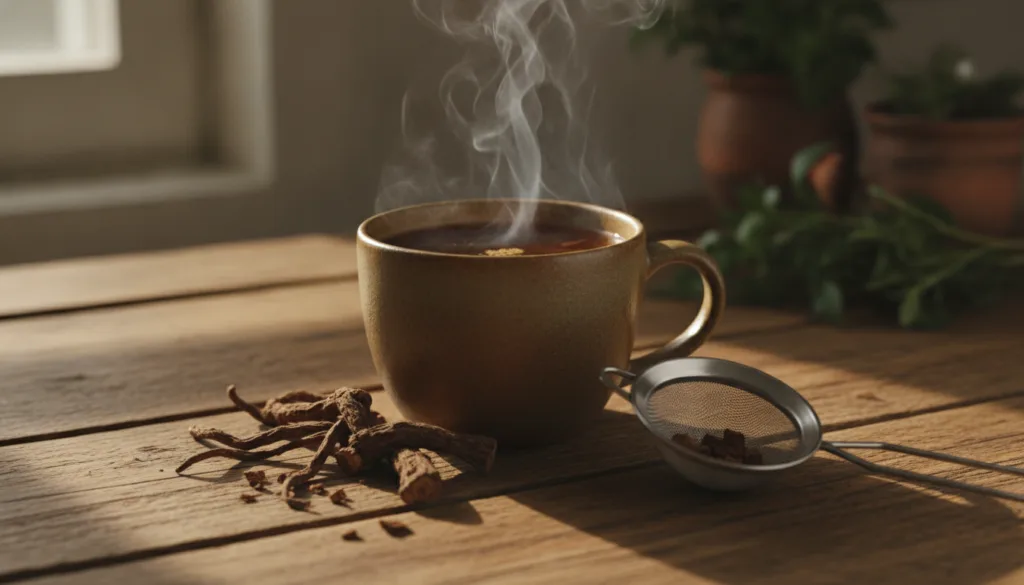
A dandelion root decoction is essentially a concentrated tea made from the dried or fresh roots of the Taraxacum officinale plant. Unlike an infusion (where plant material is steeped in hot water), a decoction involves simmering the roots, allowing for a more thorough extraction of their deeper, water-soluble compounds, particularly beneficial for liver support and digestive health. This preparation method is crucial for woody or fibrous plant parts like roots.
Ingredients for Your Dandelion Root Decoction
- 1-2 tablespoons dried dandelion root (chopped) OR 2-3 tablespoons fresh dandelion root (chopped)
- 2-3 cups filtered water
Approximate Measurements
The quantities listed above are suitable for a single serving or two small servings. If you’re using fresh roots, you’ll need a slightly larger volume as they contain more water and less concentrated compounds per weight compared to dried roots.
Formula / Recipe: Crafting Your Dandelion Root Decoction
The process is straightforward, but precision ensures maximum benefit. Whether you forage your own or buy them, making this decoction correctly is key.
Step-by-Step Method
- Prepare the Roots: If using fresh dandelion roots, thoroughly wash them to remove all soil. Chop them into small, approximately 1/4-inch pieces. If using dried roots, ensure they are already chopped or break them into smaller pieces.
- Combine: Place the chopped dandelion root into a small saucepan. Add 2-3 cups of filtered water.
- Simmer: Bring the water to a gentle boil, then immediately reduce the heat to a low simmer. Cover the saucepan and let it simmer for 15-20 minutes.
- Cool and Strain: Remove the saucepan from the heat and allow the decoction to cool slightly. Strain the liquid through a fine-mesh sieve or cheesecloth into a mug or heat-proof container, pressing the root material to extract all liquid.
- Serve: Enjoy warm. You can add a squeeze of lemon or a touch of honey if desired, though many prefer its natural, slightly bitter taste.
Here’s the part most people skip…
Many people rush the simmering process, thinking a quick boil is enough. But for roots, a slow, sustained simmer is essential to break down the fibrous material and extract the full spectrum of beneficial compounds. Don’t shorten the 15-20 minute simmering time.
How to Use Your Dandelion Root Decoction
This decoction is typically consumed internally. Drink one cup, preferably on an empty stomach about 30 minutes before a meal, or between meals. Its slightly bitter taste can stimulate digestive juices, preparing your body for nutrient absorption.
How Often to Use
For general wellness support, a daily cup for 2-4 weeks can be beneficial, followed by a break. For more targeted support, consult with a qualified herbalist or healthcare practitioner. Consistency is more important than large, infrequent doses.
How to Buy / How to Choose Ingredients
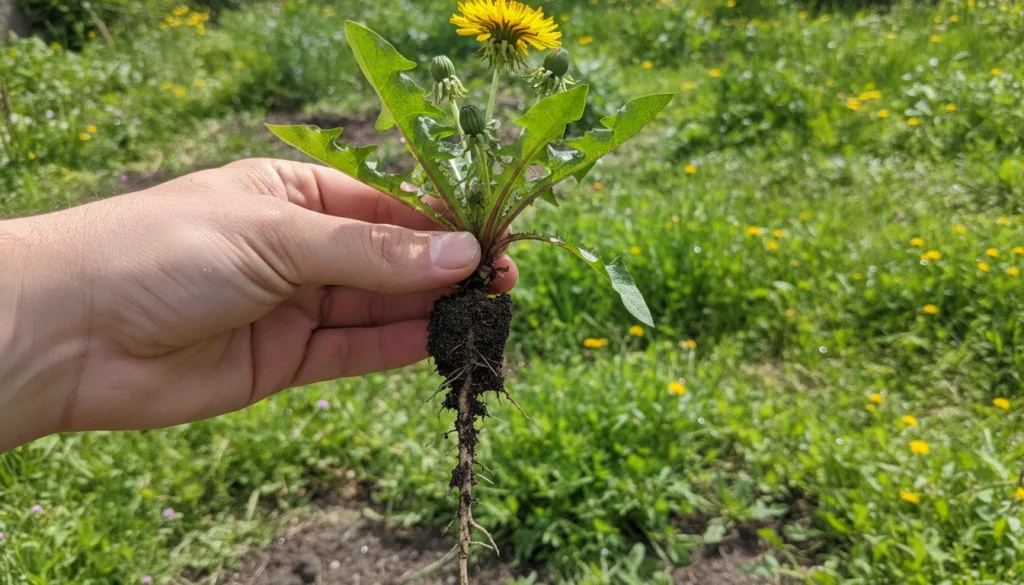
Foraging: If harvesting wild dandelion roots, ensure you gather them from areas free of pesticides, herbicides, and pollutants (e.g., away from roadsides, industrial areas, or conventional farms). The best time to harvest is in the fall or early spring when the plant’s energy is concentrated in the roots. Look for healthy, robust plants.
Buying: Purchase dried dandelion root from reputable herbal suppliers or health food stores. Look for organic, ethically sourced products to ensure purity and potency. Check for an earthy, slightly sweet aroma and avoid anything with a musty smell.
Fresh vs. Dried Dandelion Root for Decoction
| Feature | Fresh Dandelion Root | Dried Dandelion Root |
|---|---|---|
| Sourcing | Foraged from clean areas | Purchased from suppliers |
| Preparation | Requires thorough cleaning, chopping | Often pre-chopped, ready to use |
| Potency | Slightly less concentrated per volume; often preferred for fresh enzymes | More concentrated; longer shelf life |
| Measurement | More volume needed (e.g., 2-3 tbsp) | Less volume needed (e.g., 1-2 tbsp) |
| Availability | Seasonal (fall, early spring) | Year-round |
Storage
Fresh Roots: Once harvested and cleaned, fresh dandelion roots can be stored in the refrigerator in a paper bag for up to 5-7 days. For longer storage, they can be dried thoroughly or frozen.
Dried Roots: Store dried dandelion root in an airtight container in a cool, dark, dry place for up to 1 year. Protect it from light and moisture to preserve its potency.
Prepared Decoction: The prepared decoction can be stored in an airtight glass container in the refrigerator for up to 2-3 days. Reheat gently before consuming; avoid microwaving to preserve delicate compounds.
Practical Tips
- Enhance Flavor: A slice of fresh ginger, a cinnamon stick, or a few cardamom pods can be added during simmering for a more complex flavor profile.
- Combine with Other Herbs: Dandelion root pairs well with burdock root for enhanced liver and blood cleansing properties, or with milk thistle seeds for additional liver support.
- Roast for Coffee Substitute: Dried dandelion roots can be roasted in the oven until dark brown, then ground to make a delicious, caffeine-free coffee substitute.
Common Mistakes
- Misidentification: Mistaking dandelion for a similar-looking but potentially toxic plant. Always be 100% sure of your identification if foraging.
- Using Sprayed Plants: Harvesting from lawns or areas treated with chemicals. This is not only ineffective but potentially harmful.
- Boiling, Not Simmering: Boiling too vigorously can degrade some beneficial compounds. A gentle simmer is key.
- Skipping Cleaning: Fresh roots require meticulous cleaning to remove all soil and debris.
- Improper Drying/Storage: Roots not dried properly can mold, and improper storage reduces potency.
Cautions / Who Should Avoid It
While generally safe for most, dandelion root can interact with certain medications or conditions:
- Allergies: Individuals allergic to ragweed, chrysanthemums, marigolds, or daisies may also be allergic to dandelion.
- Medications: Dandelion can interact with diuretics (potassium-sparing), blood thinners, and medications processed by the liver.
- Gallbladder/Bile Duct Issues: Individuals with obstructed bile ducts or gallbladder inflammation should avoid dandelion unless advised by a healthcare professional.
- Kidney Issues: Use with caution if you have kidney problems.
- Pregnancy/Breastfeeding: Consult a doctor before use.
Quick Summary
Dandelion root decoction is a simple, effective remedy for liver and digestive support. Best prepared by simmering chopped fresh or dried roots in filtered water for 15-20 minutes. Consume one cup daily for a few weeks, preferably on an empty stomach. Always source roots from clean, chemical-free areas or buy from reputable suppliers. Store fresh roots briefly in the fridge, dried roots in an airtight container, and prepared decoction for 2-3 days in the refrigerator. Avoid if allergic to related plants, on certain medications, or with specific gallbladder/kidney issues. Do not boil vigorously; always gently simmer.
FAQ
- Can I use fresh or dried dandelion root?
Yes, both are effective. Fresh roots require thorough cleaning and chopping, while dried roots are often pre-prepared and more concentrated.
- How long does the prepared decoction last?
The decoction can be stored in the refrigerator for up to 2-3 days in an airtight container.
- How often should I use dandelion root decoction?
For general support, a daily cup for 2-4 weeks is common, followed by a break. Consult a professional for specific health concerns.
- What part of the dandelion plant is best for this remedy?
For liver and digestive support, the root is traditionally considered the most potent part for a decoction. The leaves can be used in infusions for their diuretic properties.
- Can I reuse the dandelion roots after making a decoction?
It’s generally not recommended. Most of the beneficial compounds will have been extracted during the first simmering.
- When should I avoid using dandelion root?
Avoid if you have allergies to related plants (ragweed, daisies), obstructed bile ducts, or are on certain medications like diuretics or blood thinners. Always consult a healthcare provider if unsure.
- Does roasting the roots affect their benefits?
Roasting changes the chemical composition, enhancing flavor for a coffee substitute but potentially altering some of the medicinal compounds. For primary medicinal use, unroasted is often preferred.
Conclusion
The next time you spot a dandelion in your yard, consider it a friendly reminder of nature’s potent pharmacy, often hidden in plain sight. With a little knowledge and mindful preparation, that common ‘weed’ can become a valuable addition to your natural wellness toolkit. Embrace the power of the overlooked and transform your approach to everyday health.
You may also like: Learn How to Make Your Own Herbal Tinctures
Read more: Top 5 Natural Liver Support Remedies
Continue with: Gardening for Medicinal Herbs: A Beginner’s Guide