Most people ignore it, or worse, try to eradicate it. Yet, this unassuming plant popping up in lawns and gardens worldwide holds a surprising secret for natural well-being. We’re talking about the humble dandelion. While its bright yellow flowers are often seen as a nuisance, the leaves of this resilient ‘weed’ are a treasure trove for herbalists and home remedy enthusiasts. Learning to identify, harvest, and prepare them correctly is the key to unlocking their soothing potential. Forget harsh chemicals; your lawn might be hiding your next favorite herbal infusion.
One small preparation mistake, however, can ruin the entire batch, leaving you with a bitter, ineffective brew. This guide will walk you through the precise steps to transform fresh or dried dandelion leaves into a potent, pleasant-tasting infusion that’s far from the bitter experience some expect. Get ready to look at your garden a little differently.
What it is: Dandelion Leaf Infusion
A dandelion leaf infusion is essentially a strong herbal tea made by steeping fresh or dried dandelion leaves in hot water. Unlike a quick cup of tea, an infusion typically involves a longer steeping time, allowing for a greater extraction of the plant’s beneficial compounds. Dandelion (Taraxacum officinale) leaves are recognized for their mild diuretic properties and their rich content of vitamins and minerals. When prepared as an infusion, they offer a gentle, nourishing way to support overall wellness, particularly for those seeking natural digestive and detox support.
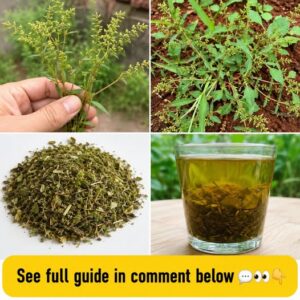
Ingredients for Your Dandelion Infusion
- Dandelion Leaves: Approximately 1/4 cup fresh, chopped leaves OR 1-2 tablespoons dried dandelion leaves.
- Water: 1 cup (240ml) filtered water.
Approximate Measurements
The ratio of dandelion leaves to water is crucial for a potent infusion. For fresh leaves, a general guideline is about one part leaves to four parts water by volume, but we’ll stick to a standard cup for ease. For dried leaves, which are more concentrated, you need significantly less. These measurements are designed to give you a strong, therapeutic infusion without being overwhelmingly bitter.
Formula / Recipe: Simple Dandelion Leaf Infusion
This formula prioritizes efficiency and potency, ensuring you extract the maximum benefit from your dandelion leaves.
- Prepare your dandelion leaves (wash fresh, measure dried).
- Heat water to just before boiling.
- Combine leaves and hot water in a heat-proof container.
- Steep for the recommended time.
- Strain and enjoy.
Step-by-Step Method
- Harvest or Measure: If using fresh dandelion leaves, gather them from an unsprayed area (more on this below). Wash them thoroughly under cold running water and roughly chop them. If using dried leaves, measure out 1-2 tablespoons.
- Heat the Water: Bring 1 cup of filtered water to a boil in a kettle or saucepan. Once it reaches a rolling boil, remove it from the heat immediately.
- Combine and Steep: Place the chopped fresh leaves or dried leaves into a mug or a small glass jar. Pour the hot water over the leaves.
- Cover: Cover your mug or jar with a lid, small saucer, or plate. This is a critical step often skipped, but it helps trap the volatile oils and compounds, preventing them from escaping with the steam.
- Steep: Allow the mixture to steep for 10-15 minutes. For a stronger infusion, you can steep for up to 30 minutes, but be mindful that prolonged steeping might increase bitterness.
- Strain: Using a fine-mesh strainer, strain the liquid into another mug, discarding the spent leaves.
Quick Tip: Enhancing Flavor
If you find the taste too earthy or slightly bitter, consider adding a squeeze of fresh lemon juice or a small amount of honey after straining. These additions can make the infusion more palatable without compromising its benefits.
How to Use Your Dandelion Infusion
Once strained, your dandelion leaf infusion is ready to drink. It’s best consumed warm or at room temperature. You can also let it cool completely and drink it chilled, especially on a warm day. This infusion is ideal as a morning beverage or an afternoon pick-me-up.
How Often to Use
For general wellness support, drinking one cup of dandelion leaf infusion daily is a common practice. You can also use it a few times a week. Listen to your body and adjust frequency as needed. Consistency is more important than consuming large amounts sporadically.
How to Buy / How to Choose Ingredients
Foraging Fresh Dandelions:
- Location is Key: Only harvest dandelion leaves from areas you know are free from pesticides, herbicides, and other chemical sprays. Avoid roadsides or highly trafficked areas.
- Timing: Early spring leaves are often less bitter than those harvested later in the season.
- Identification: Ensure you correctly identify dandelion (Taraxacum officinale). Look for a basal rosette of leaves, hollow flower stems, and a deep taproot. Be aware of look-alikes.
Buying Dried Dandelion Leaves:
- Reputable Suppliers: Purchase from organic herbal suppliers or health food stores to ensure quality and purity.
- Check for Purity: Look for products that are 100% dandelion leaf with no additives or fillers.
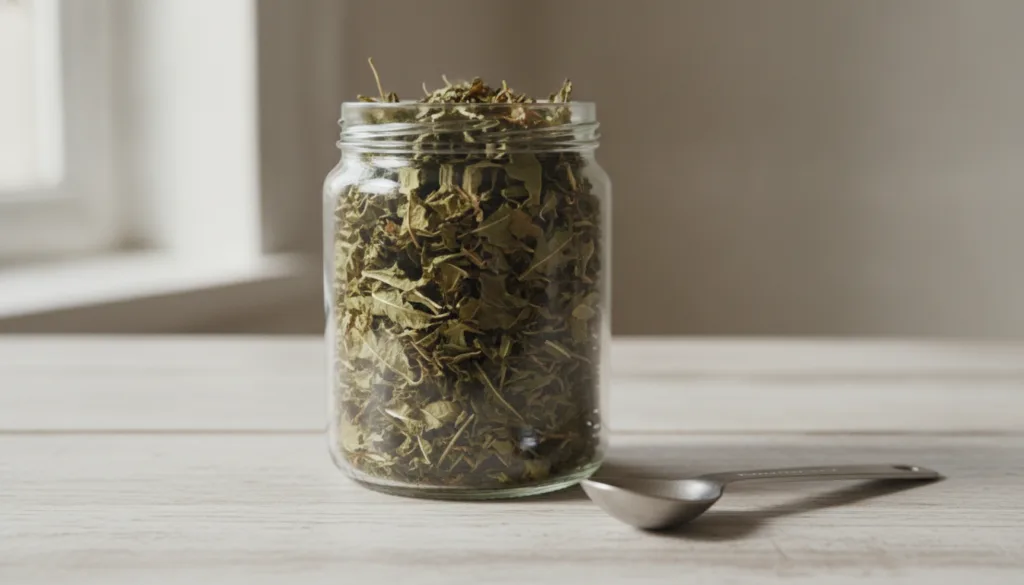
- Freshness: Check the expiration date and ensure the dried leaves have a vibrant green color and a fresh, earthy aroma.
| Feature | Fresh Dandelion Leaves | Dried Dandelion Leaves |
|---|---|---|
| Availability | Seasonal (spring-fall) | Year-round |
| Potency | Slightly milder, fresher flavor | More concentrated, potentially stronger flavor |
| Preparation | Requires washing, chopping | Ready to use, just measure |
| Source | Foraged (ensure safety) | Purchased from suppliers |
| Storage | Use immediately or briefly refrigerate | Store in airtight container for months |
Storage
Once prepared, your dandelion leaf infusion is best consumed within 24 hours. If you wish to store it, allow it to cool completely, then transfer it to a clean, airtight glass jar and refrigerate. It can last for up to 2 days in the refrigerator, but fresh is always best for optimal potency and flavor.
Practical Tips
- Use Glass or Ceramic: Always steep your infusion in non-reactive containers like glass, ceramic, or stainless steel.
- Cover While Steeping: As mentioned, covering helps retain valuable volatile compounds.
- Experiment with Strength: If 15 minutes is too strong, try 10. If it’s too weak, go for 20-30 minutes next time.
- Combine with Other Herbs: Dandelion leaves can be combined with other mild herbs like peppermint or lemon balm for enhanced flavor or complementary benefits.
Common Mistakes
- Foraging from Contaminated Areas: The most critical mistake is harvesting dandelions from lawns treated with pesticides or herbicides. Always be certain of your source.
- Using the Wrong Plant: Mistaking dandelion for a similar-looking plant, like hawkbit or cat’s ear, can lead to an ineffective or unpleasant infusion. Learn proper identification.
- Boiling the Leaves: Pouring boiling water directly onto leaves is fine, but boiling the leaves *in* water for an extended period can destroy delicate compounds and increase bitterness.
- Not Covering While Steeping: This allows beneficial compounds to escape with the steam, reducing the efficacy of your infusion.
- Over-Steeping (for some): While longer steeping makes a stronger infusion, it can also amplify bitterness to an unpalatable level for some individuals.
Cautions / Who Should Avoid It
While generally considered safe for most people, dandelion leaf infusion does come with a few cautions:
- Allergies: Individuals allergic to ragweed, chrysanthemums, marigolds, or daisies may also be allergic to dandelion.
- Medication Interactions: Dandelion has mild diuretic properties, so if you are taking diuretic medications, consult your healthcare provider. It may also interact with blood thinners or lithium.
- Gallbladder Issues: People with bile duct obstruction or gallstones should consult a doctor before using dandelion, as it can stimulate bile flow.
- Pregnancy and Breastfeeding: Limited research is available on dandelion use during pregnancy and breastfeeding. It’s best to consult a healthcare professional.
Always start with a small amount to assess your body’s reaction, especially if you are new to herbal remedies.
Quick Summary
Dandelion leaf infusion is a simple, effective herbal remedy. Best prepared by steeping fresh (from unsprayed areas) or dried leaves in hot, not boiling, water for 10-30 minutes, covered. Consume warm or chilled, up to once daily. Store in the refrigerator for up to 2 days. Avoid foraging from contaminated areas and always correctly identify the plant. Consult a doctor if you have allergies, are on certain medications, or have gallbladder issues.
You may also like: The Undeniable Benefits of Nettle Tea: A Full Guide
FAQ
- Can I use fresh or dried dandelion leaves?
Yes, both are effective. Fresh leaves offer a milder, greener taste, while dried leaves are more concentrated and convenient. - How long does the infusion last?
It’s best consumed within 24 hours. You can refrigerate it in an airtight container for up to 2 days. - Can I reuse the dandelion leaves?
It’s generally not recommended to reuse leaves for a second infusion, as most of their beneficial compounds will have already been extracted in the first steep. - When is the best time to harvest fresh dandelion leaves?
Early spring is ideal, as the leaves are typically less bitter before the plant flowers extensively. - What part of the dandelion is best for infusion?
This article focuses on the leaves. The roots are used for different preparations (like roasted root tea or tinctures) and have different properties. - Can I make a large batch?
While you can, it’s generally best to make smaller, fresh batches as needed for optimal potency and flavor. - Is dandelion infusion safe for children?
Consult a pediatrician before giving any herbal remedies, including dandelion infusion, to children. - What if my infusion tastes too bitter?
Try reducing the steeping time, adding a squeeze of lemon, or a small amount of honey. Ensure you’re using young, fresh leaves if foraging, as older leaves can be more bitter.
Related remedy: Mastering Herbal Vinegar Rinses for Hair and Skin
Conclusion
The dandelion, often dismissed as a mere weed, truly is a testament to nature’s overlooked bounty. By understanding how to properly prepare a simple leaf infusion, you unlock a practical, soothing remedy right from your backyard or local herb store. It’s an accessible way to integrate more natural wellness into your routine, proving that sometimes, the most potent solutions are found in the most unexpected places. Embrace the dandelion, and enjoy the gentle power of this remarkable plant.