Discover Lemon’s Power: Your Kitchen’s Natural Wellness Secret!
What if the bright, cheerful fruit you reach for to flavor your water or garnish your meal held secrets far beyond its zest? Imagine unlocking a treasure trove of natural wellness benefits right from your kitchen counter. It’s not a fantasy; it’s the humble lemon, and it’s about to become your new favorite natural ally!
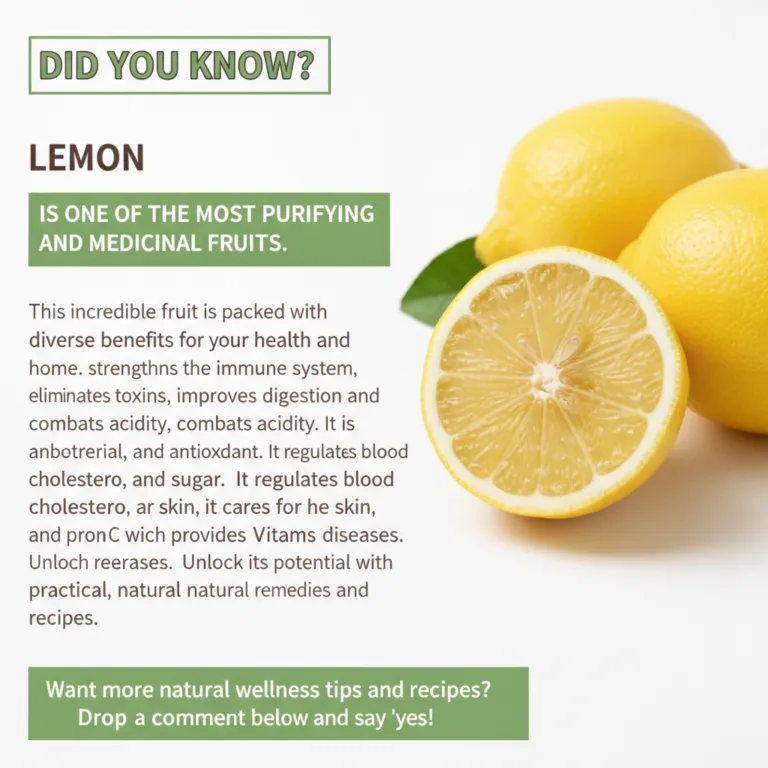
Why This Matters: Beyond the Zest
Lemons are a kitchen staple for many, often used for their refreshing taste or culinary brightness. But their reputation as a powerhouse of natural goodness has grown significantly, captivating those who prefer holistic approaches to health and home care. Perhaps you’ve heard whispers of lemon water’s ‘detox’ capabilities or seen DIY beauty hacks featuring lemon. While some claims can be overblown, the truth is, this citrus gem offers a wealth of genuine benefits that are both practical and accessible.
For those of us aged 35-70 seeking to enhance vitality, prevent common ailments naturally, and integrate healthy habits into our daily lives, understanding the true potential of the lemon is a game-changer. It’s not just a fruit; it’s a versatile tool for supporting your immune system, aiding digestion, and even sprucing up your home, all without relying on artificial ingredients.
The Zesty Science: Unveiling Lemon’s Wellness Secrets
What makes lemons so special? It’s their unique composition, rich in compounds that work synergistically to offer a range of potential health advantages.
Nutritional Powerhouse
-
Vitamin C (Ascorbic Acid): Perhaps the most well-known component, Vitamin C is a potent antioxidant vital for immune function, collagen production (hello, healthy skin!), and protecting cells from oxidative damage.
-
Antioxidants (Flavonoids): Beyond Vitamin C, lemons contain various flavonoids like hesperidin and naringenin. These compounds contribute to the fruit’s antioxidant and anti-inflammatory properties, which may help maintain overall cellular health.
-
Citric Acid: This organic acid gives lemons their distinctive tartness. It plays a role in the body’s energy production cycle and is traditionally believed to support digestion and even prevent kidney stones.
-
Potassium: An essential mineral that supports healthy blood pressure, nerve function, and muscle contraction.
Traditional Uses & Modern Understanding
-
Immune Support: Traditionally, lemons have been a go-to for warding off colds and flu. Modern understanding highlights Vitamin C’s role in enhancing white blood cell function, crucial for fighting infections.
-
Digestive Harmony: In many traditional practices, warm lemon water is consumed first thing in the morning to stimulate digestion and promote bowel regularity. While not a “detox” in the dramatic sense, the citric acid may encourage bile production, aiding in fat digestion.
-
Skin Radiance: The Vitamin C in lemons is a precursor to collagen, a protein essential for skin elasticity and firmness. Some traditional remedies use diluted lemon juice topically, although this requires significant caution due to its acidity and photosensitivity.
-
Natural Cleanser & Deodorizer: The natural acidity and refreshing scent of lemons make them a fantastic, non-toxic option for cleaning surfaces, removing stains, and neutralizing odors around the home.
Your Practical Guide to Lemon Wellness
Ready to invite more lemon power into your daily routine? Here are some simple, effective ways:
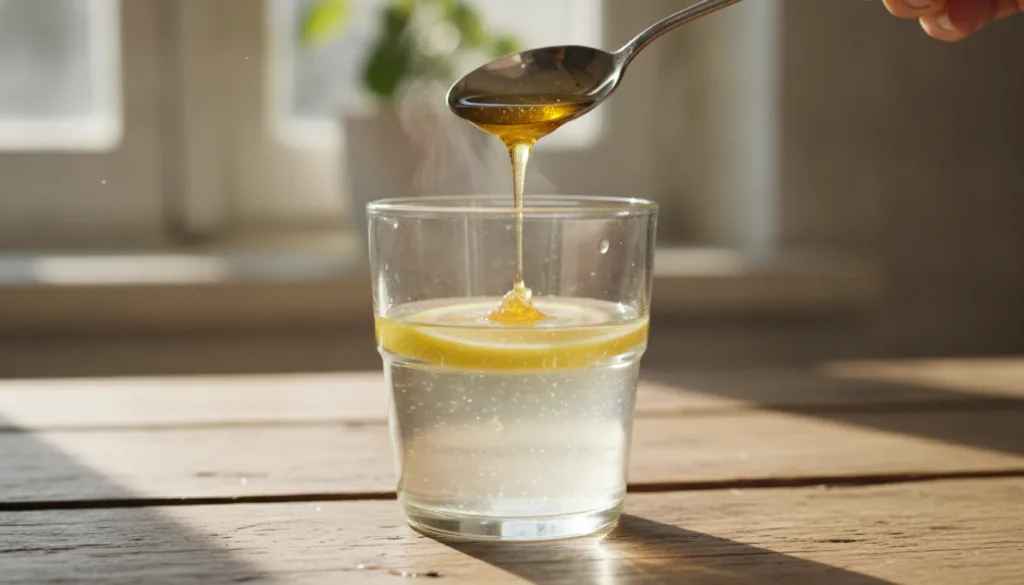
Start Your Day with Warm Lemon Water
A classic for a reason! Squeeze half a fresh lemon into a glass of warm (not hot) water. Drink it 15-30 minutes before breakfast. This can gently kickstart your metabolism and support hydration.
Enhance Your Meals
- Dressings: Use fresh lemon juice as a base for vibrant salad dressings.
- Marinades: Lemon juice tenderizes and adds bright flavor to poultry and fish.
- Zest it Up: Don’t discard the zest! It’s packed with aromatic oils and antioxidants. Grate it into baked goods, pastas, or over roasted vegetables for an extra flavor punch.
DIY Home Remedies
-
Sore Throat Soother: Mix fresh lemon juice with honey and warm water for a comforting drink that may help soothe a scratchy throat.
-
Natural Cleaner: Combine lemon juice with baking soda and water to create a paste for scrubbing sinks and countertops. For an all-purpose spray, mix equal parts lemon juice and water in a spray bottle.
-
Odor Eliminator: Place lemon rinds in the garbage disposal, simmer slices in a pot of water on the stove, or leave a cut lemon in the fridge to naturally absorb unwanted smells.
Storage Tips
Store whole lemons at room temperature for up to a week, or in the refrigerator’s crisper drawer for up to a month. For longer storage, juice and freeze the lemon juice in ice cube trays, or zest and freeze the zest.
Safety & Precautions: Important Considerations
While lemons are generally safe and beneficial, it’s wise to be aware of a few precautions:
-
Tooth Enamel: The acidity of lemon juice can erode tooth enamel over time. To minimize this, drink lemon water through a straw and rinse your mouth with plain water afterward. Avoid brushing your teeth immediately after consuming lemon juice.
-
GERD/Heartburn: If you suffer from acid reflux or heartburn, lemon’s acidity might exacerbate symptoms for some individuals. Listen to your body and moderate intake if necessary.
-
Skin Sensitivity (Phototoxicity): Applying lemon juice directly to the skin and then exposing it to sunlight can cause a severe sunburn or rash (phytophotodermatitis). Always be cautious with topical application, especially on exposed areas.
-
Allergies: Though rare, some individuals may have an allergic reaction to citrus fruits.
-
Consult Your Healthcare Professional: If you have existing medical conditions, are pregnant or breastfeeding, or are taking medications, it’s always best to consult your doctor before making significant dietary changes or using natural remedies.
Key Takeaways
- Lemons are a rich source of Vitamin C, antioxidants, and citric acid.
- They may support immune function, aid digestion, and contribute to healthy skin.
- Lemons are excellent natural cleaners and deodorizers for your home.
- Incorporate them daily through warm lemon water, cooking, and natural home solutions.
- Be mindful of tooth enamel erosion and skin photosensitivity.
FAQ
Q: Is lemon water truly a “detox” drink?
A: While lemons contain compounds that support the body’s natural detoxification processes (like Vitamin C for liver enzymes), they don’t “flush toxins” in a miraculous way. They primarily support hydration and provide beneficial nutrients.
Q: Can I use lemon juice on my face for acne or dark spots?
A: While Vitamin C is beneficial for skin, applying pure lemon juice directly to the face can be too harsh and cause irritation, dryness, or increased sensitivity to the sun. It’s best to use products formulated with Vitamin C from reputable sources rather than raw lemon juice.
Q: How much lemon is safe to consume daily?
A: Generally, the juice of one to two lemons per day, diluted in water or used in cooking, is considered safe for most healthy adults. Always monitor how your body responds.
Q: What’s the difference between lemon juice and lemon essential oil?
A: Lemon juice is the liquid extracted from the fruit, containing Vitamin C and citric acid. Lemon essential oil is extracted from the peel and is highly concentrated with aromatic compounds and different chemical constituents. Essential oils are potent and should never be ingested without professional guidance, and topical application requires careful dilution and awareness of phototoxicity.
Q: Can lemons help with weight loss?
A: While lemons themselves don’t directly cause weight loss, drinking lemon water can help with hydration, which is crucial for metabolism. Replacing sugary drinks with lemon water also reduces calorie intake, contributing to weight management. The pectin fiber in whole lemons may also help promote feelings of fullness.
Related Reading
Eager to continue your journey into natural wellness? Explore more articles on:
- The Benefits of Antioxidant-Rich Foods
- Boosting Your Immune System Naturally
- Simple Home Remedies for Everyday Ailments
- Healthy Aging Through Nutrition
- Natural Solutions for a Sparkling Home